
Introduction
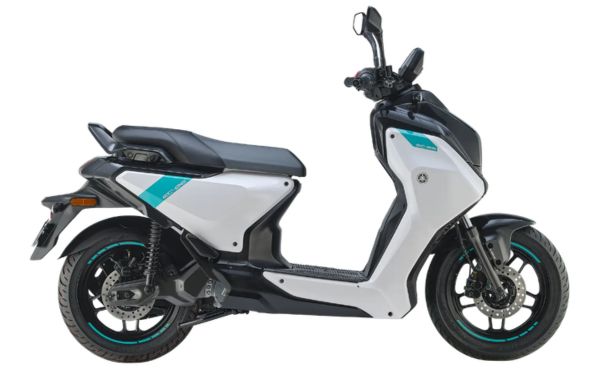
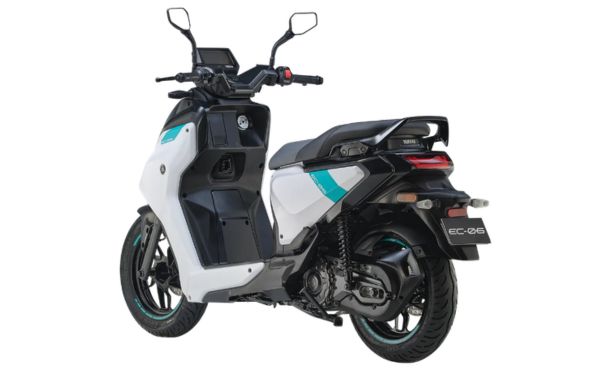
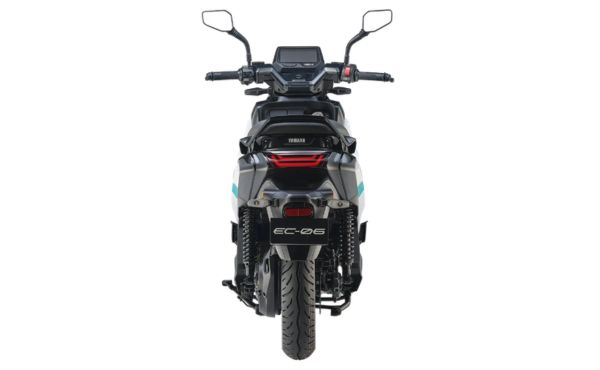
The Yamaha EC-06 is Yamaha’s first fully developed electric scooter for India. It’s built for city travel, offering a modern look and practical features for everyday use. The EC-06 gives riders a clean and efficient way to get around, blending electric power with the familiar feel and storage of a regular scooter. For Indian buyers, it stands out as a premium option focused on smoothness, comfort, and reliability for daily rides, rather than just high performance or lots of features. It’s a solid choice for office commutes, college trips, and regular city rides because it delivers steady power, a comfortable ride, and easy electric ownership.
Gallery
Key Specifications

Battery Type
Lithium Ion

Range
80-110Km/c

Charging Time
8hr

Torque
26 Nm

Fuel Type
Electric

Max Speed
79 km/h

Rear Suspension
Twin Coil Spring

Kerb Weight
132 kg
Ratings
- 90%
Performance
- 90%
Features
- 80%
Handling
- 95%
Comfort
- 100%
Build Quality
- 100%
Styling
- 90%
Value for Money
- 92%
Total
Ratings calculation is purely based upon pros and cons of the model given below in the overview section.
Price

Special Features
1
Digital Tft Instrument
2
Bluetooth Connectivity
3
Three Riding Modes
4
Adjustable Regenerative
5
Combined Braking System
6
Rear Disc Brakes
7
All-led Lighting
8
Usb Charging Port
9
Reverse Assist
10
Passenger Footrest
11
14-inch Alloy Wheels
12
Carry Hook
Full Specifications
| City | 90–110 km/c |
| Highway | 80–90 km/c |
| Motor Type | IPMSM |
| Maximum Speed | 79 km/h |
| Rated Power | 6.7 kW |
| Transmission | Automatic |
| Battery Charging Time | 8 hours |
| Fuel type | electric |
| Speedometer | Digital |
| Tachometer | no |
| Trip Meter | Digital |
| Odometer | Digital |
| Start Type | Electric Start |
| Low Battery Indicator | Yes |
| Clock | Yes |
| Pass Light | Yes |
| Stand Alarm | no |
| Bluetooth Connectivity | Yes |
| USB Charging Port | Yes |
| Front Suspension | Telescopic Forks (Hydraulic) |
| Rear Suspension | Coil Spring (Hydraulic Type) |
| Wheelbase | 1380 mm |
| Ground Clearance | 165 mm |
| Seat Height | 770 mm |
| Kerb Weight | 132 kg |
| Battery Capacity | 4.0 kWh |
| Tyres (Front) | 110/80-14 (Tubeless) |
| Tyres (Rear) | 120/70-14 (Tubeless) |
| Brakes (Front) | 200 mm Disc |
| Brakes (Rear) | 200 mm Disc |
| Braking System | Combined Braking System (CBS) |
| Pass Light | Yes |
| Battery Type | Lithium-ion (Fixed Battery) |
Yamaha Videos
[slide-anything id=”42070″]
Overview
Performance And Motor
The EC-06 has a 4 kWh fixed lithium-ion battery and an Interior Permanent Magnet Synchronous Motor (IPMSM). It produces about 6.7 kW of power and 26 Nm of torque. This setup provides smooth, steady acceleration, which is common for electric scooters, rather than aggressive or sporty performance.
For daily riding in India, the EC-06 responds smoothly and steadily. It’s easy to handle in traffic, at low speeds, and during frequent stops and starts. The power delivery suits regular commuting, giving the scooter a relaxed feel that many Indian riders like. Yamaha includes three riding modes: Eco, Standard, and Power. These modes adjust how the scooter responds to the throttle and how much energy it uses, so riders can pick what suits them best.
The motor and battery have an IP67 rating for dust and water resistance, while other electrical parts are rated IP65. This helps the EC-06 handle Indian weather and road conditions. It feels like a reliable, well-developed electric scooter, not just a test model. The Yamaha EC-06 isn’t built for high speeds. Its top speed is about 79 kmph, which is typical for a city-focused electric scooter in this category.
This speed is enough for city ring roads, short highway trips, and even some intercity travel, which matches how most people in India use their scooters. More importantly, the EC-06 feels stable and comfortable at these speeds and doesn’t feel strained.
For most Indian riders, the EC-06’s top speed is practical, not exciting. The scooter is designed to feel calm and reliable, making it a better choice for daily commuting than for fast or sporty riding.
Charging Time
You can charge the EC-06 at home using a regular 3-pin 6A socket. It takes about 8 hours to reach 80% and around 10 hours for a full charge from empty. The scooter comes with a portable charger that fits under the seat, so you can charge it elsewhere if you find a suitable outlet.
These charging times are typical for a 4 kWh fixed battery and a standard home socket. They work well for people who can charge their scooter overnight or while it’s parked for long periods. In Indian cities, where many people charge at home or work, this fits daily commuting habits.
The three riding modes also affect how often you need to charge. Eco mode uses less energy, so you may not need to recharge the battery as often during daily use. For buyers who want to save money, this means the EC-06 stays efficient and convenient even without fast charging.
Range
One of the main reasons to consider the EC-06 in India is its range. It has an IDC (Indian Driving Cycle) certified range of 169 km on a full charge. This number is a useful benchmark for what the scooter can do, but it comes from a standard test, so real-world results may vary. Still, 169 km is impressive for a 4 kWh electric scooter in this price range and makes it appealing for buyers who want to save money.
This range makes the EC-06 a practical choice for daily use, since it doesn’t need frequent charging. For Indian commuters, it means the scooter stays affordable and convenient, even with regular city riding.
In real Indian conditions, the range is usually less than the IDC number. Users in India report between 80 and 110 km, depending on the riding mode and conditions. In Eco mode, some testers get about 100-110 km, while Standard and Power modes give lower ranges of around 80 km and 60 km.
The range changes based on traffic, riding style, load, tyre pressure, and whether you are in the city or on open roads. In heavy traffic with lots of stops and starts, the range can drop, but smoother rides on better roads can increase it. This is normal for electric scooters, and the EC-06 stays efficient in real-world Indian use, even if it doesn’t always match the brochure numbers.
For Indian buyers, the real-world range remains a significant advantage. It helps keep running costs low and makes the scooter practical for daily use. This supports the EC-06’s main role as a city-friendly, energy-saving commuter that is both useful and economical.
Features And Technology
The Yamaha EC-06 appeals to Indian buyers with a strong mix of safety, convenience, and connected features designed for everyday city commuting. Instead of focusing on high performance, it aims to make daily riding more comfortable, confident, and modern, which is what many Indian buyers want in a premium electric scooter.
- Colour LCD instrument console: The EC-06 gets a crisp, modern colour LCD display that shows speed, battery level, riding mode and key ride data, keeping the cockpit simple and easy to read in Indian traffic.
- Yamaha Motor Connect app support: The scooter offers smartphone connectivity via the Yamaha Motor Connect R app, which provides ride statistics, battery alerts and other connected information for daily urban use.
- Three riding modes: Riders can switch between Eco, Standard and Power modes, which adjust throttle response and energy usage to suit different riding styles and road conditions in India.
- Reverse assist mode: The EC-06 includes a reverse mode that assists with parking and maneuvering in tight spots, making it useful on crowded Indian streets and in parking areas.
- Full-LED lighting setup: The scooter features full-LED lighting, including the headlight, taillight and turn signals, giving it a cleaner look and better visibility at night.
- Dual 200 mm disc brakes with CBS: Braking is handled by 200 mm disc brakes at both ends, supported by a Combi Brake System (CBS) for more controlled stopping in Indian traffic.
- 24.5-litre under-seat storage: The EC-06 offers 24.5 litres of under-seat storage with a boot lamp, which is enough for a standard helmet and daily essentials for Indian commuters.
- Flat footboard and spacious seat: The scooter has a flat footboard and a plush, long seat that provide ample space for both rider and pillion, making it comfortable for office commutes and city rides.
- Portable charger included: Yamaha provides a portable charger that fits in the under-seat storage and can be used on the go by plugging into any 3-pin 6A outlet, which is convenient for Indian users.
- IP-rated battery and motor: The battery and motor are IP67 rated for dust and water resistance, while other electrical components carry an IP65 rating, supporting confident use in Indian weather and road conditions.
- 14-inch alloy wheels with tubeless tyres: The EC-06 rides on 14-inch alloy wheels with tubeless tyres, which offer better stability and easier maintenance for Indian roads.
- Low battery indicator and pass light: The scooter includes practical features such as a low-battery indicator and a pass light, which enhance everyday usability and safety awareness on Indian roads.
- Shutter lock and pillion grabrail: The EC-06 comes with a shutter lock for security and a pillion grabrail for added safety, which are useful additions for daily commuting in India.
- 3-year / 30,000 km battery warranty: Yamaha offers a 3-year or 30,000 km battery warranty, which adds confidence for Indian buyers considering long-term ownership.
Build Quality
The Yamaha EC-06 has a mature, premium look in India, and this shows in how it’s built and perceived. The body panels, proportions, and finish give it a neat, well-made appearance that feels more polished than many startup-driven EVs. This matters in a segment where Indian buyers expect their scooter to look and feel substantial.
In everyday Indian use, the build quality feels practical and confidence-inspiring. The scooter doesn’t rely on flashy styling to stand out; instead, it feels tidy, well finished, and built to handle daily commuting with durability. The plastic panels are sturdy, with even panel gaps and no rattling after riding over rough roads, which adds to the sense of solid construction.
The EC-06 benefits from its premium equipment and Yamaha’s finishing touches, making the scooter feel more complete and well finished. For buyers in India, this mix of strong visual quality and a sensible layout gives the EC-06 a solid, upmarket feel without looking too complicated.
Handling
Handling is one of the main reasons the EC-06 works well in India. The scooter is tuned to feel balanced,easy to manage, and simple to handle in traffic. Indian roads required quick reactions, low-speed confidence and predictable steering, and the EC-06 is designed for exactly that.e.
The scooter isn’t meant to be a sharp, aggressive performance machine. Instead, it focuses on stability and easy control, making it better for crowded city roads, lane changes, and regular commuting than for high-speed riding. This calm handling is a big reason it appeals to riders who want something easy to use every day.
The extra safety features also make the scooter feel more confident on Indian roads. Dual disc brakes with CBS and a well-balanced chassis help the EC-06 stay steady in tough conditions, which is valuable for riders who deal with wet patches, uneven roads, or sudden stops. For most Indian buyers, confidence matters more than excitement, and the EC-06 fits that need well.
Comfort
Comfort is another area where the EC-06 suits Indian riding conditions, especially for people who use a scooter every day for commuting and short trips. The upright riding position is a big plus because it keeps the rider relaxed and reduces fatigue during heavy traffic, which is what many Indian buyers want from an electric scooter.
The scooter’s comfort isn’t just about the seat and posture. The overall riding position feels natural for daily use, with a flat footboard and a long, comfortable seat that make the scooter easy for many riders, even those who spend long hours in city traffic. This makes the EC-06 a sensible choice for office travel, college commutes, and regular city rides.
The suspension helps by keeping the scooter steady over common road bumps, even if it’s not the softest ride in the segment. In real Indian conditions, this balance matters because riders often prefer a scooter that stays stable and predictable instead of one that feels too soft. The front suspension can feel a bit firm on bigger bumps, but the rear suspension does a good job of handling potholes and speed breakers, making for a comfortable city ride.
The EC-06’s features also add to comfort by making the scooter easier to use every day. The connected display, useful safety features, and premium equipment make ownership simpler, which is part of the comfort even if it’s not just about the seat. For Indian riders, this mix of relaxed ergonomics and daily convenience is what makes the EC-06 stand out for comfort.
Styling
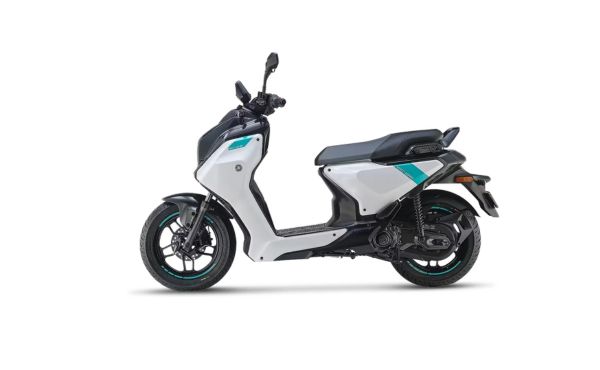
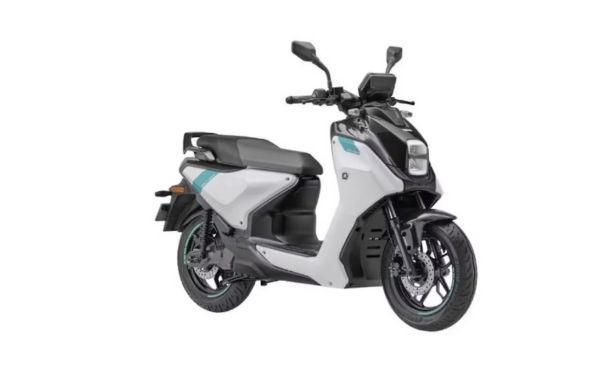
The Yamaha EC-06 keeps a clean, modern electric-scooter look that made the River Indie platform popular in India, but its design feels more polished and premium because of Yamaha’s styling. The scooter’s compact size, angular panels, and sculpted front give it a strong look without making it bulky or overdone. This helps the EC-06 appeal to Indian buyers who want a mature EV style.
The EC-06 stands out because Yamaha has balanced a sporty look with restraint. The scooter looks modern enough to attract younger riders, but it’s still refined for office travel and daily commuting. This matters in India, where one scooter often serves many purposes. The styling feels practical rather than just decorative, helping the EC-06 stay relevant even against newer, flashier rivals.
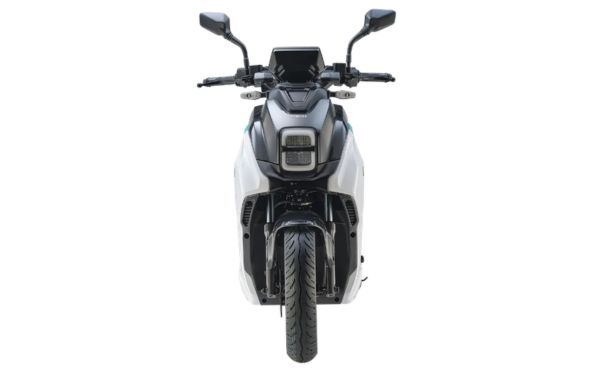
The front, vertically stacked dual-pod LED headlamp, and rear section are styled to look cohesive, and the blacked-out upper sections and triangular side panels add to the EC-06’s premium feel. While the design isn’t radically new, it updates the River Indie style in a way that feels both familiar and fresh, which suits Indian riders who want a scooter that looks solid without being too flashy.
Color Options And Variants
The EC-06 is offered in a single colour option for the Indian market, and this focused palette is part of its clean, premium positioning. Yamaha’s official e-shop and Indian motorcycle portals list the colour as
- Bluish White Pearl
(often shown as White or Bluish White), This gives the scooter a crisp, modern appearance.
This colour does more than just change the paint. It helps define the scooter’s personality because the bright, clean shade makes the EC-06 feel energetic and modern while keeping a premium, simple look. For Indian buyers, this simplicity matters because many want a scooter that matches their style without being hard to maintain or too flashy for daily use.
Yamaha may update the EC-06’s colours in the future to keep it fresh in the market, which matters in a segment where looks attract buyers. The result is a scooter that looks modern and appealing to many Indian riders, from younger commuters to those who want something more refined.
In India, the EC-06 range is currently offered in a single variant: the Standard model. Indian bike listings place this as the only trim available, with no separate base or top-end options at launch.
This single-variant approach matters because it makes buying easier for Indian customers. The Standard version comes fully loaded with the main features buyers expect from a premium electric scooter, such as a colour LCD console, connected app support, riding modes, and CBS brakes, so there’s no confusion about which trim to choose.
For Indian customers, the EC-06 Standard usually makes the best first impression in the showroom. It offers the full EC-06 experience in its most polished form, making it a natural choice for riders who want a premium electric scooter without having to compare multiple trims or packages.
Value For Money And Pricing
The Yamaha EC-06 is sold as a premium electric scooter in India, with an ex-showroom Delhi price of about ₹ 1,71,990. For buyers, the on-road price is more important because it includes registration, insurance, road tax, and other local charges, so the final amount can be higher than the base price. In several cities, the on-road price is estimated at ₹1.81 lakh to ₹1.85 lakh, depending on state EV subsidies, registration fees, and insurance costs.
This matters because the EC-06 isn’t just about the showroom price; it’s a city-specific purchase. In India, the same electric scooter can cost much more once you add on-road charges, so buyers should check local on-road pricing instead of just the base price. For many, the final price is the deciding factor between this Yamaha and a competitor with a lower on-road cost or better features for the money.
The EC-06 offers value in India mainly through its strong certified range, Yamaha brand trust, and premium finish, rather than a low starting price. It appeals to riders who want a more refined electric scooter and are willing to pay extra for Yamaha’s build quality, connected features, and overall polish.
Still, value for money depends on what you want from a premium electric scooter. If you want a Yamaha-backed EV with a long IDC-certified range, good features, and a clean, mature design, the EC-06 is a strong choice. But if you compare only on price or features, some rivals in the same range may look better on paper, especially those with removable batteries, faster charging, or lower prices.
The EC-06 is best for Indian riders who value the Yamaha brand, strong build quality, and long certified range. It offers better value for those who want a premium, dependable electric scooter from a trusted name, rather than just the cheapest option in the segment.
In India, the EC-06 competes with several established electric scooters in the premium 150–170 km IDC range bracket and the ₹1.5–₹2 lakh price band. The most relevant rivals include the
- River Indie
- Ather Rizta
- Bajaj Chetak
- TVS iQube Electric
- Honda Activa e
The River Indie is a direct competitor because the EC-06 shares its platform and offers similar performance and range, with a slightly more stripped-back, cost-focused positioning. The Ather Rizta attracts buyers who want a premium, tech-rich electric scooter with strong brand recall and a more feature-packed console.
The Bajaj Chetak offers multiple variants with different battery options and a strong service network, which appeal to cost-conscious buyers in the same segment. The TVS iQube Electric offers a balanced mix of performance, range, and features at a competitive price, while the Honda Activa e targets buyers who want the familiar Activa identity in an electric form, backed by a trusted brand.
Compared to these, the EC-06 stands out as the more premium Yamaha option. Its value comes from Yamaha’s brand image, refined finish, and long IDC-certified range, rather than the highest power or the lowest price in the segment.
Verdict
The Yamaha EC-06 earns its place in India by focusing on what most daily riders actually want: a smooth, predictable and easy-to-live-with electric scooter that feels premium without being complicated. Its refined motor, strong certified range, comfortable ergonomics, practical features, and solid build quality make it an attractive option for office commutes, college trips, and regular city use.
At the same time, the EC-06 makes the most sense for buyers who value refinement, brand trust and everyday usability over outright performance or the lowest possible price. For Indian riders looking for a stylish, efficient and dependable electric scooter that feels polished in daily life, the EC-06 remains a well-rounded and appealing choice.
Pros
- Strong certified range:: The EC-06 offers a 169 km IDC-certified range, which is one of the stronger numbers in its price bracket and adds real confidence for daily urban use.
- Premium build quality and finishing:The scooter is well put together, with neat panel gaps, solid plastics and a refined look that feels more premium than many startup EVs.
- Engaging ride and handling:The scooter feels stable and composed in city traffic and on twisty sections, with decent suspension tuning that manages typical Indian road undulations better than expected.
- Comfortable seat and upright posture:The seat is plush, and the riding position is upright and relaxed, which helps reduce fatigue during office commutes and regular city rides.
- Practical under-seat storage: The 24.5-litre under-seat space is enough for daily essentials and a smaller helmet, and the boot lamp adds convenience for night-time use.
- Clean colour LCD and connected features:The colour display presents key information clearly and supports Bluetooth connectivity with turn-by-turn navigation, which improves everyday usability.
- Yamaha brand trust: As Yamaha’s first major electric scooter in India, it benefits from strong brand recall and the perception of a mature, dependable product backed by an established manufacturer.
Cons
- Price feels high for the segment: the EC-06 is more expensive than the River Indie and some rivals, which can make it feel costly for what it offers.
- Limited storage compared to its platform sibling: The EC-06 lacks the front storage box found on the River Indie and has less under-seat space, which reduces its utilitarian appeal.
- Basic instrumentation and visibility issues: The LCD console is functional but simple, and legibility in bright sunlight is not ideal; a lighter theme is preferred.
- The ride can feel firm on bad roads: The suspension is tuned towards the stiffer side, so larger bumps and rough patches are felt more than on some softer-riding commuter scooters.
- Braking lacks initial bite: The front brake feels adequate overall but lacks strong initial bite, which can make riders use both brakes together for confident stopping.
- Eco mode feels dull: acceleration is noticeably slower, and many riders will prefer Standard or Power mode for normal city overtaking and inclines.
- Value proposition depends on brand loyalty: The premium over rivals is easier to justify for Yamaha loyalists who value the badge and finishing, but price-sensitive buyers may find better value in cheaper options with similar performance.
Other Related Links From Bikeleague India
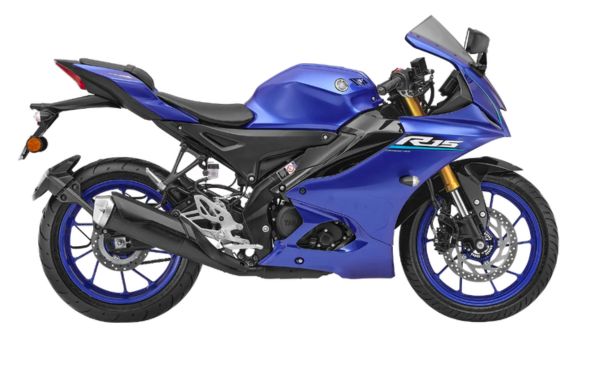
List Of All Yamaha Motorcycles In India
About Yamaha Motorcycles
Yamaha is known as one of India’s top two-wheeler brands, thanks to its Japanese engineering, sporty looks, and focus on performance and style. Over the past 40 years, Yamaha has grown from a technical partner to a full manufacturer with local production, research and development, and a strong dealer network. This has made Yamaha important in both commuter and premium motorcycle markets.
History And Growth
Yamaha started its journey in India in 1985 by helping the Escorts Group make motorcycles. In 1996, Yamaha and Escorts formed a 50:50 joint venture called Escorts Yamaha Motor Ltd (EYML). In 2001, Yamaha Motor India became fully owned by Yamaha Motor Co., Ltd., Japan, giving it complete control in India. In 2008, Mitsui & Co. became a joint investor, and the company was renamed India Yamaha Motor Private Limited (IYM), which is still Yamaha’s main company in India.
Key Milestones And Developments
Several milestones mark Yamaha’s journey in India:
- 1985: Initial entry through technical collaboration with Escorts Groups
- 1996: Formation of the 50:50 joint venture with Escorts.
- 2001: Yamaha Motor India becomes a 100% subsidiary of Yamaha Motor Co., Japan.
- 2008: Mitsui & Co. becomes a joint investor, and IYM takes its current form.
- 2015: Inauguration of a third manufacturing plant near Chennai (Vallam Vadagal), expanding Yamaha’s capacity and strengthening exports.
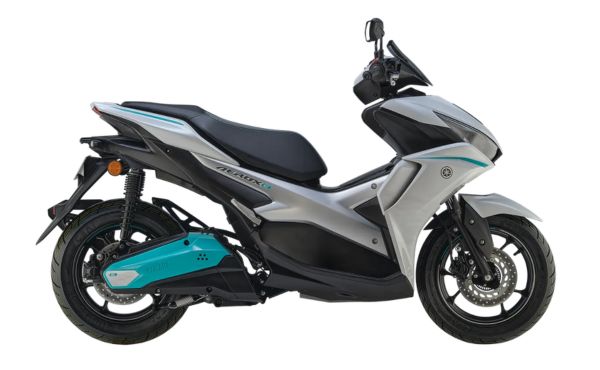
- 2025–2026: Launch of Yamaha’s first electric scooters (AEROX-E and EC-06) and a major product push with around 10 new models and multiple updates planned by the end of 2026.
Yamaha has created well-known models like the RX 100 and RX 135 in its early years. Later, it introduced the YZF-R15, FZ series, MT-15, and RayZR/Fascino scooters, which helped shape Yamaha’s reputation for performance and style in India.
Manufacturing Facilities
Yamaha runs several advanced factories in India that supply both the local market and exports:
- Surajpur (Uttar Pradesh): A key plant for motorcycles and scooters, also housing Yamaha’s R&D operations in India.
- Faridabad (Haryana): Another major manufacturing hub for motorcycles and components, serving domestic and overseas markets.
- Chennai (Vallam Vadagal, Tamil Nadu): Opened in 2015, this plant mainly makes scooters and some motorcycles. It also exports to Africa, ASEAN, and Latin America. Recent investor updates show that Chennai is becoming an important global center for premium motorcycles and scooters.
IYM has the facilities to make motorcycles, scooters, and parts. It handles machining, welding, electroplating, painting, and assembly in-house, and employs over 2,300 people.
Market Position And Achievements
Yamaha is a strong player in India’s 125cc and above motorcycle and scooter market. The company focuses on performance, design, and a premium feel instead of just selling large numbers. Yamaha has over 1,200 customer touchpoints across India, including about 400 dealers and more than 550 Blue Square dealerships for premium products and electric vehicles.
Recently, models like the RayZR, FZ series, MT-15, and YZF-R15 have boosted Yamaha’s sales. The RayZR has become the top seller, making up over 35% of total sales in 2025. Yamaha aims for double-digit growth by focusing more on scooters, premium motorcycles, and exports. It is known as a top choice for riders who want sporty looks and strong performance.
Future Plans
Yamaha’s future plans in India focus on offering more premium products, moving into electric vehicles, and launching many new models:
- Electric mobility: Yamaha has started selling electric scooters in India, including the AEROX-E for performance and the EC-06 for commuting. At first, these will be sold in big cities and about 50 markets where electric vehicles are already popular. Yamaha will roll out these products step by step, making sure dealers and service are ready, and will focus on keeping a premium brand image instead of offering the lowest prices.
- New models: Yamaha plans to launch about 10 new two-wheelers in India by the end of 2026, including both electric and petrol models. There will also be over 20 updates to current products. Some new models expected in 2026–2027 are the Lander 250, MT-09, MT-07, Nmax 155, YZF-R7, YZF-R9, and Tenere 700, which will boost Yamaha’s premium and mid-size range.
- Strategic focus: Yamaha will keep working in the 125cc and above scooter market and the 150cc and above motorcycle market. The company wants to create new types of products, improve technology, and make riding better for customers. Chennai is being developed as a global center for premium two-wheelers, helping both local and export sales.
With this plan, Yamaha is making India a key part of its global growth. The company is balancing its strong background in performance motorcycles with a careful move into electric vehicles and premium scooters.
Other Related Links From Bikeleague India
User Reviews
There are no reviews yet. Be the first one to write one.

Hiran Narayanan
Founder & CTO at Bikeleague India
Hiran Narayanan is the Founder and CTO of Bikeleague India, bringing over 15 years of experience in motorcycle technical writing. He develops detailed analyses, tools, model overviews, and blogs that contribute to bikeleague.in's improving rankings.