BSA
List Of All Bsa Motorcycles
About Bsa Motorcycles
BSA Motorcycles is a classic British brand that still means a lot to motorcycle fans. Its comeback in India blends nostalgia, brand history, and smart business, making it stand out from other launches. In India, BSA is seen as a premium retro brand, not a mass-market player, which helps it stand out in a busy market.
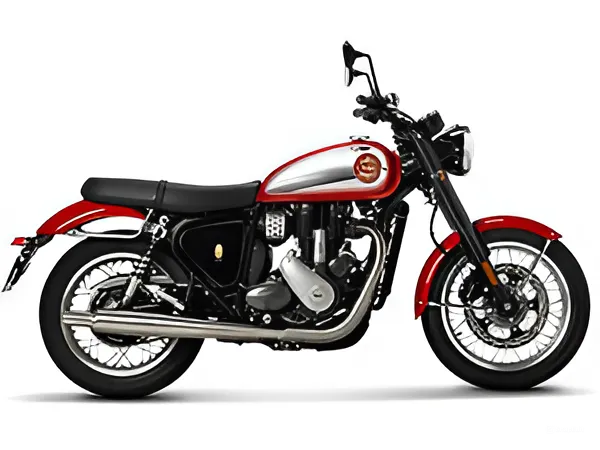
BSA’s return to India centers on the Gold Star 650, a bike that shows off the brand’s heritage and meets today’s riding needs. It’s made for people who want a motorcycle with personality, classic looks, and a strong presence on the road. The Gold Star 650 also brings another respected name to India’s growing middleweight motorcycle market, where riders care about both performance and the story behind the brand.
BSA’s arrival matters because premium motorcycles are becoming more popular in India. Riders now want more than just a way to get around—they look for style, performance, something unique, and a brand that feels special. BSA aims to meet those expectations.
History And Growth
BSA started out in Britain in the early 1900s, with its motorcycle division set up in 1903. The first BSA bike debuted in 1910, and the brand quickly became one of the best-known motorcycle brands worldwide. At its peak, BSA was famous for reliable engineering, racing success, and a strong presence on both roads and tracks.
A key part of BSA’s history is the Gold Star badge, which became a symbol of performance and prestige. It reached legendary status after Wal Handley won it in 1937, helping BSA earn a reputation as a serious racing brand. This heritage later became one of BSA’s biggest strengths, especially when the brand was revived for today’s markets.
BSA faced many years of decline and was inactive until Classic Legends brought it back. The brand relaunched in 2021, starting in Europe and the UK before moving into markets like India. This comeback was more than just reviving an old logo—it rebuilt BSA with a modern motorcycle and a global business plan.
BSA’s return to India is important because it’s not a new brand here. It comes back with decades of history and recognition, which gives it an emotional edge—especially for riders who appreciate motorcycle heritage and classic style.
Key Milestones And Developments
A major milestone in BSA’s recent story was bringing back the Gold Star name. Making this badge the first new product helped link BSA’s history with its modern plans. It also gave younger riders a new way to connect with the brand, even if they never saw the original BSA bikes.
Another big moment was the official launch of the Gold Star 650 in India on August 15, 2024. This event marked BSA’s real return to one of the world’s top motorcycle markets. The timing was important, as India’s middleweight motorcycle segment is growing fast and premium retro bikes are getting more popular.
Launching in India also showed that BSA sees the country as more than just a test market. Industry talk in early 2024 pointed to India becoming a main focus for BSA’s growth. There were even rumors that BSA might develop twin-cylinder bikes or electric models, hinting that its future could go beyond just the Gold Star lineup.
Another key point is that BSA’s comeback is part of Classic Legends’ bigger motorcycle plan. BSA isn’t working alone—it shares manufacturing, branding, and market support with Jawa and Yezdi. This shared setup provides BSA with a stronger foundation for long-term growth.
Manufacturing Facilities
BSA’s operations in India are closely connected to Classic Legends’ factory in Pithampur, Madhya Pradesh. This plant already makes Jawa, Yezdi, and BSA bikes. Sharing this facility helps the company work more efficiently and keep better control over quality and supply.
The Gold Star 650 was already being made at this plant for export before it launched in India. This meant BSA didn’t have to set up a new production line for India. Using the existing setup helped launch the bike faster and lowered business risks.
Making bikes locally is important in India because it keeps prices down. Imported motorcycles often cost more due to taxes and shipping, but local production makes premium bikes easier to afford. For BSA, this is a real advantage over other heritage brands that mostly import their bikes.
The Pithampur factory also shows BSA’s long-term commitment to India. It proves the brand wants more than just to sell bikes—it aims to build a lasting presence here. This plant will likely be important if BSA adds new models in the future.
Market Position And Achievements
In India, BSA is seen as a premium modern-classic brand. It targets riders who care about style, heritage, and character—not just getting from place to place. The brand especially attracts enthusiasts who want a bike with a strong identity and a link to British motorcycle history.
The Gold Star 650 is BSA’s main offering in India. It’s aimed at the 600cc-750cc middleweight segment, which is one of the most competitive areas in Indian motorcycling. Here, riders compare things like performance, smoothness, brand value, and what it’s like to own the bike before choosing.
Royal Enfield is still the standard in this segment, but BSA offers something different. While Royal Enfield has a wide retro appeal, BSA highlights its British roots and a more exclusive feel. This helps BSA attract buyers looking for something less common and more unique.
One of BSA’s first big achievements is making a successful comeback in a tough and crowded market. Launching a locally made premium bike in India isn’t easy, especially with strong competitors already there. The brand has also caught attention worldwide, which boosts its image in India as part of a bigger international revival.
Future Plans
BSA’s future in India will likely depend on how well the Gold Star 650 does. If it becomes popular, the brand will have a better chance to launch more bikes. So, the Gold Star is not just a product—it’s a test for BSA’s long-term plans in India.
Industry reports say BSA might add more models in the future, like a Scrambler, an electric bike, and maybe a Bantam 350. This means the brand could go beyond just one retro bike and build a fuller lineup. Expanding like this would help BSA reach more riders while keeping its classic style.
There’s also talk about Classic Legends working on twin-cylinder bikes. If that happens, BSA could move up in the premium market and compete with bigger, well-known brands. This would also give the company more options in performance, pricing, and the types of bikes it offers.
In 2026, Classic Legends improved its service and training by opening a national training center in Pithampur. This matters because premium bike buyers expect good after-sales support, skilled mechanics, and reliable service. A stronger support network will be key if BSA wants to move beyond a niche market and become a bigger name in India.