
Introduction
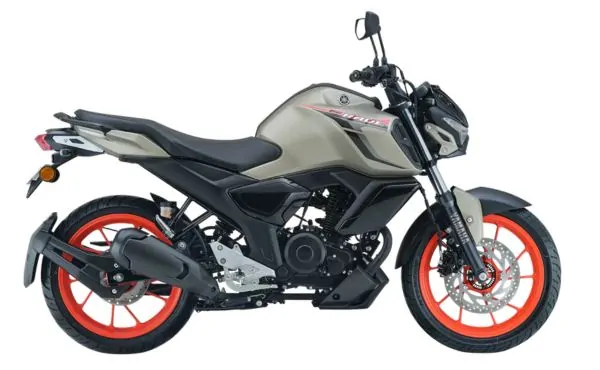
The Yamaha FZ Rave is Yamaha Motor India’s newest version of the FZ series, aimed at busy commuters. It’s made for riders who want a simple, easy-to-handle bike with Yamaha’s smooth ride, low running costs, and a modern look. Instead of packing in lots of features or chasing high performance, the FZ Rave keeps things practical for daily use, which is what many Indian buyers prefer. In India, bikes are popular because they balance price, fuel efficiency, comfort, and reliability for city riding. The FZ Rave builds on the trusted 149cc FZ base and adds some modern touches. It should appeal to riders moving up from smaller bikes or those looking for a practical second bike for everyday use.
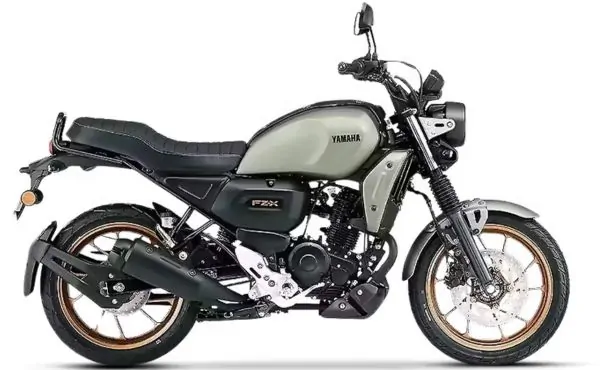
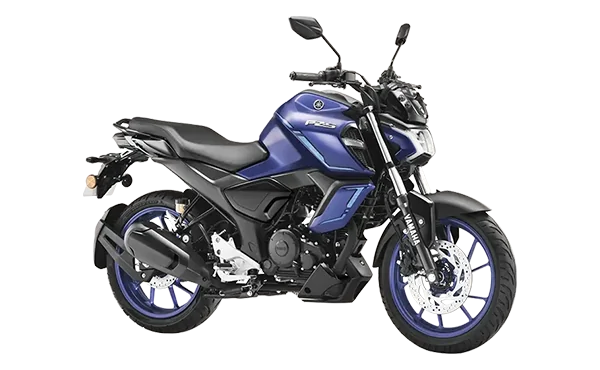
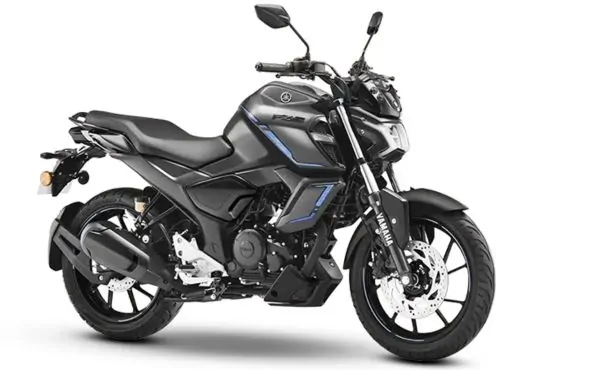
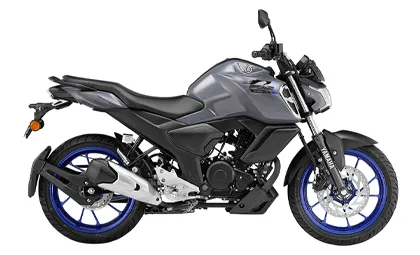
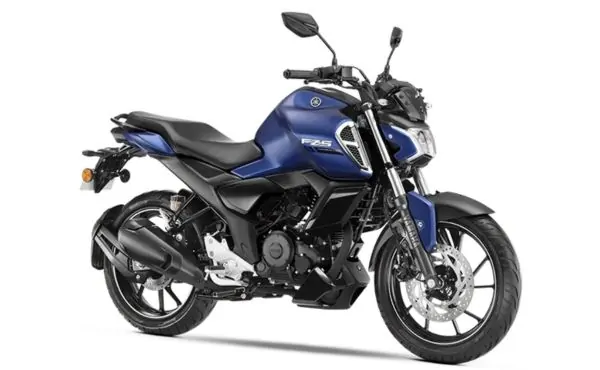
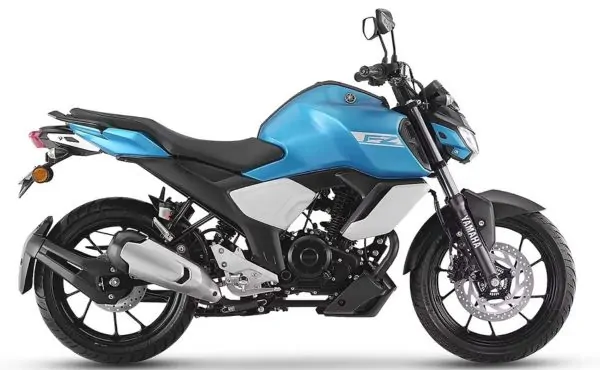
Gallery
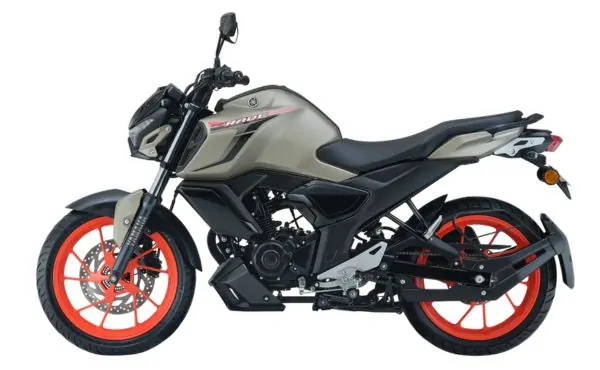
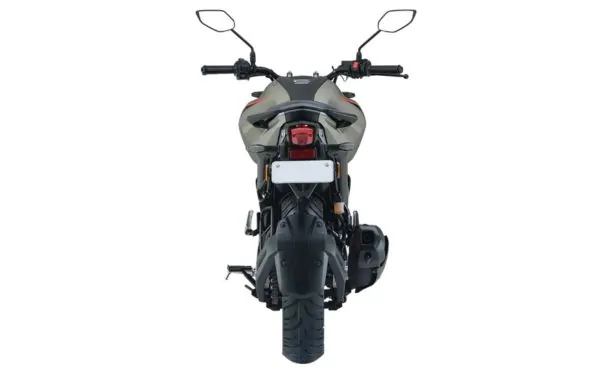
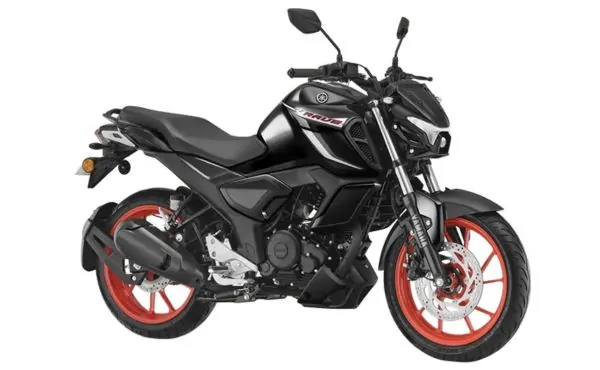
Key Specifications
Displacement
149cc
Mileage
42-50km/l
Power
12.4PS @ 7,250rpm
Torque
13.3Nm @ 5,500rpm
Fuel System
Fuel injection
Tank Capacity
13 liters
Rear Suspension
7 Swingarm
Kerb Weight
136Kg
Ratings
- 90%
Performance
- 90%
Features
- 85%
Handling
- 90%
Comfort
- 95%
Build Quality
- 95%
Styling
- 95%
Value for Money
- 91%
Total
Ratings calculation is purely based upon pros and cons of the model given below in the overview section.
Price

Special Features
1
Single Channel Abs
2
Negative Lcd Console
3
Two-level Seat
4
Led Headlight
5
Under Cowl
6
Chrome Duct Plating
7
140mm Radial Tyre
8
Monocross Suspension
9
Midship Muffler Cover
10
Powerful Fi Engine
11
282mm Rear Disc Brake
12
Blue Core Technology
Full Specifications
| City | 42-46km/l |
| Highway | 46-50km/l |
| Tyres (F) | 100/80-17M/C 52P - Tubeless |
| Tyres (R) | 140/60R-17M/C 63P - Tubeless |
| Brakes (F) | Disc Brake(282mm) |
| Brakes (R) | Disc Brake(220mm) |
| Wheelbase | 1,330mm |
| Ground Clearance | 165mm |
| Length x Width x Height | 1,990mm X 780mm X 1,080mm |
| Kerb Weight | 136kg |
| Fuel Capacity | 13L |
| Engine Type | Air cooled, 4-stroke, SOHC, 2-valve |
| Displacement | 149cc |
| Power | 12.4PS @ 7,250rpm |
| Torque | 13.3Nm @ 5,500rpm |
| Bore x Stroke | 57.3mm x 57.9mm |
| Compression Ratio | 9.6:1 |
| Fuel Supply | Fuel Injection |
| Transmission Type | Constant mesh, 5-speed |
| Clutch Type | Wet, multi-disc |
| Speedometer | Digital |
| Tachometer | Digital |
| Tripmeter | Yes |
| Fuel Guage | Yes |
| Low Fuel Indicator | Yes |
| Low Battery Indicator | No |
| Low Oil Indicator | No |
| Start Type | Electric |
| Kill Switch | Yes |
| Clock | Yes |
| Pass Light | Yes |
| ABS | Yes |
| Stand Alarm | Yes |
| Front Suspension | Telescopic Fork |
| Rear Suspension | Swingarm |
| Battery | 12V,3.0Ah(10HR) |
| Head Lamp | LED |
| Brake/Tail Light | 12V,21/5W x 1 |
Yamaha Videos
[slide-anything id=”42070″]
Overview
Performance And Engine
The FZ Rave runs on Yamaha’s 149cc, air-cooled, fuel-injected single-cylinder engine, which is known in India for being smooth, reliable, and easy to look after. For India, it produces 12.4 PS at 7,250 rpm and 13.3 Nm at 5,500 rpm, putting it firmly in the commuter bike group. The engine is set up to give a steady, predictable response at low and mid speeds, making it great for city traffic.
This engine isn’t about strong power, but about being smooth and easy to use. It feels relaxed at normal speeds, so you don’t have to keep changing gears or revving high in traffic. This makes it a good choice for new riders, office commuters, and anyone who prefers comfort over excitement.
This tuning is important for Indian roads. The bike is comfortable in heavy traffic, for short trips, and on open roads where smooth throttle response is more helpful than sudden power. If you want fast acceleration or a strong rush at high speeds, you might find the bike a bit calm, but that’s what keeps it efficient and easy to ride.
The Yamaha FZ Rave has a 5-speed manual gearbox, which is a common and practical choice for this type of engine. Having five gears makes the bike easy to ride and helps new riders move up from smaller bikes. In city traffic, this means the clutch is easier to use, shifting is simpler, and riding is less tiring.
The gearbox is made for convenience, not speed. Since the engine gives its best power at low and mid speeds, you don’t need to rev it hard or shift gears a lot. This suits Indian roads, where you often stop, deal with slow traffic, and change lanes quickly.
This type of gearbox also makes the bike easy for many riders to handle. On short highway rides, 5th gear lets you cruise comfortably, but it’s mainly designed for city use. The goal is smooth riding, easy control, and less tiredness, not fast acceleration.
The Yamaha FZ Rave isn’t meant to be a fast bike, and its top speed shows that. In India, it usually reaches 100–115 km/h, which is enough for daily commuting and the occasional highway trip. The engine and gears are set up for practical speeds, not for hitting high numbers.
In daily use, the FZ Rave feels best at moderate speeds. It’s comfortable cruising at normal highway speeds, but at higher speeds, the 149cc engine can feel a bit pushed. For most Indian riders, this isn’t a problem, since the bike is mainly for city rides and short trips between towns.
Mileage And Fuel Efficiency
The FZ Rave’s ARAI-claimed mileage is 56 kmpl, which is impressive for a 149cc bike. This focus on fuel efficiency is a big reason why the FZ is popular, making the Rave a smart choice for people who care about fuel costs. Good mileage matters in India, where commuting can be expensive. The Rave’s strong fuel economy and easy ride are great for commuters and anyone on a budget. ARAI tests are done in labs, so real-life mileage is usually lower, but this number still sets a good standard and shows the bike is efficient, which is what buyers want in a commuter.
In real Indian conditions, you’ll get less mileage than the ARAI figure, but it’s still good—usually in the high 40s if you ride gently, and less in heavy traffic. This puts the FZ Rave on par with other commuter bikes. Your mileage depends on how and where you ride. Riding smoothly and at moderate speeds gives better results, while aggressive riding or heavy traffic lowers them. The FZ Rave’s calm setup helps careful riders save more fuel. It’s not the most fuel-efficient bike ever, but it’s a smart choice for daily commutes, errands, and weekend rides without needing to refuel often. It offers good efficiency along with Yamaha’s easy riding experience.
Features And Technology
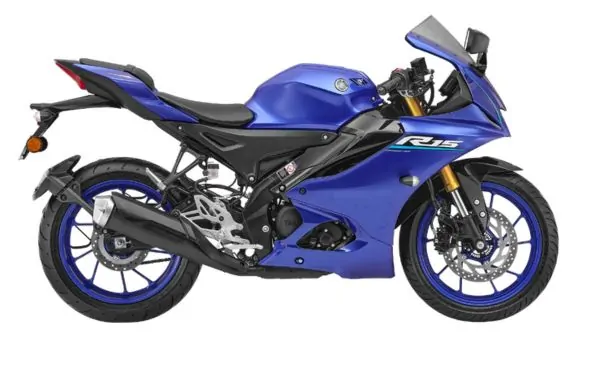
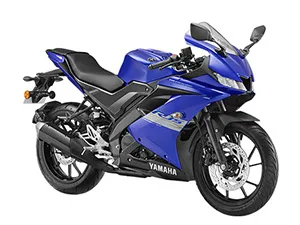
The Yamaha R15S is Yamaha’s practical entry point into the R15 family in India, bringing sportbike-style hardware and features to riders who want a premium feel without stepping up to a more expensive model. It blends the brand’s Racing DNA with everyday usability through its 155cc liquid-cooled engine, VVA tech, assist-and-slipper clutch, dual-channel ABS, and connected features, making it a strong option for Indian riders who want a bike that works well in both city traffic and on open roads.
- Y-Connect App phone notifications on display: The Yamaha Y-Connect App allows basic phone notifications to appear on the R15S instrument cluster, so riders can check call and SMS alerts without taking their eyes off the road. In Indian traffic, that is especially useful because it reduces the need to keep reaching for the phone. The feature also makes the bike feel more modern and better suited to everyday commuting.
- Dual-channel ABS as standard: The R15S gets dual-channel ABS on both wheels, which improves braking confidence on dry, wet, or dusty roads. This matters in India because grip levels can change suddenly due to traffic, road dust, rain, or patchy surfaces. It gives the bike a safer and more reassuring braking setup for city use and highway rides.
- Variable Valve Actuation (VVA) engine: Yamaha’s VVA system uses two intake cam profiles, one for low-to-mid rpm and another for high rpm, switching between them around 7,400 rpm. This helps the engine stay responsive in traffic while still pulling well at higher revs on open roads. For Indian riders, that means a more flexible bike that works well in both stop-and-go conditions and faster runs.
- 155cc E20-compatible liquid-cooled engine with fuel injection: The R15S uses a 155cc, liquid-cooled, 4-stroke, SOHC, 4-valve fuel-injected engine that is designed to run on E20 petrol. This keeps it aligned with current fuel standards in India while also supporting efficient and reliable operation. It produces 18.4 PS at 10,000 rpm and 14.2 Nm at 7,500 rpm, giving it a strong balance of performance and refinement.
- 6-speed gearbox with assist and slipper clutch: The 6-speed constant-mesh gearbox helps the R15S stay relaxed in both city traffic and on highways. The assist function reduces clutch effort, which makes repeated shifting in traffic less tiring. The slipper function also helps prevent rear-wheel hop during hard downshifts, making the bike easier to control for newer sportbike riders.
- All-LED lighting with a sporty design: The LED headlamp and LED taillight improve visibility at night and help the bike stand out in traffic. They also give the R15S a sharper, more premium appearance that suits its sportbike character. In Indian conditions, this combination of style and practicality adds real value.
- Multi-function LCD instrument cluster with gear-shift indicator: The digital cluster displays key riding information, including gear position, gear-shift prompts, trip data, odometer readings, and fuel-efficiency details. This makes the bike easier to monitor in daily use and helps riders shift at the right time. In bright Indian sunlight, a clear digital display is a practical advantage.
- Side-stand indicator with engine cut-off function: The side-stand warning and engine cut-off are useful safety features that stop the bike from being ridden with the stand still down. This helps avoid mistakes in crowded parking lots, traffic stops, and quick starts in Indian conditions. It is a simple feature, but one that adds everyday peace of mind.
- 282 mm front disc brake with dual-piston caliper: The 282 mm front disc with a dual-piston caliper delivers strong stopping power. That is important on Indian roads, where sudden braking may be necessary to avoid traffic, pedestrians, or unexpected obstacles. It also supports the bike’s sporty character by giving the front brake a confident feel.
- 220 mm rear disc brake with single-piston caliper: The 220 mm rear disc helps maintain balanced, controlled braking, especially during slower city riding. When paired with the front brake and ABS, it gives the bike a stable stopping setup for daily use. This is especially helpful in Indian stop-and-go traffic, where smooth braking matters a lot.
- 17-inch alloy wheels with tubeless tyres: The 17-inch alloy wheels give the R15S a sporty stance and practical durability. Tubeless tyres are a major advantage in India because punctures are generally easier to manage and less stressful than with tube-type tyres. Together, they improve both convenience and confidence for everyday riders.
- 100/80-17M/C 52P front tyre for precise handling: The front tyre is sized for quick steering response and sharp turn-in. This helps the R15S feel agile in city traffic and stable enough on highways to ride in a controlled manner. It also supports grip in mixed Indian road conditions, where surface quality can change frequently.
- 140/70R17M/C 66H super-wide radial rear tyre: The wide rear radial tyre adds grip and helps the bike feel planted during hard acceleration and cornering. It also gives the R15S a more serious sportbike look, which is a big part of its appeal. For Indian riders, that extra traction is useful on fast sections of road and during quick lane changes.
- Linked-type Monocross rear suspension: The linked-type Monocross suspension is tuned to support sharp handling and better stability through corners. Its preload adjustability also helps riders adapt the bike to different loads and road conditions. In India, that makes it more practical for mixed use, from smooth roads to rough patches and speed breakers.
- Deltabox frame for superior rigidity: Yamaha’s Deltabox frame is one of the most important parts of the R15S package. It helps the bike feel stable, precise, and confidence-inspiring when cornering or riding at speed. For Indian riders, that translates into a motorcycle that feels composed in traffic and reassuring on twisty roads.
- 142 kg kerb weight for light handling: At around 142 kg, the R15S remains relatively light for a sportbike. This helps in slow-speed manoeuvring, parking, and quick direction changes, all of which matter a lot in Indian cities. The lighter feel also makes it easier for riders upgrading from smaller motorcycles.
- 170 mm ground clearance for Indian roads: The 170 mm ground clearance helps the bike deal with speed breakers, broken patches, and uneven rural roads. It reduces the risk of scraping and gives riders more confidence on imperfect Indian surfaces. That makes the R15S more usable in real-world conditions, not just on smooth roads.
Build Quality
The Yamaha FZ Rave continues the dependable, familiar build quality that the FZ range is known for in India. It feels well put together, with a solid frame and body fit that works well for daily commuting and repeated use in Indian conditions. This is important because riders in this segment usually want a bike that feels sturdy over time, not just one that looks premium at first.
One key part of its build is how Yamaha has kept the motorcycle mechanically simple and visually clean. This simplicity works well in India’s commuter market because fewer complicated parts usually mean easier ownership and less hassle in daily use. The bike’s light kerb weight also helps it feel well-balanced, as it’s easy to handle without feeling cheap or flimsy. For Indian buyers, this balance between lightness and strength is a good sign of quality.
The FZ Rave also benefits from Yamaha’s reputation for durable commuter bikes. It’s built for regular traffic, short city rides, and everyday use, not just for show. In practical terms, this means the bike should handle parking, frequent starts and stops, and the rough conditions often found on Indian roads.
Handling
Handling is one of the FZ Rave’s strong points for Indian roads. The bike feels light, easy to control, and gives you confidence in city traffic, which is just what most Indian commuters want. Its easy feel makes lane changes, U-turns, and moving through heavy traffic less tiring, especially for daily riders.
The chassis is tuned for stability and ease rather than aggressive sportiness. The bike stays stable at cruising speeds and doesn’t feel shaky over bumps or rough patches. This stability is valuable in India, where road surfaces can quickly change from smooth to rough or broken.
The suspension is also important for the FZ Rave’s handling. It’s soft enough to be comfortable on everyday roads, helping the bike absorb bumps and rough patches without making the rider uncomfortable. At the same time, the bike still feels controlled through corners, so it doesn’t come across as too soft. This gives the FZ Rave a good balance: easy in traffic, stable on open roads, and friendly for new riders.
Comfort
Comfort is one of the FZ Rave’s biggest strengths for daily use in India. The upright, relaxed riding position reduces strain on your wrists, shoulders, and lower back during regular commuting. This makes the bike easy to use in stop-and-go city traffic, where a tiring riding posture can become a real problem over time.
The seat and ergonomics are made for real-world Indian use, not for a racing posture. The bike works well for short to medium rides and feels comfortable for many riders. While it’s not meant for long-distance touring, it offers enough comfort for office commutes, errands, and weekend rides without being uncomfortable.
Ride quality also adds to the comfort. The suspension handles potholes, rough patches, and speed breakers well, which are common on Indian roads. This kind of suspension matters more than fancy specs because it directly affects how tired you feel and your confidence while riding. For most buyers, the FZ Rave is designed to give calm, easy comfort rather than luxury softness, which makes sense for the Indian market.
Styling
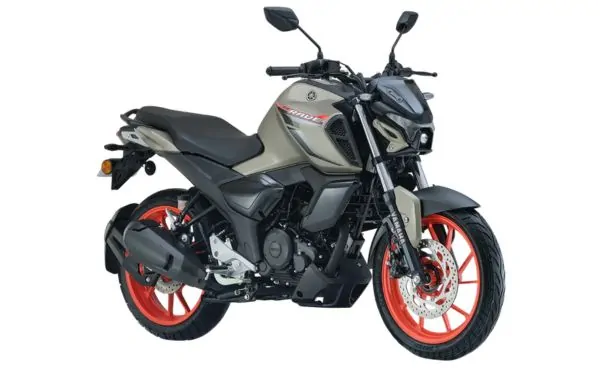
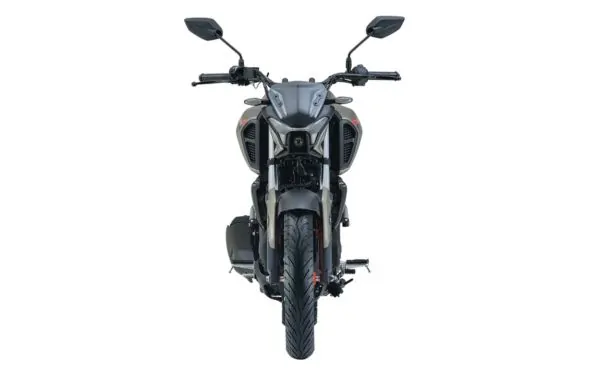
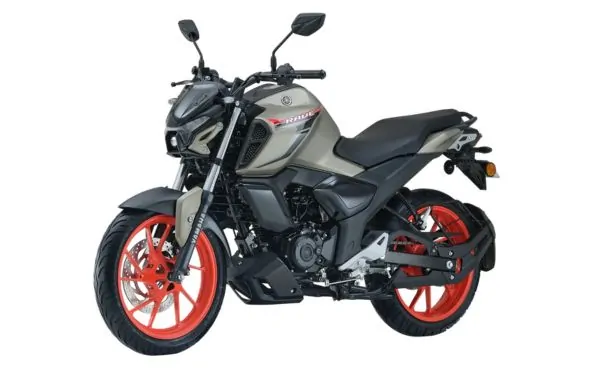
The Yamaha FZ Rave is presented in India as a fresh update to the familiar FZ style, and its looks are the first thing Yamaha wants buyers to notice. The biggest change is the front, where the bike gets a sharper headlamp design that gives it a more aggressive and modern street look. This makes the bike stand out more than a standard commuter while still keeping the practical shape that Indian riders usually like.
The rest of the bodywork is clean and compact, which works well for India. The FZ Rave has a muscular tank, neat lines, and a simple rear section that avoids looking cluttered. This balance makes the bike look sporty without being too busy or intimidating for everyday riders. In traffic, this design gives the bike enough personality to stand out while keeping the familiar FZ feel.
Another strength of the design is that Yamaha hasn’t overdone the changes. Instead of making a completely different bike, they’ve given the FZ Rave a new look and a slightly younger feel while keeping the commuter-friendly shape. This matters in India, where many buyers want a bike that looks premium but still feels sensible and familiar. The result is a styling update that feels thoughtful rather than flashy.
Colour Options And Variants
In India, the FZ Rave is offered in two colours:
- Matte Titan
- Metallic Black
Both are practical choices for this segment because they are easy to keep looking good and match the bike’s street-focused design. The matte option gives the bike a more modern, urban feel, while the darker metallic finish adds a more premium and subtle look.
Having only two color options also helps the model keep a strong identity. Instead of offering many finishes, Yamaha chose two shades that match the Rave’s sharp styling and commuter focus. This makes the bike easy to understand and helps Indian customers decide, since most choose based on looks and practicality rather than lots of trim options.
There is also a practical side to the colour strategy. Fewer options usually mean a cleaner product identity and less confusion in showrooms, which can matter in a market where buyers often compare several bikes in the same visit. For many Indian riders, the choice will likely come down to whether they prefer a lighter matte finish or a darker, more classic black look. Both options suit the FZ Rave’s role as a modern commuter with a stronger visual edge than the average 150cc bike.
The Yamaha FZ Rave is sold in India as a single variant, which keeps things simple. Only the Standard version is available, so buyers don’t have to choose between different trims or features. This simplicity is helpful in the commuter segment, where many customers want an easy buying process and a clear idea of what they’re getting.
Having just one variant also shows that Yamaha wants the FZ Rave to be seen as a focused product, not one with lots of options. By limiting it to one hardware spec and two colors, the company makes it easier to position in the Indian market. This usually makes things clearer in showrooms and helps buyers who mainly want a good-looking, practical city bike make a quick decision.
The downside of having just one variant is that there’s no higher-spec option within the model. So if a buyer wants more features or more color choices, they’ll need to look at other bikes in the segment. Still, for most Indian customers in this price range, the FZ Rave’s simple structure is a plus because it makes the bike easy to compare, buy, and understand.
Value For Money And Pricing
The Yamaha FZ Rave is priced in India as an affordable entry into the FZ family, at ₹ 1,25,080 ex-showroom. This means it’s not the cheapest 150cc bike in India, but it’s competitively priced for a Yamaha commuter with a stronger look.
In Delhi, the FZ Rave’s on-road price is around ₹1.31 lakh to ₹1.38 lakh, depending on the exact breakups used. That breakup typically includes the ex-showroom amount, RTO charges, and insurance. For example, the ex-showroom price may be ₹1,19,500, RTO ₹10,060, and insurance ₹8,191.
In practical terms, the price is aimed at riders who want more than a basic commuter but don’t want to pay for a much more expensive performance bike. The single-variant setup also keeps the buying process simple and avoids confusion over different trims. Since there’s just one hardware spec, the main question is whether the buyer likes the design and is willing to pay a bit more for Yamaha’s brand, build quality, and city-friendly feel.
The FZ Rave’s value in India is best for buyers who want a practical commuter with a fresh look and familiar Yamaha parts. It offers a good mix of everyday usability, decent features, and a clean, modern design without moving into premium-bike prices. This makes it appealing to riders upgrading from a smaller commuter or looking for a second city bike that’s easy to live with.
Value also depends on how much a buyer cares about brand trust and easy long-term ownership. The FZ Rave is a familiar, dependable bike with a new look, which is often just what commuter buyers want. If you judge it by features for the price, it does well; if you only look at specs, some other 150–160cc bikes may offer more performance or features. So, its value is best for buyers who want a balanced city bike, not just the highest specs.
In India, the Yamaha FZ Rave sits in a busy 150–160cc commuter-sport space, so it has several direct rivals. Commonly mentioned competitors include the
- Bajaj Pulsar N160
- Bajaj Pulsar NS160
- TVS Apache RTR 160
- TVS Apache RTR 160 4V
- Bajaj Pulsar 150
These bikes are close enough in price and intent that Indian buyers will naturally compare them side by side in showrooms and online.
Competition matters because many rivals offer a different mix of features. Some focus more on performance, while others aim for comfort, a premium feel, or family appeal. The FZ Rave stands out by combining Yamaha’s familiar commuter base with a sharper front design and a younger look. This makes it a good choice for riders who want a stylish, easygoing city bike instead of a more aggressive streetfighter.
The TVS Apache RTR 160 and Bajaj Pulsar N160 are probably the closest alternatives for Indian buyers, as they are priced similarly and target the same commuter-sport audience. Yamaha’s own FZ-S FI and FZS FI V4 are also good internal options, especially for those who want the FZ family look with different features or style. This makes the FZ Rave’s position clear: it’s a style-focused, city bike in a segment where there are many choices, but identity is important.
Verdict
The Yamaha FZ Rave stands out in India as a simple, practical, and stylish commuter that gets the basics right. With its familiar 149cc engine, easy handling, good mileage, and fresh street-focused design, it suits riders who want an everyday bike that’s easy to own and use. Its single-variant approach, limited color choices, and reasonable price make it a clear choice for buyers who value simplicity, convenience, and brand trust over lots of features.
At the same time, the FZ Rave isn’t trying to be the most powerful or feature-packed bike in its class, and that’s where its appeal is more focused. Buyers who want more performance, premium features, or a bigger road presence might prefer other options, but riders looking for a calm, efficient, and good-looking city bike will likely appreciate what Yamaha offers here. In India, where daily usability matters more than flashy specs for many commuters, the FZ Rave stands out as a dependable and sensible urban bike.
Pros
- Proven 155cc VVA liquid-cooled engine: Shares the same 155cc, liquid-cooled, 4-valve, VVA engine as the R15/MT-15, delivering about 18.4 hp at 10,000 rpm and 14.2 Nm at 7,500 rpm, with strong mid-range and an engaging top-end for Indian city and highway use.
- Lightweight and easy to handle: With a kerb weight of around 137 kg, the XSR 155 is lighter than its R15 and MT-15 siblings, making it extremely nimble in traffic and easy to manage for newer riders in Indian cities.
- Excellent real-world fuel efficiency: Real-world mileage is in the 44–53 kmpl range, with gentle riding easily returning 45–50+ kmpl, and some riders seeing around 53 kmpl and ~500 km range from the 10-litre tank.
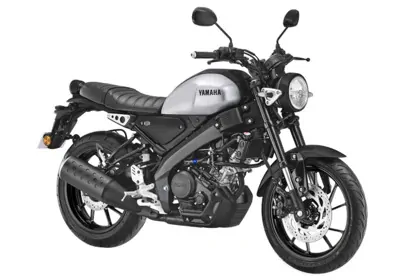
- Retro styling with modern hardware: Offers a distinctive neo-retro look—round LED headlamp, bench seat, teardrop tank—combined with modern elements like USD forks, Deltabox frame, and digital console, giving strong “big-bike” visual appeal in a compact package.
- Full safety package (dual-channel ABS + traction control): Comes with dual-channel ABS and traction control as standard, rare in the 155cc class, helping prevent wheel lock-up and rear-wheel spin on wet or uneven Indian roads.
- 6-speed gearbox with light clutch and slick shifts: The light clutch action and slick, precise gearbox make daily commuting and spirited riding easier and more enjoyable.
- Strong mid-range performance and tractability: The bike delivers tractable city performance, easy to ride at low speeds without constant shifting, and decent mid-range punch for highway overtakes, making it practical as an everyday bike.
- Agile, confidence-inspiring handling: The combination of the Deltabox frame, USD forks, monoshock, and wide handlebar gives sharp, predictable handling; it feels light, sporty, agile, and stable, especially in urban conditions and on twisty sections.
- Comfortable, approachable riding ergonomics (for solo city use): Upright bar and moderately rear-set pegs create an ergonomic triangle that feels neither too committed nor too laid-back, making it unintimidating for Indian riders stepping up from commuters.
- Yamaha reliability and shared parts ecosystem: Uses the well-known R15/MT-15 platform, so engine parts, tyres, and many consumables are familiar to service centres, which supports long-term reliability and easier maintenance in India.
Cons
- Price sits close to bigger retro rivals: The XSR 155 is “uncomfortably close” to larger-capacity options, which can make it feel expensive for a 155cc motorcycle.
- Noticeable vibrations at mid-to-high RPM: There are clear vibrations at the handlebars, footpegs, and seat once you cross roughly 4,500 rpm and head toward higher revs, which can reduce perceived refinement on longer or faster rides.
- Firm rear suspension and compromised comfort: The rear monoshock is tuned on the stiff side; while it keeps handling sharp, it makes bad roads and longer rides tiring, and comfort is one of the bike’s weak points.
- The seat is firm and not very spacious: The flat bench seat looks great, but is quite firm and compact; heavier riders and those on longer commutes feel the seat pan edges and find it cramped, especially with luggage or pillion.
- Brakes are adequate but lack a strong initial bite: While dual-channel ABS is standard, the front brake feels soft with limited initial bite, which doesn’t fully match the bike’s performance and speed potential.
- Not ideal for heavy or frequent pillion use: The compact seat and rear ergonomics are not ideal for regular two-up riding or heavy pillion riders, making it better suited as a primarily solo machine.
- Value depends on priorities: For riders focused on displacement, outright power, or plush comfort, similarly priced bikes like Hunter 350, Ronin 225, or Pulsar N250 can look more attractive, so the XSR 155’s value is strongest only for those who specifically want modern 155cc tech in a retro body.
- Stiff setup limits bad-road versatility: On rough Indian roads, it is necessary to slow down and be careful, as the sporty suspension tune prioritises handling over bump absorption, making it less versatile than some softer-tuned rivals.
- Design and niche appeal may not suit everyone: The neo-retro look and compact proportions strongly appeal to enthusiasts, but some mainstream buyers may prefer more conventional styling or a larger road presence from 250–350cc machines.
Other Related Links From Bikeleague India
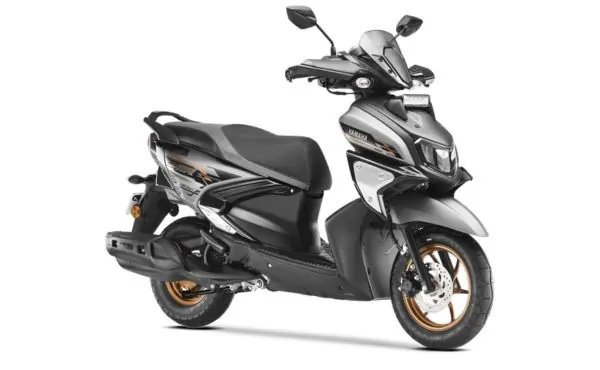
List Of All Yamaha Motorcycles In India
About Yamaha Motorcycles
Yamaha is known as one of India’s top two-wheeler brands, thanks to its Japanese engineering, sporty looks, and focus on performance and style. Over the past 40 years, Yamaha has grown from a technical partner to a full manufacturer with local production, research and development, and a strong dealer network. This has made Yamaha important in both commuter and premium motorcycle markets.
History And Growth
Yamaha started its journey in India in 1985 by helping the Escorts Group make motorcycles. In 1996, Yamaha and Escorts formed a 50:50 joint venture called Escorts Yamaha Motor Ltd (EYML). In 2001, Yamaha Motor India became fully owned by Yamaha Motor Co., Ltd., Japan, giving it complete control in India. In 2008, Mitsui & Co. became a joint investor, and the company was renamed India Yamaha Motor Private Limited (IYM), which is still Yamaha’s main company in India.
Key Milestones And Developments
Several milestones mark Yamaha’s journey in India:
- 1985: Initial entry through technical collaboration with Escorts Groups
- 1996: Formation of the 50:50 joint venture with Escorts.
- 2001: Yamaha Motor India becomes a 100% subsidiary of Yamaha Motor Co., Japan.
- 2008: Mitsui & Co. becomes a joint investor, and IYM takes its current form.
- 2015: Inauguration of a third manufacturing plant near Chennai (Vallam Vadagal), expanding Yamaha’s capacity and strengthening exports.
- 2025–2026: Launch of Yamaha’s first electric scooters (AEROX-E and EC-06) and a major product push with around 10 new models and multiple updates planned by the end of 2026.
Yamaha has created well-known models like the RX 100 and RX 135 in its early years. Later, it introduced the YZF-R15, FZ series, MT-15, and RayZR/Fascino scooters, which helped shape Yamaha’s reputation for performance and style in India.
Manufacturing Facilities
Yamaha runs several advanced factories in India that supply both the local market and exports:
- Surajpur (Uttar Pradesh): A key plant for motorcycles and scooters, also housing Yamaha’s R&D operations in India.
- Faridabad (Haryana): Another major manufacturing hub for motorcycles and components, serving domestic and overseas markets.
- Chennai (Vallam Vadagal, Tamil Nadu): Opened in 2015, this plant mainly makes scooters and some motorcycles. It also exports to Africa, ASEAN, and Latin America. Recent investor updates show that Chennai is becoming an important global center for premium motorcycles and scooters.
IYM has the facilities to make motorcycles, scooters, and parts. It handles machining, welding, electroplating, painting, and assembly in-house, and employs over 2,300 people.
Market Position And Achievements
Yamaha is a strong player in India’s 125cc and above motorcycle and scooter market. The company focuses on performance, design, and a premium feel instead of just selling large numbers. Yamaha has over 1,200 customer touchpoints across India, including about 400 dealers and more than 550 Blue Square dealerships for premium products and electric vehicles.
Recently, models like the RayZR, FZ series, MT-15, and YZF-R15 have boosted Yamaha’s sales. The RayZR has become the top seller, making up over 35% of total sales in 2025. Yamaha aims for double-digit growth by focusing more on scooters, premium motorcycles, and exports. It is known as a top choice for riders who want sporty looks and strong performance.
Future Plans
Yamaha’s future plans in India focus on offering more premium products, moving into electric vehicles, and launching many new models:
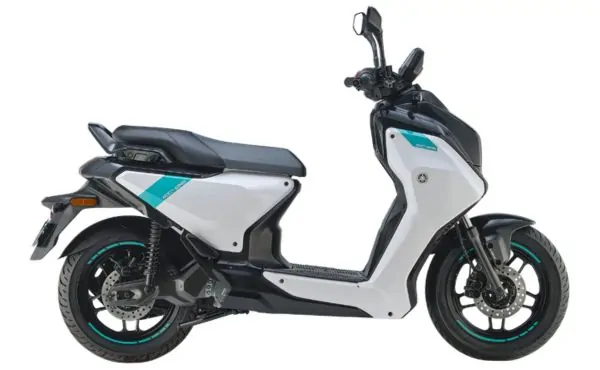
- Electric mobility: Yamaha has started selling electric scooters in India, including the AEROX-E for performance and the EC-06 for commuting. At first, these will be sold in big cities and about 50 markets where electric vehicles are already popular. Yamaha will roll out these products step by step, making sure dealers and service are ready, and will focus on keeping a premium brand image instead of offering the lowest prices.
- New models: Yamaha plans to launch about 10 new two-wheelers in India by the end of 2026, including both electric and petrol models. There will also be over 20 updates to current products. Some new models expected in 2026–2027 are the Lander 250, MT-09, MT-07, Nmax 155, YZF-R7, YZF-R9, and Tenere 700, which will boost Yamaha’s premium and mid-size range.
- Strategic focus: Yamaha will keep working in the 125cc and above scooter market and the 150cc and above motorcycle market. The company wants to create new types of products, improve technology, and make riding better for customers. Chennai is being developed as a global center for premium two-wheelers, helping both local and export sales.
With this plan, Yamaha is making India a key part of its global growth. The company is balancing its strong background in performance motorcycles with a careful move into electric vehicles and premium scooters.
Other Related Links From Bikeleague India
User Reviews
There are no reviews yet. Be the first one to write one.

Hiran Narayanan
Founder & CTO at Bikeleague India
Hiran Narayanan is the Founder and CTO of Bikeleague India, bringing over 15 years of experience in motorcycle technical writing. He develops detailed analyses, tools, model overviews, and blogs that contribute to bikeleague.in's improving rankings.