
About Ampere Electric Scooters
Ampere is an Indian electric scooter brand owned by Greaves Electric Mobility Ltd. (GEML), which is part of Greaves Cotton’s electric mobility business. Founded in 2008, Ampere was one of India’s first electric two-wheeler brands. It started out making low-speed, affordable scooters and has since grown into a wider EV brand, offering everything from entry-level city scooters to more premium models.
Ampere focuses on making electric mobility affordable, especially with scooters that cost less than ₹1 lakh. Unlike brands that target high performance, Ampere aims to help regular petrol-scooter users, including those in smaller cities and semi-urban areas, switch to electric vehicles.
Today, Ampere is Greaves Electric Mobility’s electric two-wheeler brand. It offers several scooter models for different budgets and needs,
| Aspect |
Ampere’s position in India |
| Brand origin |
India |
| Founded |
2008 |
| Original headquarters |
Coimbatore, Tamil Nadu |
| Parent company |
Greaves Electric Mobility Ltd. |
| Parent-group link |
Greaves Cotton Ltd. |
| Product category |
Electric scooters |
| Core focus |
Affordable, practical urban mobility |
| Key customer segments |
First-time EV buyers, daily commuters, families and value-conscious users |
Ampere stands out because of its long history in the market. The company has sold and serviced electric scooters through different technology phases, from early lead-acid batteries to lithium-ion, and now to connected, higher-performance scooters.
History And Growth
In its early years, Ampere mainly sold low-speed scooters for short trips in South India. During the 2010s, it slowly entered more markets and improved its products with better batteries, longer range, and easier use.
Around 2016 to 2017, Ampere started switching to lithium-ion batteries. This change mattered because lithium-ion batteries are lighter, store more energy, and perform more reliably than traditional lead-acid batteries.
Greaves Cotton bought Ampere in 2018, which was a big change for the brand. Being part of a larger engineering and mobility group helped Ampere grow across India, add more dealers, and start making more scooters locally.
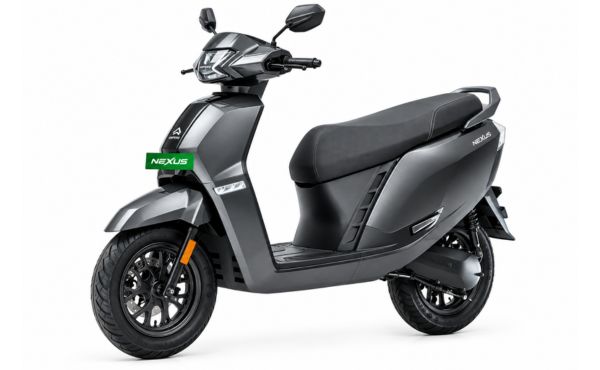
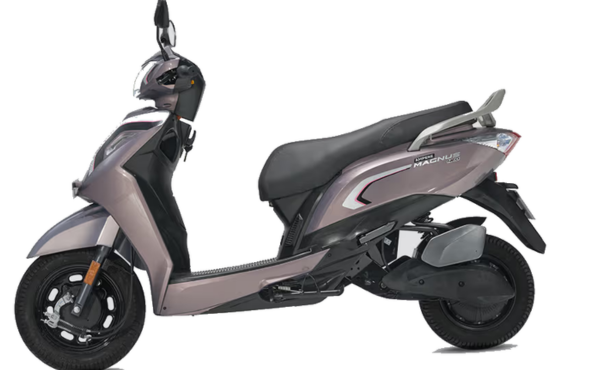
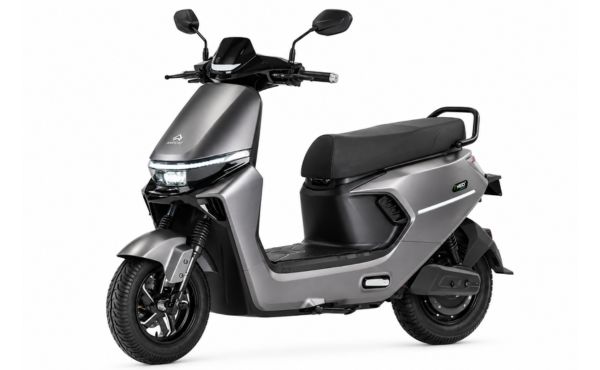
Ampere grew even faster after launching new models like the Magnus, Primus, and Nexus. The Nexus, which came out in 2024, was Ampere’s first step into the premium segment, but the brand still focused on practical and affordable scooters.
| Period |
Major development |
| 2008 |
Ampere Vehicles was founded in Coimbatore. |
| 2011–15 |
Expanded through South Indian markets with affordable electric scooters. |
| 2016–17 |
Began transition from lead-acid to lithium-ion battery technology. |
| 2018 |
Greaves Cotton acquired Ampere Vehicles. |
| 2019–20 |
Expanded into more than 200 Indian cities during the FAME II period. |
| 2024 |
Ampere Nexus was launched as the brand’s flagship LFP-battery scooter. |
| FY2026 |
Retail sales rose 51% year-on-year to 61,641 units; market share reached 4.4%. |
| June 2026 |
Ampere crossed 400,000 scooters manufactured and sold in India. |
Key Milestones And Developments
Ampere’s story is tied to the growth of India’s electric scooter industry. The company started before electric vehicles were common, so it had to grow its business when battery technology, charging options, and customer trust were still developing.
Switching to lithium-ion and later to lithium iron phosphate (LFP) batteries was a key step for Ampere. LFP batteries are known for their stability and long lifespan, which suits Indian conditions and appeals to buyers focused on long-term costs.
| Milestone |
Details |
| Early EV presence |
Ampere entered India’s EV sector in 2008, making it one of the earlier domestic e-scooter brands. |
| Greaves acquisition |
Greaves Cotton acquired the company in 2018, strengthening its manufacturing and expansion capability. |
| National expansion |
Ampere expanded into 200+ cities during 2019–20. |
| Premium-range entry |
Nexus launched in 2024 as a flagship LFP-battery scooter. |
| Warranty expansion |
Five-year/75,000km warranty coverage was extended to Magnus Grand and Magnus G Max in 2025. |
| Value-model launch |
Reo 80 was launched in 2026 at ₹59,900, aimed at the entry-level LFP scooter market. |
| Production milestone |
Ampere exceeded 400,000 electric scooters manufactured and sold in India by June 2026. |
| Market-ranking progress |
Ampere reached fifth place in monthly e-scooter retail sales in February 2026, according to company-reported market data. |
| Next-generation platform |
Greaves announced a sixth-generation Ampere scooter for FY2027, aimed at the sub-₹1 lakh segment. |
Ampere is also making its product design simpler. Greaves Electric Mobility plans to combine its current vehicle platforms into one flexible system that can support different products. This should make development easier, allow more shared parts, and help launch new scooters faster.
Manufacturing Facilities
Ampere uses Greaves Electric Mobility’s larger production network. GEML and its subsidiaries run three factories in Hyderabad, Noida, and Ranipet. These sites build both electric two-wheelers and three-wheelers.
The Ranipet factory in Tamil Nadu is the main site for making Ampere’s electric scooters. Greaves Cotton announced this plant in 2021 as a major electric mobility facility, planning to invest ₹700 crore over ten years.
The Ranipet plant can reportedly make about 480,000 Ampere electric two-wheelers each year. Greaves Electric Mobility is also setting up its own battery-pack assembly line there, which is planned to produce up to 400,000 battery packs annually.
| Facility |
Location |
Role |
| Ranipet plant |
Tamil Nadu |
Main production facility for Ampere electric scooters. |
| Ranipet e-two-wheeler capacity |
Tamil Nadu |
Reported capacity of 480,000 electric scooters annually. |
| Battery-pack assembly line |
Ranipet, Tamil Nadu |
Planned in-house battery-pack assembly with 400,000-unit annual capacity. |
| GEML manufacturing facility |
Hyderabad |
Supports wider electric mobility operations, including two- and three-wheelers. |
GEML manufacturing facility |
Noida |
Supports wider electric mobility operations, including two- and three-wheelers. |
Market Position And Achievements
Ampere competes in India’s large, price-sensitive electric scooter market. It mainly attracts buyers who want a practical option instead of petrol scooters but do not want to pay high prices for premium electric vehicles.
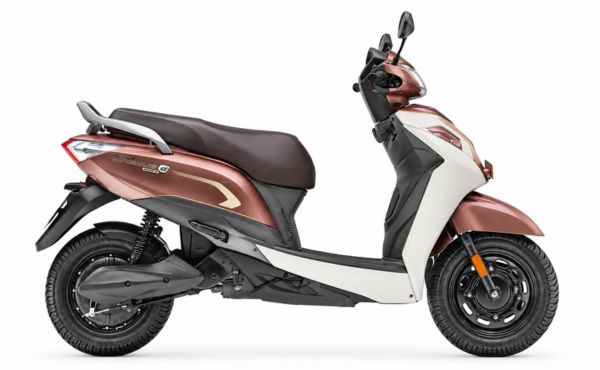
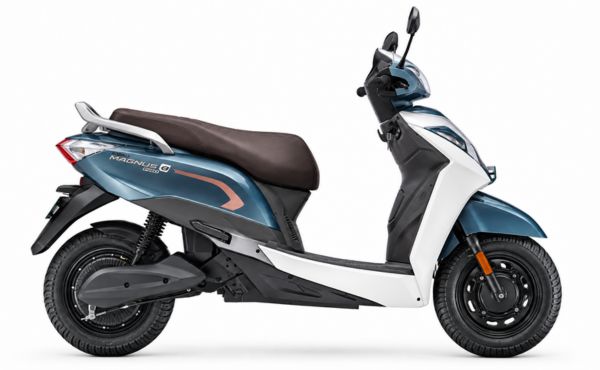
Ampere offers scooters at different prices. The Reo 80 is for entry-level buyers, the Magnus series is for regular city riders, the Primus is for those who want more performance, and the Nexus is the top model. This range lets Ampere meet different needs while staying focused on affordability.
| Area |
Ampere’s position |
| Main segment |
Affordable and mass-market electric scooters |
| Core price focus |
Below ₹1 lakh. |
| Product range |
Reo 80, Magnus variants, Primus and Nexus |
| Brand strength |
Long operating history and value-oriented product positioning |
| Total milestone |
400,000+ Ampere electric scooters made and sold in India by June 2026. |
| FY2026 retail volume |
61,641 units, up 51% year-on-year. |
| FY2026 market share |
4.4% of the electric scooter segment. |
| February 2026 performance |
4,478 retail units and fifth place in monthly e-scooter sales, based on reported data. |
| Distribution base |
More than 420 dealerships across 309+ cities, per Ampere’s published brand history. |
Ampere’s main achievement is growing its business without depending only on premium urban customers. Its scooters have reached buyers in smaller cities and value-focused markets, where price, running costs, service, and battery reliability matter most.
Future Plans
Ampere’s next steps include keeping prices low, launching new products, increasing local content, expanding distribution, and investing in technology. Greaves Electric Mobility has confirmed that Ampere will keep focusing on scooters under ₹1 lakh, seeing this as the biggest long-term opportunity in India.
The company plans to launch its sixth-generation electric scooter in FY2027. Greaves calls it an “ICE Breaker,” meaning it is designed to compete directly with popular petrol scooters in terms of cost, performance, and daily use.
Greaves Electric Mobility also wants to speed up its product launches, aiming to release one new product every quarter in FY2027. According to an August 2026 update, this includes an electric two-wheeler and an electric three-wheeler planned for October.
| Future focus |
Planned direction |
| Affordable scooters |
Maintain focus on sub-₹1 lakh electric scooters. |
| Sixth-generation scooter |
Launch planned in FY2027 to compete with petrol scooters. |
| Product architecture |
Use one scalable platform to support multiple models. |
| Dealer expansion |
Increase distribution network from about 650 outlets to 1,000 outlets. |
| Market-share target |
Aim for double-digit EV market share within two years. |
| Technology |
Invest in battery systems, powertrains, battery-management systems, and connected technology. |
| Manufacturing |
Increase battery and vehicle-production integration at Ranipet. |
| International growth |
Expand presence beyond India as part of Greaves Electric Mobility’s broader plan. |
| Funding |
₹530 crore rights issue completed in 2026 to support next-generation products and growth investment. |