
Introduction
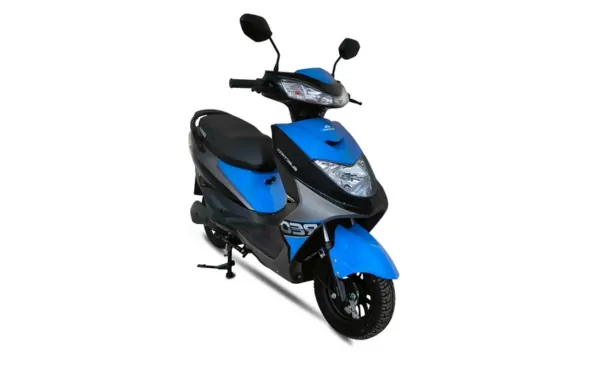
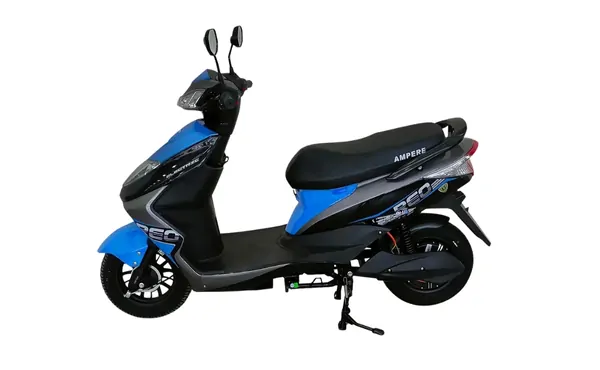
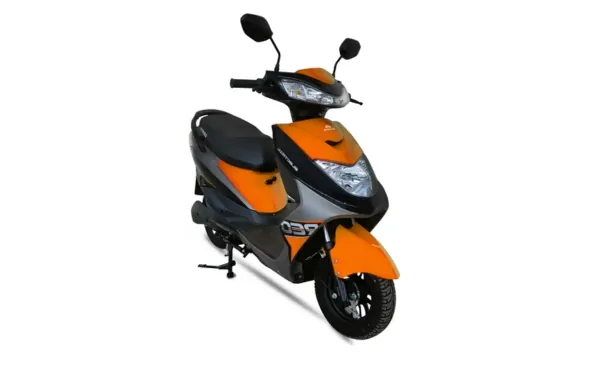
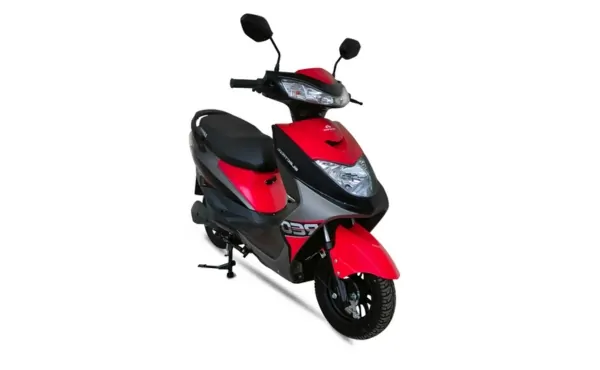
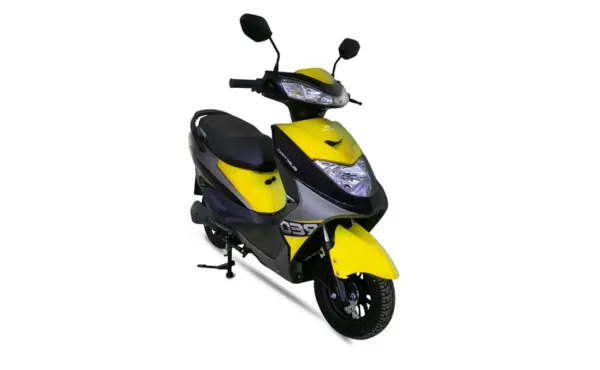
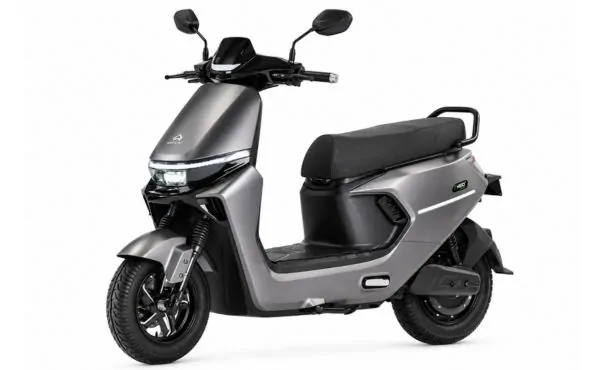
The Ampere Reo Li Plus is designed for entry-level riders and stands apart from the Reo 80. It weights 70.3 kg and can carry up to 120 kg, making it a good choice for solo riders or those with a light passenger in cities like Delhi and Mumbai. Its 1.3 kWh removable NMC battery is easy to swap. It comes with a 3-year or 30,000 km warranty, which helps it last in humid and dusty environments. The scooter comes in bright colours like Red, Blue, Orange, and Yellow. It includes a digital LCD display with a USB charging port, a clock, and a low-battery alert for city use.
Ratings
- %
Performance
- %
Features
- %
Handling
- %
Comfort
- %
Build Quality
- %
Styling
- %
Value for Money
- %
Total
Ratings calculation is purely based upon pros and cons of the model given below in the overview section.
Price

Special Features
1
Three Riding Modes
2
Usb Charging Port
3
Push Button Start
4
Portable Home Charger
5
4 Bright Colours
6
Removable Battery
7
Spacious Underseat Storage
8
High Ground Clearance
9
Led Lighting
10
Dual Steel Frame
11
Long Seat
12
Digital Console
Full Specifications
| City | 60-65km/Charge |
| Highway | 65-70km/Charge |
| Motor Type | BLDC |
| Maximum Speed | 25km/h |
| Rated Power | 250W |
| Transmission | Automatic |
| Battery charging time | 4-5Hrs |
| Speedometer | Digital |
| Tachometer | No |
| Tripmeter | No |
| Fuel Guage | No |
| Low Battery Indicator | Yes |
| Start Type | Electric Start |
| Kill Switch | No |
| Clock | Yes |
| Pass Light | Yes |
| Stand Alarm | Yes |
| Brakes (F) | 130mm dia Drum |
| Brakes (R) | 130mm dia Drum |
| Front Suspension | Hydraulic Telescopic |
| Rear Suspension | Coil Spring |
| Wheelbase | 1235mm |
| Ground Clearance | 155mm |
| PayLoad | 120kg |
| Charger output | 7.5A |
| Battery type | Lithium Ion Phosphate |
Overview
Performance And Motor
The Reo Li Plus uses a 250W BLDC hub motor with IP65 water resistance, giving it 0.25 kW of power and 35 Nm of torque. This setup allows smooth acceleration and can handle 7-degree slopes, which are helpful on city roads and speed bumps. Riders like its steady performance at low speeds, low maintenance due to the brushless motor, and the reverse assist feature for parking in tight spaces. Many users say it climbs hills well and requires little chain maintenance, making it a good fit for women, students, and older riders running errands.
The Reo Li Plus has a fully automatic, chainless hub motor, so there are no gears. You get instant power with push-button or remote-keyfob start. This design means you do not need to use a clutch or shift gears, which is helpful in stop-and-go city traffic. The direct-drive system is efficient and keeps running costs low, at about ₹0.18 per kilometre.
The top speed is limited to 25 kmph, which matches India’s rules for low-speed electric vehicles, so you do not need a license. This speed is suitable for crowded city roads and helps prevent risky riding. Riders say the scooter keeps a steady speed on flat roads, with only small drops when going uphill with extra weight. The speed limiter keeps the ride safe and within legal limits for city use.
Range
The official range is 70 km per charge, based on lab tests with the 1.3 kWh battery under moderate loads and eco-friendly riding. Indian sources confirm this number, though there is no mention of ARAI certification. To get the best range, you should ride alone, avoid extra accessories, and stick to normal temperatures.
In everyday city use, owners usually get 60-65 km per charge, even with traffic, stops, and moderate loads. This drops to 55-60 km if you have a passenger or go uphill. Riders who have logged over 15,000 km say they get about 62 km per charge, which is enough for daily commutes like going to college or shopping. Heavier riders, hot weather, or fast riding can lower the range to around 60 km. Still, most users find it reliable for their needs.
Charging Time
Charging the battery from empty to full takes about 5.3 hours using a regular home socket, so you can easily charge it overnight. The battery is portable and has an IP65 rating, so it is safe to charge indoors and usually takes 4 to 5.5 hours, which is quicker than older models. You do not need a special EV charging station, making it convenient for people living in apartments without garages.
Features And Technology
The Ampere Reo Li Plus offers a suite of practical features tailored for India’s urban riders, emphasising convenience, safety, and low maintenance, without requiring a license or registration.
- Battery Type and Capacity:Equipped with a 1.3 kWh removable NMC lithium-ion (Li-ion) battery, swappable for easy handling, with IP65 water resistance suitable for Indian monsoons and daily use.
- Battery Warranty:Backed by a comprehensive 3-year or 30,000 km warranty, ensuring reliability for high-mileage city commutes in humid climates.
- Motor Specifications:Features a 250W BLDC hub motor with an IP65 rating, delivering 0.25 kW peak power and 35 Nm torque for smooth low-speed performance.
- Instrument Cluster:Digital LCD console with colored display, including speedometer, odometer, tripmeter, clock, USB charging port, and low battery indicator for practical navigation.
- Starting System:Keyless push-button and remote start via premium keyfob, enhancing security and ease for women and students in crowded Indian cities.
- Reverse Assist:Includes reverse mode for effortless manoeuvring in tight parking spaces common in urban India.
- Lighting Setup:LED headlight, taillight, and turn signal lamps for better visibility during evening rides and low-light traffic conditions.
- Charging Features:Built-in charging point with plug-and-play home compatibility (household sockets), no dedicated EV infrastructure required.
- Storage Options:Underseat storage for a helmet, additional storage space, and 120 kg load capacity for daily essentials like groceries.
- Suspension System:Hydraulic telescopic front suspension and coil spring rear for comfortable rides over potholes and speed breakers.
- Braking System:Drum brakes on both front and rear, paired with 7-degree gradeability for safe stops on inclines.
- Wheels and Tyres:10-inch (254 mm) alloy wheels with tubeless tyres (3.75-10 size) for puncture resistance on Indian roads.
- Dimensions:1800 mm length, 690 mm width, 1105 mm height, 155 mm ground clearance, and 1235 mm wheelbase for agile city handling.
- Seat and Comfort:Single seat with passenger footrest and pillion grab rail; low 70.3 kg kerb weight for easy handling by shorter riders.
- Safety Alerts:Stand alarm, high-beam indicator, and low-battery alert via the digital display for added rider confidence.
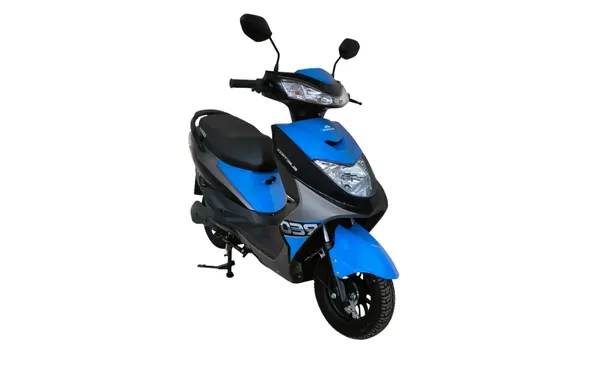
- Colour Options:Available in four stylish shades – Blue, Orange, Red, Yellow – appealing to young commuters and families.
Build Quality
The Reo Li Plus employs a robust steel tubular chassis weighing just 70.3 kg curb, which users describe as solid for enduring potholes, speed breakers, and daily wear over 15,000+ km without significant issues, though some note average panel gaps and fitment that could be improved for a premium touch.
IP65 water- and dust-resistant motors, batteries, and electronics ensure reliability in heavy Indian rains, with low maintenance praised in reviews for minimal parts replacements beyond routine checks. The 120-130 kg load capacity handles light family use effectively, backed by a 3-year battery warranty, making it a durable budget choice for students, women, and elderly riders in humid climates like Kerala or Mumbai.
Handling
With a 1235 mm wheelbase, 155 mm ground clearance, and 10-inch alloy wheels fitted with tubeless 3.75-10 tyres, the scooter delivers agile low-speed handling perfect for congested streets, tight U-turns, and parking in urban India. The 7-degree gradeability and reverse assist mode provide confident incline climbing and manoeuvring, as riders report stable cornering up to 25 kmph without wobbles on flat roads.
However, slight instability is observed at the edges under full load. Drum brakes front and rear ensure predictable stopping in traffic, with the lightweight design aiding novice users, such as college students, in navigating speed breakers and erratic city traffic.
Comfort
Hydraulic telescopic front suspension and a unit swingarm coil spring rear suspension effectively soak up Indian road imperfections like potholes and uneven surfaces, offering a smooth, vibration-free ride for 30-40 km of daily errands, according to multiple user accounts.
The low seat height allows flat-footing for short-stature riders under 5’4″, complemented by an ergonomic single seat, pillion grab rail, footrest, and upright posture that minimises fatigue during stop-go commutes. Reviews highlight spacious underseat storage for a helmet and essentials, plus a comfortable upright position suitable for women, seniors, and families, with good cushioning that outperforms some petrol rivals in city plushness despite the budget build.
Styling
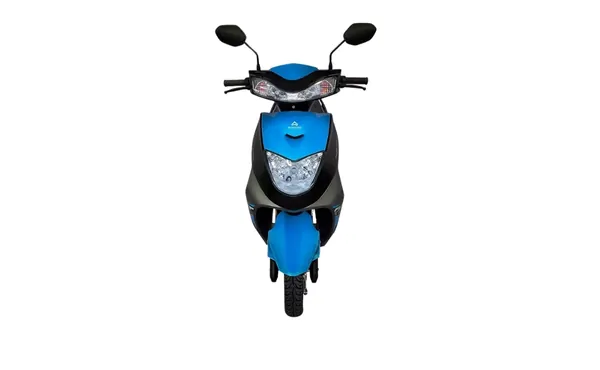
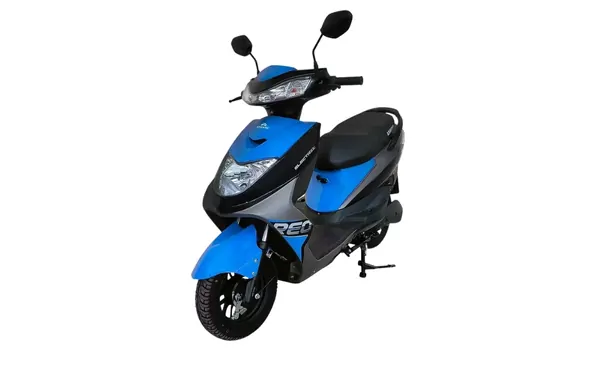
The Reo Li Plus has a strong steel frame with simple lines and rounded edges. Its low profile (1800 mm long, 690 mm wide, 1105 mm tall) makes it easy to handle in busy city streets. The front has a sleek LED headlight built into the handlebar area, with small turn signals on the sides.
The side panels are matte and have subtle branding, giving it a modern but simple look that users like for everyday use. At the back, there is a neat LED taillight and grab rail, and the 10-inch alloy wheels add to its agile, practical style. This design suits students, women, and families in cities like Delhi and Mumbai.
Colour Options And Variants
Ampere offers the Reo Li Plus in four eye-catching shades:
- Blue
- Orange
- Red
- Yellow
Each colour has a shiny finish that stands out in traffic and helps hide minor scratches from daily use. Blue looks cool and professional, which office commuters like. Orange is sporty and appeals to younger riders. Red is energetic and suitable for city trips. At the same time, Yellow is bright and cheerful, making it a favourite for college students and women. These colours are available at no extra cost, and users say they keep their shine even after the rainy season. The range of colours appeals to many people in states such as Maharashtra, Karnataka, and Gujarat.
In India, the Reo Li Plus is a single, well-equipped variant, clearly distinguishing it from the Reo 80, which uses an LFP battery and claims an 80 km range. This Li Plus model centres on a portable 1.3 kWh NMC lithium-ion battery, a 250W BLDC motor, a digital LCD cluster, keyless start, reverse assist, and a 70 km range, without sub-variants or add-ons listed.
Value For Money And Pricing
Ampere sells the Reo Li Plus for ₹59,900 ex-showroom in Delhi. For this price, you get a 1.3–1.34 kWh lithium-ion battery, a claimed 70 km range, a top speed of 25 kmph, reverse mode, a digital display, and keyless start. This is rare for city EVs under ₹60,000. Because it is a low-speed scooter, you do not need a license or registration, and you can charge it at home. The running cost per kilometre is much lower than most petrol scooters and even some faster EVs, especially if you travel 20–40 km a day. If you want a simple, affordable scooter for daily commuting, this is considered a great value.
In the Indian market, the Reo Li Plus competes mainly with other low-speed or budget EV scooters rather than premium performance models. Competitors include:
- Yulu Wynn
- Vida VX2 Go
- Vida V2 Lite
Broader low-cost EV competitors noted in Indian comparison, and list articles include models like the Ujaas eGo, Komaki XOne, NIJ Accelero R14, and the Crayon Motors Envy, many of which sit in the ₹50,000–₹75,000 band, with top speeds of 25 kmph and 55–80 km ranges. Compared to higher-priced options like the Hero Electric Optima CX (significantly higher performance and range), the Reo Li Plus trades speed and battery size for a much lower purchase price and running cost, appealing to strictly city-bound riders who do not need 45–50 kmph capability.
Verdict
The Ampere Reo Li Plus is a simple, budget-friendly electric scooter made for city riders in India who care more about saving money than going fast. Its 25 kmph speed limit, keyless start, reverse mode, and IP65 durability make it easy to use for college trips, errands, or light family rides, all without needing a license or registration.
Owners say it is reliable for 5,000-15,000 km, provides a smooth, quiet ride over potholes, requires little maintenance at just ₹0.18 per km, and offers a 3-year/30,000 km battery warranty that is better than expected, even in heavy rain and traffic.
While the real range is 55-65 km and the build is average, it is an excellent value for shorter riders, seniors, and first-time EV users in big cities. It is an innovative starter scooter if you want low costs. Still, if you need to ride on highways or go long distances, consider other options.
Pros
- Affordable Pricing:Ex-showroom at ₹59,900, making it one of the cheapest lithium-ion EVs in India with no license or registration needed, ideal for students and women on tight budgets.
- Low Running Costs:Costs under ₹0.18 per km with home charging, far cheaper than petrol scooters for 20-40 km daily city runs, as confirmed by multiple owners after 5,000+ km.
- Zero Maintenance:Chainless BLDC motor and removable battery require minimal upkeep beyond brake adjustments, with users reporting no major repairs over 8 months and 5,200 km.
- Smooth Silent Ride:Vibration-free operation with good low-speed acceleration and pulling power for two riders plus light loads, praised for comfort in traffic and no noise pollution.
- Practical Features::Keyless start, reverse assist, a digital LCD cluster with a USB port, and underseat helmet storage enhance daily usability on congested Indian streets.
- IP65 Durability::Water- and dust-resistant, suitable for monsoons, with reliable performance on potholes and speed breakers per 2-5 month ownership reviews.
- Portability and Warranty:Lightweight at 70.3 kg, with a swappable 1.3 kWh NMC battery backed by a 3-year/30,000 km warranty, and easy to charge indoors for apartment dwellers.
Cons
- Limited Top Speed:Capped at 25 kmph per regulations, frustrating on faster roads or highways, with speed dropping to 12-18 kmph when battery falls below 30%.
- Real-World Range Shortfall:Claimed 70 km drops to 55-65 km with pillion or inclines, insufficient for longer than 30 km trips as noted in honest 5-month reviews.
- Long Charging Time:4-5.5 hours for a full charge, extending to 7-8 hours over time per user, requiring overnight planning without fast-charge options.
- Average Build Quality:Panel gaps, plastic mudguards prone to mud trapping in the rain, and occasional wobbles at edges, though functional for budget use.
- Battery Degradation:Capacity and speed degrade over months (e.g., from 38 kmph to 30 kmph), with charger cut-off issues risking overcharge, according to long-term owners.
- Limited Load on Hills:Struggles with two heavy riders or steep inclines beyond 7-degree gradeability, often needing push assistance in real scenarios.
- Basic Lighting and Fitment:Halogen headlight instead of full LED, tight handlebars with pillion, and minor service delays reported at some Ampere dealers.
Other Related Links From Bikeleague India
List Of All Ampere Electric Scooters In India
About Ampere Electric Scooters
Ampere is an Indian electric scooter brand owned by Greaves Electric Mobility Ltd. (GEML), which is part of Greaves Cotton’s electric mobility business. Founded in 2008, Ampere was one of India’s first electric two-wheeler brands. It started out making low-speed, affordable scooters and has since grown into a wider EV brand, offering everything from entry-level city scooters to more premium models.
Ampere focuses on making electric mobility affordable, especially with scooters that cost less than ₹1 lakh. Unlike brands that target high performance, Ampere aims to help regular petrol-scooter users, including those in smaller cities and semi-urban areas, switch to electric vehicles.
Today, Ampere is Greaves Electric Mobility’s electric two-wheeler brand. It offers several scooter models for different budgets and needs,
| Aspect | Ampere’s position in India |
|---|---|
| Brand origin | India |
| Founded | 2008 |
| Original headquarters | Coimbatore, Tamil Nadu |
| Parent company | Greaves Electric Mobility Ltd. |
| Parent-group link | Greaves Cotton Ltd. |
| Product category | Electric scooters |
| Core focus | Affordable, practical urban mobility |
| Key customer segments | First-time EV buyers, daily commuters, families and value-conscious users |
Ampere stands out because of its long history in the market. The company has sold and serviced electric scooters through different technology phases, from early lead-acid batteries to lithium-ion, and now to connected, higher-performance scooters.
History And Growth
In its early years, Ampere mainly sold low-speed scooters for short trips in South India. During the 2010s, it slowly entered more markets and improved its products with better batteries, longer range, and easier use.
Around 2016 to 2017, Ampere started switching to lithium-ion batteries. This change mattered because lithium-ion batteries are lighter, store more energy, and perform more reliably than traditional lead-acid batteries.
Greaves Cotton bought Ampere in 2018, which was a big change for the brand. Being part of a larger engineering and mobility group helped Ampere grow across India, add more dealers, and start making more scooters locally.
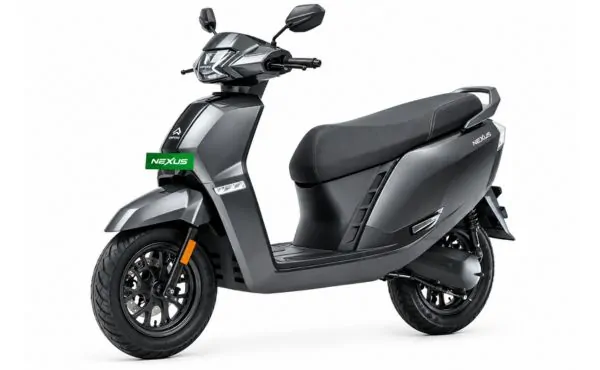
Ampere grew even faster after launching new models like the Magnus, Primus, and Nexus. The Nexus, which came out in 2024, was Ampere’s first step into the premium segment, but the brand still focused on practical and affordable scooters.
| Period | Major development |
|---|---|
| 2008 | Ampere Vehicles was founded in Coimbatore. |
| 2011–15 | Expanded through South Indian markets with affordable electric scooters. |
| 2016–17 | Began transition from lead-acid to lithium-ion battery technology. |
| 2018 | Greaves Cotton acquired Ampere Vehicles. |
| 2019–20 | Expanded into more than 200 Indian cities during the FAME II period. |
| 2024 | Ampere Nexus was launched as the brand’s flagship LFP-battery scooter. |
| FY2026 | Retail sales rose 51% year-on-year to 61,641 units; market share reached 4.4%. |
| June 2026 | Ampere crossed 400,000 scooters manufactured and sold in India. |
Key Milestones And Developments
Ampere’s story is tied to the growth of India’s electric scooter industry. The company started before electric vehicles were common, so it had to grow its business when battery technology, charging options, and customer trust were still developing.
Switching to lithium-ion and later to lithium iron phosphate (LFP) batteries was a key step for Ampere. LFP batteries are known for their stability and long lifespan, which suits Indian conditions and appeals to buyers focused on long-term costs.
| Milestone | Details |
|---|---|
| Early EV presence | Ampere entered India’s EV sector in 2008, making it one of the earlier domestic e-scooter brands. |
| Greaves acquisition | Greaves Cotton acquired the company in 2018, strengthening its manufacturing and expansion capability. |
| National expansion | Ampere expanded into 200+ cities during 2019–20. |
| Premium-range entry | Nexus launched in 2024 as a flagship LFP-battery scooter. |
| Warranty expansion | Five-year/75,000km warranty coverage was extended to Magnus Grand and Magnus G Max in 2025. |
| Value-model launch | Reo 80 was launched in 2026 at ₹59,900, aimed at the entry-level LFP scooter market. |
| Production milestone | Ampere exceeded 400,000 electric scooters manufactured and sold in India by June 2026. |
| Market-ranking progress | Ampere reached fifth place in monthly e-scooter retail sales in February 2026, according to company-reported market data. |
| Next-generation platform | Greaves announced a sixth-generation Ampere scooter for FY2027, aimed at the sub-₹1 lakh segment. |
Ampere is also making its product design simpler. Greaves Electric Mobility plans to combine its current vehicle platforms into one flexible system that can support different products. This should make development easier, allow more shared parts, and help launch new scooters faster.
Manufacturing Facilities
Ampere uses Greaves Electric Mobility’s larger production network. GEML and its subsidiaries run three factories in Hyderabad, Noida, and Ranipet. These sites build both electric two-wheelers and three-wheelers.
The Ranipet factory in Tamil Nadu is the main site for making Ampere’s electric scooters. Greaves Cotton announced this plant in 2021 as a major electric mobility facility, planning to invest ₹700 crore over ten years.
The Ranipet plant can reportedly make about 480,000 Ampere electric two-wheelers each year. Greaves Electric Mobility is also setting up its own battery-pack assembly line there, which is planned to produce up to 400,000 battery packs annually.
| Facility | Location | Role |
|---|---|---|
| Ranipet plant | Tamil Nadu | Main production facility for Ampere electric scooters. |
| Ranipet e-two-wheeler capacity | Tamil Nadu | Reported capacity of 480,000 electric scooters annually. |
| Battery-pack assembly line | Ranipet, Tamil Nadu | Planned in-house battery-pack assembly with 400,000-unit annual capacity. |
| GEML manufacturing facility | Hyderabad | Supports wider electric mobility operations, including two- and three-wheelers. | GEML manufacturing facility | Noida | Supports wider electric mobility operations, including two- and three-wheelers. |
Market Position And Achievements
Ampere competes in India’s large, price-sensitive electric scooter market. It mainly attracts buyers who want a practical option instead of petrol scooters but do not want to pay high prices for premium electric vehicles.
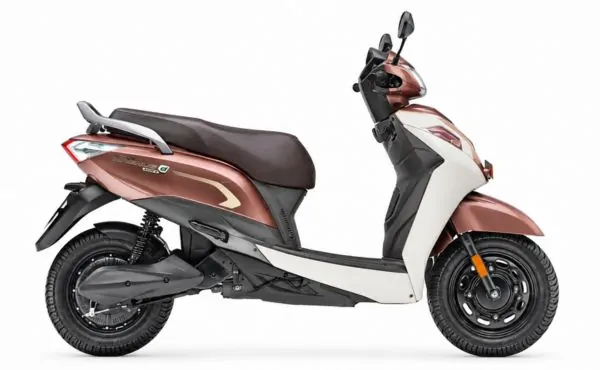
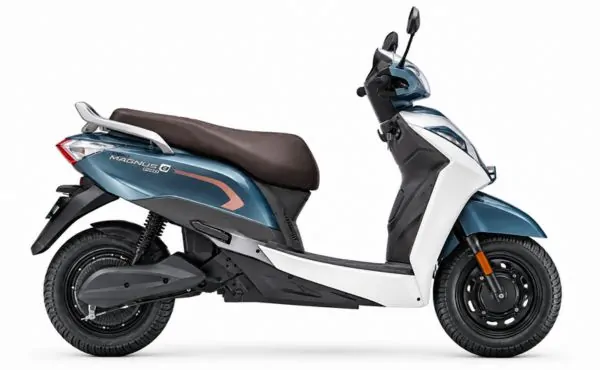
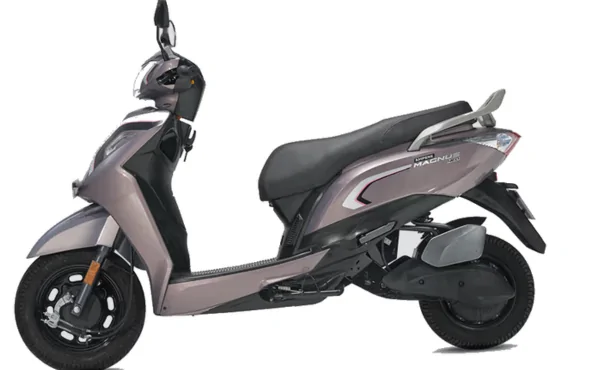
Ampere offers scooters at different prices. The Reo 80 is for entry-level buyers, the Magnus series is for regular city riders, the Primus is for those who want more performance, and the Nexus is the top model. This range lets Ampere meet different needs while staying focused on affordability.
| Area | Ampere’s position |
|---|---|
| Main segment | Affordable and mass-market electric scooters |
| Core price focus | Below ₹1 lakh. |
| Product range | Reo 80, Magnus variants, Primus and Nexus |
| Brand strength | Long operating history and value-oriented product positioning |
| Total milestone | 400,000+ Ampere electric scooters made and sold in India by June 2026. |
| FY2026 retail volume | 61,641 units, up 51% year-on-year. |
| FY2026 market share | 4.4% of the electric scooter segment. |
| February 2026 performance | 4,478 retail units and fifth place in monthly e-scooter sales, based on reported data. |
| Distribution base | More than 420 dealerships across 309+ cities, per Ampere’s published brand history. |
Ampere’s main achievement is growing its business without depending only on premium urban customers. Its scooters have reached buyers in smaller cities and value-focused markets, where price, running costs, service, and battery reliability matter most.
Future Plans
Ampere’s next steps include keeping prices low, launching new products, increasing local content, expanding distribution, and investing in technology. Greaves Electric Mobility has confirmed that Ampere will keep focusing on scooters under ₹1 lakh, seeing this as the biggest long-term opportunity in India.
The company plans to launch its sixth-generation electric scooter in FY2027. Greaves calls it an “ICE Breaker,” meaning it is designed to compete directly with popular petrol scooters in terms of cost, performance, and daily use.
Greaves Electric Mobility also wants to speed up its product launches, aiming to release one new product every quarter in FY2027. According to an August 2026 update, this includes an electric two-wheeler and an electric three-wheeler planned for October.
| Future focus | Planned direction |
|---|---|
| Affordable scooters | Maintain focus on sub-₹1 lakh electric scooters. |
| Sixth-generation scooter | Launch planned in FY2027 to compete with petrol scooters. |
| Product architecture | Use one scalable platform to support multiple models. |
| Dealer expansion | Increase distribution network from about 650 outlets to 1,000 outlets. |
| Market-share target | Aim for double-digit EV market share within two years. |
| Technology | Invest in battery systems, powertrains, battery-management systems, and connected technology. |
| Manufacturing | Increase battery and vehicle-production integration at Ranipet. |
| International growth | Expand presence beyond India as part of Greaves Electric Mobility’s broader plan. |
| Funding | ₹530 crore rights issue completed in 2026 to support next-generation products and growth investment. |
User Reviews
There are no reviews yet. Be the first one to write one.

Hiran Narayanan
Founder & CTO at Bikeleague India
Hiran Narayanan is the Founder and CTO of Bikeleague India, bringing over 15 years of experience in motorcycle technical writing. He develops detailed analyses, tools, model overviews, and blogs that contribute to bikeleague.in's improving rankings.