
Introduction
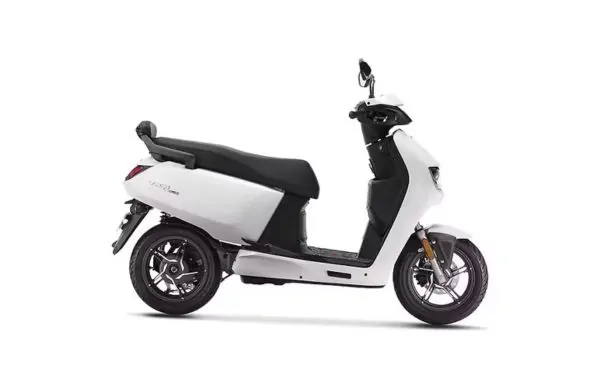
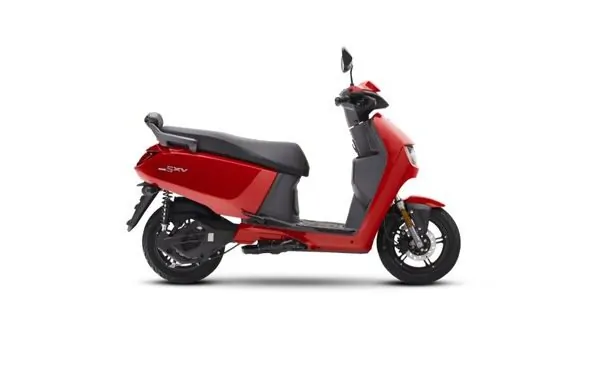
The Vida VX2 Plus is a practical electric scooter from Hero MotoCorp’s Vida brand, made for Indian riders who want removable batteries, strong city performance, and more range than basic EVs. It comes in two versions: the original VX2 Plus 3.4 kWh and the newer VX2 Plus 4.4 kWh. Before comparing specs or prices, make sure to check which battery version you are looking at. The 3.4 kWh model is great for city use, while the 4.4 kWh version offers more range, a higher top speed, and a faster charger. Both are built for daily Indian commuting and have removable, water-resistant battery packs that you can charge away from the scooter.
Gallery
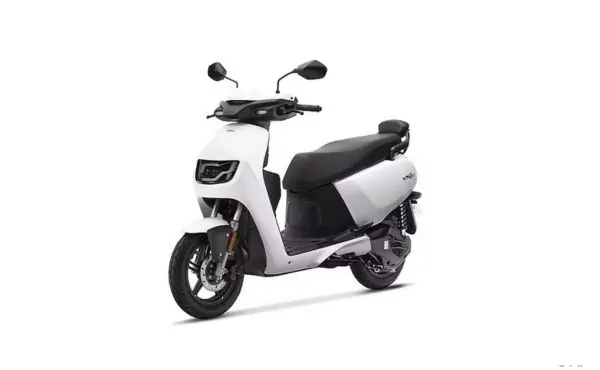
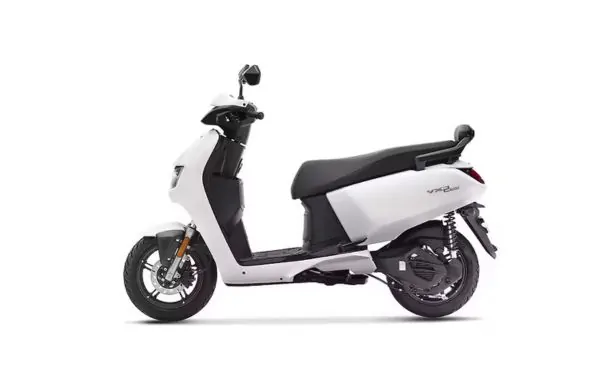
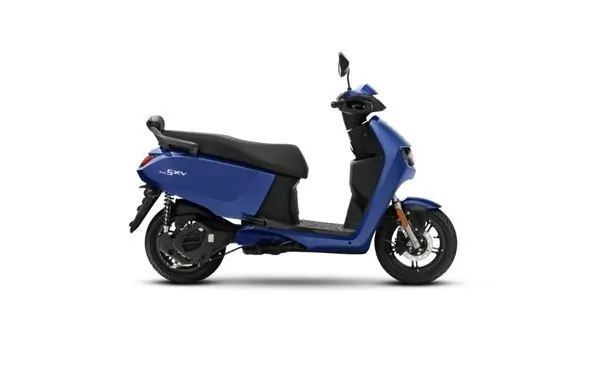
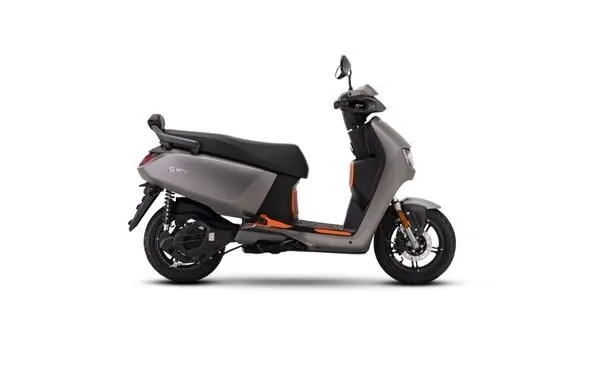
Key Specifications
Battery Type
3.4 kWh Lithium Ion
Range
100-110 km/charge
Max Power
8.16 PS
Torque
26 N.m
Max Speed
80 kmph
Charging Time
6 hrs.36 min
Rear Suspension
Monoshock Absorber
Kerb Weight
120 kg
Ratings
- 80%
Performance
- 85%
Features
- 90%
Handling
- 95%
Comfort
- 100%
Build Quality
- 100%
Styling
- 85%
Value for Money
- 91%
Total
Ratings calculation is purely based upon pros and cons of the model given below in the overview section.
Price
Special Features
1
Two Removable Battery
2
Public Fast-charging
3
Portable Ac Charger
4
4.3-inch Tft Display
5
Bluetooth Connectivity
6
Turn-by-turn Navigation
7
Call And Sms Alerts
8
Over-the-air Updates
9
Three Riding Modes
10
Boost Mode
11
Reverse Mode
12
Regenerative Braking
Full Specifications
| City | 106-110 km/full charge |
| Highway | 100-105 km/full charge |
| Motor | PMSM |
| Top Speed | 80 km/h |
| Transmission | Automatic |
| Fuel Supply | Electric |
| Power | 8.16 PS |
| Torque | 26 N.m |
| Speedometer | Digital |
| Odometer | Digital |
| Tripmeter | Yes |
| Touch Screen Display | Yes |
| Start Type | Electric |
| Kill Switch | Yes |
| Clock | Yes |
| Riding Modes | Yes |
| Mobile Application | Yes |
| Charging Station Locater | Yes |
| Front Suspension | Telescopic fork |
| Rear Suspension | Monoshock Absorber |
| Seat Height | 777 mm |
| Kerb Weight | 120kg |
| Ground Clearance | 155 mm |
| Wheelbase | 1301 mm |
| Additional Storage | 32 L |
| Tyres (F) | 90/90-12 inch |
| Tyres (R) | 100/80-12 inch |
| Brakes (F) | Disc (CBS) |
| Brakes (R) | Drum (CBS) |
| Battery | 3.4 kWh Lithium-Ion battery |
| DRL | Yes |
| Head Lamp | LED |
| Tail Lamp | LED |
Overview
Perfomance And Motor
Both VX2 Plus versions use a Permanent Magnet Synchronous Motor (PMSM) with 6 kW peak power. The 3.4 kWh model has 3.9 kW continuous power and 25 Nm of torque, while the 4.4 kWh version has 26 Nm of torque. This strong output means the scooter accelerates quickly and quietly in Indian traffic, making it a good choice for daily commuting.
The motor sits near the rear suspension and drives the back wheel with a belt. This setup gives smooth power without the vibration, clutch, or gear changes you get in petrol scooters. It’s especially useful in stop-and-go traffic, where instant torque helps you move quickly from traffic lights and overtake slow vehicles.
Vida says the VX2 Plus can go from 0 to 40 km/h in 3.1 seconds. This is much faster than a basic electric commuter scooter, so it handles flyovers, city overtakes, and faster urban roads well. Still, it’s built for practical use, not sporty riding.
The Vida VX2 Plus has a fully automatic electric transmission, so there’s no manual gearbox or clutch. Just twist the throttle and the motor sends smooth power to the rear wheel. This setup is easy for new EV riders and less tiring in heavy Indian traffic.
It also has reverse assist, which helps when backing out of tight parking spots, basements, or crowded roadside spaces. The automatic drive, push-button controls, and reverse feature make the VX2 Plus easy to handle in daily city use.
The Plus models come with Eco, Ride, and Sport modes. Eco saves energy, Ride is for everyday commuting, and Sport gives you the fastest acceleration and lets you use the scooter’s full speed.
The VX2 Plus 3.4 kWh has a claimed top speed of 80 km/h, which works well for city rides, flyovers, ring roads, and short trips on open roads, while still focusing on commuting. The VX2 Plus 4.4 kWh can reach 90 km/h, making overtaking and open-road riding easier, but it’s still mainly for city and suburban use, not long highway trips.
Charging Time
The VX2 Plus has removable batteries, so you can charge them on the scooter or take them indoors to charge at home or work. This is a big advantage for people living in apartments or anyone without a charging socket in their parking area.
The VX2 Plus 3.4 kWh comes with a 580 W portable charger and is said to charge from 0 to 80% in 4 hours and 44 minutes. Charging times may vary a bit depending on charger updates or the specific unit.
The newer VX2 Plus 4.4 kWh comes with a faster 1,000 W portable charger. Even with its bigger battery, Vida says it charges from 0 to 80% in 3 hours and 17 minutes. This is more convenient for people who travel longer distances every day.
Range
Vida lists the VX2 Plus range using IDC-certified numbers, not the ARAI label. IDC stands for Indian Driving Conditions and is a test figure from the manufacturer. It’s a standard benchmark, but not a guarantee of real-world range.
The VX2 Plus 3.4 kWh is said to have an IDC range of 142 to 146 km per charge. The 4.4 kWh version is listed with a maximum of 187 km, while the 3.4 kWh is typically noted at 142 to 146 km.
The VX2 Plus 4.4 kWh has a claimed IDC range of 187 km. It uses two removable 2.2 kWh batteries for a total of 4.4 kWh, which gives it much more range than the 3.4 kWh model.
In real-world use, the VX2 Plus 3.4 kWh gives about 100 to 110 km per charge, compared to the claimed 142 km. The real-world figure is more useful for planning, since things like traffic, speed, rider weight, road conditions, and riding mode all affect range.
If you use Eco mode, ride at moderate speeds, and mostly ride alone on smooth city roads, you can get closer to the higher end of the 100–110 km range. Using Sport mode often, accelerating hard, carrying a passenger, riding on steep roads, or keeping high speeds for long stretches will lower the range. For example, at 83% charge, the scooter may show about 83 km in Eco, 62 km in Ride, and 55 km in Sport, showing how much the mode affects distance.
For the VX2 Plus 4.4 kWh, the 187 km IDC number is just a test figure. Buyers should expect the real range to be lower and plan based on their daily commute, charging options, and riding style.
Features And Technology
Here are the main features of the Vida VX2 Plus in India:
- Two removable battery packs:The VX2 Plus uses twin removable lithium-ion batteries. The 3.4 kWh version uses two battery modules with a combined capacity of 3.4 kWh, while the 4.4 kWh version uses two 2.2 kWh modules. Owners can charge the batteries on the scooter or remove them for charging at home, work, or another accessible indoor socket.
- Removable-battery practicality:This battery setup is especially useful for Indian apartment residents and those using shared parking who don’t have a charging point near their parking space. It also gives owners more flexibility than fixed-battery scooters, though you still need to carry the batteries to the charging location.
- Public fast-charging access:Vida states that the VX2 Plus 4.4 kWh can use its public charging network, with more than 5,900 public fast-charging stations listed on the official page. Vida claims a 0–80% public fast charge in 65 minutes for the 4.4 kWh model.
- Portable AC charger:The VX2 Plus 3.4 kWh gets a 580 W portable charger, with a claimed 0–80% charging time of 4 hours 44 minutes. The VX2 Plus 4.4 kWh receives a more powerful 1,000 W portable charger, reducing its claimed 0–80% AC charging time to 3 hours 17 minutes despite the larger battery capacity.
- 4.3-inch TFT display:Both Plus versions come with a 4.3-inch TFT instrument console instead of the simpler LCD unit on lower VX2 versions. It shows essential ride information and gives the scooter a more premium, connected feel.
- Bluetooth connectivity:The TFT screen supports Bluetooth connectivity for smartphone-linked functions. Riders can pair the scooter with the My Vida app and access useful vehicle and ride-related information.
- Turn-by-turn navigation:The VX2 Plus offers turn-by-turn navigation through the TFT console. This feature is helpful for office commuters, delivery riders, and anyone traveling through unfamiliar areas without having to keep checking a mounted smartphone.
- Call and SMS alerts:The paired TFT display can show incoming call and SMS notifications. This gives riders access to important alerts without holding a phone while riding.
- My Vida smartphone app:The My Vida app provides access to ride statistics, maintenance information, and connected functions. Additional features include geofencing and remote immobilisation, which can help owners monitor and secure the scooter.
- Over-the-air updates:The VX2 Plus supports OTA software updates. This lets Vida update supported digital features without needing a workshop visit just for a software refresh.
- Three riding modes:The scooter offers Eco, Ride, and Sport modes. Eco is intended to prioritise efficiency, Ride delivers a balanced everyday response, and Sport provides stronger throttle response for faster traffic and overtaking.
- Boost mode:In addition to its regular riding modes, the VX2 Plus has a Boost mode for short bursts of additional performance. This can be useful when overtaking or joining faster traffic, but frequent use will consume more battery energy.
- Reverse mode:Reverse assist helps you back the scooter out of tight parking spaces, basement slots, and narrow roadside gaps. It’s a useful daily convenience feature in crowded Indian cities.
- Park mode:The VX2 Plus includes a Park mode as part of its control features. This is intended to support safer, more convenient low-speed parking and stationary use.
- Regenerative braking:The scooter uses regenerative braking to recover some energy while slowing down. In Indian stop-and-go traffic, this can help improve efficiency and give you more controlled deceleration.
- Two-way throttle functionality:The VX2 Plus includes a two-way throttle feature, listed with the 4.4 kWh version. This works with the regenerative system to provide controlled deceleration and energy recovery when the rider rolls off or uses the relevant throttle input.
- Front disc brake and rear drum brake:The Plus variants use a front disc brake and rear drum brake. This is an upgrade over lower variants with simpler braking hardware and gives the scooter more assured stopping performance for daily urban riding.
- Combined Braking System:The braking setup includes CBS (Combined Braking System), which helps distribute braking force more effectively for more stable, controlled stopping. It is useful for Indian traffic conditions, where riders often need to brake suddenly.
- All-LED lighting:The scooter has LED lighting, including the headlamp and other lights. This improves night-time visibility and gives the VX2 Plus a more modern look than a halogen-equipped commuter scooter.
- 27.5-litre under-seat storageThe VX2 Plus provides approximately 27.5 litres of under-seat storage, giving owners room for daily items such as a raincoat, small bag, or selected helmet types. The usable space makes it practical for office commutes and short shopping trips.
- 4.8-litre front cubby:A 4.8-litre front storage compartment provides a convenient place for smaller essentials, such as a phone, wallet, charging cable, documents, or a compact water bottle. This adds a useful layer of day-to-day practicality beyond the under-seat compartment.
- 12-inch alloy wheels:The VX2 Plus has 12-inch alloy wheels, which support a stable, mature scooter stance and should handle normal urban road imperfections better than smaller-wheel commuter designs.
- IP67-rated battery protection:The removable battery modules are rated IP67 for protection against dust and water ingress. This is valuable for normal monsoon and wet-road use in India, but riders should not treat the rating as permission to ride through deep floodwater.
Build Quality
The Vida VX2 Plus is built as a practical Indian commuter scooter, with a clean body design, neatly integrated removable batteries, and simple mechanical hardware. The overall fit and finish is solid for its price, with smooth body panels and a tightly assembled feel, not flimsy or over-styled.
The scooter uses a telescopic front fork, offset rear monoshock, 12-inch alloy wheels, front disc brake, rear drum brake, and two removable battery modules. This is a conventional and sensible hardware package for Indian use, as the components are familiar, practical, and designed around daily operation on uneven urban roads.
The removable battery setup is a key part of the VX2 Plus’s practical design. The 3.4 kWh version uses two removable batteries, while the 4.4 kWh model has two larger 2.2 kWh packs. This lets owners charge the batteries indoors when parking doesn’t have a socket, but buyers should check the battery-release mechanism and think about whether they’re comfortable lifting and carrying the modules regularly.
The battery units are IP67-rated for dust and water resistance, helping protect them during normal Indian monsoon and wet-road use. However, an IP rating should not be treated as a reason to deliberately ride through deep water or leave removable battery connections exposed to prolonged water ingress.
Handling
The Vida VX2 Plus is tuned mainly for easy, confidence-inspiring city handling. It’s light, nimble, predictable, and stable, making it easy to filter through traffic, handle narrow lanes, and make frequent low-speed direction changes.
The scooter’s smooth electric power delivery also supports its urban handling. There is no clutch or gear shifting, so riders can focus on throttle control and road placement in traffic. Its 18-degree gradeability was also found useful on steep roads during a Nandi Hills ride, where the scooter managed uphill corners without difficulty.
The 12-inch wheels at both ends help the VX2 Plus stay steady over mild surface changes and give it a more mature feel than smaller-wheel EVs. Users say the scooter feels planted in corners and keeps straight-line stability, even in crosswinds, while still being light enough to feel agile in everyday traffic.
The front disc and rear drum brakes are linked by CBS. The front brake has decent bite and feel, while the combined system offers adequate, confidence-inspiring stopping power for daily riding. However, the rear brake could offer sharper initial response, so riders should test the brake feel themselves, especially if they regularly carry a pillion.
Comfort
Comfort is one of the VX2 Plus’s best qualities for Indian commuting. It has a 777 mm seat height, an 851 mm-long seat, an upright riding position, and a flat floorboard, making it accessible and relaxed for riders of different heights. The long seat also gives enough room for a rider and pillion on regular city trips.
The suspension setup consists of telescopic forks at the front and an offset rear monoshock. Some users found the rear suspension soft and effective at absorbing potholes at lower speeds but considered the front end somewhat stiff, while others described the overall ride as pliant and agreeable. The balanced conclusion is that the VX2 Plus handles normal speed breakers, patched surfaces, and everyday potholes well, but sharper bumps may be felt more clearly through the front end.
The scooter absorbs bumps from rough patches and speed breakers without making the rider uncomfortable, though it can feel firm at times. This firmness helps give more responsive handling on smooth roads and at higher speeds, so the VX2 Plus aims for a balance between comfort and control instead of an extremely soft ride.
The lack of engine vibration, smooth throttle response, and automatic drivetrain help reduce fatigue during congested city riding. The flat floorboard gives riders the freedom to move their feet and carry small everyday items, while the 27.5-litre under-seat compartment and 4.8-litre front cubby add practical convenience for office commutes and errands.
Styling
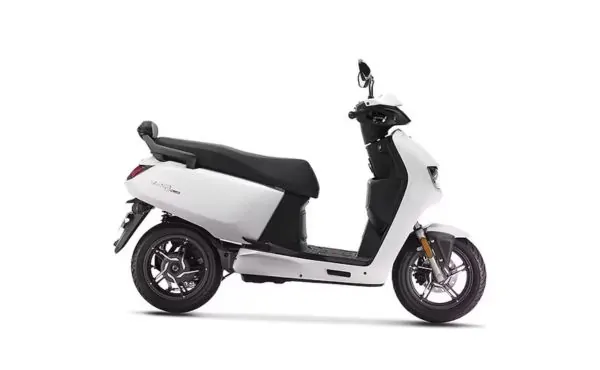
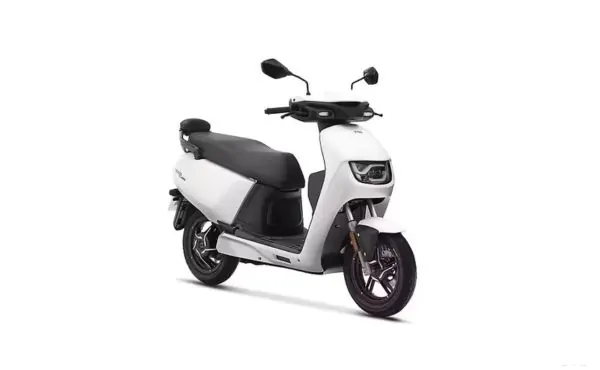
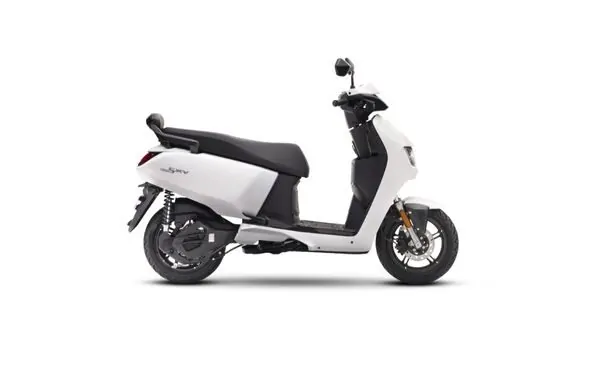
The Vida VX2 Plus has a clean, family-friendly design that focuses on practicality instead of an aggressive sports-scooter look. Its style is simple but youthful, with smooth, flowing body lines, a compact profile, and enough color contrast to keep it visually interesting.
The VX2 Plus uses the same headlamp and tail-lamp design as Vida’s V2 range, but its bodywork is distinct. It has a flatter, more approachable front apron, simpler side panels, a broad seat area, and a practical floorboard, giving it a softer and more commuter-friendly appearance than the sharper V2.
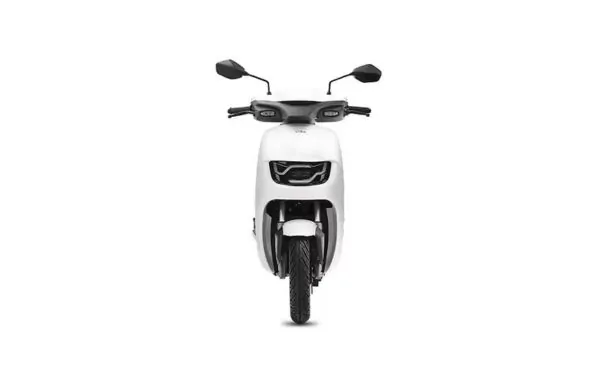
The front has an angular LED headlamp and handlebar-mounted indicators, giving it a modern look without making the scooter seem too aggressive. The side profile is uncluttered, and the rear is compact and neatly integrated with the LED tail-lamp. This makes the VX2 Plus look right for both younger riders and families in Indian cities.
The 12-inch alloy wheels, front disc brake, and the removable-battery packaging help the scooter retain a reasonably premium stance. Despite housing two removable battery modules, the VX2 Plus does not look excessively bulky, and the overall layout preserves the familiar proportions expected from a practical Indian electric scooter.
A small but distinctive visual detail is the TFT display: Vida says the 4.3-inch TFT screen changes color based on the selected riding mode. This adds a modern, tech-focused touch to the rider’s view, even though it doesn’t change the scooter’s external styling.
Colour Options And Variants
The Vida VX2 Plus is available in seven colours in India:
- Matte Lime
- Nexus Blue
- Matte White
- Pearl Red
- Pearl Black
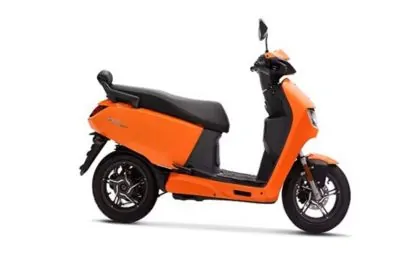
- Autumn Orange
- Metallic Grey
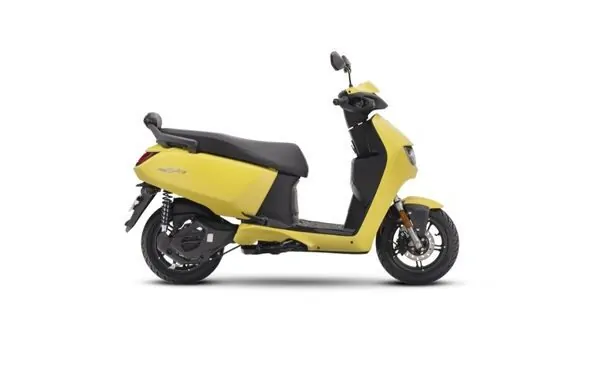
Matte Giallo Lime/Matte Lime is the brightest and most youthful shade in the range. Its yellow-green matte appearance makes the VX2 Plus look more playful and is likely to appeal to college-age buyers or riders who want a high-visibility scooter.
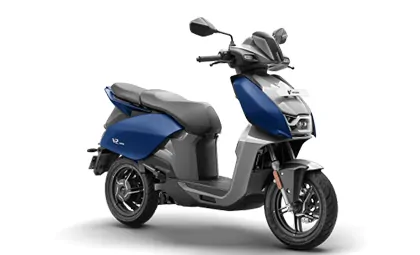
Nexus Blue offers a more elegant option. It is a glossy blue colour that looks premium without becoming too attention-seeking, making it suitable for riders who prefer a refined everyday finish.
Matte Inspired White/Matte White is the cleanest and most understated choice. The soft matte finish highlights the VX2 Plus’s flowing panels and gives the scooter a neat, practical appearance for office and family use.
Pearl Red gives the scooter its sportiest look. The bright red bodywork brings more energy to the otherwise simple design and is a good fit for buyers who want a livelier visual identity.
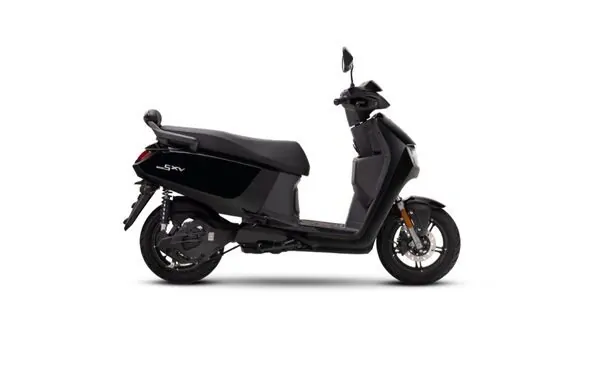
Pearl Black creates a more discreet and premium appearance. The black finish works well with the scooter’s clean lines and suits riders who prefer a mature colour that does not draw too much attention.
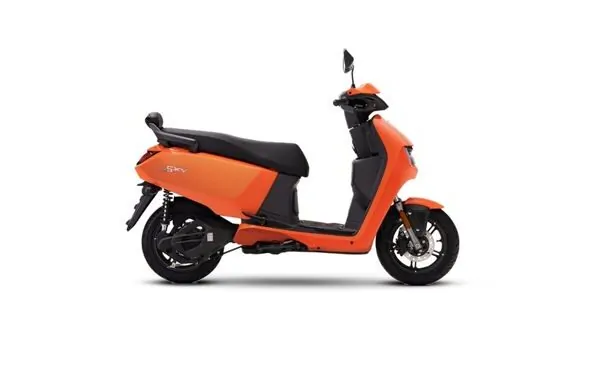
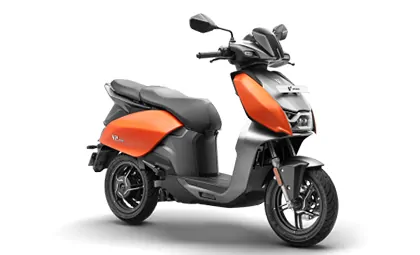
Autumn Orange is a bold, vibrant option that stands out strongly in traffic and is well matched to the scooter’s youthful styling.
Metallic Matte Gun Metal Grey/Metallic Grey is the most premium-looking shade in the range. It uses orange accents, giving the otherwise subtle grey finish a sportier and more distinctive character.
Colour availability can vary by city, production batch, and dealership stock. Before booking, buyers should check the local Vida showroom’s current inventory and confirm the exact official name of the chosen colour.
The Vida VX2 range is available in several configurations, but the VX2 Plus itself is offered in two primary battery variants:
- VX2 Plus 3.4 kWh
- VX2 Plus 4.4 kWh
The two scooters share the same core styling, chassis, suspension, braking hardware, 4.3-inch TFT display, smartphone connectivity, and three riding modes.
The VX2 Plus 3.4 kWh is the original Plus version. It uses a 3.4 kWh removable battery pack, has a claimed IDC range of 146 km, an 80 km/h claimed top speed, and comes with a 580 W portable charger.
The VX2 Plus 4.4 kWh is the new range-topping Plus variant. It uses two removable 2.2 kWh batteries for a combined 4.4 kWh capacity, has a 187 km claimed IDC range, reaches a claimed 90 km/h, and receives a 1,000 W portable charger.
The 4.4 kWh version doesn’t get a major styling or equipment update compared to the 3.4 kWh model. Its main changes are the larger battery, higher claimed range, stronger top speed, faster charger, and public fast-charging ability.
Buyers usually choose between the two Plus variants based on range, charging needs, performance, and budget, not design or features.
The wider VX2 family also includes Go variants, Battery-as-a-Service versions, and special editions in some listings. For buyers considering the VX2 Plus, the decision is straightforward: choose the more affordable 3.4 kWh version for normal city commuting or the 4.4 kWh version for the longest claimed range and better open-road flexibility.
Value For Money And Pricing
The Vida VX2 Plus is sold in two main battery versions: VX2 Plus 3.4 kWh and VX2 Plus 4.4 kWh. The VX2 Plus 3.4 kWh has been listed at ₹ 1,03,500 ex-showroom in Delhi, while the VX2 Plus 4.4 kWh was launched at ₹ 1,18,000 ex-showroom before subsidies and discounts.
The Battery-as-a-Service (BaaS) option can make the 3.4 kWh VX2 Plus much cheaper upfront because the buyer does not pay for the battery initially. There is a battery-use charge for this scheme, which may suit low-usage buyers more than riders who travel long distances every day. Availability, battery-use terms, lock-in conditions, and minimum monthly commitments must be confirmed with the local Vida dealer before choosing BaaS.
On-road pricing will vary because registration, insurance, city-level charges, accessories, and dealer offers are added to the vehicle price. For example, on-road estimates for the Plus 3.4 kWh are around ₹1.08 lakh and for the 4.4 kWh version around ₹1.19 lakh. These figures are just estimates, not guarantees.
The VX2 Plus 3.4 kWh offers the stronger value proposition for most city-focused Indian buyers. It combines a removable twin-battery setup, 142–146 km IDC range, 80 km/h top speed, 6 kW peak motor, TFT display, navigation, app connectivity, reverse assist, front disc brake, and useful storage at a price that can undercut many established premium EVs.
Its two removable batteries are a big part of its value. Owners who live in apartments, use shared parking, or park away from a socket can remove the battery modules and charge them indoors. This flexibility can be more useful than a larger fixed battery for buyers without reliable charging access at their parking spot.
The 3.4 kWh Plus is particularly attractive when bought close to the lower effective-price or BaaS figures. Even with the battery included, the VX2 Plus is among the most affordable scooters in its category; the BaaS plan reduces the upfront cost further, although the per-kilometre battery fee must be included in the long-term calculation.
The VX2 Plus 4.4 kWh delivers a different kind of value: it costs more, but brings a significantly larger battery, a claimed 187 km IDC range, a 90 km/h top speed, a faster 1 kW portable charger, and 65-minute public fast charging to 80%. It is best suited to riders with long daily commutes, frequent multi-day travel, or a desire to charge less often.
The 4.4 kWh version is harder to justify just on price. Once its on-road cost gets close to ₹1.4 to ₹1.5 lakh, buyers should compare it closely with more established premium scooters that might offer better brand familiarity, a wider service network, or different ride and storage features. The 4.4 kWh model is mainly worth it if the extra range and charging speed are truly useful in your routine.
The VX2 Plus competes in India with practical, premium, and family-oriented electric scooters. Its most direct rivals include the
- Chetak 3501
- Chetak 3502
- Chetak 3503
- TVS iQube 3.5 kWh
- TVS iQube S
- TVS iQube ST
- Ather Rizta S
- Ather Rizta Z
The Vida VX2 Plus 3.4 kWh is positioned as an affordable, feature-rich commuter EV with a flexible removable-battery setup. Its best value is in daily city use, especially for buyers who can’t charge at their parking spot but can carry batteries indoors.
The 4.4 kWh version puts the VX2 Plus in the premium long-range category. It’s no longer just the lowest-cost option, but it offers one of the best range and charging packages for Indian riders who need more distance between charges.
The final decision should depend on your daily kilometres, charging access, local service quality, and the written on-road quote for each rival, not just the headline price.
Verdict
The Vida VX2 Plus is a well-rounded electric scooter for Indian riders who want practical removable batteries, useful connected features, and better performance than a basic urban EV. The VX2 Plus 3.4 kWh is the more sensible choice for everyday city commuting, offering good real-world range, quick acceleration, easy handling, practical storage, and the flexibility to charge its batteries indoors. The VX2 Plus 4.4 kWh is better for riders who regularly travel longer distances and want extra range, a 90 km/h top speed, a faster 1 kW charger, and public fast-charging support.
However, buyers should base their decision on real-world use, not just IDC range claims. The removable batteries need to be carried and charged, the 3.4 kWh model requires a planned charging routine, and the BaaS scheme should be checked carefully since its lower upfront cost comes with ongoing battery-use payments. The VX2 Plus is best as a city and suburban commuter, while riders who travel often on highways, need ABS, or want a very soft suspension should compare it closely with alternatives like the TVS iQube, Bajaj Chetak, and Ather Rizta before deciding.
Pros
- Removable dual-battery setup:The VX2 Plus uses two removable battery modules, allowing Indian owners to charge them on the scooter or carry them indoors. This is especially valuable for apartment residents, renters, and riders with shared parking that lacks a charging socket.
- Two range-focused battery options:Buyers can choose between the VX2 Plus 3.4 kWh and the larger VX2 Plus 4.4 kWh. The 3.4 kWh version claims 146 km IDC range, while the 4.4 kWh version claims 187 km, giving buyers a choice between lower initial cost and more range headroom.
- Strong urban performance:Both Plus versions use a 6 kW motor and claim 0–40 km/h in 3.1 seconds. This gives the scooter quick pickup from traffic lights and enough response for flyovers, overtakes, and faster city roads.
- Useful top-speed flexibility:The 3.4 kWh version has an 80 km/h claimed top speed, while the 4.4 kWh version reaches 90 km/h. This makes the VX2 Plus more versatile than a low-speed city EV, particularly for open urban roads and occasional short highway stretches.
- Comfortable daily ride:Indian first-ride reports describe the VX2 Plus as comfortable, smooth, and well suited to city use. Its upright riding position, 777 mm seat height, long seat, flat floorboard, and low-vibration electric motor help reduce fatigue in stop-start traffic.
- Easy city handling:Users describe the scooter as light, nimble, stable, and easy to manoeuvre through traffic. The reverse-assist function also makes it easier to move the scooter out of tight parking spaces and apartment basements.
- Practical storage:The VX2 Plus offers a 27.5-litre under-seat compartment and a 4.8-litre front cubby. This gives riders usable space for rain gear, a small bag, phone, documents, and other daily essentials.
- Good connected-tech package:The Plus versions have a 4.3-inch TFT display, Bluetooth connectivity, turn-by-turn navigation, call/SMS alerts, OTA updates, geofencing, and remote immobilisation through the My Vida app. That makes the VX2 Plus feel more advanced than a basic commuter EV.
- Multiple riding modes and Boost mode:Eco, Ride, and Sport modes allow riders to balance range and response according to road conditions. The additional Boost mode can give the rider short bursts of stronger performance when needed.
- Fast-charging capability:The 4.4 kWh version supports a claimed 0–80% public fast charge in 65 minutes and uses a 1,000 W portable charger for faster home charging. The 3.4 kWh version also supports fast charging, quoting roughly 62 minutes for a 0–80% top-up.
- Good weather protection:The battery packs are IP67-rated for dust and water resistance. This gives owners more confidence when riding in normal Indian monsoon conditions, although the scooter should not be deliberately used in deep water.
- Front disc brake with CBS:The VX2 Plus uses a front disc brake, rear drum brake, and Combined Braking System. This provides more controlled everyday braking than a basic drum-brake-only setup.
- Potentially low entry cost with BaaS:The Battery-as-a-Service option can reduce the upfront cost of the 3.4 kWh VX2 Plus because the battery cost is separated from the scooter purchase. This can be helpful for buyers who prioritise a lower initial payment.
Cons
- Real-world range is significantly lower than the IDC claim:The 3.4 kWh version claims 142–146 km IDC range, but Indian users estimate roughly 100–110 km in realistic mixed use. Some users mention 100 km in Eco mode, around 80 km in mixed riding, and about 60–65 km in Sport mode.
- Battery modules require lifting and carrying:Removable batteries are convenient, but the rider still needs to remove, carry, and reconnect two modules. This can be inconvenient for elderly users, people living on upper floors, or anyone who has to carry the batteries a long distance.
- Home charging is not instant:The VX2 Plus 3.4 kWh takes around 4 hours 44 minutes for a claimed 0–80% charge with its 580 W portable charger. The 4.4 kWh version is quicker with its 1 kW charger, but owners still need to plan overnight or workday charging.
- Rear-brake response could be sharper:First-ride reports praise the front brake but note that the rear brake’s initial response could be stronger. This is worth checking on a test ride, particularly for riders who frequently carry a pillion or travel at faster speeds.
- Front suspension can feel firm:Some users found the rear suspension comfortable at low speeds but felt that the front forks were somewhat stiff over sharper bumps. The scooter handles ordinary city potholes and speed breakers reasonably well, but very rough roads may not feel as plush as on some comfort-focused rivals.
- No ABS or hazard-light switch:The VX2 Plus does not get ABS or a hazard-light switch. This may not matter to every commuter, but buyers expecting a more comprehensive safety package may consider it a limitation.
- BaaS adds an ongoing usage cost:Battery-as-a-Service lowers the purchase price but introduces a per-kilometre battery payment. Some reports mention a charge of ₹0.96 per km for the Plus, so high-mileage users need to calculate the long-term subscription cost before choosing this plan.
- BaaS terms need close scrutiny:The actual financial value of BaaS depends on the per-kilometre rate, monthly minimums, contract terms, and whether the rider’s distance remains within the plan’s assumptions. It can be useful for low-use buyers but may become less attractive for people who travel long distances frequently.
- Feature and charging benefits depend on local infrastructure:The 4.4 kWh model’s public fast-charging benefit depends on the availability of compatible Vida chargers in the owner’s city and regular travel area. Riders in smaller towns may still depend largely on the portable home charger.
- Not built for regular highway touring:The 3.4 kWh version’s 80 km/h top speed and real-world range make it best for city and suburban use. Even the 4.4 kWh version’s 90 km/h top speed is better suited to occasional short open-road trips than frequent long-distance highway riding.
Frequently Asked Questions About Vida Vx2 Plus
1. What Is The Range Of The Vida Vx2 Plus?
The Vida VX2 Plus 3.4 kWh has an IDC-certified range of 142 to 146 km per full charge, and the 4.4 kWh version is rated at 187 km. In everyday Indian conditions, the 3.4 kWh model usually gives about 100 to 110 km per charge, depending on how you ride, your speed, traffic, and rider weight.
2. What Is The Ex-showroom Price Of The Vida Vx2 Plus In India?
The Vida VX2 Plus 3.4 kWh costs ₹1,03,500 ex-showroom in Delhi, and the 4.4 kWh version costs ₹1,18,000 before any subsidies or discounts. On-road prices change from city to city because of registration, insurance, local fees, and dealer offers. It’s best to check the exact price with your local Vida dealer.
3. What Is The Top Speed Of The Vida Vx2 Plus?
The Vida VX2 Plus 3.4 kWh has a top speed of 80 km/h, and the 4.4 kWh version can reach 90 km/h. Both models can accelerate from 0 to 40 km/h in 3.1 seconds, so they pick up speed quickly at traffic lights and for overtaking. They are best for city and suburban riding.
4. How Long Does The Vida Vx2 Plus Take To Charge?
The 3.4 kWh version uses a 580 W portable charger and takes about 4 hours and 44 minutes to charge from 0 to 80%. The 4.4 kWh version has a faster 1,000 W charger, so it takes about 3 hours and 17 minutes for the same charge. It also supports public DC fast charging, which can top up from 0 to 80% in 65 minutes.
5. What Colour Options Are Available For The Vida Vx2 Plus?
The Vida VX2 Plus comes in seven colours in India: Matte Lime, Nexus Blue, Matte White, Pearl Red, Pearl Black, Autumn Orange, and Metallic Grey.
Other Related Links From Bikeleague India
List Of All Vida Electric Scooters
About Vida Electric Scooters
VIDA is Hero MotoCorp’s electric-mobility brand in India. It launched in 2022 with the premium V1 electric scooter and has since grown into a wider EV platform that includes family scooters, commuter products, future concepts, and planned electric motorcycles. By FY2026, VIDA’s market share in India’s electric two-wheeler segment rose from about 6% to 11%, making it one of the fastest-growing EV brands from an established manufacturer.
Hero MotoCorp created VIDA to lead its move into electric mobility. Instead of adding EVs to its regular petrol-powered lineup, Hero set up VIDA as a separate brand focused on electric vehicles, digital services, charging access, and new ownership options.
The word “Vida” means “life” in Spanish, showing the brand’s focus on lifestyle and technology. The first product, the VIDA V1, came out in 2022, followed by the V1 Pro and V1 Plus. The lineup later grew to include the VIDA V2 and VX2 scooters, helping the brand reach premium, family, and budget-conscious commuter buyers.
| Aspect | VIDA’s position |
|---|---|
| Parent company | Hero MotoCorp |
| Brand focus | Electric two-wheelers and connected mobility |
| India launch | 2022 |
| First product | VIDA V1 electric scooter |
| Current product direction | Electric scooters, off-road EV concepts, future electric motorcycles |
| Core market | India, with international expansion plans |
History And Growth
Hero MotoCorp introduced VIDA as its EV brand in March 2022 and launched its first electric scooter later that year. This move marked the company’s direct entry into India’s fast-growing electric two-wheeler market.
The first V1 was a premium electric scooter made at Hero MotoCorp’s green plant in Chittoor, Andhra Pradesh. Deliveries started in a few cities and then expanded to more locations over time.
VIDA grew slowly at first compared to newer EV brands, but picked up speed as Hero added more models, expanded its network, and offered easier ways to buy and own batteries. By FY2026, VIDA had sold over 151,000 electric two-wheelers, nearly tripling its sales from the previous year.
The VX2 became a key product for VIDA, helping the brand move beyond just premium scooters. VIDA also introduced battery-as-a-service (BaaS) to lower upfront costs for some customers, making electric scooters easier to afford.
| Period | Major development |
|---|---|
| March 2022 | Hero MotoCorp launched the VIDA EV brand. |
| 2022 | VIDA V1 was unveiled and production began at Chittoor. |
| 2024 | VIDA announced broader international ambitions, including plans for Europe and the UK. |
| FY2026 | VIDA recorded more than 151,000 retail sales and nearly 190% growth. |
| July 2026 | VIDA refreshed its brand identity and presented a broader mobility portfolio. |
| August 2026 | Cumulative VIDA retail sales crossed 300,000 units. |
Key Milestones And Developments
VIDA has grown by expanding its product range, increasing its retail presence, and moving from a single premium scooter to a lineup that covers several EV segments.
VIDA first launched in India with the V1 series, which featured a removable battery and smart features. Later, the V2 and VX2 models were added to attract more family and commuter buyers.
In July 2026, Hero MotoCorp updated VIDA’s brand identity. The company said VIDA had grown from a single EV product to a full mobility platform, including scooters, the DIRT.E off-road electric motorcycles, and the NOVUS future-mobility concepts.
| Milestone | Details |
|---|---|
| VIDA brand launch | Hero MotoCorp created VIDA as its dedicated electric-mobility brand in 2022. |
| First scooter | VIDA V1 marked Hero MotoCorp’s first direct electric two-wheeler offering. |
| Product expansion | V2 and VX2 scooters expanded the portfolio into additional price and usage segments. |
| Retail milestone | VIDA crossed 300,000 cumulative retail sales by 1 August 2026. |
| Market-share progress | The brand increased its e-two-wheeler market share from approximately 4% in CY2024 to 11% in CY2026 year-to-date. |
| Wider product vision | DIRT.E concepts and NOVUS concepts signalled plans beyond urban scooters. |
| Motorcycle programme | Hero MotoCorp confirmed that its first electric motorcycle is targeted for 2027. |
Manufacturing Facilities
VIDA scooters are made at Hero MotoCorp’s Chittoor plant in Andhra Pradesh, known as the company’s green factory. This plant in the Tirupati region has a modular design, so Hero MotoCorp can increase EV production as needed.
At first, the plant had one EV production line, while the rest of the site made petrol-powered two-wheelers. The Chittoor plant is key for VIDA, as it lets Hero MotoCorp build, design, and scale its EVs in India.
In July 2026, Hero MotoCorp said the Tirupati plant would manage all of its VIDA electric vehicles, with design, engineering, and manufacturing done locally. The company plans to reach an annual capacity of 1.2 to 1.5 million units as part of its Andhra Pradesh expansion. This is a future goal, not a current production level.
| Facility or capability | Location | Role in VIDA operations |
|---|---|---|
| VIDA EV manufacturing plant | Chittoor/Tirupati region, Andhra Pradesh | Produces VIDA electric two-wheelers. |
| Dedicated EV production line | Chittoor facility | Supports electric-scooter assembly and scalable production. |
| Proposed Global Parts Centre | Madanapalem, Tirupati district, Andhra Pradesh | Intended to strengthen EV supply-chain and logistics capability. |
| Hero MotoCorp R&D support | CIT, Jaipur and Tech Centre Germany | Supports vehicle development, technology, and innovation. |
VIDA also benefits from Hero MotoCorp’s large manufacturing network. The company runs six factories in India and two abroad, in Colombia and Bangladesh, while most electric production is now focused in Andhra Pradesh.
Market Position And Achievements
VIDA is now an important part of India’s electric two-wheeler market, which is very competitive and includes brands like TVS, Bajaj, Ather, Ola Electric, and others.
By August 2026, VIDA had sold a total of 300,458 units. It took about 33 months to sell the first 100,000, but the next 100,000 sold in just over seven months, showing much faster growth recently.
In 2026 so far, VIDA had about 11% of India’s electric two-wheeler market, ranking behind TVS, Bajaj, and Ather, but ahead of many newer brands. VIDA’s retail network had grown to over 900 locations in 415 cities, with support from more than 700 dealers.
| Area | VIDA’s status |
|---|---|
| Cumulative retail sales | 300,458 units by 1 August 2026. |
| FY2026 retail sales | More than 151,000 units. |
| Market share | Approximately 11% in CY2026 year-to-date. |
| Retail coverage | 900+ touchpoints across 415 cities. |
| Dealer base | 700+ dealers reported. |
| Primary strength | Backing of Hero MotoCorp’s manufacturing capability and network |
| Growth driver | Expanded portfolio and BaaS-based lower-upfront-cost option. |
VIDA’s main achievement is how quickly it moved from offering just one premium scooter to becoming a more accessible EV brand. Thanks to Hero MotoCorp’s size, a bigger dealer network, and more affordable products, VIDA can now better compete for mainstream customers.
Future Plans
VIDA plans to expand its product range, boost production, reach more international markets, and develop electric motorcycles.
Hero MotoCorp has confirmed its first electric motorcycle will launch in 2027. Two new platforms are being developed: UBEX, for a street-naked bike, and VXZ, a high-performance adventure platform made with Zero Motorcycles. These are different from VIDA’s current scooter designs.
Hero MotoCorp also plans to raise monthly VIDA scooter production from about 15,000 units at the end of FY2026 to around 45,000 units in FY2027. The company has announced over ₹1,500 crore in planned investment for expanding scooter and EV capacity in FY2027.
| Future focus | Planned direction |
|---|---|
| Scooter portfolio | Continue expanding V2 and VX2-led offerings across customer segments. |
| Electric motorcycles | First production electric motorcycle targeted for 2027. |
| UBEX platform | Dedicated street-naked electric motorcycle architecture. |
| VXZ platform | Higher-performance, adventure-oriented electric motorcycle platform developed with Zero Motorcycles. |
| Production scale | Planned increase to about 45,000 VIDA units per month during FY2027. |
| International strategy | VIDA-led expansion into Europe and the UK was announced as part of Hero MotoCorp’s global EV plans. |
| Manufacturing ecosystem | Greater EV manufacturing, parts, logistics, and local engineering activity in Andhra Pradesh. |
VIDA represents Hero MotoCorp’s plan to build a lasting electric-mobility business, not just sell electric scooters. Since 2022, VIDA has expanded from the V1 to a broader lineup with the V2 and VX2 scooters, and has announced future products like DIRT.E and NOVUS.
VIDA’s future success will rely on keeping up product momentum, offering strong customer support, expanding charging and retail networks, and scaling up production. If Hero MotoCorp follows through on its plans for local manufacturing, EV motorcycles, and international growth, VIDA could become one of India’s leading full-range electric two-wheeler brands.
Other Related Links From Bikeleague India
User Reviews
There are no reviews yet. Be the first one to write one.

Hiran Narayanan
Founder & CTO at Bikeleague India
Hiran Narayanan is the Founder and CTO of Bikeleague India, bringing over 15 years of experience in motorcycle technical writing. He develops detailed analyses, tools, model overviews, and blogs that contribute to bikeleague.in's improving rankings.