
Introduction
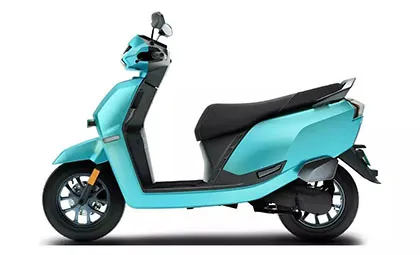
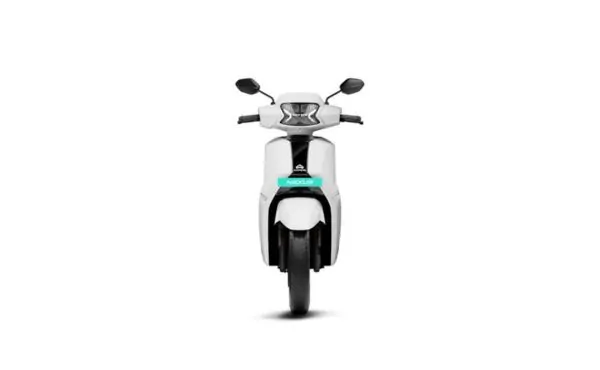
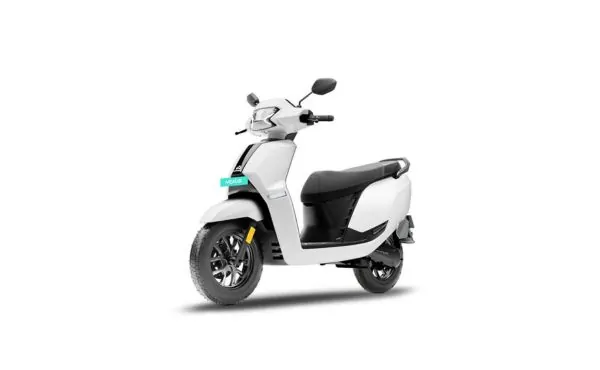
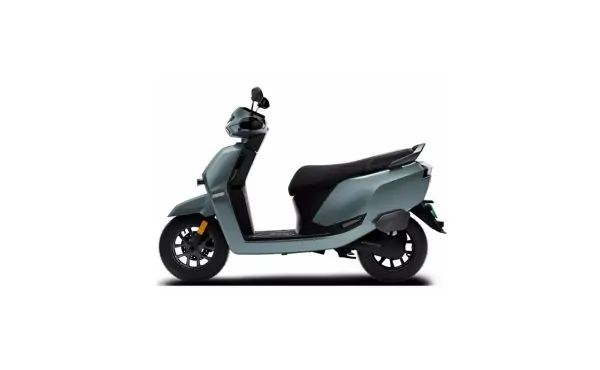
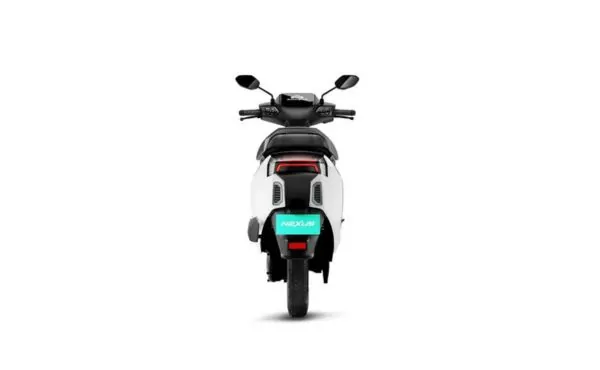
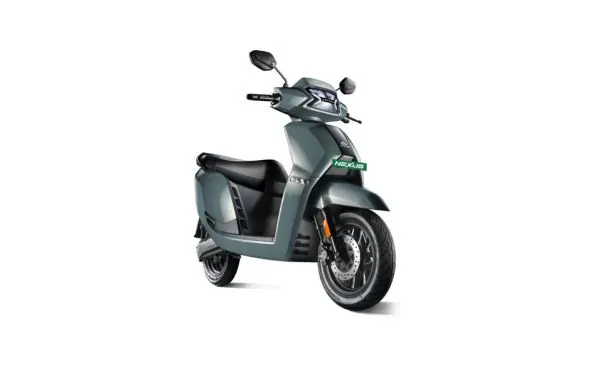
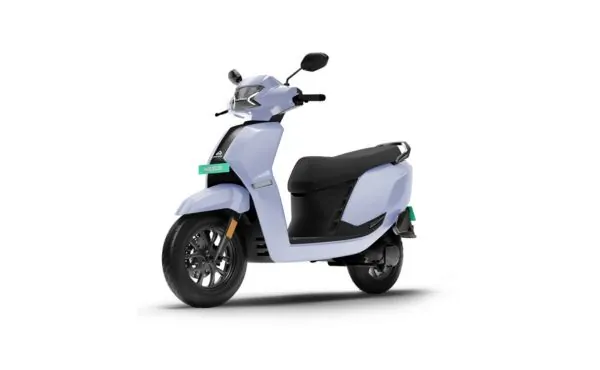
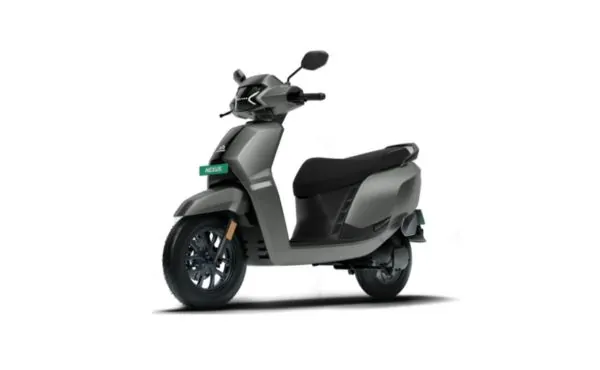
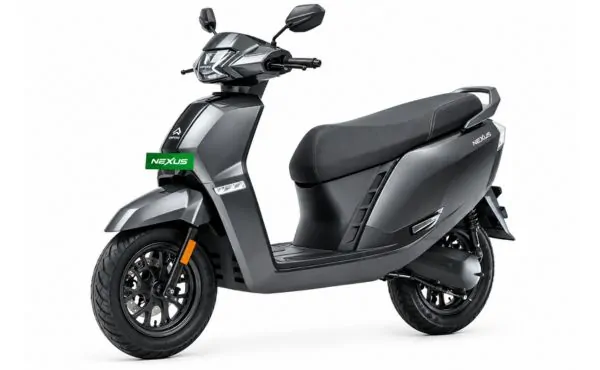
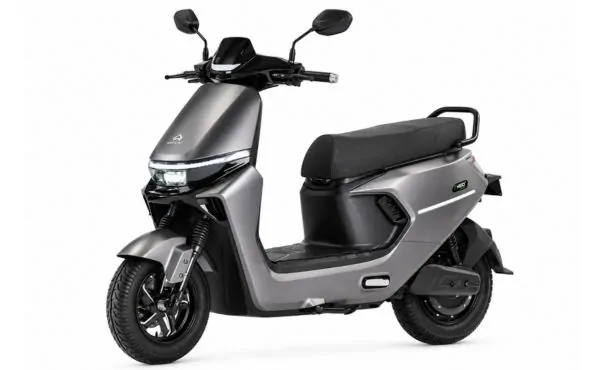
The 2026 Ampere Nexus EX is Greaves Electric Mobility’s new family-friendly electric scooter for India. It uses a patented hybrid energy system to recover power during braking and slowing down. The strong SPFH 590 chassis and IP67-rated battery keep it safe from rain and dust. You can choose from colours like Lunar White, Steel Grey, Indian Red, and Zanskar Aqua. The scooter has a roomy 712 mm seat, a 235 mm floorboard, and 24 litres of underseat storage, making it practical for everyday family needs.
Gallery
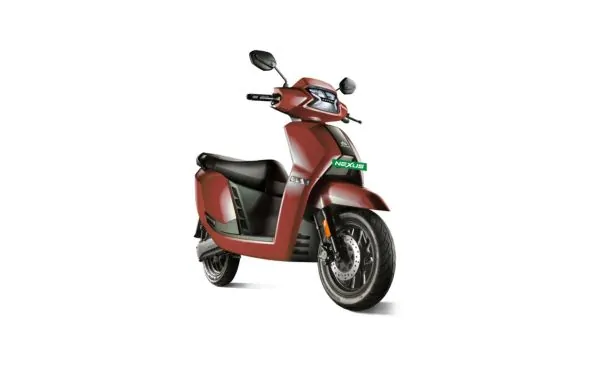
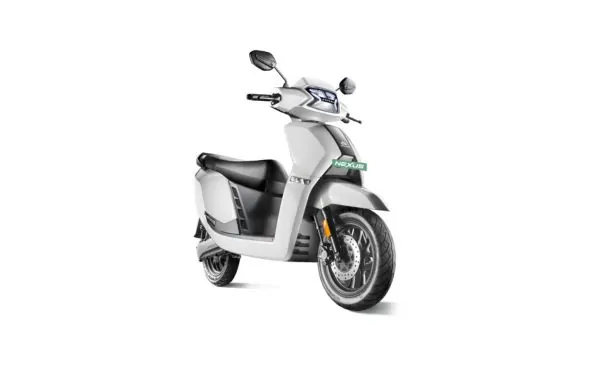
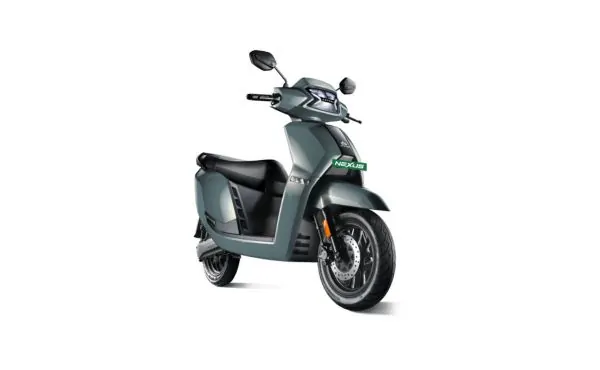
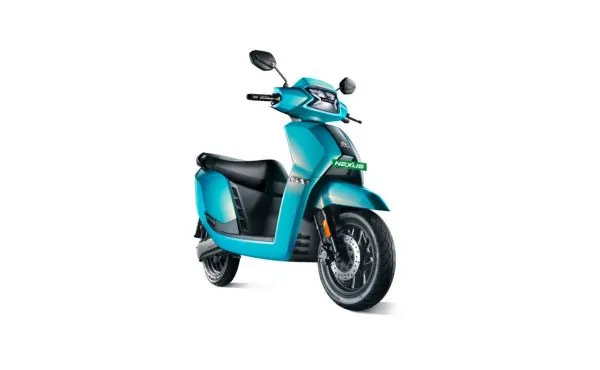
Key Specifications

Battery Type
LFP

Range
136 km / Charge

Charging Time
3.3 Hrs

Kerb Weight
118 KG

Max Speed
93 km/h

Rated Power
3300 W

Rear Suspension
DUAL SHOCK

Payload
200 KG
Ratings
- %
Performance
- %
Features
- %
Handling
- %
Comfort
- %
Build Quality
- %
Styling
- %
Value for Money
- %
Total
Ratings calculation is purely based upon pros and cons of the model given below in the overview section.
Price

Special Features
1
Call/sms Alerts
2
Hill Hold Assist
3
5 Riding Modes
4
6.2″ Digital Display
5
Ota Software Updates
6
Mobile App Connectivity
7
Stand Alarm
8
Low Battery Indicator
9
Limp Home Mode
10
Usb Charging Port
11
Led Turn Signal
12
Hazard Warning
Full Specifications
| City | 100–105 km/Charge |
| Highway | 130–136 km/Charge |
| Motor Type | PMSM |
| Maximum Speed | 93 km/h |
| Rated Power | 3300 W |
| Transmission | Automatic |
| Battery Charging Time | 3.3 Hours |
| Speedometer | Digital |
| Tachometer | No |
| Trip Meter | Yes |
| Battery Level Indicator | Yes |
| Low Battery Indicator | Yes |
| Start Type | Electric Start |
| Clock | Yes |
| Pass Light | Yes |
| Stand Alarm | Yes |
| Tyres (Front) | 12 Inches |
| Tyres (Rear) | 12 Inches |
| Brakes (Front) | Disc |
| Brakes (Rear) | Drum |
| Chassis | Underbone Frame |
| Front Suspension | Telescopic Fork |
| Rear Suspension | Dual Shock Absorber |
| Wheelbase | 1319 mm |
| Ground Clearance | 170 mm |
| Seat Height | 765 mm |
| Pass Light | Yes |
| Battery Type | Lithium-ion Battery |
Ampere Videos
[slide-anything id=”45869″]
Overview
Performance And Motor
The Nexus EX has a mid-mount PMSM motor with 3.3 kW of regular power and 4 kW at its peak. It accelerates quickly and offers five riding modes: Eco (up to 42 km/h), City (up to 63 km/h), Power (full speed), Reverse (3 km/h for parking), and Limp Home (for low battery). It can climb slopes up to 16 degrees, carry up to 200 kg, and uses hydraulic front suspension with dual rear shocks for steady handling. In real-world use, the power comes on smoothly with little delay in Power mode, making it suitable for overtaking in traffic.
The Nexus EX uses a single-speed automatic belt drive, so there are no clutches or gears to worry about. This means less maintenance, even with India’s changing road conditions. The reverse assist helps with parking in tight spaces, and the drive system is efficient in all modes. You can also get software updates over the air to improve performance.
Top speed reaches 93 km/h in Power mode, with mode-specific limits of 63 km/h in city and 42 km/h in Eco, prioritising range or safety on Indian highways and city streets. User reviews confirm consistent 90+ km/h achievement on flat roads, outperforming 88% of competitors in acceleration from standstill. The digital speedometer with high-beam and hazard indicators aids precise control during high-speed runs.
Range
The 3 kWh LFP battery is ARAI-certified for 136 km per charge in standard tests. It comes with a 5-year or 75,000 km warranty and is waterproof to IP67 standards. This makes the Nexus EX a good fit for India’s EV subsidies, and the battery works well even in hot weather. Full LED lighting and low-battery alerts help you ride longer without worry.
In real-world use, most riders get 100-105 km per charge in mixed conditions. With a passenger, heavy traffic, or AC, the range drops to 80-100 km, but Eco mode helps stretch it for daily commutes. Some reviews mention 70-85 km for heavy loads or hilly areas, even though the display first shows 105 km. Features like 170 mm ground clearance and tubeless tyres also affect efficiency on rough Indian roads.
Charging Time
Charging from 0 to 100% takes 3.3 hours with the standard 15A home charger. If you use the optional 25A fast charger, it drops to 2.3 hours, which is handy for quick top-ups in the city. The portable charger has USB ports and works with regular home sockets across India. You get low-battery alerts via a Bluetooth app, and the swappable battery and roadside assistance keep downtime to a minimum.
Features And Technology
The Ampere Nexus EX comes packed with features designed for Indian riders, focusing on family use, easy connectivity, and long-lasting build quality from Greaves Electric Mobility.
- Mid-mount PMSM motor: 3.3 kW nominal power (4 kW peak) with belt-driven single-speed automatic transmission for smooth acceleration and low maintenance in Indian conditions.
- Riding modes: Five selectable modes, including Eco (42 km/h limit), City (63 km/h), Power (93 km/h top speed), Reverse (3 km/h for easy parking), and Limp Home (activates below 20% battery for safe return).
- LFP battery: 3 kWh capacity with IP67 waterproof rating, 5-year/75,000 km warranty, and thermal stability suited to India’s hot and humid climate.
- Instrument console: 6.2-inch PMVA digital display showing speedometer, odometer, tripmeter, clock, high beam indicator, hazard warning, and low battery alerts.
- Bluetooth connectivity: Supports mobile app integration for calls/SMS alerts, low battery notifications, roadside assistance tracking, and software-over-the-air (OTA) updates.
- Charging system: Standard 15A portable home charger (3.3 hours 0-100%), optional 25A fast charger, USB charging port, and charging point with water ingress protection.
- Lighting setup: Full LED headlight, taillight, turn signals, and DRLs for superior visibility on Indian roads, plus boot light for underseat access.
- Braking and safety: Front disc brake, rear drum brake, hill hold assist, 16-degree gradeability, stand alarm, and reverse assist for confident control.
- Suspension and chassis: Hydraulic telescopic front forks, dual rear shocks, 4x strong high-ultimate tensile strength SPFH 590 underbone frame for pothole-ridden streets.
- Dimensions and ergonomics: 765 mm seat height, 170 mm ground clearance, 1319 mm wheelbase, 712 mm single seat length, 235 mm floorboard, and 200 kg load capacity.
- Storage solutions: 24-litre underseat storage, front storage box, additional storage space, passenger footrest, and pillion grab rail for family practicality.
- Tyres and wheels: Tubeless 90/90-12 MRF tyres on 12-inch alloy wheels (304.8 mm size) for grip and puncture resistance on varied Indian surfaces.
- Additional conveniences Include: Push-Button start, passenger seat, hazard warning lights, a digital console with touch controls, and pan-India roadside assistance.
- Colour options: Lunar White, Steel Grey, Indian Red, Zanskar Aqua for stylish appeal in the Indian market.
Build Quality
The Ampere Nexus EX uses a robust SPFH 590 steel frame, which is said to be four times as tough as a standard chassis. This helps it handle India’s rough roads and heavy loads up to 200 kg. The hydraulic front forks and dual rear shocks add to its solid, sturdy feel.
Some users report that the plastic body can scratch or sustain minor damage in falls, and that fibre parts can show on the panels. The tubeless tyres and alloy wheels help prevent punctures, and the IP67-rated parts protect against rain. While real-world tests praise its solid build, the limited service network is a downside for long-term reliability.
Handling
The Nexus EX feels nimble and light to handle, thanks to its mid-mount motor and low centre of gravity. The 1319 mm wheelbase makes it easy to turn and move through busy city traffic. With 170 mm ground clearance and the ability to climb 16-degree slopes, it handles twisty roads well, and the tyres grip nicely even during lively rides.
The front forks can shake a bit over rumble strips or rough patches, which can affect balance. The reverse mode at 3 km/h helps with parking, and the stiff suspension keeps the scooter stable at speeds up to 93 km/h. This makes it steady and predictable, which is suitable for families.
Comfort
The 712 mm-long, well-padded seat is 765 mm high and comfortably fits two adults. There’s a lightweight aluminium grab rail for the passenger and a 235 mm floorboard, so you can sit relaxed on long rides. The suspension handles small bumps well on smooth roads.
However, the stiff rear shocks can make bigger potholes or bumps at high speed feel rough for the rider, though the roomy seating helps a bit. The special twin-suspension swingarm delivers a confident ride. Still, some reviews suggest the front suspension could be softer to better handle India’s rough roads.
Styling
The Ampere Nexus EX has flat body panels with subtle lines for style, a diamond-cut LED headlamp, and a unique tail lamp for good visibility. Its curves are inspired by birds and Indian art. The large boot, light aluminium grab handle, and special design touches, like the stylish front trunk, combine looks and practicality, with small surprises for those who notice details.
The strong exoskeleton, four times tougher than usual, gives the scooter a strong presence on the road without making it bulky. The roomy 235 mm floorboard and fibre-reinforced panels create a modern, practical look that Indian reviewers say stands out from other electric scooters.
Colour Options And Variants
The Nexus EX comes in six striking shades:
- Zanskar Aqua
- Steel Grey
- Lunar White
- Indian red
- Graphite Black
- Galactic Grey
The matte and glossy finishes help protect against dust and rain, and users say the paint is durable. Photos show Indian Red looking bright on highways, Lunar White looking clean in the city, Steel Grey giving a professional feel, and Zanskar Aqua offering a fresh look. All these colours are available on the EX model.
In India, the Nexus comes in two versions: EX and ST. The EX is the entry-level model with a 6.2-inch PMVA display, a 3 kWh LFP battery, and a mid-mount motor, emphasising value. The ST has a 7-inch TFT touchscreen and more advanced features. Both versions have the same look, colours, frame, and motor.
Still, EX omits ST’s turn-by-turn navigation and premium audio integration, making it ideal for budget-conscious families seeking the same 136 km ARAI range and 93 km/h top speed. EX’s positioning as the practical choice with pan-India availability. At the same time, ST commands a ₹10,000-15,000 premium for tech upgrades, both of which are backed by 5-year battery warranties.
Value For Money And Pricing
The Ampere Nexus EX costs ₹ 0 ex-showroom in Delhi. It offers good value with a real-world range of 100 to 105 km, a top speed of 93 km/h, and a full charge time of 3.3 hours from its 3 kWh IP67-rated LFP battery. At about ₹1.2 lakh, the Nexus is described as a “perfect all-round, family-oriented electric scooter” because of its performance, easy handling, spacious seating, and solid features for the price.
Many users call the Nexus “exceptional value for money” and say it is “reasonably priced” for what it provides. Its running costs per kilometre are lower than those of petrol scooters in the same price range. According to Ampere’s cost breakdown, the EX’s yearly energy costs are much less than a similar petrol scooter, making it a strong choice for city riders in India.
In India, the Nexus EX competes in the busy ₹1.1 to 1.4 lakh electric scooter segment. Its main competitors are other family or commuter-focused electric scooters, not the high-end flagship models.
- TVS iQube
- Bajaj Chetak
- Ather 450S
- Ather 450X
- Ather Rizta
- Ola S1 Pro
- Ola S1 X
Verdict
The Ampere Nexus EX is a good option for daily commuting for Indian families. It can reach 93 km/h and usually gives 100-105 km per charge, with a full charge taking just 3.3 hours. Its strong SPFH 590 frame and 24-litre storage make it practical for city life.
The scooter handles well, has a low centre of gravity, and offers five riding modes, including Reverse. It’s reliable on rough roads and in the rain. The IP67-rated LFP battery has a 5-year warranty, and the scooter accelerates and climbs hills better than most basic EVs at this price.
The scooter comes in a stylish Arctic Tern design, with colour options such as Zanskar Aqua and Indian Red. It also has Bluetooth alerts and over-the-air updates for easier use. The stiff suspension and limited service network mean you should test ride it in your area first. Overall, it’s a strong choice for daily riders covering 50-100 km, especially if you have good dealer support nearby. It competes well with both budget and premium brands like Ola and Ather.
Pros
- High top speed of 93 km/h: Achieves in Power mode with 0-40 km/h sprint in 4 seconds via 4 kW peak mid-mount PMSM motor, outperforming 88% of rivals for highway overtakes in India.
- Practical real-world range: Delivers 100-105 km per charge in mixed city use, extending to 110 km in Eco mode, ideal for daily Indian commutes with regenerative braking recovery.
- Fast 3.3-hour charging: Standard 15A home charger suits overnight top-ups, with optional 25A fast charger and portable design compatible with Indian sockets for minimal downtime.
- Ample family storage: 24-litre underseat boot, front frunk, 235 mm floorboard, and pillion grab rail accommodate helmets, groceries, and two adults, with a comfortable 200 kg payload.
- Five versatile riding modes: Eco (42 km/h, max range), City (63 km/h), Power (full speed), Reverse (3 km/h parking aid), and Limp Home (safe return at 20% or less battery).
- Robust IP67 LFP battery: 3 kWh capacity with 5-year/75,000 km warranty, thermal stability for hot climates, and OTA updates enhancing longevity on dusty roads.
- Premium styling appeal: Arctic Tern-inspired curves, full LED lighting, and four colours (Zanskar Aqua, Lunar White, Steel Grey, Indian Red) offer standout looks without premium pricing.
- Low running costs: Under ₹0.15/km with economical operation, pan-India roadside assistance, and tubeless 90/90-12 MRF tyres resisting punctures on potholed streets.
- Stable handling traits: 170 mm ground clearance, 16-degree gradeability, and a low CG from the mid-mount motor enable confident city weaving and handling on inclines, with a 1319 mm wheelbase.
- Feature-rich basics: Bluetooth app for alerts/OTA, 6.2-inch PMVA console, hill hold, stand alarm, and hazard lights add daily usability for Indian families.
Cons
- Range shortfall in loads: Drops to 70-85 km with pillion, traffic, or AC, below 136 km ARAI claim due to Indian heat, weight, and speeds over 45 km/h.
- Stiff rear suspension: Transmits potholes harshly after 30 km, causing fatigue on bad roads despite telescopic fronts; needs softer tuning for comfort.
- Jerky low-speed throttle: Noticeable lag or snatchiness in stop-go traffic, frustrating urban riders compared to smoother rivals like Ather.
- Average plastic quality: Body panels scratch easily in falls or parking scrapes, with fibre showing through; lacks the premium feel of higher-end EVs.
- Limited service network: Sparse dealer network causes delays in maintenance/spares across Tier-2/3 cities, eroding post-sale confidence despite the warranty.
- Fundamental display limitations: 6.2-inch PMVA screen is poor in sunlight, lacks ST’s TFT navigation/voice assist, reducing usability in glare-heavy India.
- No advanced safety: Misses traction control, ABS, or auto hill-hold refinements, feeling basic against feature-loaded competitors at similar prices.
- Weight perception: 108 kg kerb weight feels bulky for solo women riders in tight manoeuvres, despite a nimble wheelbase.
Other Related Links From Bikeleague India
List Of All Ampere Electric Scooters In India
About Ampere Electric Scooters
Ampere is an Indian electric scooter brand owned by Greaves Electric Mobility Ltd. (GEML), which is part of Greaves Cotton’s electric mobility business. Founded in 2008, Ampere was one of India’s first electric two-wheeler brands. It started out making low-speed, affordable scooters and has since grown into a wider EV brand, offering everything from entry-level city scooters to more premium models.
Ampere focuses on making electric mobility affordable, especially with scooters that cost less than ₹1 lakh. Unlike brands that target high performance, Ampere aims to help regular petrol-scooter users, including those in smaller cities and semi-urban areas, switch to electric vehicles.
Today, Ampere is Greaves Electric Mobility’s electric two-wheeler brand. It offers several scooter models for different budgets and needs,
| Aspect | Ampere’s position in India |
|---|---|
| Brand origin | India |
| Founded | 2008 |
| Original headquarters | Coimbatore, Tamil Nadu |
| Parent company | Greaves Electric Mobility Ltd. |
| Parent-group link | Greaves Cotton Ltd. |
| Product category | Electric scooters |
| Core focus | Affordable, practical urban mobility |
| Key customer segments | First-time EV buyers, daily commuters, families and value-conscious users |
Ampere stands out because of its long history in the market. The company has sold and serviced electric scooters through different technology phases, from early lead-acid batteries to lithium-ion, and now to connected, higher-performance scooters.
History And Growth
In its early years, Ampere mainly sold low-speed scooters for short trips in South India. During the 2010s, it slowly entered more markets and improved its products with better batteries, longer range, and easier use.
Around 2016 to 2017, Ampere started switching to lithium-ion batteries. This change mattered because lithium-ion batteries are lighter, store more energy, and perform more reliably than traditional lead-acid batteries.
Greaves Cotton bought Ampere in 2018, which was a big change for the brand. Being part of a larger engineering and mobility group helped Ampere grow across India, add more dealers, and start making more scooters locally.
Ampere grew even faster after launching new models like the Magnus, Primus, and Nexus. The Nexus, which came out in 2024, was Ampere’s first step into the premium segment, but the brand still focused on practical and affordable scooters.
| Period | Major development |
|---|---|
| 2008 | Ampere Vehicles was founded in Coimbatore. |
| 2011–15 | Expanded through South Indian markets with affordable electric scooters. |
| 2016–17 | Began transition from lead-acid to lithium-ion battery technology. |
| 2018 | Greaves Cotton acquired Ampere Vehicles. |
| 2019–20 | Expanded into more than 200 Indian cities during the FAME II period. |
| 2024 | Ampere Nexus was launched as the brand’s flagship LFP-battery scooter. |
| FY2026 | Retail sales rose 51% year-on-year to 61,641 units; market share reached 4.4%. |
| June 2026 | Ampere crossed 400,000 scooters manufactured and sold in India. |
Key Milestones And Developments
Ampere’s story is tied to the growth of India’s electric scooter industry. The company started before electric vehicles were common, so it had to grow its business when battery technology, charging options, and customer trust were still developing.
Switching to lithium-ion and later to lithium iron phosphate (LFP) batteries was a key step for Ampere. LFP batteries are known for their stability and long lifespan, which suits Indian conditions and appeals to buyers focused on long-term costs.
| Milestone | Details |
|---|---|
| Early EV presence | Ampere entered India’s EV sector in 2008, making it one of the earlier domestic e-scooter brands. |
| Greaves acquisition | Greaves Cotton acquired the company in 2018, strengthening its manufacturing and expansion capability. |
| National expansion | Ampere expanded into 200+ cities during 2019–20. |
| Premium-range entry | Nexus launched in 2024 as a flagship LFP-battery scooter. |
| Warranty expansion | Five-year/75,000km warranty coverage was extended to Magnus Grand and Magnus G Max in 2025. |
| Value-model launch | Reo 80 was launched in 2026 at ₹59,900, aimed at the entry-level LFP scooter market. |
| Production milestone | Ampere exceeded 400,000 electric scooters manufactured and sold in India by June 2026. |
| Market-ranking progress | Ampere reached fifth place in monthly e-scooter retail sales in February 2026, according to company-reported market data. |
| Next-generation platform | Greaves announced a sixth-generation Ampere scooter for FY2027, aimed at the sub-₹1 lakh segment. |
Ampere is also making its product design simpler. Greaves Electric Mobility plans to combine its current vehicle platforms into one flexible system that can support different products. This should make development easier, allow more shared parts, and help launch new scooters faster.
Manufacturing Facilities
Ampere uses Greaves Electric Mobility’s larger production network. GEML and its subsidiaries run three factories in Hyderabad, Noida, and Ranipet. These sites build both electric two-wheelers and three-wheelers.
The Ranipet factory in Tamil Nadu is the main site for making Ampere’s electric scooters. Greaves Cotton announced this plant in 2021 as a major electric mobility facility, planning to invest ₹700 crore over ten years.
The Ranipet plant can reportedly make about 480,000 Ampere electric two-wheelers each year. Greaves Electric Mobility is also setting up its own battery-pack assembly line there, which is planned to produce up to 400,000 battery packs annually.
| Facility | Location | Role |
|---|---|---|
| Ranipet plant | Tamil Nadu | Main production facility for Ampere electric scooters. |
| Ranipet e-two-wheeler capacity | Tamil Nadu | Reported capacity of 480,000 electric scooters annually. |
| Battery-pack assembly line | Ranipet, Tamil Nadu | Planned in-house battery-pack assembly with 400,000-unit annual capacity. |
| GEML manufacturing facility | Hyderabad | Supports wider electric mobility operations, including two- and three-wheelers. | GEML manufacturing facility | Noida | Supports wider electric mobility operations, including two- and three-wheelers. |
Market Position And Achievements
Ampere competes in India’s large, price-sensitive electric scooter market. It mainly attracts buyers who want a practical option instead of petrol scooters but do not want to pay high prices for premium electric vehicles.
Ampere offers scooters at different prices. The Reo 80 is for entry-level buyers, the Magnus series is for regular city riders, the Primus is for those who want more performance, and the Nexus is the top model. This range lets Ampere meet different needs while staying focused on affordability.
| Area | Ampere’s position |
|---|---|
| Main segment | Affordable and mass-market electric scooters |
| Core price focus | Below ₹1 lakh. |
| Product range | Reo 80, Magnus variants, Primus and Nexus |
| Brand strength | Long operating history and value-oriented product positioning |
| Total milestone | 400,000+ Ampere electric scooters made and sold in India by June 2026. |
| FY2026 retail volume | 61,641 units, up 51% year-on-year. |
| FY2026 market share | 4.4% of the electric scooter segment. |
| February 2026 performance | 4,478 retail units and fifth place in monthly e-scooter sales, based on reported data. |
| Distribution base | More than 420 dealerships across 309+ cities, per Ampere’s published brand history. |
Ampere’s main achievement is growing its business without depending only on premium urban customers. Its scooters have reached buyers in smaller cities and value-focused markets, where price, running costs, service, and battery reliability matter most.
Future Plans
Ampere’s next steps include keeping prices low, launching new products, increasing local content, expanding distribution, and investing in technology. Greaves Electric Mobility has confirmed that Ampere will keep focusing on scooters under ₹1 lakh, seeing this as the biggest long-term opportunity in India.
The company plans to launch its sixth-generation electric scooter in FY2027. Greaves calls it an “ICE Breaker,” meaning it is designed to compete directly with popular petrol scooters in terms of cost, performance, and daily use.
Greaves Electric Mobility also wants to speed up its product launches, aiming to release one new product every quarter in FY2027. According to an August 2026 update, this includes an electric two-wheeler and an electric three-wheeler planned for October.
| Future focus | Planned direction |
|---|---|
| Affordable scooters | Maintain focus on sub-₹1 lakh electric scooters. |
| Sixth-generation scooter | Launch planned in FY2027 to compete with petrol scooters. |
| Product architecture | Use one scalable platform to support multiple models. |
| Dealer expansion | Increase distribution network from about 650 outlets to 1,000 outlets. |
| Market-share target | Aim for double-digit EV market share within two years. |
| Technology | Invest in battery systems, powertrains, battery-management systems, and connected technology. |
| Manufacturing | Increase battery and vehicle-production integration at Ranipet. |
| International growth | Expand presence beyond India as part of Greaves Electric Mobility’s broader plan. |
| Funding | ₹530 crore rights issue completed in 2026 to support next-generation products and growth investment. |
User Reviews
There are no reviews yet. Be the first one to write one.

Hiran Narayanan
Founder & CTO at Bikeleague India
Hiran Narayanan is the Founder and CTO of Bikeleague India, bringing over 15 years of experience in motorcycle technical writing. He develops detailed analyses, tools, model overviews, and blogs that contribute to bikeleague.in's improving rankings.