
Introduction
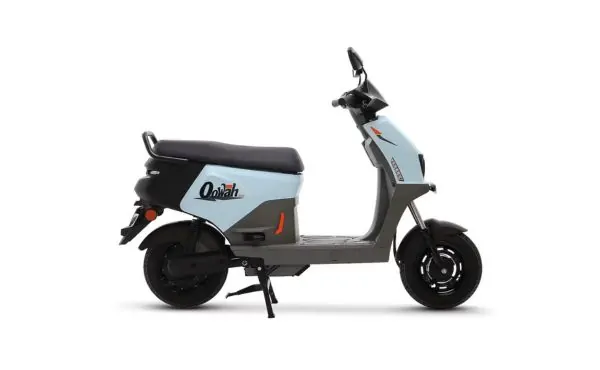
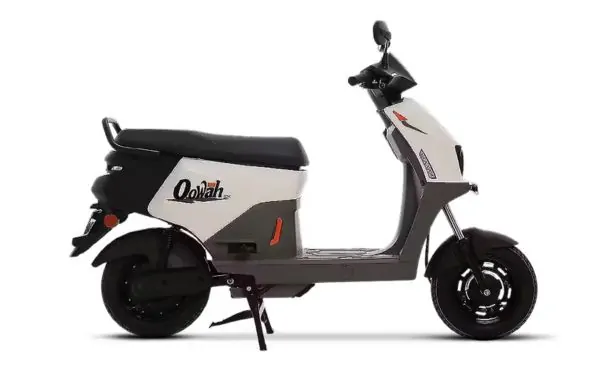
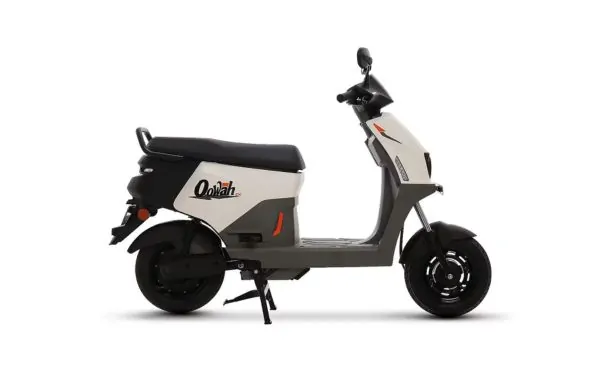
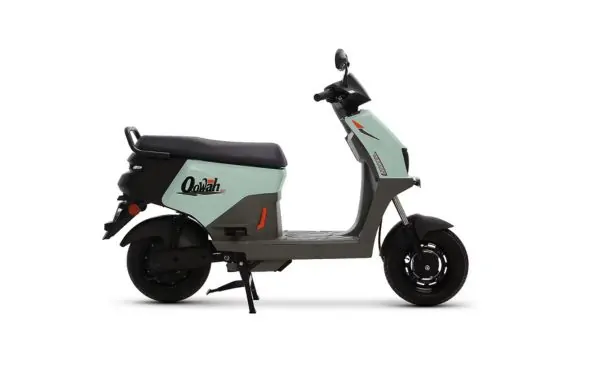
The BGauss Oowah is a practical and affordable electric scooter designed for urban riders in India. Available in EX and Max variants, it delivers an ARAI range of up to 145km. The scooter is built for daily convenience, featuring removable batteries and strong hill-climbing capability. Marketed as the “EV Ka Allrounder,” it’s targeted at students, homemakers, and commuters. Weighing just 97kg, the Oowah is available in Sage Green, Laguna Blue, and Cloud White and offers a spacious footboard and a 21L boot for storage.
Key Specifications

Battery Type
Li ION

Range
75-115km/C

Power
2400W

Torque
–

Max Speed
60km/h

Charging Time
5.15Hrs

Rear Suspension
Double Hydraulic Spring

Kerb Weight
97Kg
Ratings
- 70%
Performance
- 85%
Features
- 80%
Handling
- 85%
Comfort
- 85%
Build Quality
- 90%
Styling
- 85%
Value for Money
- 83%
Total
Ratings calculation is purely based upon pros and cons of the model given below in the overview section.
Price

Special Features
1
Lightweight Body
2
Removable Battery
3
Spacious Footboard
4
Digital Console
5
Cbs Braking
6
Reverse Mode
7
Ride Modes
8
Usb Charging
9
Pmsm Hub Motor
10
Better Control
11
Clock
12
Smart Side Stand Sensor
Full Specifications
| City | 110–130 km/full charge |
| Highway | 80-110 km/full charge |
| Engine Type | PMSM Hub Motor |
| Power | 15.4 kW |
| Transmission | Automatic |
| Fuel Supply | Electric |
| Top Speed | 115km/h |
| Speedometer | Digital |
| Odometer | Digital |
| Tripmeter | Digital |
| Under Seat Storage | Yes |
| Start Type | Self Start |
| Reverse Mode | Yes |
| Regenerative Braking | Yes |
| USB Charging | Yes |
| Side Stand Sensor | Yes |
| Tyres (F) | 90/90-19 Tubeless | |
| Tyres (R) | 90/90-18 Tubeless | |
| Brakes (F) | Drum 260mm | |
| Brakes (R) | Drum 220mm | |
| CBS | Yes |
| Front Suspension | Girder Fork Suspension |
| Rear Suspension | Monoshock Susupension |
| Ground Clearance | 207 mm |
| Seat Height | 823 mm |
| Kerb Weight | 124 kg |
| Battery | Lithium Ion |
| Charging Time | 3.91 kWh |
| Headlight | LED |
| Tail lights | LED |
| Indicator Lights | LED |
| DRL | LED |
Overview
Performance And Motor
The Oowah uses a PMSM hub motor that gives 1.5kW of continuous power and up to 2.4kW at its peak, with about 93Nm of torque. This lets it go from 0 to 40kmph in 8 seconds and makes overtaking in city traffic easy. It can climb 14° slopes alone or 11° with a passenger, which is great for flyovers and hills. Sport mode lets you reach up to 60 km/h, while Eco mode focuses on saving energy at 45 km/h.
The single-speed automatic transmission is built into the hub motor, so there are no gears or a clutch to worry about. This means smooth acceleration, easy low-speed handling, and quiet rides—ideal for busy city streets.
Both versions have a claimed top speed of 60kmph in Sport mode, and real-world tests show they can keep a steady 55-60kmph without vibrations. This speed works well on city highways but not on longer expressway trips.
Charging Time
The removable aluminium batteries can be charged using regular sockets. The EX model (2.3kWh) charges from 0 to 80% in about 4 hours with a 500W charger, or fully in under 3 hours with a 750W charger. The Max model (3.0kWh) takes about 4-5 hours to fully charge. The batteries are easy to remove with tools, so you can charge them at home or work and reduce downtime.
Range
ARAI-certified range is 105km for Oowah EX (2.3kWh battery) and 145km for Oowah Max (3.0kWh), tested under standard conditions reflecting moderate Indian loads and speeds.
In real Indian conditions, users get about 100-110km from the Max model (up to 130km in Eco mode during tests) and 80-95km from the EX. The range depends on traffic, temperature, and how much weight the scooter carries. For example, a 96% charge showed 119km, which means a full charge could give 130km. City riders often get over 100km per day without worrying, thanks to regenerative braking and a Distance-to-Empty display. However, the range can drop to 70-90km with aggressive riding or in hot weather.
Features And Technology
The BGauss Oowah electric scooter packs practical features into its lightweight 97kg frame, making it ideal for agile Indian city rides across the EX and Max variants
- Ultra-Lightweight Build: Just 97kg kerb weight (104kg Max) for easy handling, parking, and solo/pillion agility in tight urban spaces.
- Spacious Footboard: Extra roomy design enhances comfort and stability for riders wearing traditional footwear or carrying bags.
- Vibrant Colour Options: Sage Green, Laguna Blue, Cloud White—head-turning shades with stylish accents for personal expression.
- Removable Aluminium Battery: 2.3kWh (EX, 105km ARAI) or 3.0kWh (Max, 145km); tool-accessible, IP67-rated for safe indoor charging.
- CAN-Enabled Digital Console: Real-time Distance-to-Empty (DTE), trip meter, service alerts, low-battery indicator, and low-SOC limp-home mode.
- USB Charging Port: Keeps phones powered during rides; integrated front pouch for accessories.
- Side & Main Stand Sensors: Prevent accidental starts for safety; auto-cuts power when the stand is down.
- 300mm Water Wading Limit: Handles flooded streets confidently, crucial for Indian monsoons.
- Combi Brake System (CBS): Drum brakes front/rear with regenerative braking for efficient, controlled stops.
- Hydraulic Telescopic Front Suspension: Paired with double hydraulic rear springs for smooth pothole absorption.
- Eco & Sport Riding Modes: Eco (45kmph efficiency-focused), Sport (60kmph punchy acceleration); 0-40kmph in 8s.
- 21L Underseat Storage: Fits a full helmet, groceries, and a carry hook, plus a passenger footrest for practicality.
- Central Locking: Secure keyless access to storage and battery.
- EBS & Motor Braking: Electronic braking system with motor regen for energy recovery and shorter stops.
- App-Based Access: User manual and service coupons via the BGauss app; OTA potential on the console.
- LED Lighting: Headlamp, taillight, and pass switch for visibility in low-light traffic.
- High Gradeability: 14° solo, 11° pillion for inclines and flyovers.
- Portable Chargers: 500W standard (4hr 5min 0-80%), optional 750W/1350W faster; offboard design.
- Warranty Options: 3yr/30,000km battery standard; extendable to Platinum 5yr/1,00,000km.
- Additional Safety: Pass switch, digital speedometer/odometer/tripmeter, single seat with pillion backrest option.
Build Quality
The Oowah is built on a strong steel tubular frame with rust-proof CED treatment, tested to withstand 800 hours of salt spray, which matches India’s coastal humidity. Its 97kg frame includes an IP67-sealed motor, removable batteries in aluminium cases, and reinforced steel rims that resist punctures better than alloy wheels.
The scooter has 155-160mm ground clearance and can wade through 300mm of water, which is especially useful during monsoons. After more than 1,500km in different conditions, there have been no reports of rust or electronics failures. Some minor panel vibrations happen on long, rough rides, but overall, early users rate its durability at 4.5 out of 5 for daily use without breakdowns.
Handling
Precise hydraulic telescopic forks up front and adjustable double hydraulic rear shocks enable flickable low-speed manoeuvres through bazaars and stable high-speed stability up to 60kmph, aided by the scooter’s low 97kg centre of gravity and responsive hub motor torque.
CBS drum brakes with regen provide progressive, fade-free stopping even when wet, while 14° gradeability (11° loaded) conquers steep ramps effortlessly; occasional software lags affect speed readout, but steel wheels grip gravel superbly, making it agile for solo riders in tight parking or traffic weaves.
Comfort
The 765mm saddle height with thick cushioning supports an upright riding posture, free of wrist/shoulder strain, over 50km commutes, bolstered by compliant suspension that filters urban undulations smoothly for rider and pillion alike.
Extra-spacious footboard comfortably accommodates bags or traditional attire, with firm damping preventing bottoming out on speed breakers—ideal for students/housewives; some find rear shocks stiff under heavy loads on cratered roads, yet fatigue-free ergonomics and minimal vibes rate it 4.6/5 for all-day Indian city use.
Styling
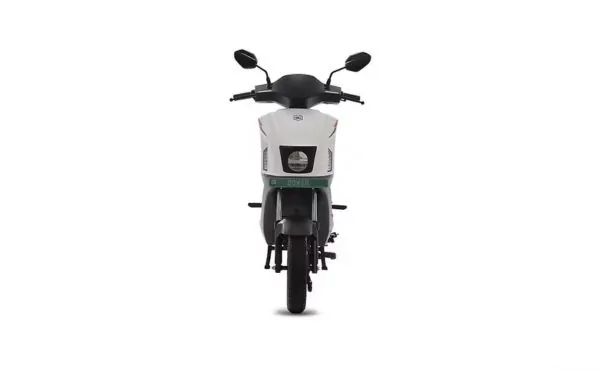
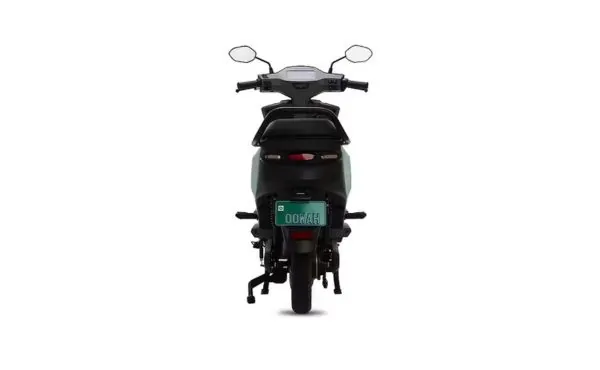
Sporty yet minimalist, the Oowah’s 1835mm compact frame features a sleek LED projector headlamp with sharp DRL eyebrows, sculpted side cowls emblazoned with bold “Oowah” lettering, and a distinctive split rear LED tail lamp with integrated reflectors for 360° visibility in chaotic traffic.
The open footboard with rubber matting, a strong central carry hook, and matte black steel 10-inch rims give the scooter a tough look for city use. Small orange accents on the switches and mirrors add a premium touch. At 97kg, its low centre of gravity makes it feel agile and stable. Users say it has a “funky yet mature” style that stands out without being too flashy, making it great for students or delivery riders.
Colour Options And Variants
The trio of vibrant, UV-protected finishes—
- Sage Green
- Laguna Blue
- Cloud White
Both variants are available in all three colours, so riders can pick the one that matches their style. Sage Green is popular in user photos for its eye-catching contrast with black and grey panels, while Laguna Blue is a favourite in coastal Kerala. There are no restrictions on colour choices across variants, and the paint has held up well for six months of sun without fading, according to early feedback.
- Oowah EX: Delivers essentials with 2.3kWh IP67 battery (105km ARAI), steel rims, basic LCD console showing speed/trip/DTE, and 97kg weight for ultimate nimbleness;
- Oowah Max:comes with a 3.0 kWh pack (145km range), an advanced CAN digital cluster with service reminders/low-SOC alerts, app-based manual downloads, and a marginally heavier 104kg frame, while retaining identical 1835x675x1125mm dimensions.
Styling uniformity across both includes shared colours/headlamp/boot design, but Max’s enhanced electronics future-proofs it.
Value For Money And Pricing
Effective ex-showroom prices post-PM E-Drive subsidy are ₹89,990 for the Oowah EX base variant. Flexible finance spans 3/5-year EMIs at ₹1,926 (EX) to ₹2,485 (Max) with 9.7% rates and ₹0 downpayment options; corporate/leasing deals drop further, while 2026 rebates keep it under rival base models—always verify local BGauss dealers for cashback or exchange bonuses on 125cc petrol trade-ins.
The Oowah stands out in the under-₹1.2 lakh range, offering an ARAI range of 105-145km (100-130km in real use), a 60kmph top speed, removable IP67 batteries, a 21L boot, a USB port, a front pouch, 300mm water wading, and 155mm ground clearance. It also has CBS with regenerative braking and a 3-year/30,000km warranty (or 5 years/1 lakh km with Platinum upgrade).
Running costs are just ₹0.15 per km, saving 4-5 times compared to petrol over 50,000km. Its 97kg weight, 14° gradeability, and maintenance-free hub motor make it a better fit for students and delivery riders than heavier scooters. App-based diagnostics help with resale value. Users estimate savings of ₹40,000-₹60,000 over three years compared to the Activa 110, making it a smart choice for people commuting 40-100km daily, especially with petrol at ₹110 per litre.
Competitors are
- TVS iQube ST
- Bajaj Chetak Premium
- Ather Rizta S
- Ampere Nexus
- Kinetic E-Luna
However, the Oowah is the best for lightweight use and handling water during monsoons. The iQube is known for its service, and the Rizta is popular with families. Choose the Oowah if you want the best mix of affordability and agility.
Verdict
The BGauss Oowah is an electric scooter that meets the practical needs of today’s Indian city riders. With its light weight, reliable real-world range, and features like removable batteries, generous storage, and strong water-wading ability, it offers a convenient and affordable everyday ride. These qualities make it especially suitable for daily commuters, students, and families looking for hassle-free mobility. The Oowah’s competitive pricing and low running costs further add to its appeal, making it a sensible alternative to traditional petrol scooters or pricier electric models.
That said, it’s important to consider a few early drawbacks, such as battery reliability concerns, a moderate top speed, and a service network that’s still growing. While these may influence some buyers, Oowah’s overall blend of comfort, agility, and everyday usability sets it apart in a crowded segment. For many urban riders who prioritise efficiency, convenience, and long-term savings, the BGauss Oowah remains a compelling choice.
Pros
- Ultra-Affordable Pricing: Starts at ₹89,990 post-subsidy (EX), making EV ownership accessible for students, seniors, and first-timers; EMI as low as ₹1,926.
- Featherweight Handling: 97kg kerb weight is class-leading for effortless parking, U-turns, and solo agility in crowded Indian cities; seniors praise its manageability.
- Removable Battery Convenience: 2.3kWh (EX) or 3.0kWh (Max) packs charge indoors hassle-free (4-5hrs 0-80%), with onboard storage preventing theft.
- Impressive Real-World Range: 100-130km on Max per tests, suiting 50-80km daily commutes; regen braking extends usability cost-effectively at ₹0.15/km.
- Practical Storage and Utility: 21L boot fits a full helmet/groceries, plus a USB port, carry hook, and a spacious footboard—perfect for errands or delivery.
- Smooth City Performance: 60kmph top speed, 14° gradeability, quick 0-40kmph acceleration for overtakes; Eco/Sport modes balance fun and efficiency.
- Monsoon-Ready Durability: 300mm water wading, IP67 components, rust-proof chassis handle floods/potholes; no breakdowns after 1,500km reported.
- Comfort for All Ages: Superb suspension, upright posture, comfortable seat for seniors/ladies; “love at first sight” for smooth rides and LED lighting.
- Low Ownership Costs: Minimal maintenance, free initial service, excellent after-sales service; strong torque pickup even when loaded.
- Stylish and Safe: Vibrant colours, central locking, stand sensors, CBS; “stunning design” draws compliments nightly.
Cons
- Battery Reliability Issues: Early faults after a week, fast-drain complaints; quality concerns in initial batches.
- Vibrations and Ride Harshness: Noticeable vibrations cause back pain on rough roads; stiff under heavy loads.
- Limited Service Network: Delays in repairs, charged ₹550 for “free service”; sparse dealer network outside metros.
- Software Glitches: Console lags, reboots, inconsistent features like navigation; needs updates.
- Top Speed Capped Low: 60kmph feels inadequate for highways/safety overtakes per some; 50 kmph is effective for many.
- Charging Time Drawback: 4-6.5 hours full despite removable packs; inconvenient for high-mileage users.
- Missing Safety Alarms: No side indicator/central lock alarms; fewer fittings vs rivals.
- Range Overstated:Claimed 105-145km drops to 60km real in aggressive use, and discrepancies noted.
- Build Fitting Niggles: Panel gaps, missing front fork upgrades; feels basic in places.
- Service Charges Sneak: “Free” services billed unexpectedly; inconsistent experience.
Other Related Links From Bikeleague India
List Of All Bgauss Electric Scooters
About Bgauss Electric Scooters
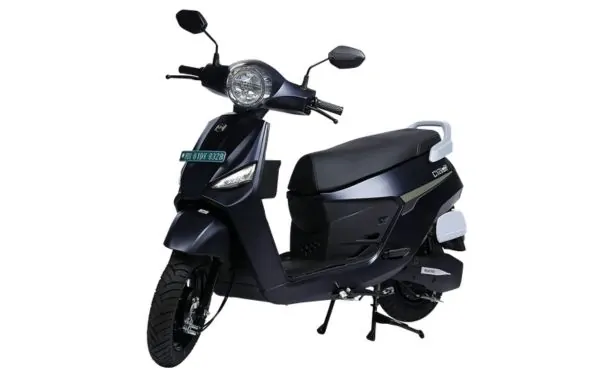
BGauss is a new Indian electric two-wheeler brand that is part of the RR Global group, a well-known electrical solutions company. The company makes “premium yet affordable” electric scooters that are fully developed in India and tailored for local traffic, riders, and charging needs. By combining metal-body construction, smart connectivity, and a focus on safety, BGauss wants to make electric mobility reliable and accessible for people in cities and semi-rural areas.
History And Growth
BGauss started in 2020 as part of RR Global, a group that has been active in electrical components since the late 1980s. The company launched its first two electric scooters, the BG B8 and BG A2, in October 2020, aiming at entry-level and mid-range buyers.
In just a few years, BGauss added higher-range and higher-performance models like the BG D15 and the RUV series, making it a strong competitor in the mid and upper-mid electric scooter market. With support from RR Global’s manufacturing and supply chain, BGauss quickly expanded its dealerships and customer base across India.
Key Milestones And Developments
- 2020 : BGauss began production at its Chakan plant near Pune and introduced the BG B8 and BG A2, establishing itself as a “Made in India” electric vehicle brand.
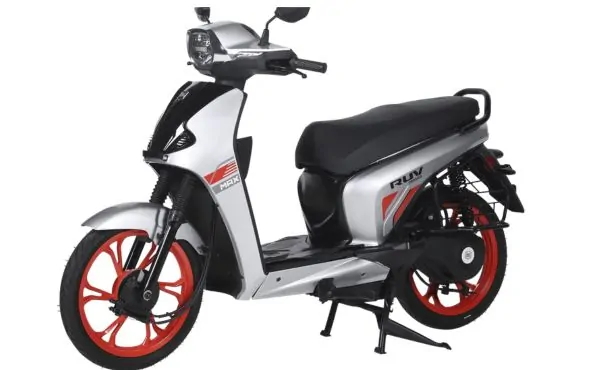
- New product launches : The BG D15 was introduced as a long-distance, feature-rich scooter. Later, the RUV 350 and RUV 350Max were launched as high-performance, utility-focused electric scooters with claimed ranges of 120 km or more and higher top speeds.
- Technology and IP : BGauss holds over 80 patents, mainly in battery safety, vehicle control, and connectivity, highlighting its focus on innovative design.
- Funding and expansion : After raising ₹161 crore in 2025, BGauss sped up its capacity growth, opened more dealerships, and increased research and development for new models.
Manufacturing Facilities
BGauss runs a dedicated electric scooter factory in Chakan, near Pune, Maharashtra. The plant started limited production in 2020 and now produces larger volumes. Covering about 69,000 square feet, the factory uses a highly local supply chain, with around 88% of parts coming from within 100 km. This helps keep costs down and quality high.
The plant can currently produce about 7,000 units per month in a single shift, with a full annual capacity of around 100,000 electric two-wheelers. This focus on “Make in India” lets BGauss handle design, frame construction, battery integration, and assembly in-house, setting it apart from brands that depend on imported kits.
Market Position And Achievements
BGauss is a mid-segment electric scooter brand that focuses on value, durability, safety, and practical use rather than just performance. The main models are the BG A2, BG B8, and the BG D15-based RUV series. The BGauss electric scooters prices starts at about ₹90,000 and go up to ₹1.3–1.4 lakh for the top RUV 350 model.
By 2025, BGauss had about 50,000 riders and more than 110 dealerships, with plans to reach around 250 outlets soon. The brand is known as a “Giga-style” EV maker with strong local sourcing, a growing number of patents, and a focus on safety and reliability. These are key factors that set it apart in India’s busy electric two-wheeler market.
Future Plans
BGauss plans to launch a new line of scooters priced around ₹80,000, aimed at first-time EV buyers and people looking for affordable options. The company also plans to release two new models soon, one in mid-2026 and another later that year, along with higher-performance or premium versions in 2026–27.
BGauss wants to increase production at its Chakan plant, use more local parts, and grow its charging and service network for both retail and fleet customers. Strategically, the company plans to expand across India and look at entering some international markets, building on its “Made in India” strengths.
Other Related Links From Bikeleague India
User Reviews
There are no reviews yet. Be the first one to write one.

Hiran Narayanan
Founder & CTO at Bikeleague India
Hiran Narayanan is the Founder and CTO of Bikeleague India, bringing over 15 years of experience in motorcycle technical writing. He develops detailed analyses, tools, model overviews, and blogs that contribute to bikeleague.in's improving rankings.