
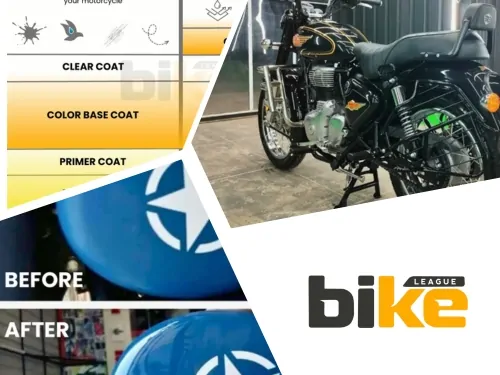
Long story short: In short, ceramic coating gives your bike strong protection. It keeps the paint safe from scratches, dirt, and weather, so your bike looks new for longer. Its UV resistance also helps prevent fading.
Ceramic coating is rapidly becoming the go-to solution for bike owners in India who want their motorcycles to look great and stay protected from the country’s tough weather and road conditions. As more riders seek long-lasting shine and easier maintenance, ceramic coatings offer advanced protection that goes far beyond ordinary wax or polish.
This guide will help you understand ceramic coating for bikes in India, including how it works, why it’s popular, what to look out for, and how to choose the best option for your bike.
Key Takeaways
- Ceramic coating offers long-lasting protection: It shields your bike from dirt, acid rain, and UV rays, making it easier to keep your bike clean and looking new.
- Hardness ratings matter, but so does maintenance: While high ratings like 9H or 10H resist scratches well, the coating’s effectiveness depends on correct application and regular care.
- Professional application is recommended: Experts ensure proper surface preparation and careful application, leading to longer-lasting results and often providing warranty coverage.
- Proper aftercare is essential: Use pH-neutral shampoo, gentle drying techniques, and booster sprays to maximize the coating’s life and shine. Neglecting maintenance can reduce its effectiveness.
- Be cautious with product claims: Not all ceramic coatings are equal, and marketing terms like “lifetime protection” can be misleading. Always check certifications, read genuine reviews, and avoid suspiciously cheap or poorly labelled products.
What Is A Ceramic Coating For Bikes?
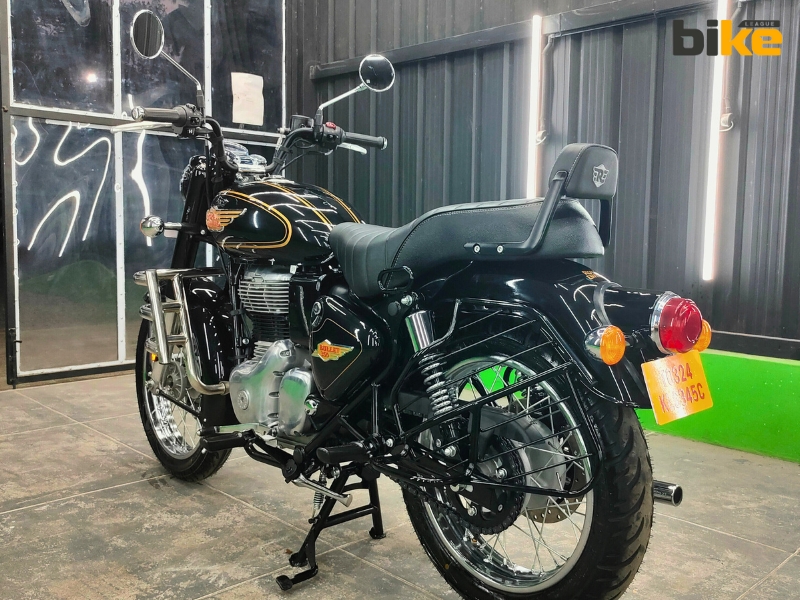
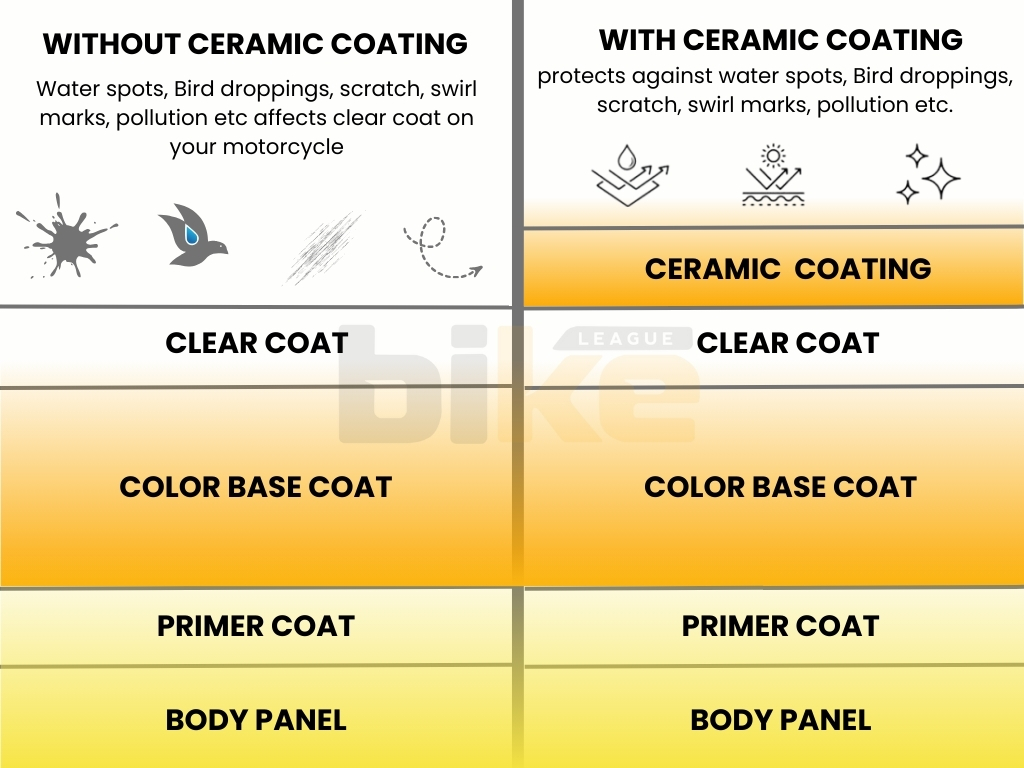
Ceramic coating is a type of liquid polymer, which is a chemical compound made up of long repeating molecules. You apply this polymer to your bike’s exterior surfaces, such as the paint. Once applied, it bonds to the surface and forms a protective barrier that shields against damage from ultraviolet (UV) rays (from sunlight), acid rain, dirt, and grime.
Ceramic coating protects your bike for a long time and gives it a shiny finish, so it looks new for longer.
The main reason to use ceramic coating is to protect your bike’s paint, make cleaning easier, and help it look better.
What Is Hardness In Ceramic Coatings?
In ceramic bike coatings, “hardness” refers to how well the coating resists scratches, abrasions, and other forms of physical damage. This crucial property provides:
- Scratch Resistance: A higher hardness rating indicates better resistance to scratches and abrasions
- Durability: Harder ceramic coatings are more durable, providing long-lasting protection against wear and tear.
- Environmental Protection: Hard ceramic coatings offer superior protection against UV rays, oxidation, and chemical contaminants.
- Ease of Maintenance: A hard ceramic coating creates a smooth surface, making cleaning easier.
- Longevity: Harder coatings generally last longer, reducing the need for frequent reapplications.
Hardness can be measured in different ways:
- scratch hardness
- indentation hardness
- rebound hardness
A coating’s hardness depends on its flexibility, strength, and toughness; how well it handles stress; and how easily it returns to its original shape.
What Are The Different Hardness Scale Types?
Here, we will focus on Scratch Hardness, which is how well a material resists scratching or abrasion. These tests determine a material’s resistance to scratches and abrasions. Generally, there are three scales used for determining the hardness of minerals:
1. Mohs Scale
The Mohs scale ranks minerals by how easily they can be scratched by other substances. It ranges from 1 (talc, which is very soft) to 10 (diamond, the hardest natural material). The scale isn’t perfectly even, and most abrasive materials fall between 9 and 10.
2. Ridgway’s Scale
The Mohs scale can be modified by giving garnet a hardness of 10 and diamond a hardness of 15.
3. Wooddell’s Scale
Wooddell’s scale builds on Ridgway’s by using abrasion resistance and setting quartz at 7 and corundum at 9, which leads to a value of 42.4 for South American brown diamond bort.
Pencil Hardness Scale: How Does It Work
Coatings and films do not fit the Mohs, Ridgway, or Wooddell scales. That’s why ASTM created the Pencil Hardness Scale, which uses graphite pencils (usually rated 1-2H) to measure a film’s hardness.
The pencil hardness scale measures graphite hardness. The coatings industry uses this test to evaluate both clear and coloured coatings, especially to assess how well they’ve cured after heat is applied.
Pencils are graded from 10H (very hard) to 9B (very soft). ‘H’ stands for hardness, meaning the pencil makes lighter marks and is harder to wear down. ‘B’ stands for blackness, meaning the pencil is softer and makes darker marks. ‘HB’ means the pencil is both hard and black.
The scale ranges from 10H (the hardest) to 7H, with F in the middle. Softer pencils include HB, B, 2B, and 9B (the softest). Most people use the #2 (HB) pencil since it writes smoothly and leaves dark marks.
How To Measure Hardness In Ceramic Coatings?
The pencil hardness test is the primary method for measuring ceramic coating hardness, especially in the automotive industry. This test uses pencils from 1H to 9H, with 9H being the hardest.
Other tests, such as Vickers and Knoop, use diamond tips for more precise results, but marketing rarely mentions them.
The “H” rating for ceramic coatings differs from the Mohs scale, which measures mineral hardness from 1 (soft, like talc) to 10 (hard, like diamond). Mohs is sometimes used for comparison, but it doesn’t directly apply to ceramic coatings.
What Are The Common Hardness Values In The Indian Market For Ceramic Coating?
In India, ceramic bike coating hardness is typically measured using the pencil hardness test (ASTM D3363), not the Mohs scale. Common ratings include 7H, 9H, and 10H, each suited to different price ranges and durability needs.
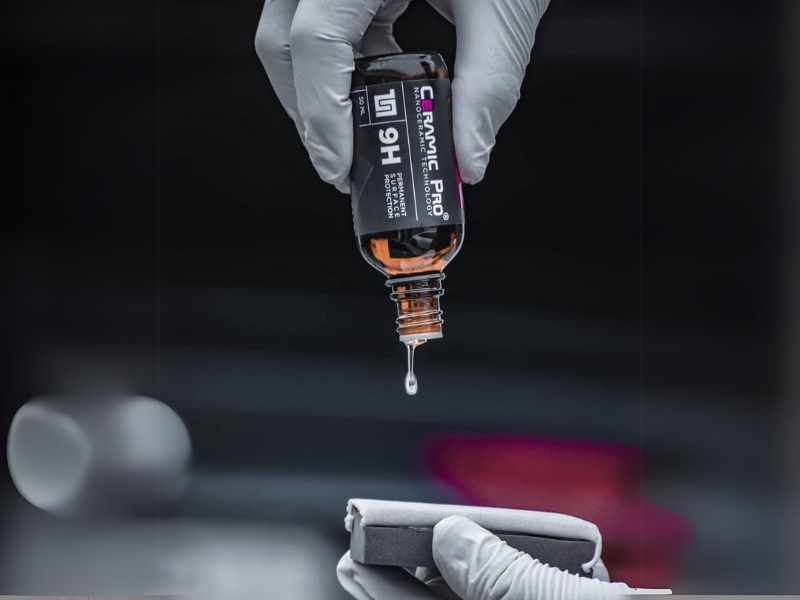
Main Hardness Ratings You’ll Find
- 7H:7H is found in budget, DIY, or graphene spray products and usually gives 1 to 2 years of solid bike protection.
- 8H: 8H is a mid-tier option that’s less common. It sits between affordable DIY coatings and professional 9H products, offering about 1.5 to 2 years of durability.
- 9H: 9H is the industry standard for professional ceramic coatings in India. It uses the hardest practical pencil grade and can last 2 to 5 years with proper application and maintenance.
- 10H: 10H is mostly a marketing term for premium or graphene-enhanced ceramics. These claim better resistance to scratches and chemicals than 9H, cost more, and are meant to last over 3 to 5 years.
Hardness Claims To Watch Out For
- Claims such as 12H, 15H, 18H, or “diamond hardness” are marketing exaggerations and are not recognised by the pencil hardness scale.
- References to Mohs hardness for bike ceramics are misleading because automotive coatings are not tested using the Mohs mineral scale.
In India, a genuine 9H coating from a trusted brand or detailer is usually the best choice if applied correctly. Only consider 10H products if the brand provides test data and fair pricing.
What Is The Step-by-step Process Of Applying Ceramic Coating To Bikes?
Applying ceramic coating might look easy, but it takes skill and attention to detail. Here’s a step-by-step guide to help you do it right on your bike.
1. Initial Cleaning
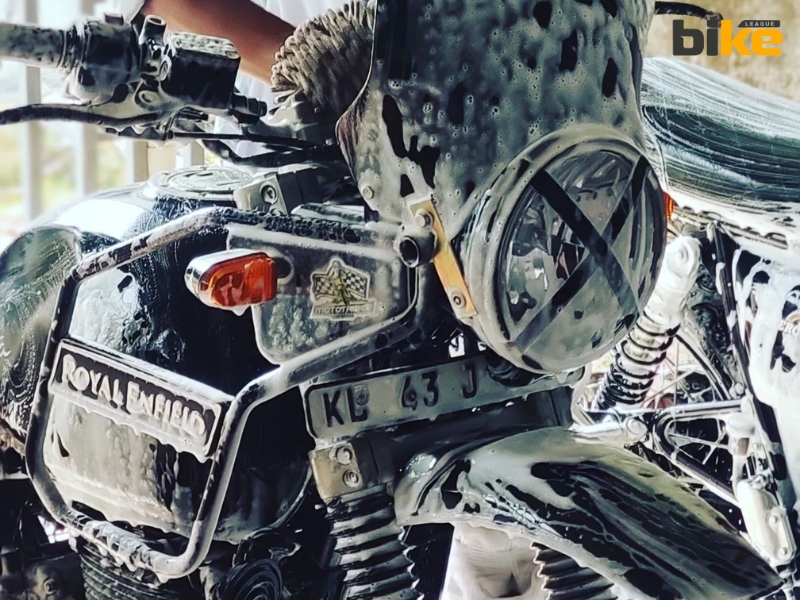
First, wash your bike thoroughly with a good pH-neutral shampoo. This removes dirt, grease, and other contaminants from the surface, ensuring the coating adheres properly.
2. Rinsing
Let the shampoo sit for a few minutes, then rinse the bike well with a hose or pressure washer. Make sure you remove all soap, especially from hard-to-reach spots, so the surface is clean for the coating.
3. Surface Preparation
This is the most important step. Professionals check the bike for any remaining dirt or grime and clean it again if needed, ensuring everything is spotless and dry.
To get the surface even cleaner, many professionals use a clay bar. They spray a lubricant, like a quick detailer, on part of the bike and move the clay back and forth to pick up any stuck-on dirt.
4. Paint Correction
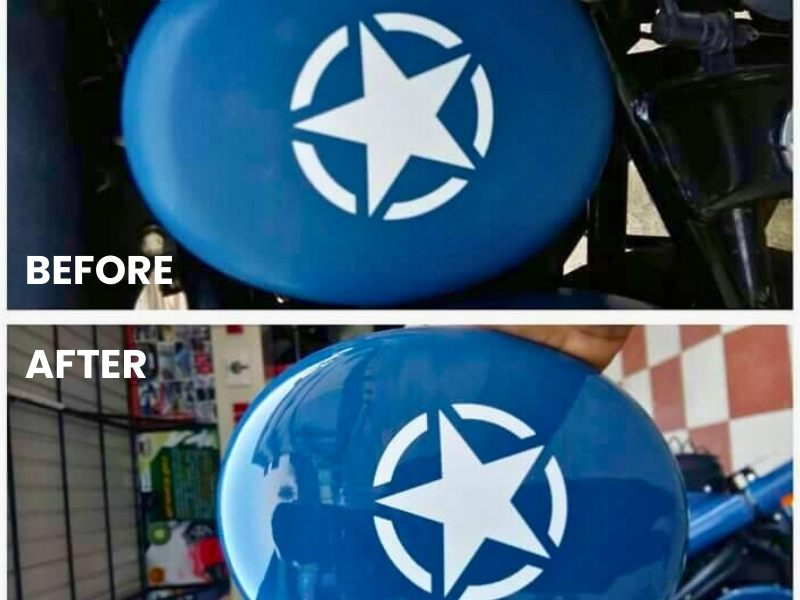
Before applying the ceramic coating, professionals often address paint imperfections with a Dual Action (DA) polisher. This removes swirls and scratches, smoothing the surface and helping the coating look and perform at its best.
5. Application Of Ceramic Coating
Once the surface is ready, they apply the ceramic coating. Professionals always follow the instructions for the specific product they’re using.
Usually, they work in small sections to make sure the coating goes on evenly and thinly. They use a clean pad or cloth and apply the coating in a crosshatch pattern to cover everything.
6. Buffing And Curing
After applying the coating, it must cure as recommended by the manufacturer. This helps it bond well to the bike. Once it’s cured, professionals buff the surface with a clean microfiber cloth to bring out a shiny, protected finish.
Why Is A Professional Application Over Diy Recommended For Ceramic Coating?
You can buy DIY ceramic coating kits, but for the best results, it’s better to let a professional handle it. Here’s why having a pro coat your bike is important:
1. Expertise And Experience
Professional detailers know how to apply ceramic coatings correctly, from surface preparation to application and curing.
2. Superior Surface Preparation
Surface prep is key to a good ceramic coating. Professionals clean and fix the paint first, because sealing in imperfections can make them stand out more.
3. Access To High-quality Products
Professionals use top-quality ceramic coatings that protect better and last longer than most DIY products.
4. Proper Application Techniques
Applying ceramic coating takes skill and the right technique to get an even layer. Professionals do this in clean, controlled spaces and use specialised tools to ensure the coating looks good and protects well.
5. Controlled Curing Process
Curing is a key part of applying ceramic coating. Professionals know how long to keep the bike away from water and have the right setup to make sure the coating cures properly, which can be hard to do at home.
6. Long-term Benefits And Warranty
Professional application usually comes with a warranty. This covers problems like peeling or fading, which DIY kits might not. The extra durability and protection often make the higher cost worth it.
7. Avoiding Common Mistakes
DIY jobs can lead to mistakes such as uneven coating, not letting it cure long enough, or not cleaning the surface thoroughly. These issues can make the coating less effective or even harm your bike’s paint.
What Are The Things To Consider For Ceramic Coating For Bikes In India?
If you’re considering ceramic coating for your bike in India, keep these points in mind:
- Climate and Environmental Conditions: India’s weather can be tough on bikes, with hot sun and heavy rains. Ceramic coatings help by protecting against fading and UV-related oxidation, and their water-repelling properties make cleaning easier during the rainy season.
- Cost Considerations: The cost of ceramic coating in India depends on your bike’s size, the brand, and the coating’s quality. While it can be expensive at first, the long-term benefits and lower maintenance costs can make it a good investment. Professional applications cost more than DIY kits, but they usually last longer and work better.
- Maintenance and Aftercare:Even with ceramic coating, you still need to take care of your bike. Wash it regularly and avoid harsh cleaning methods. Some professional services also offer warranties and ongoing help.
What Are The Maintenance And Aftercare Tips For Ceramic Coating For Motorcycles?
1. Initial Curing Period
After applying the ceramic coating, let it cure before washing your motorcycle. Avoid washing for the first 5-7 days. For the first 48 to 72 hours, keep your bike indoors or in the shade, away from water and humidity. If you notice dust, gently wipe it off with a dry microfiber cloth rather than using water. This helps the coating bond well and last longer.
2. Regular Washing Routine
To keep the ceramic coating in good shape, wash your motorcycle every two weeks. Use the two-bucket method: one bucket with pH-neutral, ceramic-safe shampoo, and another with clean water and a grit guard. Wash with a soft microfiber mitt (at least 300 GSM) and rinse it before each use. This routine helps protect your bike from India’s weather and road conditions.
3. Key Washing Tips
- Avoid washing your motorcycle in direct sunlight or when the surface is hot. Water dries too quickly in these conditions, leaving mineral spots.
- Pre-soak the motorcycle with foam to loosen brake dust, bugs, and road grime before washing the surface.
- Rinse off bird droppings, tree sap, or mud immediately with a detailing spray and blot gently—do not wipe harshly.
- Do not use automatic car washes with spinning brushes. They can cause tiny scratches and damage the coating.
4. Drying Techniques
After washing, dry your motorcycle right away using high-GSM microfiber towels (300 or higher) or an air blower. Do not let it air-dry, since hard water in India can leave spots. Avoid using regular towels, kitchen towels, or old T-shirts to prevent scratches and lint.
5. Booster And Top-up Applications
To keep your coating working well, apply a ceramic booster every 3 to 6 months. Use an SiO2 or graphene-based booster on a clean, cool, and dry surface after washing. Spray it on, let it sit for 2 to 5 minutes, then buff with a microfiber towel to bring back water beading and shine.
Never use traditional wax or polish on ceramic coatings, as they can damage the coating. Only use booster sprays designed for ceramic coatings.
5a. Signs Your Ceramic Coating Has Failed
Boosters top up the coating’s performance between full reapplications, but they can’t fix a coating that’s actually worn through. Here’s how to tell the difference between “needs a booster” and “needs full reapplication”:
- Water Sheets Instead of Beading: A healthy coating makes water form tight, round beads that roll off. If water starts spreading into flat sheets across the tank or panels, the hydrophobic layer has broken down — this is usually the first sign, often showing up before anything looks visually wrong.
- Dull or Flat Gloss: If the paint looks dull even immediately after a wash and dry, the coating’s reflective layer has thinned out. A booster can mask this temporarily, but if dullness returns within days of boosting, the base coating itself is failing.
- Contaminants Won’t Wash Off Easily: One of a coating’s main jobs is making dirt, tar, and bug residue easy to rinse away. If you’re back to scrubbing or clay-barring contaminants off like you would on bare paint, the surface has lost its protective slickness.
- Visible Micro-Scratches or Swirls Increasing: A working coating absorbs and resists minor swirling. A noticeable uptick in fine scratches, especially in wash-induced patterns, means the hard outer layer is thin enough that the paint underneath is taking the abrasion again.
- Water Spots That Won’t Buff Out: Mineral deposits from hard water sitting on a healthy coating usually wipe away easily. If spots etch in and stay after normal drying, the coating’s chemical resistance has degraded.
- It’s Simply Past Its Rated Lifespan: Referring back to the hardness ratings section above — a 7H coating nearing 2 years, or a 9H coating nearing 4-5 years, should be inspected even if it still looks fine, since visual cues can lag behind actual wear.
If you’re only seeing the first one or two signs, a booster application (see above) may restore performance. If several of these are present together, or a booster stops helping within a few weeks, that’s the point to plan for full removal and reapplication — covered in the next section.
6. Common Mistakes To Avoid
| Mistake | Why It’s Bad | Solution |
|---|---|---|
| Washing too soon | Weakens coating bond | Wait 5-7 days |
| Using harsh detergents | Strips hydrophobic layer | Use pH-neutral shampoo only |
| Automatic brush washes | Creates swirl marks | Use manual or touchless wash |
| Drying with regular towels | Causes micro-scratches | Use 300+ GSM microfiber |
| Skipping booster applications | Coating loses effectiveness | Apply booster every 3-6 months |
| Leaving water spots | Mineral stains etch coating | Dry immediately, use filtered water if possible |
| Applying wax on top | Causes patchy results | Use ceramic boosters instead |
| Parking under trees | Tree sap and droppings damage coating | Use bike cover, clean contaminants ASAP |
7. Long-term Maintenance Schedule
| Timeline | Action |
|---|---|
| First 48 hours | Avoid all water contact, park indoors |
| First 7 days | No washing, light dusting only with dry microfiber |
| Every 1-2 weeks | Regular wash with two-bucket method |
| Every 3-6 months | Apply ceramic booster spray |
| Annually | Professional decontamination wash with pH-neutral iron remover, inspect for reapplication needs |
8. Recommended Maintenance Products
For aftercare, choose a ceramic coating maintenance kit available in India. The Wavex Kit includes a 20-litre wash bucket with a grit guard, a dual-sided microfiber mitt, and a graphene-ceramic wash shampoo that cleans safely. Other good options are the Super Ceramic Coating After Care Kit, which includes pH-neutral shampoos and boosters, and Proklear CRC Ceramic Waterless Wash for quick touch-ups between washes.
How To Remove Or Undo A Ceramic Coating Before Reapplication?
A ceramic coating doesn’t peel off on its own—it wears down gradually, and once it no longer beads water or protects the paint, you need to strip it before a fresh layer can bond properly. Simply applying new coating over old, worn coating leads to poor adhesion and patchy results.
1. When It’s Time To Remove The Old Coating
If you’re seeing several of the failure signs covered above — flat water sheeting, dull gloss, contaminants sticking, or the coating simply past its rated lifespan — it’s time to strip the old layer rather than keep boosting it.
2. Chemical Stripping
Professionals use a dedicated ceramic coating remover or a strong degreaser/panel wipe to break down the old SiO2 layer. Apply it, let it dwell for a few minutes, then agitate and rinse. This is the standard method before reapplying a fresh coating and is far less abrasive than mechanical removal.
3. Mechanical Removal (compounding/polishing)
If the old coating has bonded very hard or chemical stripping alone isn’t enough, a machine polisher with a cutting compound physically abrades the old layer off, along with any embedded swirls or scratches. This doubles as the paint correction step needed before the new coating goes on, so many detailers combine the two.
4. Why This Needs Paint Correction, Not Just Removal
Stripping the old coating often reveals scratches, swirls, or oxidation underneath. Skipping paint correction at this stage and coating directly over these imperfections will seal them permanently under the new layer—so removal and correction should always be done together, not as separate visits.
5. Can You Remove It Yourself?
Chemical strippers are available for home use, but full removal (especially where mechanical polishing is needed) carries a real risk of damaging clear coat if done without experience. As with the initial application, this is one area where professional work protects your investment rather than risking it—the same reasoning covered in the DIY vs. professional section above.
Once the old coating is fully removed and the paint is corrected, the surface is ready for the same initial cleaning, surface prep, and application process described earlier in this guide.
What Are The Misleading Marketing And Product Selection Tips About Ceramic Coating For Bikes In India?
1. Common Misleading Marketing Claims
- In India, marketing for ceramic bike coatings often overstates how long they last. Ads may promise “lifetime protection” or “5-10 year guarantees,” but in reality, these coatings usually last only 2-5 years, depending on quality, application, and maintenance in tough conditions.
- Words like “scratch-proof” or “bulletproof” can be misleading. These coatings only protect against small scratches and swirls, not damage from stones or falls.
- In the same way, claims that DIY kits give professional results are often exaggerated. Home applications often lack proper surface preparation, leading to poor bonding and early failure.
2. Red Flags In Bike Ceramic Products
- Watch out for vague “nano-technology” claims that don’t mention the SiO2 concentration. Look for products with 9H hardness or at least 70% silica.
- Kits that cost less than ₹2,000 often have sprays or waxes with the wrong labels, and these usually wash off quickly.
- If a product says “Imported from USA/Europe” but lacks lab accreditation, such as IATF 16949, or proof of independent testing, it may be hiding a low-quality formula.
- Service centres that offer “free lifetime maintenance” often use lower-quality products to increase their profits.
3. Product Selection Tips
- Verify Certifications: Check for certifications. Pick coatings that have proof of 9H pencil hardness, have passed 1000+ hour salt-spray tests, and have UV resistance ratings that work for India’s heat and humidity.
- Check Thickness: Professional bike coatings should be 1-2 microns thick after curing. Ask trusted detailers for before-and-after reports.
- Read Reviews Critically: Read reviews carefully. Focus on India-specific forums like Team-BHP or Reddit’s r/indianbikes instead of sponsored YouTube videos. Look for reviews updated within the last 6 months.
- Test how water rolls off the surface after applying the coating: The water should run off at a contact angle of 110° or more, which is the angle at which the edge of a water droplet meets the surface. If water doesn’t bead well, the product isn’t working properly.
- Avoid bundle deals: like “ceramic + PPF + Teflon” combos. Mixing different systems makes them less effective, so it’s better to choose one proven system.
Common Myths About Ceramic Bike Coating In India
1. Is Ceramic Coating Scratch-proof On Bikes?
No, ceramic coating helps resist scratches but is not completely scratch-proof. It can protect your bike from minor scratches, but it will not prevent damage from larger impacts.
2. Does Ceramic Coating Eliminate The Need To Wash My Bike?
No, you still need to wash your bike. The coating helps repel dirt and water, so cleaning is easier, but you should still wash it regularly.
3. Will Ceramic Coating Protect My Bike From Rock Chips And Dents?
No, ceramic coating will not stop rock chips or dents. It mainly protects your bike’s paint from sunlight, stains, and small scratches, but not from physical impacts.
4. Are All Ceramic Coatings The Same In Terms Of Quality And Effectiveness?
No, not all ceramic coatings are the same. Quality and performance can differ, so having a professional apply it with quality products gives you the best results.
5. Can Ceramic Coating Turn A Matte Finish Into A Glossy One?
No, ceramic coatings designed for matte finishes will protect the surface without altering its appearance or feel.
6. Is Ceramic Coating A One-time Permanent Solution?
No, ceramic coatings are not a one-time fix. You need to maintain them with booster treatments and gentle washing to keep your bike protected and shiny.
7. Is Ceramic Coating Worth The High Cost Compared To Other Options Like Teflon?
Ceramic coating costs more than options like Teflon, but it offers better protection against sunlight and chemicals and is easier to maintain, making the higher price worth it.
Does Ceramic Coating For A Bike Affect Bike Insurance, Claims, Or Resale Value In India?
1. Insurance Impact
Indian insurance companies usually don’t see ceramic coating as a structural or performance change, so it doesn’t affect your premium or coverage. Insurers are more concerned about changes like engine or exhaust upgrades. Cosmetic changes, such as ceramic coating, rarely lead to higher premiums or claim rejections. Still, it is a good idea to mention the coating when you renew your policy, since some insurers want to know about any changes, even small ones.
2. Claims Process
Ceramic coating doesn’t change how insurance claims work in India because it only protects the paint and doesn’t affect accident, theft, or damage checks. If you need to claim for paint repairs, the process stays the same. In some cases, the coating can even speed up assessments by keeping the paint in better condition. Insurers mainly look for changes that increase risk, and there are no reports of claims being denied because of ceramic coating.
3. Resale Value
Ceramic coating can help your bike keep its shine, protect it from the sun, and make it look newer for longer. It helps prevent fading, scratches, and other damage common on Indian roads, so your bike looks better to buyers. Good quality coatings, especially on expensive bikes, can even help you get a higher resale price.
How Do Regional Factors Like Urban Or Rural Settings, Coastal Humidity, Pollution, And Rural Dust Affect The Choice And Durability Of Ceramic Coatings In India?
1. Urban Areas
In urban areas of India, ceramic coatings help protect car paint from pollution, smog, and acid rain. Their hydrophobic qualities make cleaning easier and can keep the coating effective for 3 to 5 years with regular maintenance. For the best results, choose coatings with strong chemical resistance to guard against exhaust and road tar.
Rural Areas
In rural parts of India, unpaved roads and dust storms can quickly wear down car paint. Choose ceramic coatings that resist abrasion and self-clean well. While hydrophobic surfaces help keep dust off, washing your car often prevents small scratches and helps the coating last 2 to 4 years on rough roads. Thicker, more durable coatings are better than basic glossy ones.
Coastal Regions
In coastal regions, high humidity and airborne salt can accelerate paint corrosion and fading. Use ceramic coatings that repel salt and block moisture. Because humidity can reduce the coating’s water-repelling effect, apply booster treatments every few months to keep protection for 2 to 3 years. For chrome and exposed parts, pick marine-grade coatings.
Inland Regions
Inland regions with dry heat and UV exposure cause cracking and fading. Apply UV-blocking ceramic coatings to preserve color and prevent oxidation. Low humidity extends hydrophobic effects, ensuring 4-5 years of protection. Opt for heat-stable coatings designed for high temperatures.
Factor-specific Impacts
- Coastal humidity: speeds up wear and needs strong moisture barriers.
- Urban pollution: calls for coatings with chemical resistance to make grime removal easier.
- Rural Dust: Needs abrasion resistance; improves dust shedding.
Pros Of Bike Ceramic Coating
- Superior Protection Against Environmental Contaminants:Ceramic coating creates a strong barrier that protects your bike’s paint from dirt, acid rain, bird droppings, and tree sap, helping it stay in good shape over time.
- UV Ray Protection:Another benefit is protection from UV damage. In India’s strong sunlight, ceramic coatings help prevent fading and keep your bike’s colour looking fresh.
- Hydrophobic Properties:Because ceramic coatings are hydrophobic, water and other liquids bead up and roll off, making your bike easier to clean and reducing water spots.
- Enhanced Appearance:Ceramic coating gives your bike a shiny finish that deepens and brightens the colour, helping it look newer for longer.
- Long-lasting Protection:Unlike regular wax, ceramic coating protects your bike for years, so you don’t have to detail it as often.
- Resistance to Minor Scratches:Ceramic coatings aren’t completely scratch-proof, but they do help prevent minor scratches and keep your bike looking good. This is a big advantage of using ceramic coating.
- Ease of Maintenance:Another key benefit is that the smooth ceramic surface makes it harder for dirt to stick, so cleaning is easier, and your bike stays shiny.
Cons Of Ceramic Coating
- High Initial Cost:In India, ceramic coating for bikes usually costs between ₹2,500 and ₹15,000, depending on the brand and the size of your bike.
- Professional Application Required:To get the best results, it’s usually best to have a professional apply the coating because the process is detailed and requires skill.
- Not Completely Scratch-Proof:Ceramic coatings help protect your bike, but they don’t make it completely scratch-proof and can’t stop serious scratches.
- Ongoing Maintenance and Care:You’ll still need to clean your bike regularly and may need to reapply the coating to keep it working well.
- Potential for Misapplication:If the coating isn’t applied correctly, it can look uneven or even damage your bike, which is why professional help is important.
- Limited Durability:Ceramic coatings last longer than wax, but they aren’t permanent and might need to be reapplied, especially if your bike faces tough conditions.
Ceramic Coating Cost In India By Bike Category
The ₹2,500-₹15,000 range mentioned earlier covers everything from a 100cc commuter to a full-fairing superbike, which isn’t very useful for budgeting. Here’s a more realistic breakdown by bike category, based on surface area, panel complexity, and typical hardness grade used at each price point:
| Bike Category | Typical Cost Range | Common Hardness Grade | Notes |
|---|---|---|---|
| Commuter (100-160cc) | ₹2,500-₹5,000 | 7H-9H | Smaller surface area; often the entry point for DIY/budget coating shops |
| Mid-Size / Sports (160-350cc) | ₹5,000-₹9,000 | 9H | More panels and fairing sections than commuters, so more labour time |
| Cruiser (350-650cc) | ₹7,000-₹12,000 | 9H | Larger tank and chrome/metal parts often quoted separately from body panels |
| Premium / Superbike (650cc+) | ₹10,000-₹15,000+ | 9H-10H | Full-fairing bodywork needs more prep and paint correction time; often uses premium/graphene coatings |
| Electric Scooter/Motorcycle | ₹3,000-₹8,000 | 9H | Cost depends on plastic panel coverage; confirm the product is rated for plastic substrates (see EV section above) |
These are typical ranges, not fixed prices. Always get a quote for your specific model, since the number of panels and the condition of your paint affect the cost more than engine size.
What Are Some Of The Popular Ceramic Coating Brands In India?
Several brands have gained popularity in the Indian market for their ceramic coating products. If you’re still weighing ceramic against other protective options, first, our guide to choosing the right bike coating breaks down how these fit alongside PPF, wax, and Teflon.
- Labocosmetica
- Opti-Coat
- 3M Ceramic Coating
- WaveX Auto Care
- Gyeon Quartz
- CarPro
- Secret Surface Ceramic Coating
- IGL coatings
- Super Ceramic Coating
- DTK Kerala
- Ceramic Pro
These brands have products and services for different needs and budgets, so bike owners can find what works best for them.
How Does Ceramic Coating Work On Electric Bikes And Scooters?
Most ceramic coating guides in India are written for petrol bikes with metal tanks, but electric scooters and motorcycles have different surfaces and vulnerable points, which changes how the coating should be applied.
- Plastic Body Panels: Models like the Ather 450 series, Ola S1, TVS iQube, and Hero Vida use large moulded plastic panels instead of a metal fuel tank. Ceramic coatings bond differently to plastic than to painted metal, so ask your detailer whether the product is rated for plastic/polymer substrates, not just automotive paint.
- Charging Port and Flap: The charging port area is opened and closed daily and is exposed to monsoon spray. Detailers should mask it properly during application, and coating should not be allowed to seep into the connector housing.
- Battery Compartment Seals: Coating should stay clear of rubber gaskets and seals around the battery compartment. Silicone-based boosters in particular can degrade rubber seals over repeated use.
- Heat Behaviour: EVs don’t have an exhaust or engine heat zone, so coatings on EV panels don’t face the same heat-cycling stress as a petrol bike’s tank near the engine — but they do face more UV exposure on wide flat panels.
- Warranty Considerations: Ceramic coating is cosmetic and generally does not affect an EV’s battery or motor warranty, but always confirm with the manufacturer or dealership before getting any aftermarket product applied, since some EV brands specify approved detailing partners.
Ask your detailer specifically whether they’ve worked on EV scooters before — the panel gaps, sensor housings, and port placements differ enough from petrol bikes that generic experience doesn’t always transfer cleanly.
Ceramic Coating Vs Ppf Vs Teflon Vs Wax: Quick Comparison
| Option | Typical Lifespan | Scratch Protection | Cost in India | Best For |
|---|---|---|---|---|
| Wax | 4-8 weeks | Minimal | ₹300-₹1,500 | Occasional shine before a ride or show |
| Teflon Coating | 3-6 months | Low | ₹800-₹3,000 | Budget-conscious owners wanting easier cleaning |
| Ceramic Coating | 2-5 years | Moderate (minor scratches/swirls only) | ₹2,500-₹15,000 | Owners wanting long-term shine and low maintenance |
| PPF (Paint Protection Film) | 5-10 years | High (physical barrier against stone chips, minor impacts) | ₹8,000-₹30,000+ | High-value or new bikes needing maximum impact protection |
Many detailers now use PPF on areas that get hit the most, like the tank, forks, and fenders, and apply ceramic coating on the rest of the bike. However, avoid vendors who offer a “ceramic + PPF + Teflon” bundle without explaining why each layer is used in certain places.
Faq About Ceramic Coating For Bikes In India
1. How Long Does Ceramic Coating Last On A Bike In India?
The longevity of ceramic coatings varies widely, ranging from 6 months to several years, based on product quality and maintenance. With proper care, high-quality coatings can last 2-5 years in Indian conditions.
2. What Is The Cost Of Ceramic Coating For Bikes In India?
Cost depends heavily on your bike’s size and category — see the cost breakdown by bike type above for a more accurate range than a single flat number.
3. Is Ceramic Coating Worth The Investment For Bikes In India, Especially For Those Under 2 Lakh Inr?
The value of ceramic coating depends on the bike’s value and the owner’s priorities. It may not be cost-effective for bikes under 2 lakh INR. Still, it can benefit those seeking aesthetics and long-term protection.
4. How Does Ceramic Coating Compare To Traditional Waxing Or Paint Protection Film (ppf)?
Ceramic coating provides longer-lasting protection and a more durable finish than conventional waxing. Still, it offers less scratch protection than PPF. It is easier to maintain and enhance aesthetics than PPF. If low-maintenance water resistance matters more to you than long-term hardness, also see how it stacks up against nano coating for bikes.
5. Can I Apply A Ceramic Coating Or Hire A Professional?
Ceramic coatings should be professionally applied for the best results. Experts have the skills, tools, and controlled conditions needed for proper preparation and application, ensuring the coating’s effectiveness and durability.
6. How Should I Maintain My Bike After Applying Ceramic Coating?
Maintenance of a ceramic-coated bike involves:
- Regular washing with pH-neutral shampoos.
- Avoiding abrasive cleaning methods.
- Periodic reapplication of a ceramic boost spray.
Follow the manufacturer’s care instructions.
7. Will Ceramic Coating Protect My Bike From Scratches And Uv Damage In India’s Climate?
Ceramic coating provides excellent protection from UV rays, helping prevent paint fading and oxidation. This is particularly beneficial in India’s sunny climate. While it offers some resistance to minor scratches, it’s not entirely scratch-proof.
8. How Does Ceramic Coating Affect Matte Or Custom Paint Finishes?
Ceramic coating can alter the appearance of matte finishes, potentially adding a glossy effect. For custom or matte paint jobs, use specialised ceramic coatings designed for these finishes, or consult a professional to maintain the desired look.
Glossary
- SiO2 (Silica Dioxide): The primary compound in most ceramic coatings that forms the hard, glass-like protective layer.
- Hydrophobic: A surface property that causes water to bead and roll off rather than spread out.
- Pencil Hardness Test (ASTM D3363): The industry-standard method for rating coating hardness by scratching the cured film with graduated pencil leads.
- Curing: The chemical hardening process a coating undergoes after application, during which it must be kept dry and undisturbed.
- Booster Spray: A top-up product (usually SiO2 or graphene-based) applied periodically to refresh a ceramic coating’s hydrophobic properties between full reapplications.
- Contact Angle: The angle a water droplet forms with a coated surface; a higher angle (110°+) indicates stronger hydrophobic performance.
- Paint Correction: The process of removing swirls, light scratches, and oxidation from paint using a polisher before coating is applied.
- Graphene-Enhanced Coating: A newer coating type that adds graphene to a ceramic formula, marketed for improved thermal conductivity and scratch resistance.
Other Related Links From Bikeleague India
- Bike coating – Choose the Right Coating for You
- Nano Coating for Bikes: Less Wash, More Ride
- Bike insurance tips in India – Tips to get a lower premium
- Bike wash – Different types, procedures, precautions, FAQ
- Diesel Wash For Bike: Is It Good or Bad
Sources
- ASTM International, ASTM D3363-22: Standard Test Method for Film Hardness by Pencil Test
- IATF 16949 — international automotive quality management standard, referenced for coating manufacturer certification claims
Product-specific claims in this article — such as individual brands’ salt-spray test results or coating thickness reports — are based on manufacturer specification sheets available on each brand’s official website (linked in the Popular Ceramic Coating Brands section above). Readers should request current test certificates directly from the detailer or brand before purchase, as formulations and third-party test results can change between batches.
Conclusion
Ceramic coating has cemented its place as a popular solution for bike owners in India seeking advanced protection and a showroom-ready shine that lasts. By shielding motorcycles from harsh sunlight, rain, dust, and daily wear, ceramic coatings simplify cleaning routines and keep bikes looking their best for years. However, weigh the initial investment, seek professional application for optimal results, and commit to proper aftercare.
Ultimately, the best choice depends on your riding habits, environment, and how much you value lasting appearance. For those who want reliable, low-maintenance protection and enhanced aesthetics, ceramic coating is a smart investment that pays off in the long run. Choose trusted brands, verify product claims, and follow expert maintenance tips to enjoy the full benefits on Indian roads.
If you have questions or need more information, email us at bikeleagueindia@gmail.com or leave a comment below. We’re always here to help. You can also follow Bikeleague India on social media for updates.

Excellent blog with practical insights! I completely agree that car detailing products is more than just aesthetics—it’s about long-term protection and value retention. Especially in the UAE market, where environmental conditions can quickly damage a vehicle’s finish, choosing the right products becomes crucial. The Detail Empire’s approach of combining passion with precision really reflects in the quality they offer. It’s great to see platforms that cater to both professional detailers and car lovers. Looking forward to more content on advanced detailing techniques and how to maintain results for longer periods.
Thank you for the kind reply.There words are real motivation for our team to go ahead even stronger.