INTRODUCTION
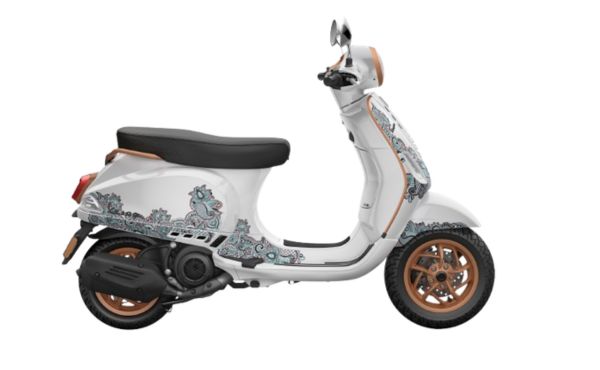
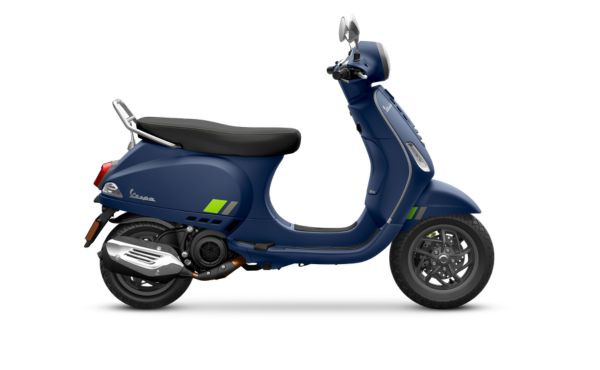
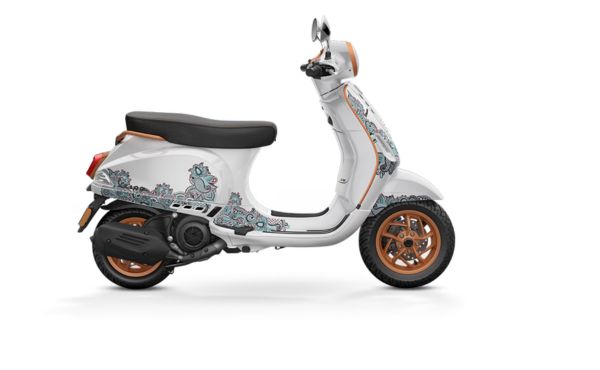
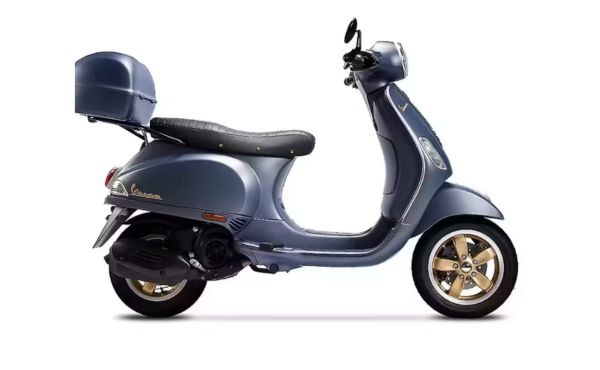
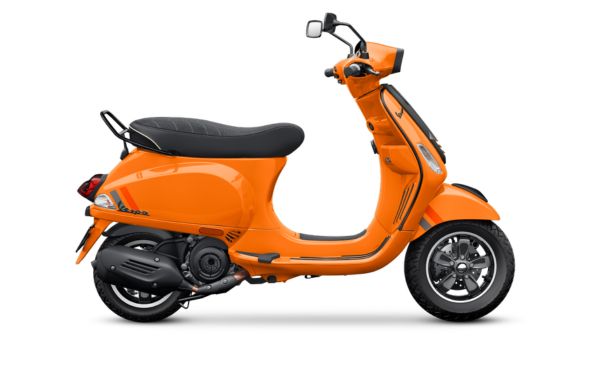
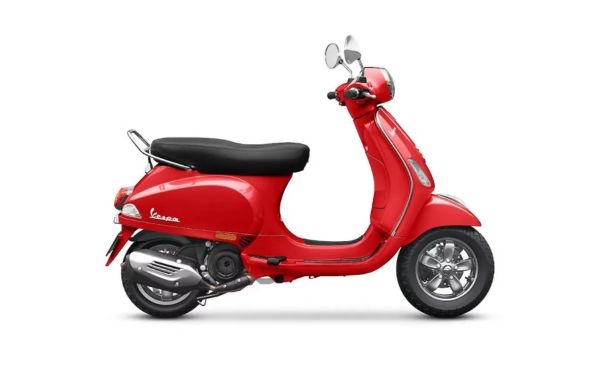
The 2026 Vespa 125 stands out as a classic choice in India’s premium scooter market. It blends Italian design with modern BS6 Phase 2 technology for easy city riding. Made for Indian riders who want style without the extras of sportier models, it offers smooth performance, eye-catching looks, and strong build quality that make daily commutes more enjoyable.
GALLERY
KEY SPECIFICATIONS
DISPLACEMENT
124.45 cc
MILEAGE
40-50km/l
POWER
7.0PS @7100 rpm
TORQUE
10.1 Nm @ 5600 rpm
FUEL SYSTEM
EFI
TANK CAPACITY
7.4 litres
REAR SUSPENSION
Hydraulic Shock
KERB WEIGHT
115 kg
Ratings
- 80%
Performance
- 78%
Features
- 84%
Handling
- 85%
Comfort
- 91%
Build Quality
- 93%
Styling
- 76%
Value for Money
- 84%
Total
Price
SPECIAL FEATURES
1
DIGITAL INSTRUMENT CLUSTER
2
LED LIGHTING SETUP
3
USB CHARGING PORT
4
KEYLESS IGNITION
5
COMBI BRAKE SYSTEM
6
TUBELESS ALLOY WHEELS
7
ERGONOMIC SEATING
8
UNDERSEAT STORAGE AND HOOK
9
BODY GRAPHICS AND COLOURS
10
COMFORTABLE RIDE QUALITY
11
AIR-COOLED ENGINE BAY
12
PRACTICAL DAILY USABILITY
Full Specifications
| City | 40–45 km/l |
| Highway | 45–50 km/l |
| Speedometer | Semi-Digital |
| Odometer | Digital |
| Tripmeter | Digital |
| Fuel Gauge | Yes (Digital) |
| Low Fuel Indicator | Yes |
| Low Battery Indicator | Yes |
| Start Type | Electric Start |
| Engine Kill Switch | No |
| Engine Type | Single Cylinder, 4-Stroke, Air Cooled, SOHC, 3-Valve |
| Displacement | 124.45 cc |
| Power | 9.78 PS @ 7400 rpm |
| Torque | 10.11 Nm @ 5600 rpm |
| Bore x Stroke | 52 mm x 58.6 mm |
| Cooling | Air Cooled |
| Fuel Supply | Electronic Fuel Injection (EFI) |
| Tyres (Front) | 110/70-11 (Tubeless) |
| Tyres (Rear) | 120/70-10 (Tubeless) |
| Brakes (Front) | 200 mm Disc |
| Brakes (Rear) | 140 mm Drum with CBS |
| Body Type | Monocoque Steel Body |
| Front Suspension | Aircraft-Derived Single-Side Arm Hydraulic Suspension with Anti-Dive Characteristics |
| Rear Suspension | Dual-Effect Hydraulic Shock Absorber with Four-Position Preload Adjustability |
| Wheelbase | 1290 mm |
| Seat Height | 770 mm |
| Length x Width | 1770 mm x 690 mm |
| Kerb Weight | 114–115 kg |
| Fuel Tank Capacity | 7.4 litres |
| Head Lamp | LED Headlamp with DRL |
OVERVIEW
PERFORMANCE AND ENGINE
The Vespa 125 uses a 124.45cc single-cylinder, air-cooled engine with fuel injection. It produces 9.38 bhp at 7,100 rpm and 10.1 Nm of torque at 5,600 rpm, giving smooth acceleration for city rides and short highway trips. The engine’s strong low-end torque makes overtaking in Indian traffic easy.
Paired exclusively with a CVT automatic transmission and a belt drive, the Vespa 125 offers seamless, gearless shifting for hassle-free riding in stop-and-go urban scenarios. The electronic fuel injection system optimises power delivery across the rev range, making it ideal for daily riding without manual intervention.
The Vespa 125 can reach a top speed of 86-90 kmph, which is enough for most city and suburban roads in India. In real-world use, it stays stable at speeds up to 85 kmph, helped by its light 115 kg weight.
MILEAGE AND FUEL EFFICIENCY
The Vespa 125 has an ARAI-certified mileage of 37.5-45 kmpl, thanks to its BS6-compliant engine and 7.4-litre fuel tank. These lab-tested numbers mean riders can expect a good range, which is important in India’s fuel-sensitive market.
Indian riders say the Vespa 125 gives 30 to 45 kmpl in real-world use, depending on how and where you ride. In heavy city traffic, it’s about 30 kmpl, but on open roads, it can reach 45 kmpl. Many owners report an average of 40 kmpl and prefer its premium build over rivals like the Activa, even if it uses a bit more fuel. Riding alone and keeping a steady speed can push mileage closer to 50 kmpl in light conditions.
FEATURES AND TECHNOLOGY
The Vespa 125 brings Italian style to Indian roads, with BS6 Phase 2 compliance and features designed for city use.
- Digital Instrument Cluster: Features a semi-digital console displaying speed, fuel level, odometer, tripmeter, and clock for clear readability during rides.
- LED Lighting Setup: Equipped with an LED headlamp, DRLs, and taillight for enhanced nighttime visibility and energy efficiency in Indian traffic.
- USB Charging Port: Includes a convenient USB port under the seat for charging smartphones on the go, ideal for long commutes.
- Keyless Ignition: Offers keyless start with a proximity sensor for effortless ignition, reducing fumbling in crowded urban settings.
- Combi Brake System (CBS): Provides integrated front disc (150–200 mm) and rear drum (140 mm) brakes for balanced stopping power and improved safety.
- Tubeless Alloy Wheels: Rolls on 11-inch front and 10-inch rear alloy wheels with tubeless tyres (90/70 front, 90/100 rear) for puncture resistance and better grip.
- Underseat Storage and Hook: Boasts spacious underseat storage for helmets or bags, along with a front carry hook for added utility during daily errands.
- Ergonomic Seating: Features a 770 mm seat height with a single-piece cushioned seat and passenger backrest/footrest for comfortable duo riding.
- Body Graphics and Colours: Styled with premium body graphics and available in 8–9 attractive colour options such as Light Red, Stone White, and Blue.
- Air-Cooled Engine Bay: Houses a 124.45 cc 3-valve fuel-injected engine supported by a monocoque frame, single-side arm front suspension, and rear dual shock absorbers for stable handling.
BUILD QUAlITY
Vespa uses a monocoque full-steel body construction for its scooters, integrating the frame and body into a single load-bearing structure. This design provides a solid feel, enhances impact resistance, and ensures long-term rigidity compared to typical mixed-material scooters.
The Vespa’s panels fit well with very small gaps, and the paint and chrome details, like mirrors and badges, are better than most mass-market scooters. Owners often mention the “all-metal body” and strong durability, with few vibrations or rattles even after years of riding.
Useful features like the main stand, side stand, footboard, and grab rail are strong and easy to use. Riders say it’s simple to put the scooter on the main stand, even though it’s a bit heavier. Overall, the Vespa 125 is seen as one of the top choices in the 125cc segment, especially for tough Indian roads.
HANDLING
The Vespa 125 features a unique single-sided front suspension with anti-dive characteristics and a dual-effect hydraulic rear shock absorber. This combination, along with 11-inch front and 10-inch rear alloy wheels and tubeless tyres, provides stability in city traffic and on rough roads. Owners appreciate its easy manoeuvrability in dense traffic, thanks to its compact wheelbase of about 1,290 mm and its short overall length. The scooter’s short turning radius and good steering lock facilitate U-turns and tight lane changes, making it ideal for urban riding.
At higher speeds, the Vespa’s heavier steel body helps it stay stable, and riders say it feels steady on highways if the tyres are properly inflated. The wide tyres grip well in both dry and wet weather, especially over potholes and speed bumps during the monsoon. Braking uses a 200 mm front disc and a 140 mm rear drum with CBS, which most Indian users find good for daily use. Earlier LX models had weaker front brakes, but the latest 125 has improved the CBS for better balance and safety, matching its urban-retro style.
Comfort
The Vespa 125 is very comfortable, with upright seating and a wide, soft seat. Its 770 mm seat height and flat footboard suit riders of different heights, making it well-suited for both short city trips and longer rides. Many Indian owners praise its comfort on city roads and highways, especially the seat padding and space for both rider and passenger. The supportive foam helps reduce tiredness, making it one of the best in its class for long rides.
The suspension is set up for comfort and handles potholes and bumps well. The rear shock keeps the ride smooth for passengers, even on rough roads. The 125cc engine runs with little vibration, giving a smooth ride in the city. Its balance, stable highway performance, and useful features like a grab rail and roomy floorboard make the Vespa 125 good for both daily commutes and longer weekend trips in India.
SYTLING
The Vespa 125 keeps its classic Italian look, with a round headlamp, curved panels, chrome touches, and a unique rear tail light that gives it a premium retro feel on Indian roads. This model adds new body graphics, smoother side panels, and a cleaner monocoque chassis for a modern yet vintage style.
The Vespa’s full-steel body, tight panel gaps, and quality chrome on the grab rail, mirrors, and badges make it feel more premium than plastic-heavy competitors. The rear has a compact tail with built-in turn signals and a grab rail for passengers. Its wide floorboard and upright stance give it an elegant, easy-to-approach look for city riders. Indian users call the styling “head-turning” and “timeless,” saying it stands out in traffic without being too flashy.
COLOUR OPTIONS AND VARIANTS
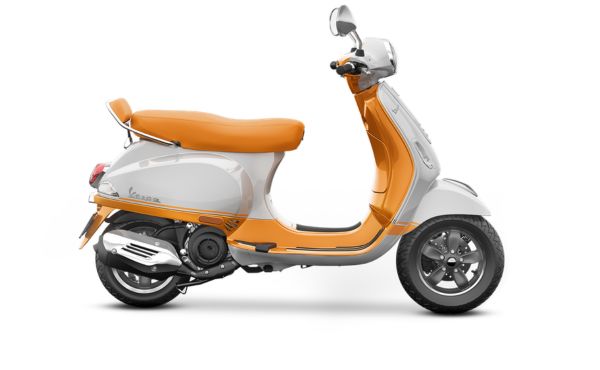
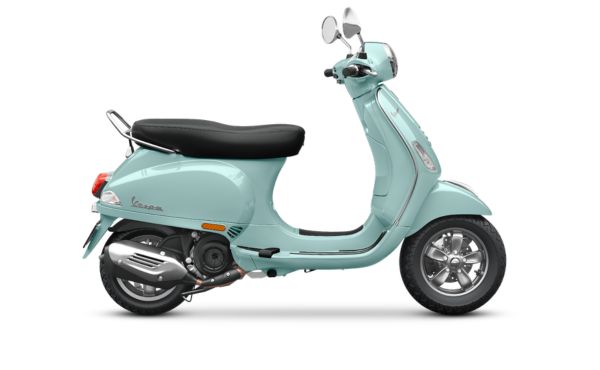
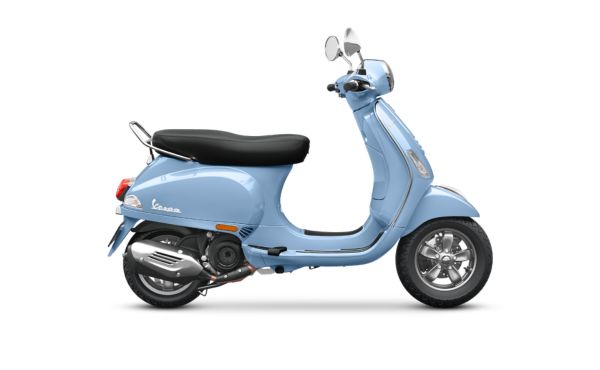
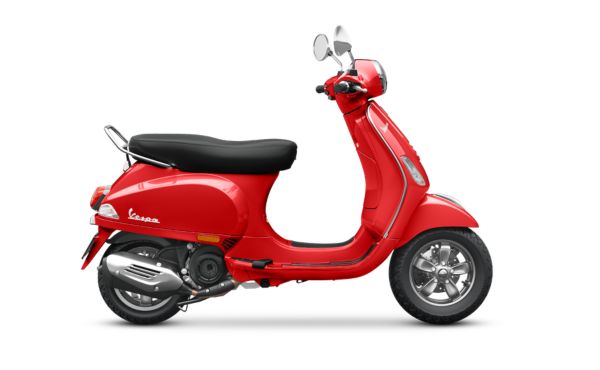
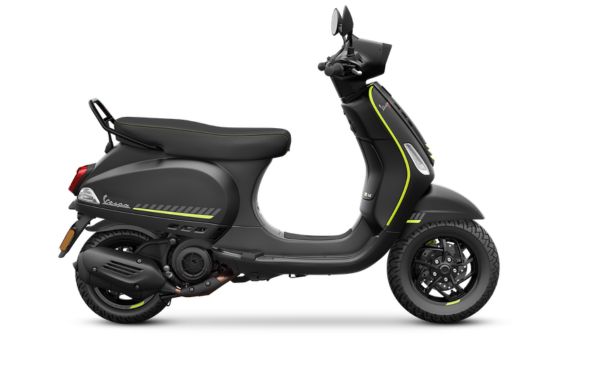
The Vespa 125 offers up to 7 colour schemes tailored for Indian preferences, blending vibrant solids with sophisticated duals. Popular options include
- Verde Amabile (green)
- Rosso Red
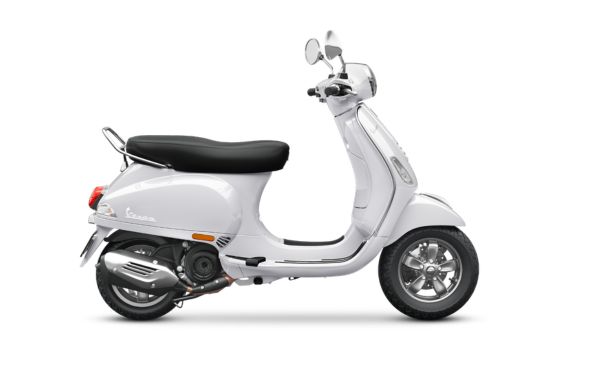
- Pearl White
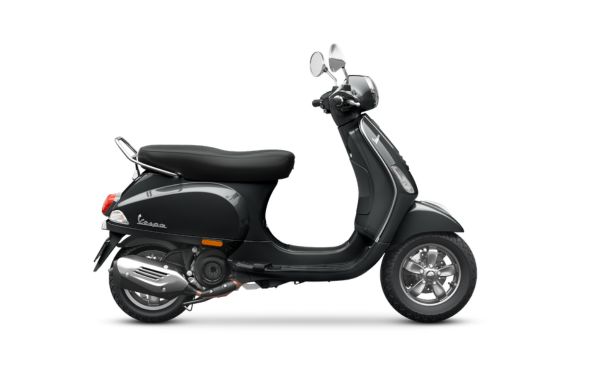
- Nero Black
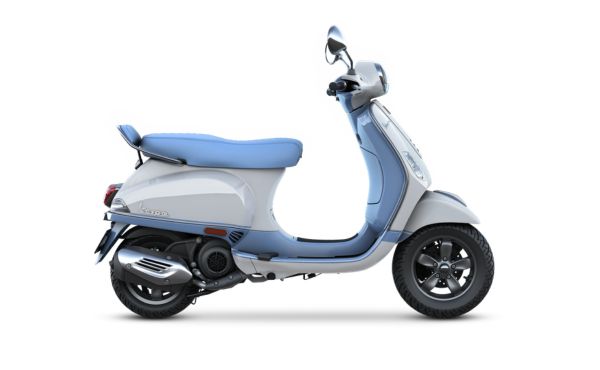
- Azzurro Provenza (blue)
- Blue & White
- Orange & White
These base variant colours feature glossy finishes and new decals that showcase the Vespa logo and body lines, helping them withstand Indian monsoons and dust. Dual-tone options like Blue & Pearl White give the apron and side panels a premium look, attracting buyers who want a personal touch without extra cost.
The Vespa 125 mainly comes in the Standard or Base variant, also known as Single Tone or Dual Tone, with optional dual-tone colour upgrades. This basic version has all the key style features, like the round headlamp and metal body. Still, it doesn’t include special editions or extra tech packs.
VALUE FOR MONEY AND PRICING
The base Vespa 125 Standard (single or dual-tone) starts at ₹ 1,28,321 in big cities like Delhi and Mumbai. For this price, you get a strong all-metal body, classic styling, and a high-quality finish that lasts longer and holds its value better than plastic scooters (often keeping 70-80% of its value after 2 years). Owners like its comfort, smooth ride, and standout looks for daily use, even if the mileage is a bit lower.
The Vespa 125 costs more upfront than other scooters, so it’s best for buyers who value style and are willing to pay extra for better build and exclusivity. The limited service network in smaller towns can raise long-term costs. Still, city users say it’s “worth every penny” for the premium feel and few panel replacements. Its resale value remains high due to brand loyalty, making it a good investment for 3-5 years.
Key rivals to the Vespa 125 Standard include the
- Suzuki Access 125
- Honda Activa 125
- TVS Jupiter 125
- Yamaha Fascino 125
Overall, the Vespa 125 is a good fit for buyers looking for a premium scooter. At the same time, other brands are better for those who want something more affordable and practical.
The Vespa 125 Standard variant captivates with its retro Italian charm and solid build, making it a standout choice for style-focused riders in India. Drawing from user experiences and expert insights, here’s a balanced look at its strengths and weaknesses.

VERDICT
The Vespa 125 in India is a great option for city riders who want luxury and style. Its all-metal build and retro design make it stand out from more practical scooters like the Honda Activa 125 and Suzuki Access 125. While it costs more and has fewer service centres outside big cities, its high resale value, smooth 124cc engine, USB charging, and LED lights make it a good investment for style-focused professionals and weekend riders.
The Vespa 125 scooter is known for its durability, good looks, and comfort on rough city roads and light highways. Many owners say it’s “worth every penny,” even with some small issues like mileage and maintenance costs. In a market full of basic scooters, it’s a lifestyle choice for those who want Italian style, especially if there’s a service centre nearby.
PROS
- Iconic Retro Styling: The timeless curves, chrome accents, and full-metal body turn heads on the road, offering premium aesthetics unmatched by many mass-market scooters.
- Superior Build Quality: Built with a rust-resistant steel monocoque frame that handles Indian road conditions and monsoons effectively, with tight panel gaps and strong resale value (around 70–80% retention).
- Excellent Ride Comfort: Plush seating, upright ergonomics, and a compliant suspension setup with a single-sided front arm and dual rear shock absorbers help absorb potholes and bumps for comfortable city rides.
- Smooth Performance: The refined 124 cc 3-valve fuel-injected engine provides strong low-end torque for quick urban acceleration and smooth performance with minimal vibrations.
- Practical Features: Comes with useful features such as LED lighting, USB charging port, under-seat storage for a half-helmet, and CBS braking system for everyday convenience.
- Fuel Efficiency: Delivers a real-world mileage of around 40–45 kmpl in mixed riding conditions, providing a practical range with its 7–8 litre fuel tank.
CONS
- High Maintenance Costs: Service charges and spare parts such as battery replacements can be 30–50% more expensive than many rival scooters, with some users reporting higher costs at authorised service centres.
- Limited Service Network: The brand has fewer service centres outside major cities like Delhi, Mumbai, and Bangalore, which may lead to longer waiting times for servicing and spare parts in smaller cities.
- Subpar Mileage vs Rivals: Real-world fuel efficiency is slightly lower compared to competitors like Honda Activa 125 or Suzuki Access 125, which can increase running costs over time.
- Heavier Weight: With a kerb weight of around 114–115 kg, the scooter may feel slightly heavy for shorter riders or when manoeuvring in tight parking spaces, and the under-seat storage fits only daily essentials or a half-helmet.
- Expensive Insurance and Ownership: Higher insurance premiums and premium pricing can make overall ownership more expensive compared to many other scooters in the segment.
- Average Braking: The front disc and rear drum setup with CBS provides adequate braking, but some riders feel it could offer stronger stopping performance on wet roads, and ABS is not available.
LIST OF ALL VESPA SCOOTERS
ABOUT VESPA SCOOTERS
Vespa, a legendary brand renowned for its distinctive design and rich history, holds a special place in the hearts of scooter enthusiasts around the world. Originating in the aftermath of World War II, Vespa was introduced by the Italian company Piaggio in 1946. With its sleek, elegant appearance, efficient functionality, and a wide range of Vespa scooters colors, the Vespa scooter quickly became an iconic symbol of Italian engineering and style, capturing the imagination of a generation and leaving an indelible mark on the world of two-wheelers.
The journey of Vespa in India dates back to the 1960s, when it forged a partnership with the esteemed Indian manufacturer Bajaj to produce Vespa scooters in the country. This collaboration brought the elegance and sophistication of Vespa to the Indian masses, setting the stage for a long and enduring relationship with the Indian market. Following the Bajaj era, Vespa continued its Indian venture by partnering with LML Motors, leading to the production and distribution of its renowned scooters throughout the country. This period marked an era of continued growth and popularity for the brand in the Indian two-wheeler market. Despite changes in partnerships and the evolution of the Indian automotive industry, Vespa has always remained synonymous with classic design, superior craftsmanship, and timeless appeal. The brand’s commitment to quality and innovation has made it a global symbol of style and sophistication, attracting a diverse and loyal fan base across different continents and cultures.
The distinctive Vespa scooters features lie in their painted, pressed steel unibody, which seamlessly integrates an engine cowling, a flat floorboard, and a front fairing into a single structural unit. This unique design not only enhances the scooter’s aesthetic appeal but also provides practical benefits such as engine protection, foot safety, and wind resistance, making Vespa an ideal choice for both urban commuting and leisurely rides through scenic landscapes. Vespa’s global presence has expanded over the years, encompassing a diverse range of models and variants, each crafted with meticulous attention to detail and a focus on delivering a superior riding experience. From its humble beginnings as a single-model scooter, Vespa has grown into a comprehensive product line, catering to the varied preferences and demands of scooter enthusiasts worldwide.
Today, Vespa continues to embody the spirit of Italian elegance and craftsmanship, combining its rich heritage with modern technology to create a unique blend of nostalgia and innovation. With its timeless design, enduring legacy, and unwavering commitment to excellence, Vespa remains an enduring symbol of style, freedom, and the joy of the open road, resonating with generations of riders who appreciate the finer things in life.
History and Growth
In the 1960s, Piaggio authorised the production of Vespa in India, turning it into a symbol after independence. Vespa returned in 2012, launching the LX 125 with a new 125cc engine that offered 60 km per litre. By mid-2013, Vespa had sold 52,000 scooters and expanded to 35 cities with 50 exclusive outlets.
Key Milestones and Developments
- April 6, 2012:Vespa made its official debut at the Delhi Auto Expo with the India-specific LX 125, priced at 66,600 INR (about 1,000 EUR).
- April 26,2012:Vespa held a press launch in Mumbai and opened the Baramati factory for full production.
- June 2013:Vespa VX launch in Bombay; announces GTS 300, LXV 125, and flagship 946 models.
- In March 2025:Vespa unveiled its 2025 portfolio at St. Regis Mumbai, celebrating over ten years in India with new features and bold colours for the next generation.
Vespa made changes for easier maintenance and a more premium image, which helped global sales grow from 50,000 units in 2003 to over 150,000 in 2011, before re-entering India.
Manufacturing Facilities
Piaggio’s Baramati factory in Maharashtra opened in April 2012 and covers a large area. It manages every step of Vespa scooter production, from building frames to final assembly. The factory started with a capacity of 150,000 scooters a year and doubled to 300,000 by 2013. Built in 14 months for over Rs. 10 billion, the plant is part of a larger site that also makes three-wheelers and engines. From the beginning, the factory has used only locally sourced parts, making Vespa a scooter made in India for the world.
Market Position and Achievements
Vespa created a premium two-wheeler segment in India for buyers who value style, setting itself apart from regular commuter scooters. It set up exclusive dealerships in major cities, offering models with notable Vespa scooters mileage in India. Official launches highlight Vespa as Piaggio’s top seller, similar to the LX in Europe, and rapid sales growth helped the Group aim for 1 million global vehicles by 2014. Notable achievements include the 75th anniversary edition in 2021 and the (Vespa)RED VXL, which supports global causes.
Future Plans
Piaggio plans to make Vespa an even stronger luxury-lifestyle brand in India. The 2025 lineup features advanced options for younger, style-conscious riders. The strategy includes launching bigger models, investing in premium two-wheelers with Aprilia, and using the Baramati plant to expand. Piaggio aims to grow revenue in Asia by increasing Vespa’s presence in emerging markets, focusing on local innovation, wider distribution, and meeting changing consumer needs.
USER REVIEWS
There are no reviews yet. Be the first one to write one.


Hiran Narayanan
Founder & CTO at Bikeleague India
Hiran Narayanan is the Founder and CTO of Bikeleague India, bringing over 15 years of experience in motorcycle technical writing. He develops detailed analyses, tools, model overviews, and blogs that contribute to bikeleague.in's improving rankings.