Overview
Performance And Engine
Kawasaki’s 451 cc liquid-cooled, 4-stroke parallel-twin DOHC engine makes 33.4 kW (45.4 PS) at 9,000 rpm and 42.6 Nm of torque at 6,000 rpm. This gives a balanced performance with strong low-end power for quick overtakes. The engine’s 70.0 x 58.6 mm bore and stroke, along with an 11.3:1 compression ratio, help deliver smooth power. Dual 32 mm injectors provide accurate throttle response in different Indian conditions. This setup offers good mid-range strength, making the bike easy for new sport riders and exciting for experienced riders on highways.
A slick 6-speed return-shift gearbox pairs seamlessly with the engine, featuring a wet multi-disc assist-and-slipper clutch that lightens lever pull and prevents rear-wheel hop during aggressive downshifts common in Indian traffic. Gear ratios are optimised for usability: 1st 2.929 (41/14), 2nd 2.056 (37/18), 3rd 1.619 (34/21), 4th 1.333 (32/24), 5th 1.154 (30/26), and 6th 1.037 (28/27), with a primary reduction of 2.029 (69/34) and final drive sealed chain at 3.071 (43/14). This configuration supports smooth shifts and efficient cruising, enhancing control during frequent gear changes in urban India.
The Ninja 500 can reach a top speed of about 190 kmph, which is electronically limited for safety and reliability on Indian highways. It stays stable and performs well at high speeds without stress on the engine. Real-world tests support this top speed, and riders say the bike feels steady and confident, thanks to its aerodynamic fairing and light 171 kg weight.
Mileage And Fuel Efficiency
The ARAI-certified mileage is 26.31 kmpl, based on controlled tests that show efficient fuel use and a 3.8 L/100 km consumption rate. With a 14-litre tank, the bike can go over 360 km on a full tank, making it practical for long rides in India. Kawasaki’s Economical Riding Indicator also helps riders approach this level of efficiency.
Indian owners usually get 20-22 kmpl in mixed city and highway riding. This drops to 18-21 kmpl with aggressive riding or in heavy traffic, like in Mumbai or Delhi. Things like riding style, load, and road quality in India often mean fuel efficiency is 10-15% lower than the ARAI figure, but the 14-litre tank still gives a range of 250-300 km.
Features And Technology
The Kawasaki Ninja 500 comes with premium features designed for Indian riders. It combines sporty looks with everyday practicality. The bike features smartphone connectivity and safety features, and meets BS6 Phase 2 standards in India.
- Liquid-cooled 451 cc parallel-twin DOHC engine: Delivers 45.4 PS at 9,000 rpm and 42.6 Nm at 6,000 rpm, with bore/stroke 70.0 x 58.6 mm, 11.3:1 compression, fuel injection via dual 32 mm throttle bodies, and forced lubrication wet sump for smooth low-to-mid range power ideal for Indian roads.
- Trellis high-tensile steel frame: Rigid-mounted engine as stressed member, optimised via dynamic rigidity analysis for lightweight handling (171 kg kerb weight), short wheelbase (1,375 mm), and 92 mm trail ensuring agile manoeuvrability in traffic.
- Assist & Slipper clutch: Wet multi-disc design reduces lever effort and back-torque during downshifts, preventing rear wheel hop for confident braking in urban India.
- Dual-channel ABS braking: Front 310 mm semi-floating disc with dual-piston calliper, rear 220 mm disc with dual-piston calliper, offering stable stops on varied surfaces.
- Smartphone connectivity via Rideology App: Full LCD instrument panel (Bluetooth-enabled) shows notifications, riding logs (GPS route, RPM), vehicle info (odometer, fuel), call/SMS alerts, and customizable settings.
- Economical Riding Indicator: LCD “ECO” mark indicates optimal fuel efficiency (ARAI 26.31 kmpl), enabling a longer range from a 14 L tank.
- LED lighting suite: Compact dual headlights with lower spoilers, LED taillight, turn signals, DRLs, and brake lights for superior visibility in Indian conditions.
- Suspension setup: 41 mm telescopic front fork (120 mm travel), rear Uni-Trak gas-charged monoshock with preload adjust (130 mm travel), balancing sport and comfort.
- Radial tubeless tyres on alloy wheels: Front 110/70R17, rear 150/60R17 for grip, with 145 mm ground clearance suiting potholed roads.
- Ergonomic rider triangle: 785 mm seat height with slim design and flat padding for easy reach, elevated bars, forward footpegs, wind protection from full fairing, and split stepped seat.
- Additional aids:Digital console with tachometer, speedometer, fuel gauge, tripmeter, clock, gear position, service due indicator, low fuel/oil/battery alerts, and OBD2B compliance.
Build Quality
Kawasaki’s trellis high-tensile steel frame uses the 451cc parallel-twin engine as a stressed part of the structure, which improves strength and reduces flex. The bike weighs 171 kg and uses quality aluminium parts like rearset footpegs, swingarm, and wheels. Powder-coated finishes help prevent rust in India’s humid and salty coastal areas.
The panel gaps are very precise, and the paint quality matches that of supersport bikes. The CBU assembly means there is no vibration at idle or while cruising. Indian owners say the bike stays rust-free even after 10,000 km in monsoon conditions. The TIG welds add durability, and the 14-litre steel fuel tank is strong but not bulky. The chassis handles daily use well, with 145 mm ground clearance protecting the underside, and the radial-mount callipers and forged levers keep the controls firm and responsive.
Handling
The precise chassis geometry, with a 1,375 mm wheelbase, 785 mm rake, and 92 mm trail, gives the bike quick handling for weaving through Mumbai traffic and stable performance on highways at high speeds. The 41 mm Showa SFF-BP forks with 120 mm travel provide smooth damping, absorbing bumps and keeping the bike steady in corners. The rear Uni-Trak linkage monoshock, which is adjustable for preload and rebound, helps the bike stay balanced even when carrying extra weight.
Tests show the Ninja 500 handles more neutrally than the Ninja 650, and its low centre of gravity makes it easy to lean into corners on winding roads. Dunlop Sportmax Roadsport 2 tyres grip well even in rain, with easy turning. Riders say the bike gives good feedback through the handlebars, rarely shakes at high speed, and can do wheelies with a quick twist of the throttle.
Comfort
The bike’s ergonomics are designed for versatility, with a 785 mm seat height that lets riders around 5’6″ put their feet flat on the ground. The slim tank makes it easier to reach the ground in stop-and-go traffic. The urethane-foam seat is shaped to fit the rider’s body over long rides, and the clip-on handlebars are set at a comfortable height to reduce wrist strain compared to superbikes. The forward footpegs also help reduce knee bend for Indian riders who are about 5’7″ tall.
The full fairing blocks wind well up to 140 kmph, keeping the rider’s torso protected on long trips like Delhi to Mumbai. Vibrations are low below 8,000 rpm because of the twin balancers. The pillion seat has a good grab rail and some padding for short rides, but the bike is best used solo for touring. The mirrors stay clear, and the bike’s heat management stops your thighs from getting too hot in Kerala summers. Reviews say it is “surprisingly comfy for a sportbike,” and it is more comfortable than the KTM RC 390 on long rides.
Styling
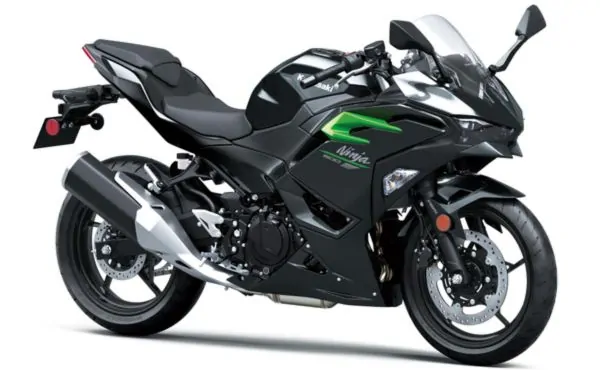
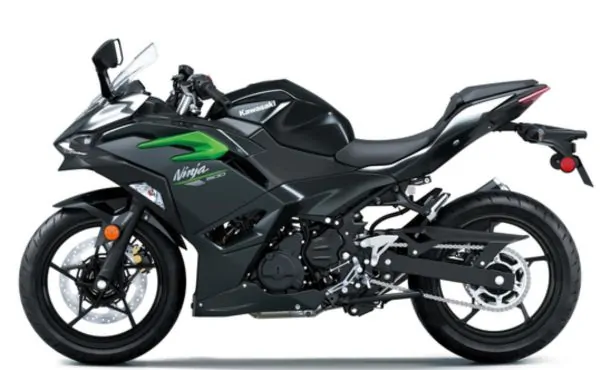
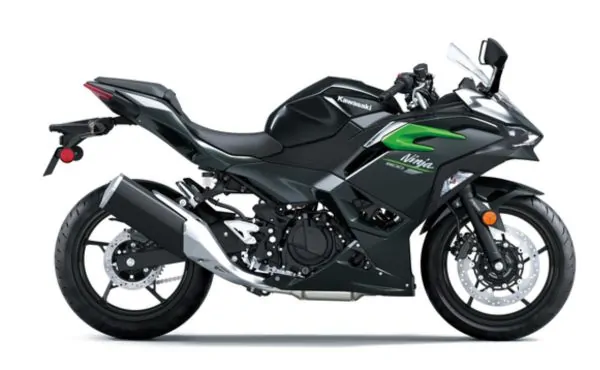
The Ninja 500 has layered, flowing bodywork from front to back, giving it a strong supersport look. It features aggressive twin-pod LED projector headlights, compact LED daytime running lights, and integrated spoilers for a bold appearance. The sharp fairing panels and sculpted side intakes improve aerodynamics and hold the compact radiator. The design tapers to a small LED taillight with a clear lens and an underbelly exhaust, giving the bike a race-ready look.
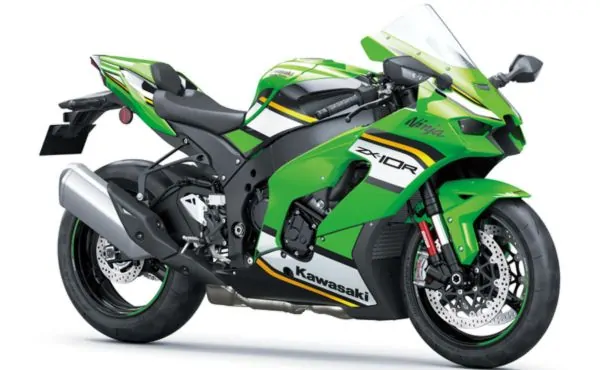
Dunlop branding on the 17-inch alloy wheels, ribbed knee grips on the tank, and a mirrored windscreen give the bike a premium feel. The design is inspired by the ZX-10R hypersport but made more accessible, and its compact 2,090 mm length and low profile attract attention in Indian showrooms. The slim tail and up-swept number plate holder keep the look clean, making it good for city riding or track days. The fairing edges and cowl extensions help direct airflow, reduce wind buffeting, and highlight the sporty seat height.
Colour Options And Varients
India receives the Ninja 500 exclusively in
- Metallic Carbon Gray
The bike comes in a matte charcoal colour with subtle metallic flakes that highlight its sharp body lines and give it a sleek, premium look in both city lights and sunlight. This single colour replaces the brighter global options, such as Lime Green or Ebony, and is aimed at buyers who prefer a more understated style. The colour matches well with the black frame, gold fork legs, and silver wheels, creating a balanced appearance.
The latest Ninja 500 in India is available as a single, fully loaded STD variant, which includes all main features and avoids complicated options. Unlike global markets, there are no SE or ABS-only trims; dual-channel ABS, Rideology app connectivity, and full LED lights are standard, but there is no traction control. Accessories like a taller windscreen, USB port, frame sliders, and tank pad can be added through Kawasaki dealers. This simple approach helps with faster deliveries in cities like Delhi, Mumbai, and Chennai and appeals to Indian riders who want value without too many choices, competing with the Aprilia RS 457.
Value For Money And Pricing
The ex-showroom price for the single STD variant starts at ₹ 5,76,000 which is a bit higher than the 2025 launch price of ₹5.29 lakh because of BS6 Phase 2B updates and import duties. Accessories like frame guards or tank pads cost an extra ₹5,000-15,000. EMI plans start at ₹18,000 per month for 3 years at 9% interest. Since the Ninja 500 is a CBU import, it remains exclusive, and Kawasaki’s dealer network in major cities offers quick service.
For its price, the Ninja 500 stands out as a premium option with its smooth 451cc parallel-twin engine (45.4 PS/42.6 Nm), better build quality than single-cylinder competitors, and features like dual-channel ABS, the Rideology app, and 26.3 kmpl ARAI mileage for a range of over 360 km. It is less expensive than the Ninja 650 and offers better low-end performance than more powerful but less efficient bikes. The bike keeps a strong resale value of 85-90% after two years, thanks to Kawasaki’s reliability. While it lacks traction control and a quickshifter, it is a great choice for daily sport riding, touring, or riders moving up from 300cc bikes. Experts say it is a good pick for those who want refinement over just high specs.
Direct rivals include
- Aprilia RS 457
- Yamaha YZF-R3
- KTM RC 390
The Ninja 500 is smoother and more comfortable than its rivals, making it better for a variety of uses in India rather than just aggressive riding.