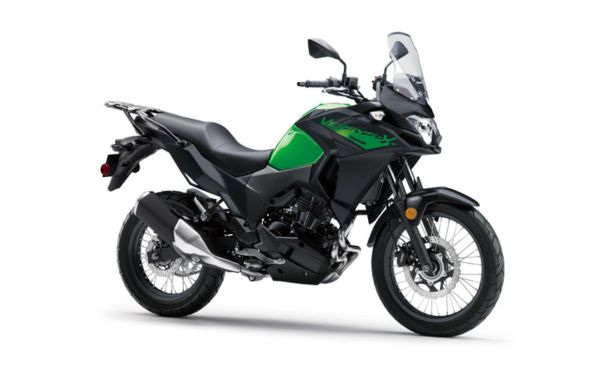
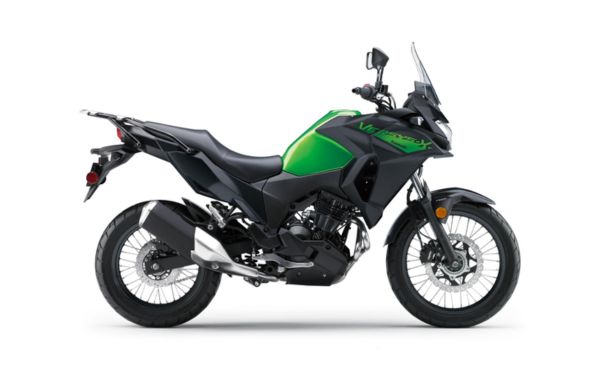
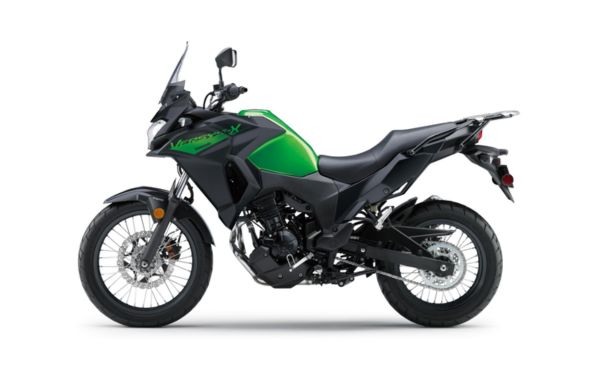
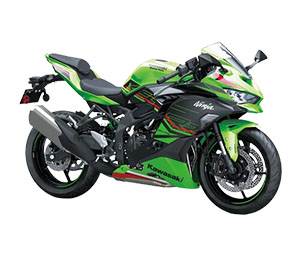
The 2026 Kawasaki Versys-X 300 features a liquid-cooled, 4-stroke, parallel-twin DOHC engine with a 296cc displacement. It’s built for Indian roads, handling both city rides and extended tours. With a 10.6:1 compression ratio, it focuses on reliability and smooth power across different terrains. Based on the Ninja 300 platform, it stands out as an accessible adventure bike in India’s premium segment.
Kawasaki claims a maximum power of 29.0 kW (39 PS or about 38.8 bhp) at 11,500 rpm and 26.0 Nm of torque at 10,000 rpm. The engine performs best at high revs, giving quick acceleration for highway overtakes. It doesn’t have strong low-end power for rugged off-roading, but real-world tests show it’s smooth and reliable, making it great for long rides.
The bike uses a 6-speed gearbox with return shift, along with an assist-and-slipper clutch for smoother downshifts and less rear-wheel hop when braking hard. The chain drive gives efficient power transfer, tuned for the engine’s high-revving nature. It uses the familiar 1-down-5-up gear pattern found in many Kawasaki sport bikes.
The Versys-X 300 can reach a top speed of about 160 kmph in ideal conditions. With a passenger or luggage, real-world speeds are usually 140-150 kmph. Its aerodynamic design and 39 PS power help it cruise steadily on expressways. Highway tests show it stays stable at high speeds without much effort.
Mileage and Fuel Efficiency
ARAI certification lists 24.39 kmpl for the BS6-compliant engine, reflecting controlled lab conditions with the 17-litre tank offering a potential range of over 400 km. This figure accounts for the parallel-twin’s thirstier nature compared to single-cylinder rivals.
Indian riders’ and test reports show city mileage of 25-25.61 kmpl in traffic, which is slightly lower than the ARAI figure. On highways, it improves to 27-27.28 kmpl at steady speeds. Some reviews mention about 25 kmpl overall on mixed routes. The real-world average is around 26.45 kmpl, and the large tank helps on long trips with few stops.
Features and Technology
The Kawasaki Versys-X 300 comes with several adventure features for Indian roads, like single-channel ABS and an adjustable windscreen for different riding needs.
Engine Type: Liquid-cooled, 4-stroke parallel-twin DOHC with 296cc displacement, 2 cylinders, 4-stroke cylinder, bore x stroke 62mm x 49mm, and compression ratio 10.6:1 for efficient BS6 Phase 2 compliance.
Suspension Front: 41mm telescopic fork offering 130mm travel for handling potholes and light off-road on Indian terrains.
Suspension Rear: Bottom-link Uni-Trak with gas-charged shock, spring preload adjustability, and 148mm travel for customisable comfort on long rides.
Brakes: Dual discs with 2-piston callipers front and rear (front disc size typically 290-300mm, rear 220mm) paired with single-channel ABS customisable stopping.
ABS System: Single-channel ABS with Kawasaki Advanced Coactive-braking Technology (K-ACT) for enhanced safety on wet or uneven Indian roads.
Tyres and Wheels: Front 100/90-19 tube-type on 19-inch spoke wheel, rear 130/80-17 tube-type on 17-inch spoke wheel for ADV grip and durability.
Dimensions: Length 2170mm, width 860mm, height 1390mm, wheelbase 1450mm, ground clearance 180mm, seat height 815mm (accessible for most Indian riders), kerb weight 175kg.
Fuel Capacity: 17 litres tank supporting extended touring range in line with real-world mileage.
Instrument Console: Digital display with speedometer, odometer, tripmeter, fuel gauge, clock, gear position indicator, and low fuel/battery warnings.
Additional Safety: Engine kill switch, pass switch (AHO), hazard warning lights, saree guard, pillion grab rail, and footrest for practical Indian use.
Riding Aids: Riding modes, an adjustable windscreen for wind protection on highways, DRLs, and an LED taillight for visibility.
Chassis: Backbone high-tensile steel frame for lightweight rigidity and nimble handling.
Clutch and Ignition: Wet multi-disc assist-and-slipper clutch, digital ignition, fuel injection, and self-start only for smooth operation.
Colours: Available in Candy Lime Green / Metallic Flat Spark Black dual-tone scheme for the Indian market.
Build quality
Kawasaki’s backbone steel frame, high-tensile chassis construction, and Japanese fit-finish translate into a motorcycle that feels rock-solid even on patchy Indian tarmac. Indian reviewers consistently highlight “typical Kawasaki quality, with panels aligning well, minimal rattles, and better overall feel than some locally assembled models, which is essential on broken roads and extended tours.
The 19/17-inch spoke wheels make the bike tougher for rough roads, but tube-type tyres can be harder to fix if you get a puncture on highways. The switchgear, paint, and welds are said to last well, even for riders who travel extensively across different Indian climates. The semi-digital console and basic features may seem old. However, Indian media say the hardware is still durable and reliable.
Handling
The Versys-X 300 has a lightweight frame, a 41 mm telescopic fork, and a Uni-Trak monoshock. This setup makes it agile and easy to handle on Indian highways and in city traffic. Testers in India say it feels stable and predictable in corners, even at highway speeds.
Indian reviewers say the bike changes direction easily, so quick lane changes and moving through city traffic are simple, even though it’s an ADV. On smooth or slightly bumpy highways, the suspension feels stable, and the chassis stays steady. But on rough off-road sections and big potholes, the limited suspension travel can cause it to bottom out sooner than bikes made for serious off-roading.
The single-disc brakes with dual-channel ABS are set up for stability rather than sharp stopping power, which works well for touring. Some riders wish for a stronger initial bite in emergencies. Indian testers say the brakes are adequate, smooth, and predictable. Still, you need to pull the lever harder during emergency stops.
The latest MRF tyres in India grip well on dry roads. They’re okay in the wet, but some riders say they don’t give enough feedback on slippery or shiny surfaces. Not being able to turn off the rear ABS is a drawback for experienced riders who want more control on loose gravel or steep hills.
Comfort
Riders give the Versys-X 300 high marks for comfort, especially for its upright seating and ability to handle long highway rides without much fatigue. The 815 mm seat height suits most average-height Indian riders. Once on the bike, the seating position feels natural and relaxed.
The standard seat is firm but supportive, with thick padding that stays comfortable on long rides. Kawasaki also offers a 25 mm taller, softer seat for extra comfort.
The wide handlebars and nearly centre-set footpegs give a roomy, upright position that’s good for commuting, highway rides, and light touring. Taller riders in India say standing on the pegs is okay, but could be better, as the thin footpegs can dig into your feet after a while. Tests in Indian cities show the suspension is well-tuned for both city and highway use, soaking up deep potholes, rough patches, and speed breakers better than many single-cylinder ADVs. Small bumps and road joints are barely felt, making the ride feel smoother. On concrete highways and wavy roads, the bike stays steady, which helps on long trips.
Only on tall speed breakers or very rough trails do you wish for more suspension travel and a softer ride, showing its focus on road comfort.
Indian media see the Versys-X 300 as a comfortable, lightweight road-tourer, not a hardcore off-roader, and its comfort features back this up. At normal highway speeds in India, the engine feels smooth and relaxed. Only at higher speeds do you notice some mild vibrations in the seat and pegs, but they’re not harsh.
The stock windscreen gives enough wind protection for most riders. Still, some reviewers say a taller or adjustable screen would help on longer highway rides, especially for taller people. The pillion seat is fine for medium distances. It has a flat rear section, but the most comfortable is for solo touring with luggage.
Styling
Kawasaki India gives the Versys-X 300 a compact yet solid adventure look, with a big front, a tall windscreen, a high fender, and an upswept exhaust for a true adventure-tourer feel. The design is practical, with a handy rear carrier, strong side panels, and a short tail that stands out on Indian highways without looking too aggressive.
The 19-inch front and 17-inch rear spoke wheels with tall tyres add to its rugged, go-anywhere look, which suits India’s varied roads. A halogen headlamp with LED DRLs and a slim LED taillight give the bike a modern feel. Raised handlebars and knuckle guards add to its strong road presence. Indian reviewers call the look “simple but handsome” for its size, with rigid plastics and a quality paint finish that stays good-looking in daily use.
Colour options and Variants
Kawasaki India offers the Versys-X 300 in a single colour option,
Candy Lime Green / Metallic Flat Spark Black
The colour scheme mixes bright shades with black accents for a premium, adventure-ready look. It features bold lime-green on the tank and side panels, flat-black contrasts, and new graphics for a sportier style.
Kawasaki sells the Versys-X 300 in India as one standard variant, imported as a CBU. There are no mechanical or feature differences between options. Every bike comes fully equipped from the factory with the same 296cc engine, suspension, and spoke wheels, no matter the colour.
Value for money and pricing
Kawasaki India lists the Versys-X 300 at an ex-showroom price of ₹ 3,49,000 across dealerships, down from the previous model’s Rs 3.79-3.80 lakh tag.
Indian users praise the Versys-X 300’s value post-price cut, highlighting its high-revving twin-cylinder engine, solid chassis and long-term reliability. At Rs 3.49 lakh ex-showroom, it undercuts pricier imports while offering a refined ride quality and 400+ km range that justifies the premium over singles, though the sparse features (no TFT, Bluetooth or switchable ABS) temper enthusiasm.
The bike’s strengths are its solid build, smooth gearbox, and stable highway performance, making it a “best ADV buy under 5 lakh” for touring fans. Downsides include higher service costs and basic features, so it’s best for those who care more about engine feel than gadgets. Indian users say it feels premium, delivers over 24 kmpl, and is a wise choice for long trips, even if it lacks some of the tech found in rivals.
The Versys-X 300 fits into the sub-400cc ADV class, going up against single-cylinder rivals that often have more features for the same or lower price. Its main advantage is the smoothness of its parallel-twin engine.
KTM 390 Adventure
Royal Enfield Himalayan 450
BMW G 310 GS
Hero XPulse 200 4V
Yezdi Adventure
VERDICT
The Kawasaki Versys-X 300 is a strong choice for a lightweight adventure-tourer in India, combining Japanese reliability with road-focused performance for highway commuters and weekend riders. It doesn’t have as many features or off-road ability as some rivals. Still, its smooth twin-cylinder engine and new pricing make it a good pick for those who value smoothness over all-around versatility.
This bike is a good fit for new ADV riders, highway commuters, and solo tourers in India who want a smooth, low-maintenance twin under 180kg with a 400km range. Owners like its comfort on rough roads and, for passengers, call it the “best ADV buy under 5 lakh” for those who care more about reliability than features. It’s not the best choice for serious off-roaders or those who want lots of tech, like the KTM 390 Adventure or the Himalayan 450.
Choose the Versys-X 300 if you want a twin-cylinder engine and Kawasaki reliability for city and highway rides. Take a test ride to see if the engine’s high-revving nature suits you. At its current price, it’s a good value for smooth touring. Still, you may want to look elsewhere if you need modern features, better low-end power, or wide service coverage in India. Early owners call it an “absolute dream” for daily use, showing its lasting appeal despite some drawbacks.
PROS
Excellent Kawasaki build quality: Typical Japanese fit and finish with premium paint, sturdy plastics and a rock-solid chassis that feels better assembled than many rivals, holding up well on Indian roads.
Smooth, refined parallel-twin engine: 296cc unit delivers vibration-free cruising at highway speeds, rev-happy character past 6,000rpm with raspy exhaust note, and tractable low-end for city use.
Comfortable upright ergonomics: Roomy riding position with wide handlebars, supportive, firm seat and approachable 815mm height; ideal for long Indian highway stints without fatigue.
Good road handling and agility: Lightweight chassis feels planted in corners, changes direction effortlessly in traffic, and stays stable on wavy highways.
Well-tuned suspension for Indian roads: Absorbs potholes, broken patches and speed breakers effectively; composed on urban and highway surfaces despite limited travel.
Lightweight and manoeuvrable: At 179kg kerb weight, easy to flick around in cities and for shorter riders, enhancing confidence in mixed conditions.
Affordable twin-cylinder ADV post-price cut: Rs 3.49 lakh ex-showroom makes it the cheapest parallel-twin in India, with strong long-term reliability.
Decent fuel efficiency: Real-world 24-26 kmpl range from a 17L tank suits touring without frequent stops.
CONS
Limited suspension travel: Only 130mm front/148mm rear means bottoming out on large potholes or sharp bumps, and the soft front end produces “thuds” on rough roads.
Tube-type tyres on spoke wheels: Puncture repairs are a hassle compared to tubeless rivals, reducing peace of mind on long Indian tours.
Lack of modern features: No TFT display, Bluetooth, LED lights, riding modes or switchable rear ABS; feels basic for the price.
Peakier engine with muted low-end: Needs high revs (above 6,000rpm) for best power, feels sluggish below and is mismatched for low-speed off-road crawls.
Intrusive ABS and average braking: Rear ABS can’t be disabled for off-road use, and the front lacks strong initial bite, requiring a firm lever pull in emergencies.
6 Tyregrip issues in wet: MRF rubber lacks feedback on wet or polished surfaces, eroding confidence in rain, common across India.
Limited off-road capability: Suspension and ABS setup feel out of place beyond light trails; not a true dual-sport contender.
Higher service network/costs: Fewer Kawasaki dealers in India mean pricier maintenance compared to mass-market brands.
India Kawasaki Motors Pvt. Ltd. (IKM) is a subsidiary of Kawasaki Heavy Industries Limited, Japan. The Indian journey of Kawasaki began in 2009 with the launch of two iconic models Ninja 650 and Ninja 250. Since its inception, IKM has been committed to delivering high-quality products and services to the Indian market. In July 2013, the company took complete control of its operations in India, including assembly, marketing, distribution, and after-sales service, further strengthening its foothold in the country. This transition marked a new chapter in IKM’s Indian venture, allowing it to establish a stronger connection with its customers and offer them a seamless and satisfying experience throughout their ownership journey.
Journey of Innovation
Over the years, IKM has strived for excellence and innovation, consistently introducing cutting-edge technologies and performance-driven motorcycles to cater to the diverse needs of Indian riders. With a focus on continuous improvement and customer satisfaction, the successful alliance with its Indian partner came to an end on 1st April 2017. This milestone marked IKM’s readiness to face the competition head-on, positioning itself as a formidable force in the Indian motorcycle market.
Performance and Innovation
Today, Kawasaki Bikes stands tall as a brand synonymous with power, performance, and precision engineering. Its wide range of motorcycles appeals to various segments of riders, from sportbike enthusiasts to adventure seekers and touring aficionados. With a commitment to pushing boundaries and a legacy of excellence, Kawasaki continues to leave a lasting impact on the Indian motorcycling community. As it embraces the future with determination, IKM remains dedicated to creating motorcycles that inspire and exhilarate riders, cementing its position as a leader in the two-wheeler industry in India and beyond.
USER REVIEWS
0.0
0.0 out of 5 stars (based on 0 reviews)
Excellent0%
Very good0%
Average0%
Poor0%
Terrible0%
There are no reviews yet. Be the first one to write one.
Hiran Narayanan
Founder & CTO at Bikeleague India
Hiran Narayanan is the Founder and CTO of Bikeleague India, bringing over 15 years of experience in motorcycle technical writing. He develops detailed analyses, tools, model overviews, and blogs that contribute to bikeleague.in's improving rankings.
Core Expertise
Two-wheeler Technical & Blog Content WritingPetrol Motorcycle AnalysisElectric Motorcycle AnalysisPetrol Scooter AnalysisElectric Scooter AnalysisWordPress & SEO