
Long story short: Your motorcycle battery is a crucial component of your bike. Learn how to maintain motorcycle battery properly and extend its lifespan with these helpful tips. Here we discuss battery types like gel batteries, AGM batteries, etc.
No matter if you ride for fun or use your motorcycle every day, the battery is important for your bike’s performance and reliability. Today’s batteries come in many types, from classic lead-acid to modern lithium-ion, each with its own benefits and care tips.
This guide explains the differences between battery types, helps you pick the right one for your bike, and shows you how to keep it working well for longer. That way, you can ride with confidence every time.
Key Takeways
- Choosing the right battery—lead-acid, AGM, gel, or lithium-ion—is essential for your motorcycle’s performance, safety, and longevity.
- Lithium-ion batteries, while costlier upfront, are lighter, charge faster, and last longer, making them more cost-effective for frequent riders.
- Regular maintenance like proper installation, correct charging, and routine cleaning can extend your battery’s life and prevent failures.
- Warning signs such as slow starts, dim lights, swelling, corrosion, or frequent jump starts indicate a weak or failing battery and should be addressed promptly.
- AGM, gel, and VRLA batteries are maintenance-free and spill-proof, offering reliable and hassle-free options compared to traditional lead-acid batteries.
Types Of Motorcycle Battery
1. Lead-acid Batteries
Lead-acid batteries are among the oldest types of rechargeable batteries. They use lead as the anode, lead oxide as the cathode, and sulfuric acid as the electrolyte.
1.1 Flooded Lead-acid Batteries
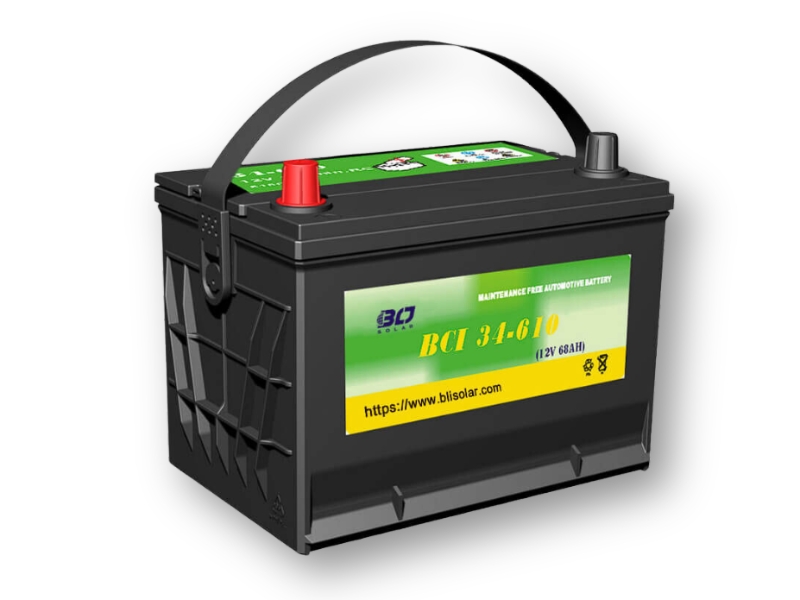
Flooded Lead-Acid Batteries, among the most common types of motorcycle batteries, contain liquid acid and have removable caps for easy maintenance. They are primarily used in older motorcycles and certain ATVs.
Pros Of Flooded Lead-acid Batteries
- Cost-Effective: Flooded lead-acid batteries are generally more affordable compared to newer technologies like lithium-ion batteries. This makes them an attractive option for budget-conscious consumers.
- Availability: These batteries are widely available across India, making it easy for users to find replacements and services.
- Proven Technology: Having been in use since 1859, flooded lead-acid batteries have a long history of reliability and performance in various applications, including motorcycles.
- High Surge Current: They can provide a high surge current, which is beneficial for starting engines, especially in colder climates.
- Recyclability: Lead-acid batteries are highly recyclable, which is an important consideration for environmentally conscious consumers.
Cons Of Flooded Lead-acid Batteries
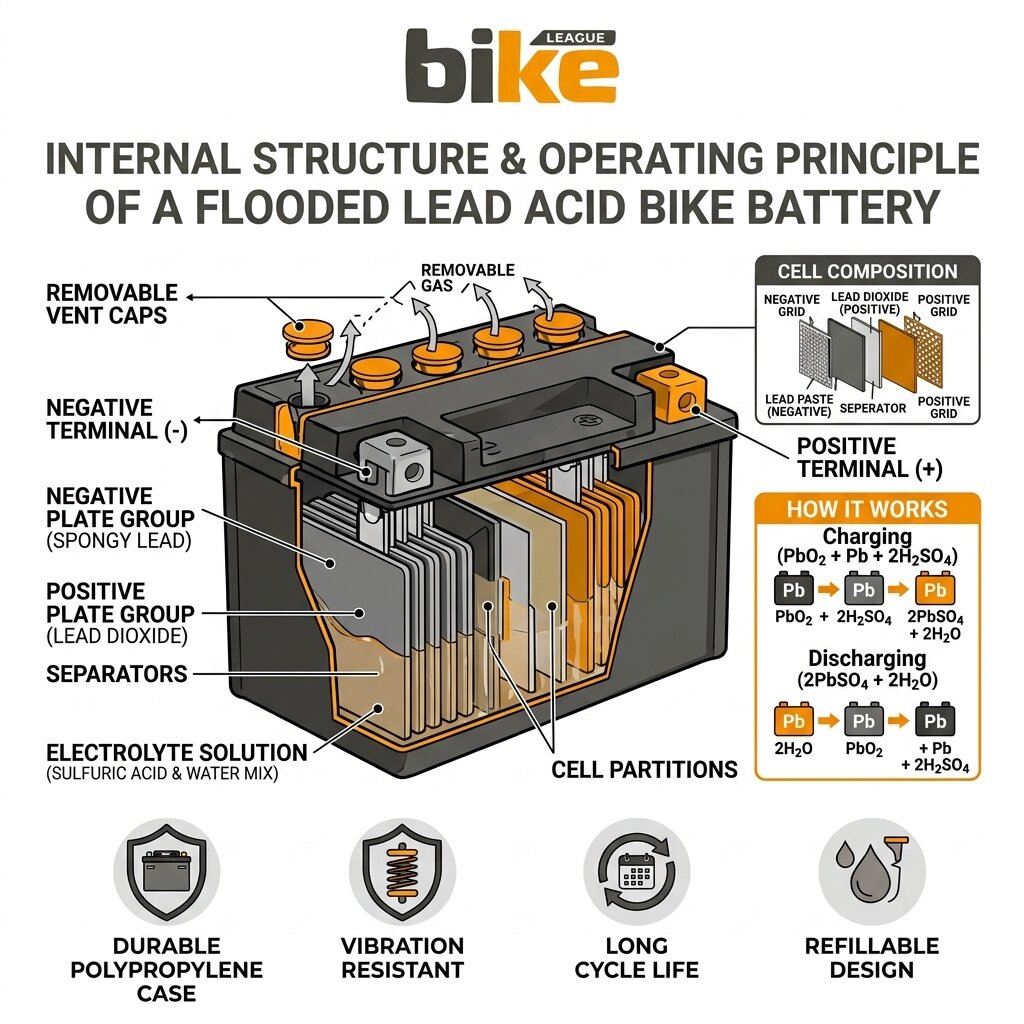
- Maintenance Requirements: Flooded lead-acid batteries require regular maintenance, including checking electrolyte levels and topping up with distilled water. This can be cumbersome for users.
- Weight: These batteries are heavier than their lithium counterparts, which can affect the overall weight and handling of the motorcycle.
- Shorter Lifespan: Compared to lithium batteries, flooded lead-acid batteries typically have a shorter lifespan, which may lead to more frequent replacements.
- Vulnerability to Deep Discharge: They are sensitive to deep discharges, which can significantly reduce their lifespan if not managed properly.
- Environmental Concerns: While they are recyclable, improper disposal can lead to environmental hazards due to the lead content.
1.2 Absorbed Glass Mat (agm) Batteries
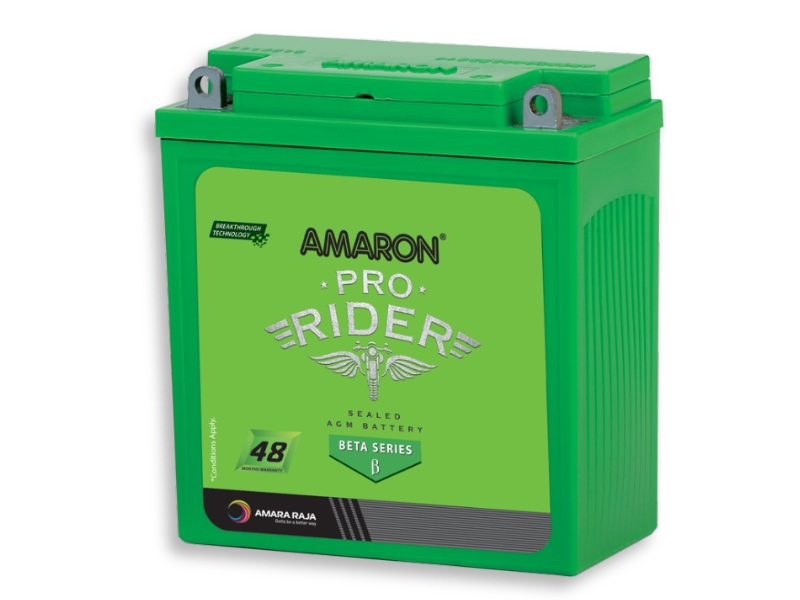
AGM batteries are a type of lead-acid battery for motorcycles that are maintenance-free and spill-proof. They offer reliable performance but are more expensive and heavier than lithium batteries. They also have a shorter lifespan.
Pros Of Agm Batteries
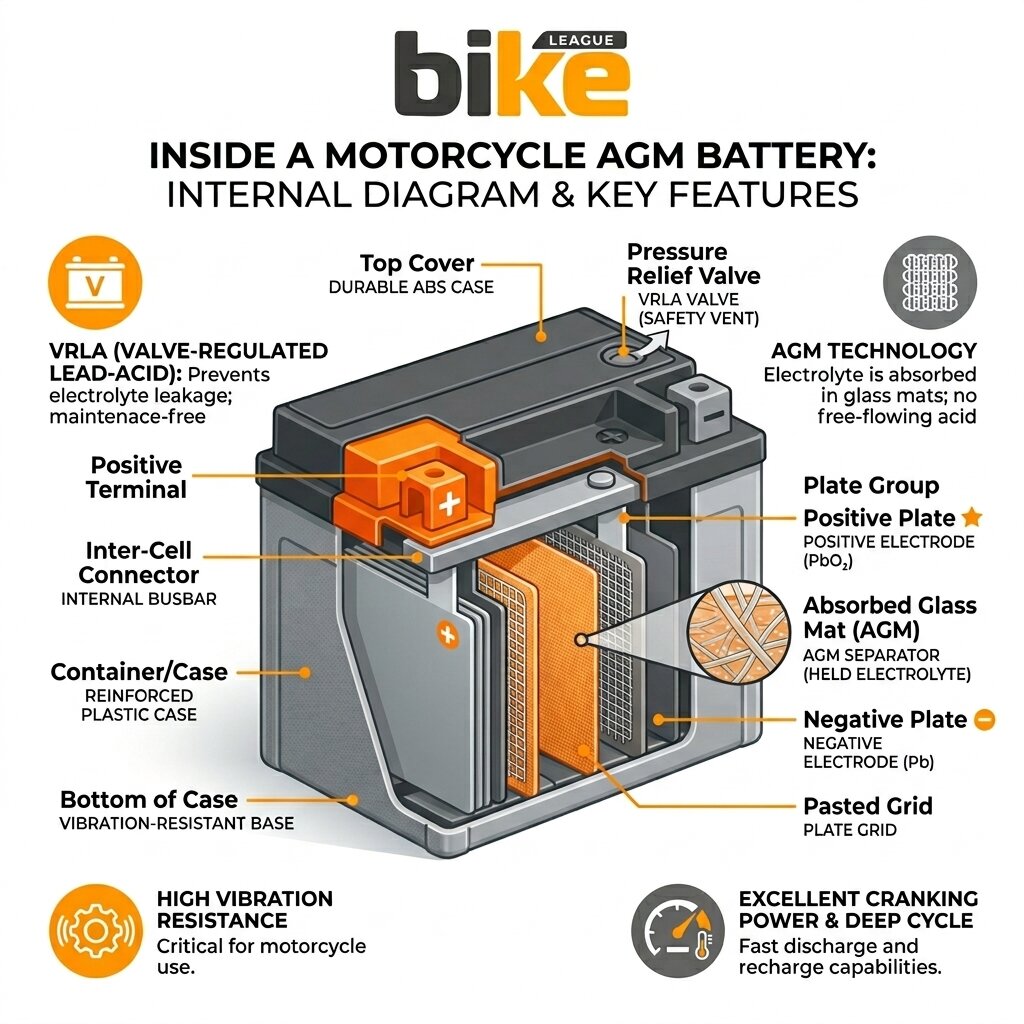
- Durability: AGM batteries are robust and can withstand harsh conditions, making them reliable for long-term use.
- Maintenance-Free: Once factory-activated, AGM batteries require no upkeep, providing convenience to riders.
- Charge Retention: They retain their charge for extended periods, making them ideal for seasonal riders.
- Vibration Resistance: AGM batteries excel in vibration resistance, which is beneficial for motorcycles.
Cons Of Agm Batteries
- Higher Cost : AGM batteries are more expensive than standard lead-acid batteries.
- Overcharging Sensitivity: They are sensitive to overcharging, necessitating a specific charger.
1.3 Gel Batteries
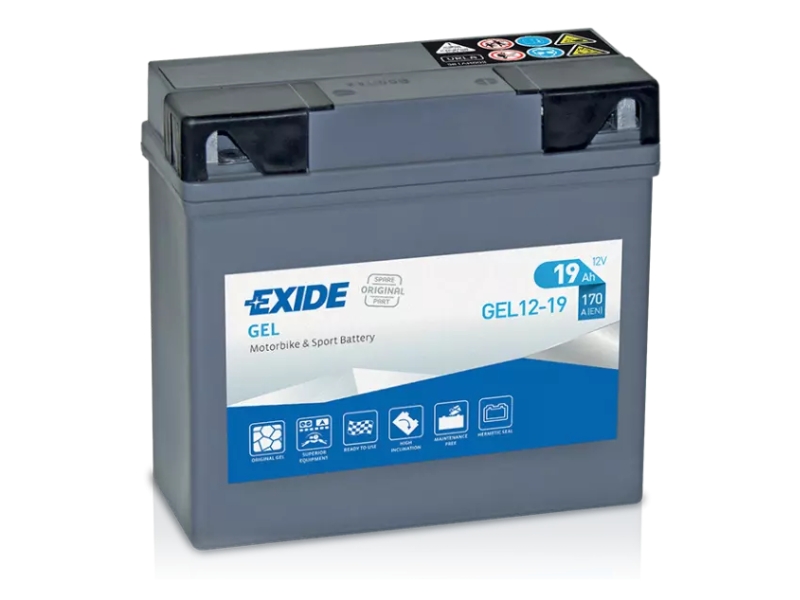
Gel batteries are a type of lead-acid battery that are maintenance-free and spill-proof. They work well for deep-cycle use but cost more and provide less power than AGM or lithium batteries. They are also sensitive to overcharging. While gel batteries are more expensive due to their advanced technology, their durability and performance make them worth the cost in demanding situations.
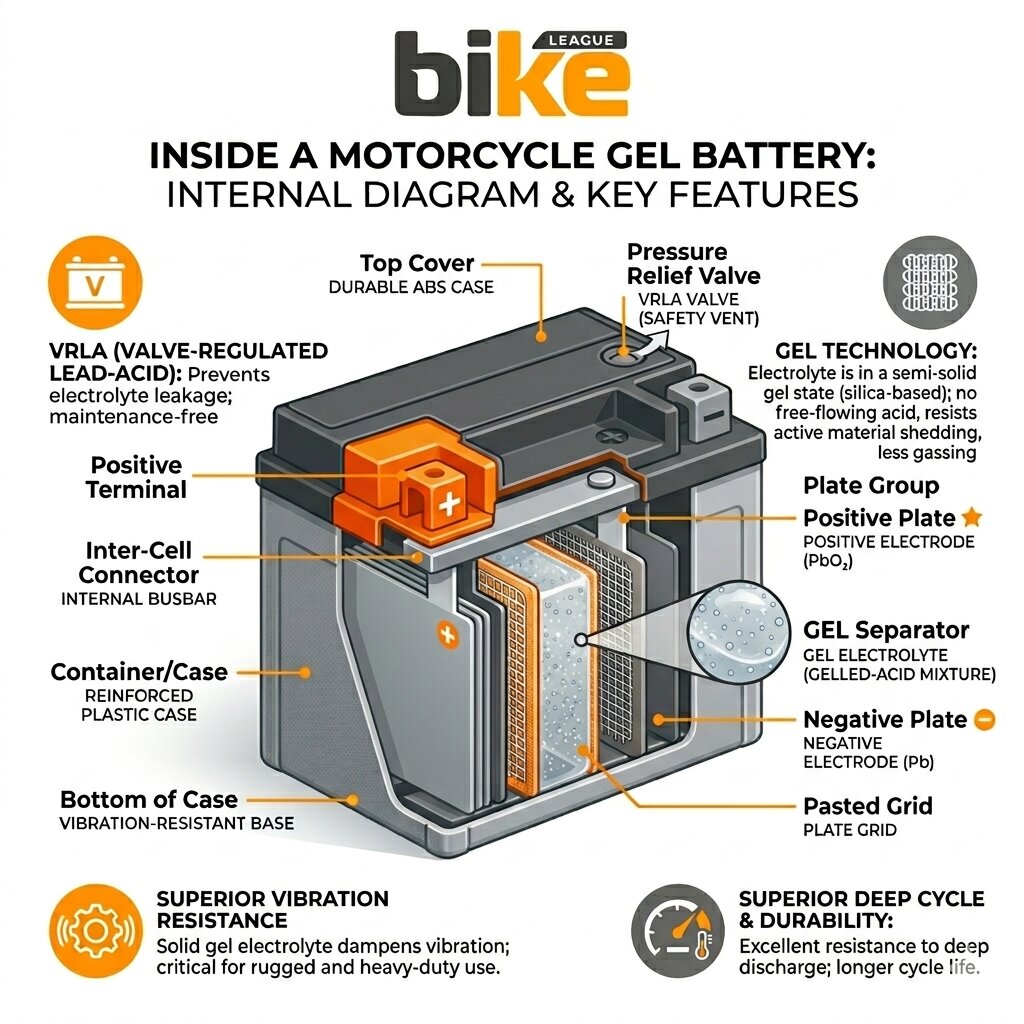
Pros Of Gel Batteries
- Maintenance-Free: These gel batteries do not require regular maintenance, providing convenience to riders.
- Spill-Proof: The gelified electrolyte prevents leaks and spills, enhancing safety.
- Vibration-Resistant: gel batteries can withstand vibration, making them suitable for rough terrain.
Cons Of Gel Batteries
- More Expensive: Gel batteries are generally more expensive than standard lead-acid batteries.
- Voltage Sensitivity: gel batteries are more finicky about the voltage at which they can be charged, which can be a drawback.
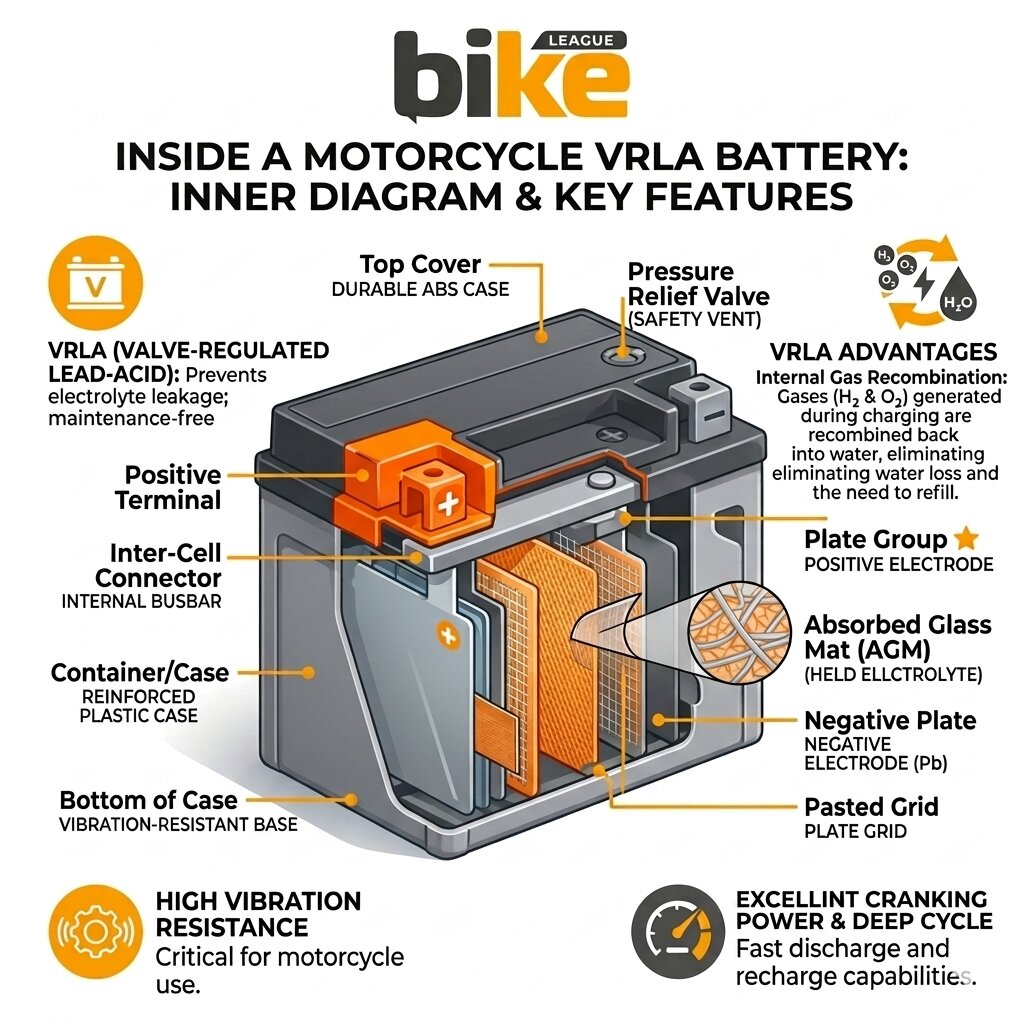
1.4 Valve Regulated Lead Acid (vrla) Batteries
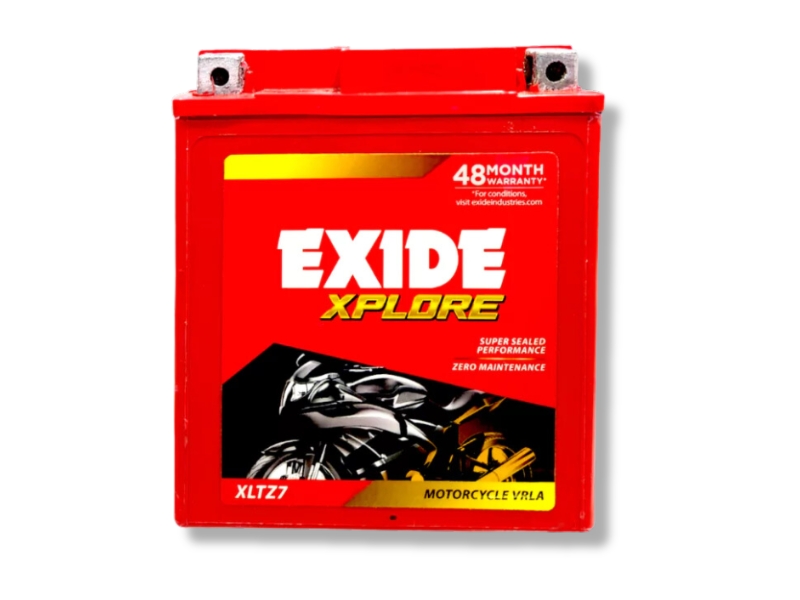
VRLA batteries are another type of motorcycle battery, similar to AGM batteries, because they are maintenance-free and spill-proof. They are more expensive than flooded lead-acid batteries and have a shorter lifespan than lithium batteries.
Pros Of Vrla Batteries
- Maintenance-Free: One of the most significant advantages of VRLA batteries is that they are maintenance-free. They do not require regular electrolyte top-ups, making them convenient for users who prefer a hassle-free experience.
- Sealed Design: VRLA batteries are sealed, which means they are less prone to leakage compared to traditional lead-acid batteries. This feature is particularly beneficial in the Indian climate, where high temperatures affect battery performance.
- Vibration Resistance: These batteries are designed to withstand vibrations, making them suitable for motorcycles that often encounter rough terrains.
- Cost-Effective: Generally, VRLA batteries are more affordable than lithium-ion alternatives, making them a budget-friendly option for many motorcycle owners in India.
- Good Performance: VRLA batteries provide reliable starting power and can handle the demands of modern motorcycles equipped with various electronic systems.
Cons Of Vrla Batteries
- Weight: VRLA batteries tend to be heavier than lithium-ion batteries, which can affect the overall weight distribution of the motorcycle. This might be a concern for performance-oriented riders.
- Limited Lifespan: While VRLA batteries have a decent lifespan, they typically do not last as long as lithium-ion batteries. Users may need to replace them more frequently.
- Temperature Sensitivity: Although they are sealed, VRLA batteries can still be sensitive to extreme temperatures. High heat can reduce performance and shorten lifespan.
- Lower Energy Density: Compared to lithium-ion batteries, VRLA batteries have a lower energy density, meaning they store less energy for the same weight. This can disadvantage riders looking for lightweight solutions with high power output.
- Charging Time: VRLA batteries generally take longer to charge compared to lithium-ion batteries, which can be inconvenient for users who need quick turnaround times.
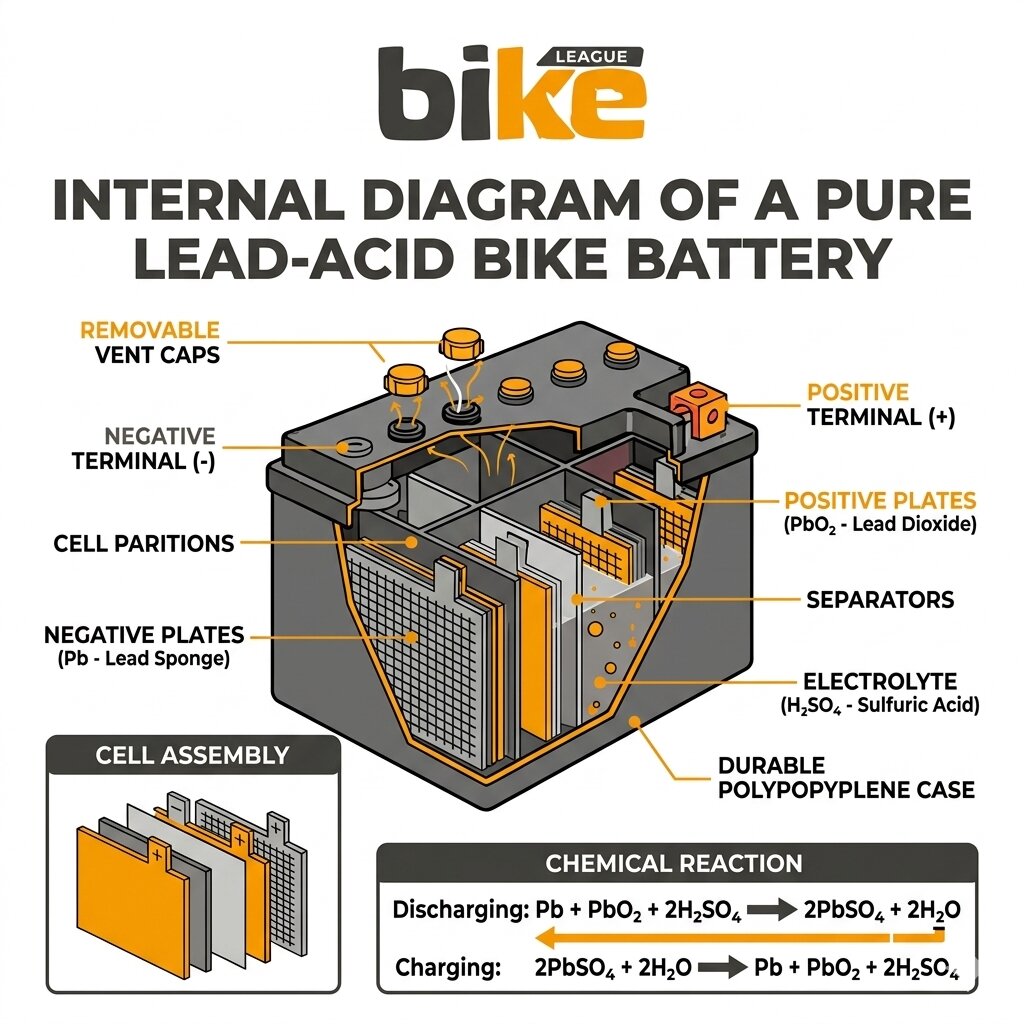
2. Pure Lead Batteries
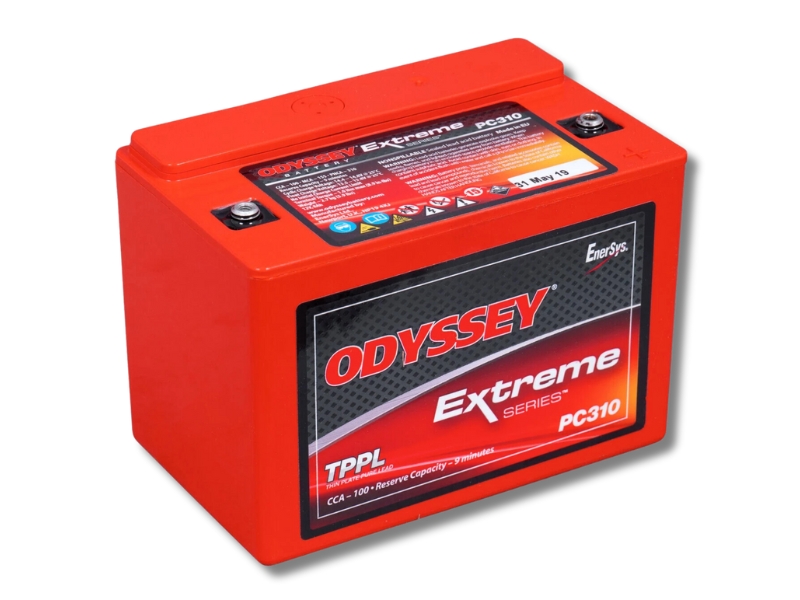
These batteries are a type of lead-acid battery used in motorcycles, using pure lead for both the anode and cathode, with sulfuric acid as the electrolyte.
Pros Of Pure Lead Batteries
- Long Lifespan: Known for their durability and long service life.
- Reliable Performance: Provide trustworthy performance with minimal risk of leaks and spills.
- Recyclability: Like standard lead-acid batteries, they are highly recyclable.
Cons Of Pure Lead Batteries
- Higher Cost: More expensive than standard lead-acid batteries.
- Weight: Heavier than lithium batteries, which can affect motorcycle performance.
- Maintenance: Requires proper handling, installation, and maintenance to ensure safe operation.
3. Lithium Based Batteries
3.1 Lithium-ion Batteries
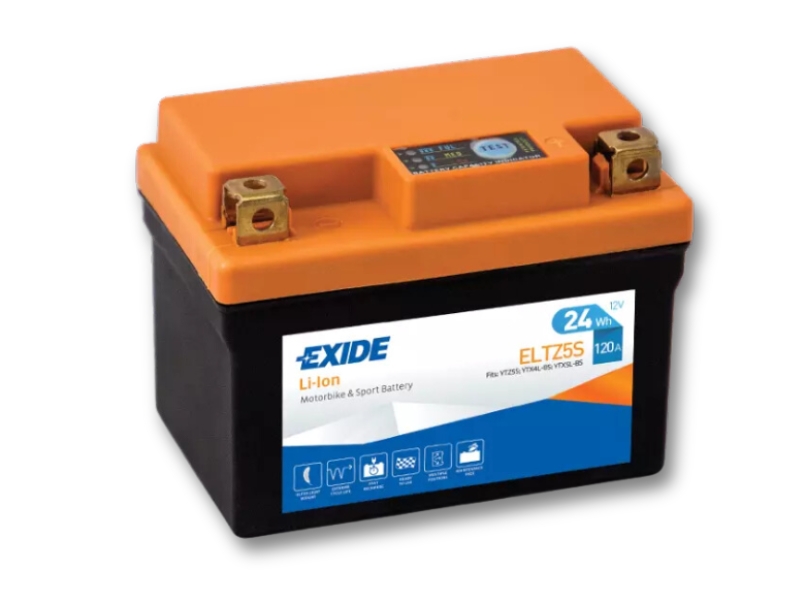
Lithium-ion batteries are one type of battery used on motorcycles. They are lightweight and offer high power output. They also have a long lifespan and low self-discharge rate, making them ideal for high-performance motorcycles. However, they are expensive, have compatibility issues with older bikes, and can have charging problems. They also perform poorly in cold weather and are susceptible to fire and explosion.
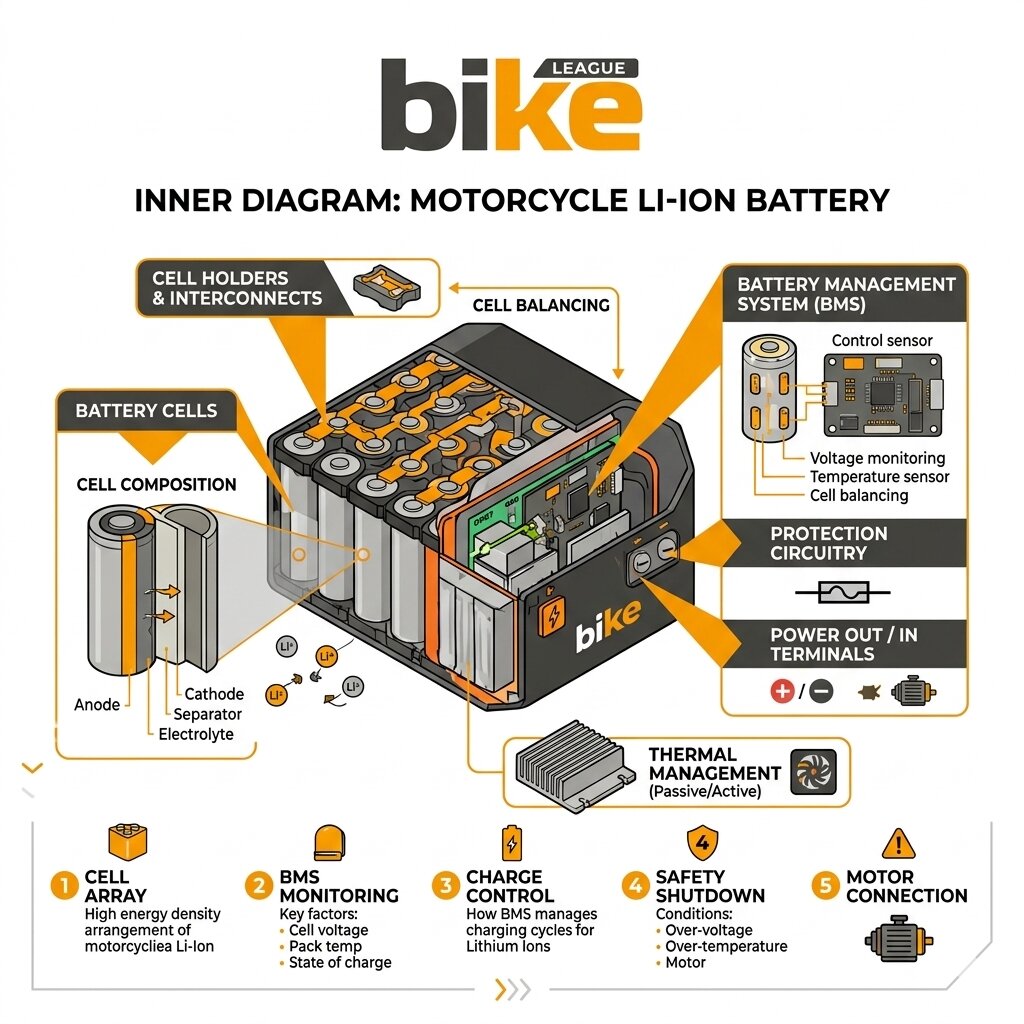
Pros Of Lithium-ion Batteries
- Lightweight: Lithium-ion batteries are significantly lighter than their AGM or lead-acid counterparts, enhancing motorcycle performance and fuel efficiency.
- Longer Lifespan: They have a longer operational life, offering better value over time.
- High Power Output: These batteries offer higher cranking amps, making them excellent for high-performance motorcycles.
- Low Self-Discharge Rate: They hold their charge well when not in use, which is perfect for seasonal riders.
- Eco-Friendly: Lithium-ion batteries are more environmentally friendly, containing fewer toxic materials compared to lead-acid batteries.
Cons Of Lithium-ion Batteries
- Higher Cost : Lithium-ion batteries are pricier than other types of batteries.
- Compatibility Issues: Older motorcycles might not be fully compatible with lithium batteries, causing electrical issues.
- Cold Weather Performance: They might fail to hold a charge in cold weather, making them less reliable for riders in colder climates.
- Charging Problems: Lithium batteries often require a specialised charger for optimal performance and safety.
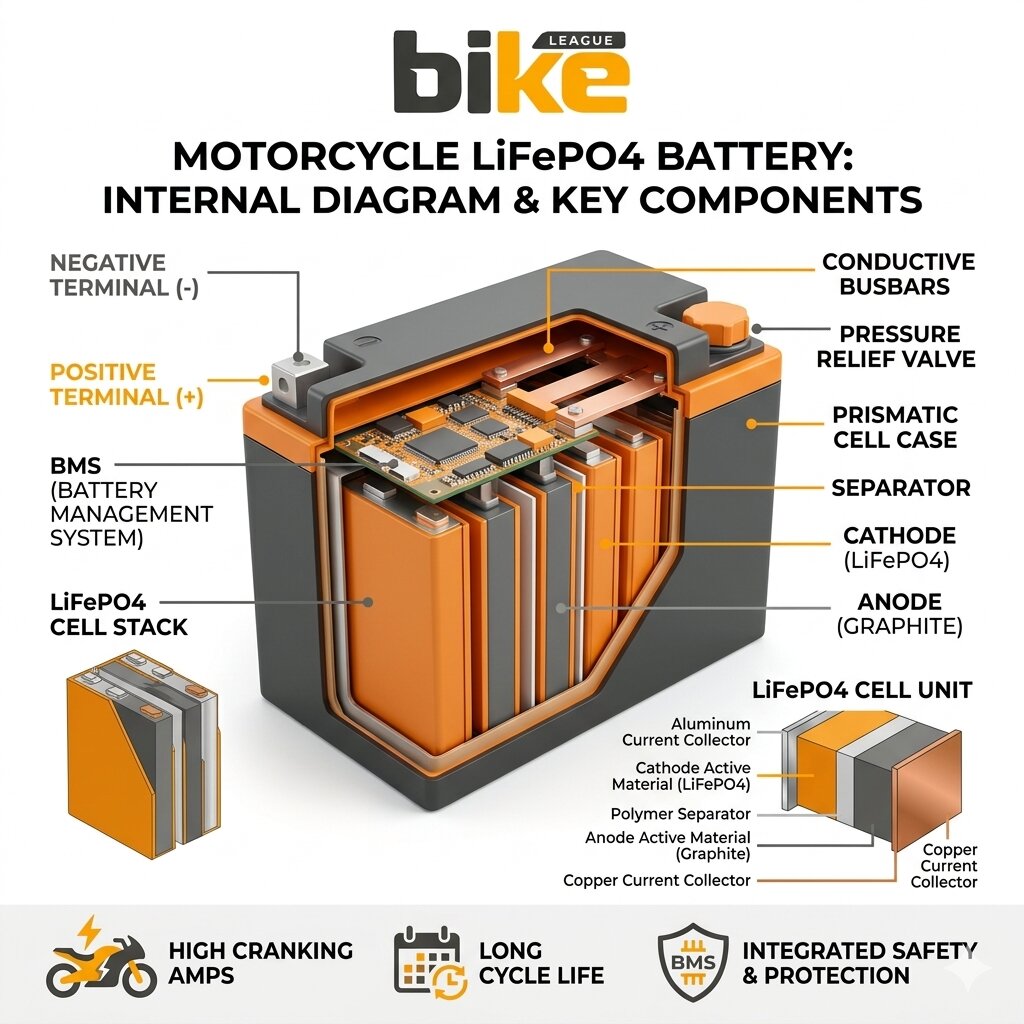
3.2 Lithium Iron Phosphate (lifepo4) Batteries
This type of lithium-ion battery, among motorcycle battery types, is characterised by its lightweight design, high power output, and long lifespan. They are chemically stable and have a low self-discharge rate. However, they are expensive, incompatible with older bikes, and require special charging systems. They also perform poorly in cold weather.
Pros Of Lithium Iron Phosphate Batteries
- Safety: LiFePO4 batteries are known for their thermal and chemical stability, reducing the risk of overheating and fires.
- Performance : They provide reliable performance and have a long lifespan.
- Lightweight: These batteries are up to 70% lighter than AGM batteries, significantly improving motorcycle handling and responsiveness.
- Charge Retention: They maintain their charge effectively over extended periods of inactivity.
Cons Of Lithium Iron Phosphate Batteries
- Higher Initial Cost : Similar to other lithium-based batteries, LiFePO4 batteries come with a higher initial cost.
- Specialised Charger Needed: A specialised charger is necessary for optimal performance and safety.
Comparison Of Different Types Of Motorcycle Battery
Here is a detailed comparison of different types of motorcycle batteries in a tabular form
| Battery Type | Chemistry/Design | Maintenance | Durability/Cycle Life | Weight | Cost Range | Safety | Performance | Typical Lifespan |
|---|---|---|---|---|---|---|---|---|
| Flooded Lead Acid | Liquid electrolyte | High | Low | Heavy | Low | Risk of spillage | Moderate | 3–5 years |
| AGM (Absorbed Glass Mat) | Sealed lead-acid | Low | Moderate | Moderate | Medium | Spill-proof | High vibration resist | 3–5 years |
| Gel | Gel electrolyte | Low | Moderate | Moderate | Medium-High | Spill-proof | Better temp tolerance | 3–5 years |
| VRLA (Valve-Reg. Lead Acid) | Sealed lead-acid | Low | Moderate | Moderate | Medium | Spill-proof | Reliable for most use | 3–5 years |
| Pure Lead | Advanced VRLA/AGM | Very Low | Moderate–High | Moderate | Medium-High | Spill-proof | High power density | 3–5 years |
| Lithium Ion | Lithium ion | Very Low | Very High | Very Light | High | Stable, with care | High CCA, fast charge | 5–10 years |
| Lithium Iron Phosphate (LiFePO4) | LiFePO4 chemistry | Very Low | Very High | Very Light | High | Excellent thermal safety | Stable, long cycle life | 5–10 years |
How Do Lithium-ion Batteries Compare In Terms Of Cost-effectiveness And Performance Against Traditional Lead-acid Batteries In Motorcycles And Scooters?
Lithium-ion batteries significantly outperform traditional lead-acid batteries for motorcycles and scooters in both performance and long-term cost-effectiveness, despite a higher initial purchase price.
Cost-effectiveness
- Upfront Cost: Lithium-ion batteries cost 3–5 times more than lead-acid batteries initially.
- Lifespan: Lithium-ion batteries last 2–5 times longer (2,000–5,000 cycles) compared to lead-acid batteries (300–1,000 cycles), resulting in fewer replacements over the vehicle’s life.
- Maintenance: Lithium-ion batteries are virtually maintenance-free. Lead-acid batteries require periodic water refills and terminal cleaning, which can add hassle and occasional expense over time.
- Total Ownership Cost: Over 5–10 years, the need for fewer replacements and low maintenance means lithium-ion batteries can be more cost-effective, especially for frequent riders or fleet use.
Performance
| Feature | Lithium-Ion | Lead-Acid |
|---|---|---|
| Weight | 1/3 as heavy | Much heavier |
| Reliability | Consistent, high torque | Lower, weaker at low state-of-charge |
| Starting Power | High cranking amps | Less cranking power |
| Charge Speed | Rapid (up to 3x quicker) | Slow (6–8 hours) |
| Self-Discharge | Very low | High |
| Temperature Range | Less tolerant of cold/extremes | Good tolerance |
| Safety | Sensitive; BMS required | Stable, but may leak acid |
Practical Implications
- Urban & Electric Vehicles: For scooters or motorcycles used daily, lithium-ion’s lower weight, longer span, quick charging, and virtually zero maintenance make them ideal, offsetting the up-front cost over time.
- Occasional Use: Lead-acid may be cheaper in the short term for infrequent riders, but it needs more care and will require replacements much sooner.
To sum up, lithium-ion batteries perform better and, over years of regular scooter or motorcycle use, are usually more cost-effective than traditional lead-acid batteries, especially if you ride often.
What Are The Replacement Time & Signs Of A Weak Motorcycle Battery?
1. Slow Engine Crank
If your motorcycle takes longer to start than usual, it could be a sign that the battery is weakening. A slow engine crank indicates the battery is struggling to supply enough power to start the engine.
2. Dim Headlights And Failing Horn
Dimming headlights and a weak horn are common signs of a failing battery. These symptoms occur because the battery cannot supply the motorcycle’s electrical components with sufficient power.
3. Battery Warning Light
A battery warning light on your motorcycle dashboard indicates your battery is in trouble. This light is designed to alert you to potential problems before they become severe.
4. Electrical Issues
Experiencing multiple electronic issues, such as malfunctioning indicators, gauges, or other electrical components, can indicate that your battery is failing. These issues arise because the battery cannot maintain a consistent charge.
5. Swollen Or Misshapen Battery Case
A swollen or misshapen battery case is a sign of internal damage, often caused by overheating or overcharging. This deformation indicates that the battery is no longer safe to use and should be replaced immediately.
6. Corrosion On Battery Terminals
Corrosion on the battery terminals can impede the flow of electricity, leading to starting problems and other electrical issues. To prevent corrosion, regularly inspect and clean the terminals. Still, if the corrosion is severe, it may be time to replace the battery.
7. Battery Age
The age of your battery is a significant factor in its performance. Most motorcycle batteries last between two and five years. Suppose your battery is older than three years. In that case, it is advisable to have it inspected and, if necessary, replaced to avoid unexpected failures.
8. Inconsistent Multimeter Readings
Using a multimeter to check the battery’s voltage can help identify issues. Suppose the readings are inconsistent or below 12 volts. In that case, the battery is not holding a charge properly and may need to be replaced.
9. Frequent Jump Starts
Frequently needing to jumpstart your motorcycle indicates that the battery is no longer capable of charging. If not addressed promptly, this issue can lead to more significant problems.
10. Battery Fluid Leaks And Rotten Smell
Battery fluid leaks and a rotten smell are strong indicators of a failing battery. These symptoms suggest internal damage and chemical reactions that compromise the battery’s integrity, necessitating immediate replacement.
11. Difficulty Starting In Cold Weather
Reduced performance in cold weather is another sign of a weak battery. Freezing temperatures can exacerbate existing issues, making it harder for the battery to deliver sufficient power to start the engine.
12. Battery Self-discharges Quickly
If your battery discharges quickly even when not in use, it has lost its ability to store charge effectively. This issue often means the battery is nearing the end of its life.
How To Extend The Life Of A Motorcycle Battery?
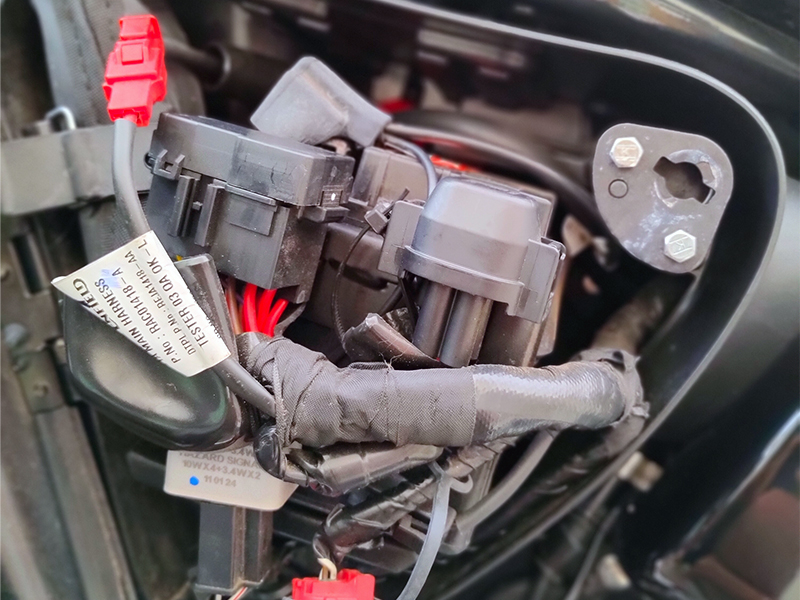
1. Proper Installation
Ensuring that the battery is correctly installed on your motorcycle is fundamental. Improper installation can lead to poor connections and potential damage to the battery and electrical systems.
2. Check All Battery Connections Regularly
Perform periodic checks on battery connections and faulty wires. Additionally, inspect the condition of all wires. If left unchecked, it can damage other electrical components on your bike.
3. Regular Motorcycle Usage Or Charging
Proper battery maintenance is essential for motorcycles. Regular charging and riding help maintain the battery’s capacity, preventing it from discharging completely and potentially shortening its lifespan.
4. Disconnect The Battery When Not Used For A Long Time
Disconnect the battery if you won’t be using your two-wheeler for an extended period. Disconnecting the battery will prevent power loss and hence extend the battery life. Ensure the battery is stored in a dry and warm location.
5. Don’t Overload The Battery, Especially When Idle
The accessories you attach to your two-wheeler, such as high-capacity lights and LEDs, put a significant load on the battery. Overloading can cause the battery to draw power and eventually die. Therefore, it’s essential to ensure that your accessories are within the battery’s limit and don’t overload it. Running additional electrical accessories while your motorcycle is idling can strain the battery.
6. Don’t Harshly Use The Electric Start
Always use the electric start smoothly and gently, rather than pressing it for several seconds when it doesn’t start. Always allow a time gap between electric starts to reduce the battery’s load.
7. Clean The Battery Terminals Regularly
Every battery has two terminals: positive and negative. Over time, calcium, carbon, and rust can build up around them. If you don’t clean the terminals properly, your bike’s electrical components, such as headlights and horns, may not work properly.
8. Check The Battery Fuse Regularly
A simple, inexpensive fuse can help prevent your battery from sustaining severe, permanent damage. So check it regularly.
9. Correct Jumpstarting
Jumpstarting a motorcycle can be convenient, but if not done correctly, it can damage the battery. To avoid potential battery harm, it is essential to follow the correct procedure.
10. Avoid Using Old Batteries
Using old or expired batteries can negatively impact their performance and overall lifespan. Replacing old batteries with new ones is essential to ensure optimal performance.
Faq About How To Maintain A Motorcycle Battery
1. How Often Should I Check My Motorcycle Battery?
It would help to visually inspect your motorcycle battery at least once every three months. Regular inspections help identify potential issues early, such as loose connections or corrosion, which can prevent starting problems and extend the battery’s life.
2. What Should I Do If My Motorcycle Is Not In Use For A Long Period?
Suppose you plan not to use your motorcycle for an extended period. In that case, starting the vehicle every 3-4 days and letting the engine run for 5-10 minutes is essential. This practice helps maintain the battery charge and prevents it from losing power. Additionally, ensure the battery is fully charged before storing it, as a fully charged battery lasts longer and is less likely to freeze in cold weather.
3. How Can I Maintain The Electrolyte Levels In My Battery?
Regularly check the electrolyte levels of conventional motorcycle batteries and top them up with distilled or deionised water if they are below the recommended levels. Avoid using tap water as it contains minerals that can harm the battery.
4. What Are The Best Practices For Cleaning Battery Terminals?
Battery terminals can accumulate dust, grime, and sulphate deposits over time, leading to corrosion and oxidation. Clean the terminals and connectors regularly to prevent these issues. Use baking soda and water to clean the terminals and dry them before reconnecting.
5. How Should I Store My Motorcycle Battery?
If you need to remove the battery from your bike, store it on a non-conductive surface, such as wood. Storing the battery on concrete or metal surfaces can cause it to discharge over time. Also, ensure the storage area is dry and cool to prevent any damage to the battery.
6. What Should I Do If My Battery Is Not Holding A Charge?
If your battery is not holding a charge, check for loose connections, clogged exhaust tubes, or other issues that might be causing the problem. Recharge the battery if the lights dim, the starter sounds weak, or it hasn’t been used in over two weeks. If the battery becomes hot during charging, stop immediately and allow it to cool before continuing.
7. Can I Use Any Battery For My Motorcycle?
Always choose a battery that suits your motorcycle’s equipment type and output requirements. Refer to the owner’s manual to ensure compatibility before charging and installing a new battery. Using the wrong type of battery can lead to performance issues and potential damage.
8. What Are Maintenance-free Batteries, And Should I Consider Them?
Maintenance-free batteries are a newer and more reliable alternative to traditional low-maintenance batteries. They require less frequent maintenance and are designed to last longer, making them a good option for convenience and reliability.
9. What Precautions Should I Take While Charging My Battery?
When connecting the battery to a charger, ensure the positive charger lead connects to the positive battery terminal, and the negative charger lead connects to the negative battery terminal. Unplug the charger or turn it off before disconnecting the leads to prevent sparks.
10. What Are The Benefits Of Using Lithium-ion Motorcycle Batteries?
Lithium-ion batteries are lighter, have higher energy density, and offer faster charging times compared to other types of batteries. They also perform well at high temperatures and have a longer lifespan, making them a popular choice for modern motorcycles.
11. How Do Lead-acid Batteries Compare To Other Types Of Motorcycle Batteries?
Lead-acid batteries are the most affordable and commonly used type of motorcycle battery. They are reliable and function well in a wide range of temperatures. However, they require regular maintenance, such as topping up the electrolyte levels. They also have a shorter lifespan compared to lithium-ion and other advanced batteries.
12. What Are Agm Batteries, And Why Are They Popular?
AGM (Absorbed Glass Mat) batteries are lead-acid batteries that use glass mat separators to improve durability and vibration resistance. They are maintenance-free, spill-proof, and have a longer lifespan than traditional lead-acid batteries, making them a popular choice for motorcycles.
13. What Are Gel Cell Batteries, And What Are Their Advantages?
Gel cell batteries utilise an electrolyte that is converted into a gel, making them spill-proof and maintenance-free. They perform well in extreme temperatures, resist mechanical damage, and are suitable for driving on rough terrains. These features make them a reliable option among motorcycle battery types.
14. What Factors Should Be Considered When Choosing A Motorcycle Battery?
When selecting a motorcycle battery type, consider the power rating, compatibility with your motorcycle, size, maintenance requirements, and warranty. It is essential to choose a battery that meets your motorcycle’s specific needs and offers reliable performance.
Other Useful Links For Motorcycle Battery
- Amaron Two Wheeler Batteries
- Exide Two Wheeler Batteries
- Power Sonic Motorcycle Batteries
- Tata Green Motorcycle Batteries
Other Related Articles From Bikeleague India
- Motorcycle headlight in India – Everything you need to know
- Electric motorcycles & scooters in India: Examining the pros & cons
- Electric scooter fire in India: Causes, Risks & Prevention
- Evolet
- Tunwal
Conclusion
Picking the right motorcycle battery is important for your bike’s performance, safety, and your peace of mind. With so many options, from lead-acid to lithium-ion, knowing the main differences helps you choose what fits your riding style and bike best.
Regular maintenance and using your battery properly can help it last much longer, saving you time and money. If you follow the tips in this guide, your motorcycle’s battery will stay in good shape, and your rides will be smoother.
If you have questions about motorcycle batteries, feel free to email us at bikeleague2017@gmail.com or leave a comment below. We’re here to help. You can also contact Bikeleague India on social media.