
Long story short: This article takes a close look at the motorcycle Registration Certificate (RC) in India. We’ll cover both the traditional motorcycle RC book and the digital versions available through Digilocker and Mparivahan. You’ll see how vehicle documentation is changing and why it’s important for every rider.
In India, the Registration Certificate (RC), commonly known as the Bike RC Book, is a key legal document for motorcycle owners. It shows you own the bike and that it’s roadworthy. Previously, RCs were available only as physical cards. However, with technological advancements, you can now get them in digital form through government apps like DigiLocker and mParivahan. As a result, going digital makes things easier in many ways, although it can also bring a few challenges. Therefore, understanding both formats is essential for all motorcycle owners.
This guide covers both the traditional physical RC book and the digital version. It explains the pros and cons of each, and how they work in daily life, with the police, and when buying or selling a bike. Whether you’re new to riding or have years of experience, or if you need to transfer or replace your RC, you’ll find helpful answers here. By the end, you’ll know which option or mix of options works best for you.
Key Takeaways
- Both physical and digital RCs are legally valid in India; digital RCs from DigiLocker and mParivahan are accepted nationwide.
- Physical RCs remain essential for formal transactions like resale, loan applications, and RTO visits, while digital RCs offer convenience for daily use and traffic checks.
- Digital RCs reduce the risk of loss or damage, are eco-friendly, and can be accessed instantly via smartphone apps.
- Technical issues with digital RCs can occur, so it’s wise to keep a physical copy as a backup, especially when travelling to remote areas.
- Maintaining both formats ensures compliance, minimises hassles, and provides flexibility for all riding scenarios in India.
What Is A Motorcycle Rc Book?
The RC (Registration Certificate) book for a motorcycle is a legal document issued by the Regional Transport Office (RTO) in India. It proves the bike has been registered with the authorities per Section 39 of the Motor Vehicles Act 1988. Under this act, every bike owner must have a registration certificate to legally drive the bike on public roads.
What Information Does The Two-wheeler Rc Book Contain?
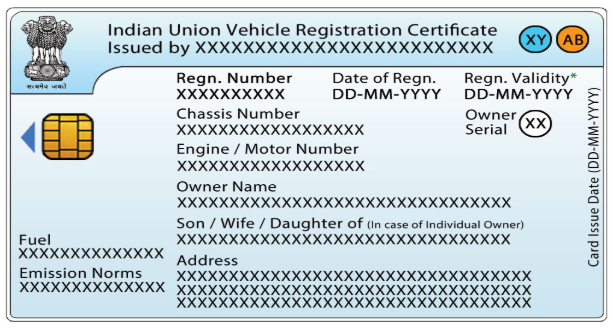
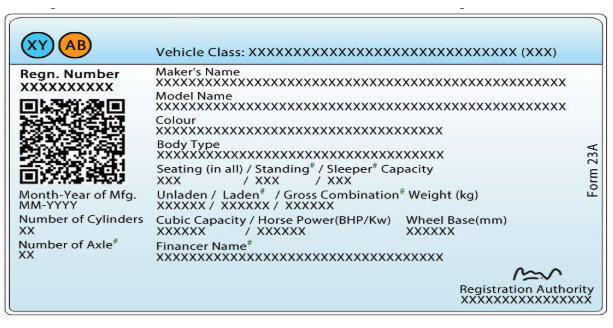
The Bike RC book includes several vital details about the motorcycle, its owner, and the owner’s address:
- Registration Number: Unique identifier for the bike.
- Engine Number: A specific number assigned to the motorcycle’s engine.
- Chassis Number: Unique number etched onto the motorcycle’s frame.
- Registration Date: Date of motorcycle registration.
- Registered Upto: Date of validity of the motorcycle registration.
- Registered: Place of RTO registration of the motorcycle.
- Manufacturer: The name of the company manufacturer.
- Type of Vehicle: Classification of the bike (e.g., scooter, cruiser).
- Name: Name of the motorcycle owner.
- Address: Address of the motorcycle owner.
- Fuel Type: Type of fuel used.
- Model Name: Model name of the motorcycle.
- Engine Capacity: The displacement of the engine in cc.
- Seating Capacity: Number of people the bike can legally carry.
- Vehicle Color: The color of the bike.
- Wheelbase: The distance between the points where the front and rear wheels touch the ground.
What Is The Importance Of The Motorcycle Rc Book?
1. Legal Requirement
The bike RC book is a mandatory document for all motorcycle owners in India. Riding without a valid RC is an offence and can attract hefty penalties. It is the primary document checked by traffic authorities during routine inspections.
2. Proof Of Ownership
The Bike RC book serves as indisputable proof of ownership. It is a crucial document for the sale or purchase of a motorcycle, as it must be transferred to the new owner’s name to ensure a transparent chain of ownership.
3. Insurance & Claims
In the unfortunate event of an accident or theft, the bike RC book is required to process insurance claims. Insurance companies must verify the motorcycle’s ownership and details before proceeding with claims or issuing a new policy.
4. Financing & Resale
The RC book is vital for processing loan applications for those seeking to finance their motorcycle purchase. When selling a motorcycle, the RC book helps establish the vehicle’s legitimacy and history, thereby facilitating a smoother resale.
5. Traffic Compliance
The bike RC book contains information about the motorcycle’s compliance with emission standards and other regulations. Traffic authorities use this information to ensure that the vehicle complies with environmental and safety norms.
What Is A Digital Rc In India?
A Digital RC is an electronic version of the traditional bike RC book. It is accessible through platforms like the government’s DigiLocker or the mParivahan website.
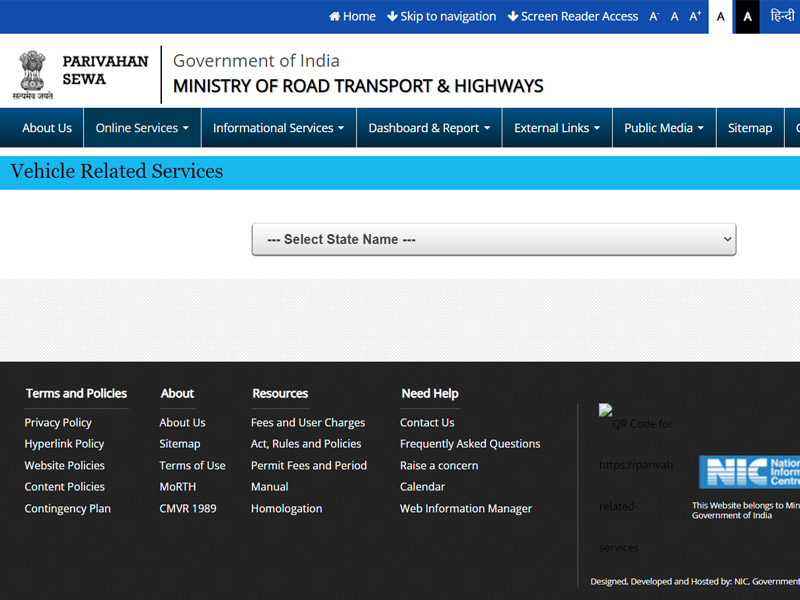
To make government services easier and more convenient, the Indian government started the Digital India campaign. The transport sector joined in by creating the digital RC, or e-RC. This electronic version of the RC book is available through DigiLocker or the mParivahan website. The digital RC helps modernise the management of vehicle documents in India.
What Are The Benefits Of A Digital Rc In India?
1. Convenience
The digital RC eliminates the need for a physical copy of the RC book. Stored securely on your smartphone, it is accessible anytime, anywhere.
2. Safety & Security
Digital documents reduce the risk of loss, theft, or damage. They are stored in secure cloud environments, making them easily retrievable.
3. Eco-friendly
The shift to digital reduces the need for paper, contributing to environmental conservation efforts.
4. Easy Transfer & Updates
Transferring ownership or updating details in the digital RC is more streamlined than the traditional process, often involving less paperwork and shorter processing times.
How To Upload Rc In Digilocker & Mparivahan?
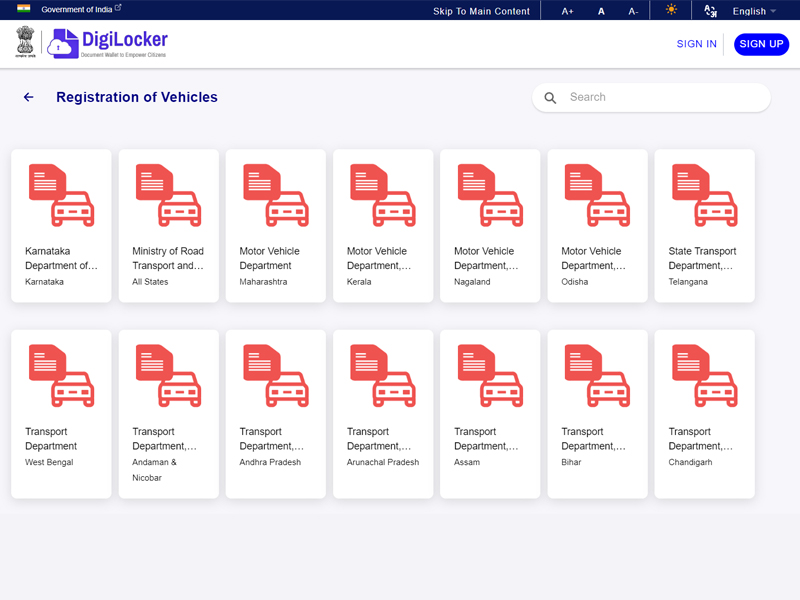
To upload your RC in DigiLocker or mParivahan, follow these steps:
- Download the App: Install DigiLocker or mParivahan from your app store.
- Create an Account: Sign up using your mobile number and authenticate with an OTP.
- Link Aadhaar (Optional): Link your Aadhaar card for additional services.
- Fetch Documents: Search for your bike RC book using your vehicle’s registration number and add it to your digital locker.
How Do You Obtain A Digital Rc In India?
Motorcycle owners must ensure their vehicle is registered and have a valid RC book to access the digital RC. They can then follow these steps:
- Download the App: Install the DigiLocker or mParivahan android app or ios app on your smartphone.
- Create an Account: Sign up using your mobile number and authenticate with an OTP.
- Link Aadhaar (Optional): You can link your Aadhaar card for additional services and ease of document retrieval.
- Fetch Documents: Search for your RC book using your vehicle’s registration number and add it to your digital locker.
How Do You Use A Digital Rc In India?
Once the digital RC is added to your DigiLocker or mParivahan app, you can present it during traffic inspections. The digital RC is legally recognised and accepted by all traffic authorities across India.
What Problems Do Real Users Face With Digilocker Or Mparivahan? (and How To Fix Them)
If you’ve tried using DigiLocker or mParivahan for your bike’s RC, you’ve probably run into some technical hiccups. Here are some of the most common ones—along with practical fixes, learned from real-world experience:
Problem 1: My Rc Isn’t Showing Up Or Syncing
Sometimes, even after entering the correct registration number, the digital RC just doesn’t appear in the app. This usually happens because the RTO database is still being updated or there’s a mismatch in your Aadhaar details.
What you can do:
- Be patient: It can take 15–30 days after your RC is issued for it to sync online.
- Double-check your details on parivahan.seva.gov.in to make sure everything matches.
- Try removing and re-adding the document, reinstalling the app, clearing its cache, or relinking your Aadhaar.
- If the RC still doesn’t show, email support@digitallocker.gov.in with screenshots and proof.
Problem 2: The App Keeps Crashing, Or I’m Not Getting Otps
Slow loading, blank screens, or the app freezing (especially on iPhones) can be incredibly frustrating.
What you can do:
- Update the app and your phone’s OS to the latest version.
- Clear the app’s cache/data (look in your phone’s Settings > Apps).
- Turn off any VPNs you’re using and reboot your device.
- If all else fails, try using the web version as a backup and report the issue through the app store.
Problem 3: My Digital Rc Won’t Load At A Traffic Stop
You pull out your phone, but there’s no internet, the battery’s dead, or the officer’s QR scanner isn’t working.
What you can do:
- Before you ride, enable offline mode in the app or download a PDF copy of your RC.
- Carry a power bank and, if possible, a printout of your digital RC for emergencies.
- If you’re ever refused, take down the officer’s details and pay any fines online—then challenge it through the RTO’s app or website. Legally, digital RCs are valid, but for border checks or remote areas, always keep the physical RC as a backup.
Physical Vs Digital Rc Table Comparison
| Aspect | Physical RC Book/Smart Card | Digital RC (DigiLocker/mParivahan) |
|---|---|---|
| Legal Validity | Fully valid under Motor Vehicles Act. | Equally valid nationwide per IT Act 2000 and MoRTH guidelines. |
| Risk of Loss/Damage | High (theft, wear, fire). | Low (cloud-stored, recoverable). |
| Accessibility | Portable but bulky; always available offline. | Instant via app; needs phone/internet, app glitches possible. |
| Convenience | Tangible for resale, loans, court. | Eco-friendly, easy updates, no paper. |
| Durability | Fades/tears over time. | Immune to physical damage. |
| Verification | Manual check by authorities. | Real-time scan, but battery death an issue. |
| Cost/Updates | Fees for duplicate (~₹200-500). | Free fetch; auto-syncs changes. |
You’ll need your physical RC for selling your bike or applying for a loan, because the original is required. Digital RCs are useful for daily rides and traffic stops. Still, it’s smart to keep a physical copy as a backup, especially if you’re traveling to remote areas or your phone isn’t working. This way, you can avoid problems and be ready for anything.
Preferred Scenarios
Take your physical RC with you when selling your bike, making insurance claims, applying for loans, or visiting the RTO. Buyers and lenders usually want the original, even though digital RCs are valid. For daily rides or city commutes, the digital RC is accepted across India and helps you avoid fines, which can be ₹2,000 to ₹5,000 if you don’t have it.
Most of the time, traffic police in India accept mParivahan and DigiLocker without any issues. Some riders have reported being asked for bribes if they didn’t have a physical copy, so it’s safest to keep both. For motorcycle enthusiasts, digital RCs make long trips on bikes like KTM or Royal Enfield easier and more convenient. Having both versions gives you peace of mind wherever you travel.
Which Is Better For Indian Riders: A Physical Rc, A Digital Rc, Or Both?
If you ride a motorcycle in India, it’s smart to have both a physical (or smart card) RC and a digital RC. Digital RCs from mParivahan or DigiLocker are fully legal and accepted across India. You don’t need your physical RC for daily rides or regular police checks, but you will need it for things like selling your bike or handling paperwork at the RTO.
1. Legal Status
A digital RC from mParivahan fetches your data directly from the VAHAN database, includes a QR code for instant verification by police, and is valid under the Motor Vehicles Act across India. The physical RC card remains the official proof of ownership, while the digital version serves as a convenient backup. Both formats are accepted, but don’t rely on screenshots—they won’t work. There’s no law saying you must carry only the physical RC, so having a digital one is totally fine for most situations.
2. Pros And Cons
| Type | Pros | Cons |
|---|---|---|
| Digital RC | Always accessible offline once saved; no loss risk; quick QR scan by police; tracks tax/insurance. | Phone battery/dead/loss issues (recoverable via OTP); rare non-tech-savvy officer refusal. |
| Physical RC | Required for loans, resale, banking, or areas without phone signal; durable smart card format. | Can be lost/damaged; bulky for touring riders. |
3. Recommendation For Riders
For everyday rides, you can open the mParivahan app and show your digital RC during stops. For longer trips or when riding in remote areas, keep your physical RC safe at home or in a waterproof pouch, especially if you might need it for official reasons. By keeping both, you’re ready for city commutes and adventure rides. This approach gives you both compliance and convenience, no matter where you go.
Myths About Digital Rc
Many riders hesitate to go digital with their RCs due to persistent rumours. Let’s clear up the confusion:
Myth 1: “digital Rc Only Works In Your Home State.”
Reality: Your digital RC is valid nationwide, thanks to the central Vahan system.
Myth 2: “traffic Police Never Accept A Digital Rc.”
Reality: By law, digital RCs must be accepted. If someone refuses, you can confidently challenge it.
Myth 3: “no Internet, No Rc.”
Reality: The app lets you store offline PDFs—just download your RC before a ride.
Myth 4: “digital Rcs Aren’t For Commercial Bikes.”
Reality: Every vehicle type is covered, including commercial ones.
Myth 5: “screenshots Are Enough.”
Reality: Only QR codes in official DigiLocker or mParivahan apps work with police scanners.
Myth 6: “app Updates Wipe My Rc.”
Reality: Your RC stays safe in government cloud storage, even after updates.
Myth 7: “digital Rc Is Useless When Selling A Bike.”
Reality: Buyers can instantly verify your details using the official portal.
Myth 8: “if Your Rc Doesn’t Load, It’s Expired.”
Reality: Most of the time, it’s just an RTO database lag—try again later.
Myth 9: “only New Bikes Get Digital Rc.”
Reality: All registered vehicles will eventually have digital RCs.
Myth 10: “you Always Have To Carry The Physical Book.”
Reality: Digital RCs work for almost every scenario. It’s smart to keep the physical one for rare cases.
Faq Related To Motorcycle Rc Book And Digital Rc In India
1. What Is A Motorcycle Rc Book In India?
A motorcycle RC (Registration Certificate) book is a legal document issued by the RTO that proves ownership and registration of your motorcycle, making it mandatory for riding on Indian roads.
2. Are Digital Rcs From Digilocker And Mparivahan Legally Valid?
Yes, digital RCs accessed via official government apps like DigiLocker and mParivahan are fully valid throughout India, as per the IT Act 2000 and MoRTH guidelines.
3. When Should I Use My Physical Rc Versus A Digital Rc?
Use your physical RC for formal transactions like resale, loan applications, and RTO visits. Digital RCs are ideal for daily commuting and routine police checks.
4. How Do I Add My Rc To Digilocker Or Mparivahan?
Download the app, create an account, and fetch your RC using your vehicle registration number. Linking your Aadhaar card can help with additional services, but it’s optional.
5. What If My Digital Rc Doesn’t Load Or Sync?
This can happen due to delays in the RTO database or mismatches in the details. Try again after some time, check your details on the Parivahan portal, or contact DigiLocker/mParivahan support.
6. Is It Safe To Rely Only On A Digital Rc?
While digital RCs are legal, technical issues or a lack of internet/battery power can be problems. Always keep a physical copy as backup, especially for long trips or remote areas.
7. Can I Use A Screenshot Of My Rc As Proof?
No, only the QR code in the official DigiLocker or mParivahan app is accepted by traffic authorities. Screenshots are not considered valid.
8. Is A Digital Rc Available For All Motorcycles, Including Old And Commercial Bikes?
Yes, digital RCs are gradually being rolled out for all registered vehicles, including older and commercial bikes.
9. What Details Are Included In The Rc Book?
It contains the owner’s name, address, registration number, engine and chassis numbers, validity dates, manufacturer, vehicle type, fuel type, and other technical details.
10. What Should I Do If A Traffic Officer Refuses To Accept My Digital Rc?
By law, digital RCs must be accepted. If refused, note the officer’s details, pay any fines online, and challenge the penalty through the RTO or relevant official channels.
Important Official Links For Bike Rc Book-related Services In India
- Mparivahan official website
- Digilocker Official website
- Mparivahan Android App
- Mparivahan IOS App
- Digilocker Android App
- Digilocker IOS App
Other Related Articles For Two Wheeler Rc
- Must have bike documents for travel in India
- Bike ownership transfer in India – step by step guide
- KTM RC 390
- KTM RC 200
- KTM
Conclusion
In short, both physical and digital RCs are important for motorcycle owners in India. You’ll need the traditional RC book or smart card for things like selling your bike, getting a loan, or handling legal paperwork. The digital RC, available through DigiLocker and mParivahan, is convenient, secure, and easy to use for daily needs.
Having both types of RC means you’re prepared, whether you’re riding in the city or travelling to remote areas. As digital RCs become more common and accepted, you can use them for most situations, but it’s still wise to keep the physical copy as a backup. Keeping both up to date helps you follow the law, avoid issues during checks, and have a smoother experience as a bike owner.
If you have questions about the two-wheeler RC book, email us at bikeleague2017@gmail.com. We’re happy to help. You can also contact us on Bikeleague India’s social media pages.