
Revolt RV 400
Last Updated: July 14, 2026
Introduction
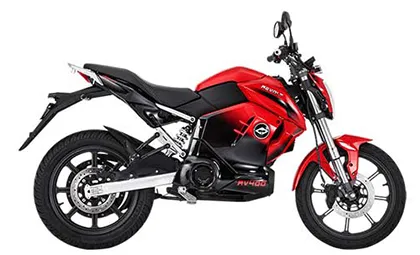
The Revolt RV400 is now a common sight on Indian roads, especially among city riders looking for a practical and modern electric motorcycle. It stands out as a premium commuter with a good range, easy charging, and smooth city performance. As one of India’s first well-known electric motorcycles, the RV400 has helped shape how people see electric commuting. Urban riders like its style, eco-friendliness, and lower running costs compared to petrol bikes. For those used to regular motorcycles, the RV400 feels familiar but adds the benefits of quiet, clean performance and the convenience of charging at home. Its smart design and city-friendly features make it a great choice for anyone wanting to switch from petrol without giving up comfort or practicality.
Gallery

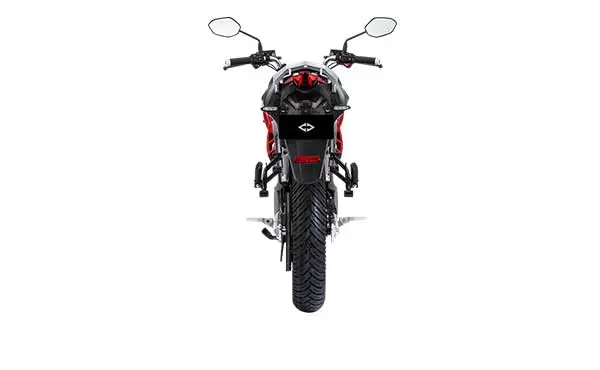

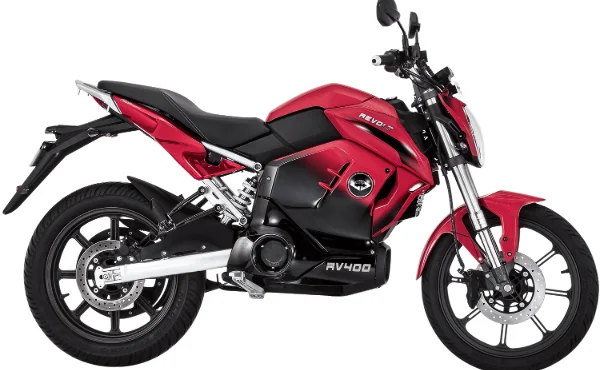
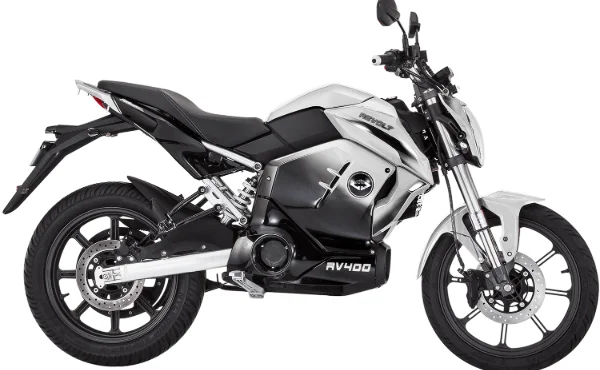
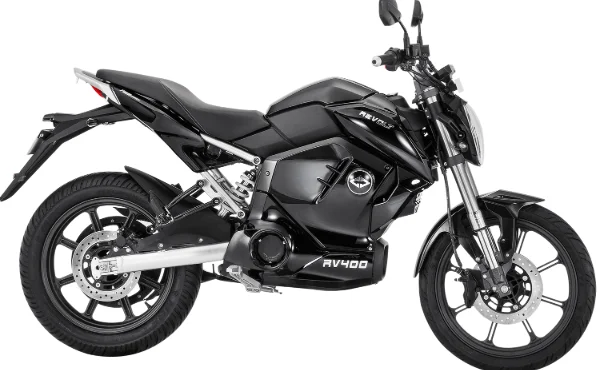
Key Specifications
Battery Type
Lithium Ion
Range
80-130 km/charge
Motor Type
4.1 kW (Mid Drive)
Torque
37.4/149.6 N.m
Max Speed
85 km/h
Charging Time
3.5 – 4.5 hours
Rear Suspension
Monoshock
Kerb Weight
115 Kg
Ratings
- 70%
Performance
- 100%
Features
- 90%
Handling
- 100%
Comfort
- 95%
Build Quality
- 100%
Styling
- 95%
Value for Money
- 93%
Total
Ratings calculation is purely based upon pros and cons of the model given below in the overview section.
Price

Special Features
1
Removable Battery
2
Charging Flexibility
3
Digital Instrument Cluster
4
Connected Features
5
Riding Modes
6
Top Speed Capability
7
Keyless Convenience
8
Reverse Assist
9
Smart Riding
10
Practical Commuter Identity
11
Daily-use Practicality
12
India-focused Ev Appeal
Full Specifications
| City | 110-130km/charge |
| Highway | 80-100km/charge |
| Battery Type | Lithium-Ion |
| Battery Capacity | 72V, 3.24kwh |
| Motor | 4.1KW Mid Drive Electric Motor |
| Torque | 170N.m |
| Voltage/Wattage | 72V, 4.1KW |
| Transmission | Automatic |
| Battery Charging Time | 0-80% in 3.5 Hrs & 0-100% in 4.5 Hrs |
| Fuel Type | Electric Charging |
| Speedometer | Digital |
| Odometer | Digital |
| Artificial Intelligence | Yes |
| Riding Modes | 3, Eco, City, Sport |
| Navigation | Yes |
| Low Battery Indicator | Yes |
| Start Type | Electric Start |
| ABS | No |
| Front Suspension | Upside Down (USD) Forks |
| Rear Suspension | Adjustable Monoshock |
| Wheelbase | 1350mm |
| Ground Clearance | 215mm |
| Seat height | 814mm |
| Kerb Weight | 108Kg |
| Tyre Type | |
| Tyres (F) | 90/80-17 |
| Tyres (R) | 120/80-17 |
| Brakes (F) | DISC 240mm |
| Brakes (R) | DISC 240mm |
| BRAKING SYSTEM | Combined Braking System (CBS) |
| Head Lamp | LED |
| Tail Lamp | LED |
| Turn Signal Lamp | LED |
| Low Battery Indicator | Yes |
Revolt Videos
[slide-anything id=”41105″]
Overview
Performance And Motor
The RV400 has a 3 kW mid-drive electric motor that produces about 5.5 bhp. This motor delivers strong power at low speeds, making it ideal for city riding instead of high-speed trips. With around 170 Nm of torque, the RV400 accelerates quickly from a stop and feels more responsive in traffic than most petrol commuter bikes.
This motor setup makes the RV400 easy to ride and quick enough for daily overtaking and stop-and-go traffic. The bike is built for smooth, practical performance instead of high top speeds, which fits its commuter role. The RV400 uses an automatic transmission, which is common for electric motorcycles and very useful in Indian cities. Without a clutch or manual gears, riders just need to focus on the throttle and keeping up with traffic.
This setup makes the RV400 much easier to handle in heavy traffic, where frequent stops and starts can be tiring on regular bikes. The electric drivetrain keeps the ride smooth and simple. The bike uses a belt-drive system, and the transmission needs little maintenance, which is great for daily commuting. This simplicity is a big reason why the RV400 is popular among Indian EV motorcycles.
The RV400 can reach up to 85 km/h, which is enough for city roads, ring roads, and short trips to the suburbs. It’s not designed for high-speed highway rides. The top speed depends on the riding mode: Eco and Normal modes are slower, while Sport mode lets you reach the full 85 km/h.
This flexibility makes the RV400 a good choice for city use in India. For most daily riders, 85 km/h is practical and aligns with the bike’s purpose as a commuter EV rather than a long-distance performance bike.
Charging Time
Charging time is a big advantage for the RV400 in India. A full charge takes about 4.5 hours, and charging from 0 to 75% takes around 3 hours with a regular home charger.
With a fast charger, the battery can go from 0 to 100% in about 90 minutes. A regular AC charger takes about 3 hours and 30 minutes to reach 80%. This gives RV400 owners the option of quick top-ups or charging overnight at home.
The removable battery is a big benefit because you can charge it away from the bike. This is especially helpful for Indian buyers living in apartments or homes without a dedicated parking charger.
Range
The RV400 has a certified range of 150 km in Indian conditions. This claimed range is one of its main selling points, as it gives enough distance for several days of regular city use for many households. This broad range helps the RV400 stay competitive.
Like most electric two-wheelers, the claimed range is based on test conditions, so real-world results can vary. In daily Indian use, the actual range depends on speed, traffic, load, and riding mode. Usually, the RV400 gets about 100 km in normal use. Sport mode or higher speeds reduce the range, while Eco mode gives the longest distance.
City riders should expect a practical range that is less than the claimed number, especially in mixed traffic with lots of stops and starts. This makes the RV400 great for daily commuting, not long trips. For Indian users, it works well for short rides, office commutes, and city errands, as long as you can charge it regularly and want reliable daily mobility.
Features And Technology
The Revolt RV400 brings together everyday practicality and modern electric motorcycle technology for the Indian market. It’s made for riders who want a commuter-friendly EV with enough performance, connectivity, and convenience to feel more premium than a basic electric bike. The RV400’s features focus on useful hardware, smart software, and easy daily use for Indian riders.
- Removable battery setup:The RV400 comes with a 3.24 kWh removable battery pack, which is one of its most practical features for Indian buyers. This design makes charging easier at home, in apartments, or in places without a fixed charging point, and it also reduces dependence on public charging stations. For many Indian users, this is a big advantage because the battery can be detached and charged more easily than a fixed pack.
- Charging flexibility:The RV400 supports easy home charging, which suits Indian city riders who prefer charging overnight. The removable battery makes this process easier because the pack can be taken indoors or charged separately from the motorcycle. This is especially helpful for users who live in apartments or have limited parking.
- Digital instrument cluster:The RV400 has a digital display that shows key ride and battery information in a clear, easy-to-read layout. The interface is designed to feel like a modern EV cockpit, not just a basic commuter console. This helps riders quickly check battery status, speed, ride mode, and other details without distraction.
- Connected features:The RV400 offers app-based convenience, smart alerts, and rider-focused information. Features like mobile connectivity and remote functions make the bike feel more advanced and premium. These connected features are now a big part of what Indian EV buyers expect from a modern electric motorcycle.
- Riding modes:The RV400 offers multiple riding modes, allowing riders to balance range and performance as needed. Modes like Eco, Normal, and Sport show that the bike is built to handle both heavy city traffic and faster acceleration when needed. This gives the motorcycle more flexibility than a single-mode EV.
- Strong acceleration focus:The RV400 is tuned for instant torque and quick pickup, which is a big advantage for an electric motorcycle. It delivers power smoothly at low speeds and feels responsive in city traffic. This makes the RV400 lively to ride and well suited for stop-and-go commuting.
- Top-speed capability:The RV400 can reach a top speed of 85 km/h, which is enough for city roads, ring roads, and short suburban trips in India. This top speed gives riders more confidence and a bit more versatility in daily use. It’s not meant for highway touring, but it works well for urban commuting.
- Keyless convenience:The RV400 offers a remote key fob and keyless convenience, adding a premium touch to the bike. This makes it easier to use in daily traffic and parking since you don’t need to handle a traditional key. In Indian cities, this kind of convenience quickly becomes very useful.
- Reverse assist:The RV400 includes reverse support, which is helpful when parking or moving the bike in tight spaces. This feature makes the motorcycle easier to handle in crowded parking lots, narrow lanes, and sloped areas. For Indian users, it adds real practicality to everyday use.
- Smart riding experience:The RV400 is designed to feel like a modern connected machine, not just a motorcycle converted to electric power. App-linked controls, riding modes, digital displays, and smart alerts make the bike easier to use every day. For Indian buyers, this smart EV package adds value beyond just battery size and range.
- Practical commuter identity:Revolt designed the RV400 for riders who want a commuter EV with useful tech and easy ownership. The bike’s layout and connected features give it a strong identity in the Indian EV market, especially for city-focused buyers. It feels more like a practical, tech-forward motorcycle than a basic budget EV.
- Daily-use practicality:Even though the RV400 focuses on efficiency and city riding, it still puts practicality first. The removable battery, connected features, and easy automatic riding all show that this motorcycle is made for real-world Indian use. This mix makes it suitable for office commutes, local errands, and daily urban travel.
- India-focused EV appeal:The RV400’s features are built around what Indian riders care about most: easy charging, low-effort riding, smart tech, and practical performance. It doesn’t rely only on headline specs. Instead, it combines convenience and technology in a way that fits Indian urban ownership habits.
Build Quality
The Revolt RV400 still feels like a well-developed electric motorcycle, not just a converted petrol bike. Buyers expect an EV to be strong enough for daily commuting, and the RV400 comes across as a mature product with a solid road presence. It’s often described as a practical and well-packaged electric commuter.
One of the best things about the RV400’s build is its overall structure and body integration. The bike uses large body panels that neatly cover the battery and key parts, giving it a more complete, motorcycle-like look. The panels fit well, and the design doesn’t feel flimsy or experimental.
The RV400 also has a muscular stance and a compact but solid-looking frame. This gives it a strong look that helps it feel more premium than many basic electric scooters or small commuter EVs. Even though some plastics and finishes could be better in places, the bike still feels like it was designed for real-world use, not just for showrooms.
Another good point is that the bike’s hardware choices support its image of durability. The chassis, suspension, and brakes are clearly chosen for everyday Indian conditions, where roads are often uneven and traffic is heavy. This makes the RV400 feel more dependable as a daily-use bike, especially for riders who want reliability over flashiness.
That said, the build quality should be seen in the context of its segment. The RV400 feels strong for its class and price, but it’s not a luxury product, so it doesn’t have the premium materials you’d find on a much more expensive motorcycle. In short, it’s built well enough for Indian cities, with a good balance of practicality and durability.
Handling
The RV400 is one of those bikes that feels easier to understand the more you ride it. Once you get used to its power delivery and balance, it becomes a very manageable motorcycle in city traffic. That is important because handling in India is not just about cornering; it is about how well a bike deals with congestion, U-turns, speed breakers, narrow gaps, and constant slow-speed maneuvering.
The bike’s chassis gives it a stable and planted feel on the road. It does not feel nervous or overly twitchy, which helps riders stay relaxed even when moving through traffic or leaning into moderate turns. Cornering confidence is quite good once you settle into the bike’s rhythm, making it a reassuring option for daily urban use.
Suspension plays a big role in the RV400’s handling character. The front forks and rear monoshock help the motorcycle maintain composure over broken roads and everyday bumps. This is especially useful in Indian cities, where a bike needs to stay balanced without becoming too stiff or too soft, and the RV400 strikes a workable middle ground.
Braking also contributes to the handling experience. The RV400’s disc brakes with CBS deliver predictable stopping behavior, and the bike remains stable even under firmer braking. That confidence matters in stop-and-go traffic, where sudden stops are common and a stable chassis can make a big difference to the ride feel.
The electric motor’s instant torque also positively affects handling when used smoothly. The bike responds quickly when you need to move off the line, which helps in urban overtakes and traffic gaps. At the same time, riders need a short adaptation period to get comfortable with how quickly the bike reacts, especially at low speeds.
Comfort
Comfort is one of the main reasons the RV400 has remained relevant for Indian commuters. The bike is designed to be ridden every day, and its comfort package clearly reflects that. The plush seat, upright posture, and relaxed rider triangle are key strengths, especially for city riding and shorter daily commutes.
The riding position is natural and easy to live with. You sit upright; the handlebar placement feels practical, and the footpeg position supports a relaxed posture rather than forcing the rider into a sporty crouch. This is a big advantage in Indian traffic because it reduces fatigue during long periods of stop-and-go riding.
The seat comfort is another strong point. The seat is comfortable enough for regular use, and that matters because many Indian riders spend a lot of time on short but frequent trips. A comfortable seat and relaxed posture can make a bike feel much more usable than raw specs alone suggest.
Suspension tuning also contributes to comfort. The RV400’s setup is not overly stiff, so it handles speed breakers, patched roads, and general urban irregularities reasonably well. It is not a plush, cruiser-style ride, but it is comfortable enough to keep commuting from becoming tiring.
For pillion use, the comfort is acceptable for everyday city travel, though hard acceleration can make the instant torque feel a little sudden to passengers. That is a common trait of electric motorcycles, and the RV400 is no exception. Still, for solo riders or relaxed urban two-up riding, it remains a comfortable and practical machine.
What makes the RV400’s comfort package work is that it suits real Indian usage. It is easy to mount, ride, and manage in dense traffic, which is exactly what most city buyers need. The comfort may not feel luxurious, but it is well judged for the type of riding the motorcycle is built for.
Styling
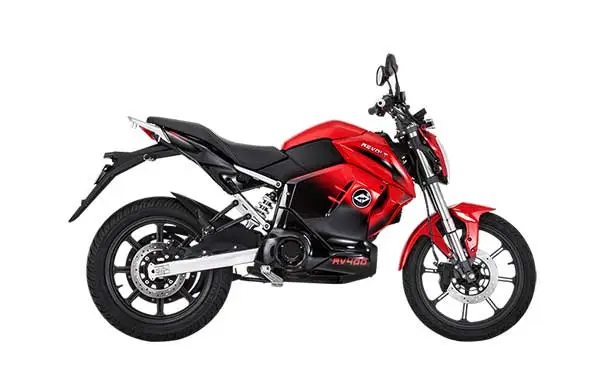
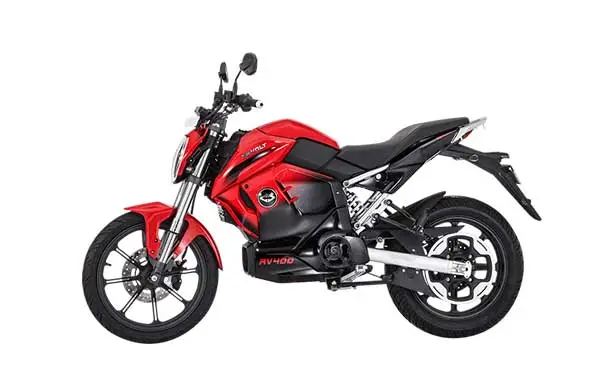
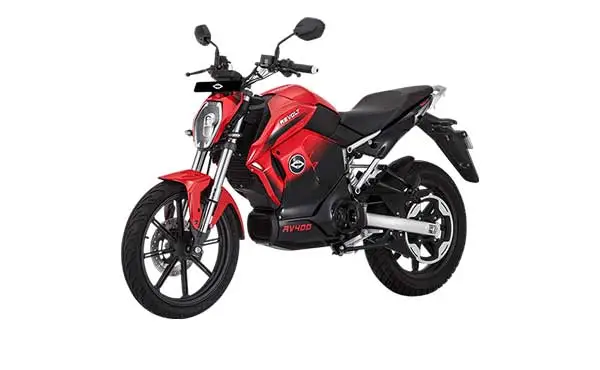
The Revolt RV400 keeps a recognizably naked street-bike look, which is one of the main reasons it still stands out in India’s electric motorcycle space. It does not try to mimic a scooter or hide its EV identity completely; instead, it wears a proper motorcycle stance with a muscular fuel-tank-style body section, compact proportions, and a road-focused silhouette that feels familiar to Indian riders.
A big part of the RV400’s visual appeal is its large body panels and clean surfacing. These panels give the motorcycle a fuller, more substantial appearance than many lightweight commuter EVs, and they help the bike look more expensive and more complete when viewed from the side. The proportions also make the RV400 feel planted, which matters in India because buyers often judge styling partly by how confident a bike looks in traffic.
The front end plays a major role in the RV400’s identity. Its LED headlamp design gives it a modern face, and the overall layout is simple enough that it looks tidy rather than overstyled. The bike’s upright handlebar and single-piece seat also reinforce the commuter-first purpose, while still leaving enough sporty character to keep it from feeling plain.
Revolt has also managed to make the RV400 look distinct without making it visually busy. The bike uses a balanced mix of sharp lines and rounded mass, so it does not look too aggressive or too soft. That middle ground is useful in India because it allows the RV400 to appeal to both younger riders who want something stylish and practical buyers who prefer a more mature look.
Another strength of the styling is its support for everyday usability. The compact body, neat packaging, and uncluttered appearance make the RV400 look easy to own and easy to manage in crowded city conditions. In Indian markets, that matters because a bike has to look good not only in photos but also when parked outside offices, apartment complexes, and narrow residential lanes.
At the same time, the RV400’s design is not meant to be radically futuristic. Its appeal comes from being recognizable, functional, and a little sporty rather than experimental. That approach gives it broader Indian appeal because it feels like a motorcycle first and an electric vehicle second, which is a smart styling strategy for a commuter-oriented EV.
Colour Options And Variants
The Revolt RV400 is offered in multiple colour options in India, and the lineup has grown over time. Available shades include:
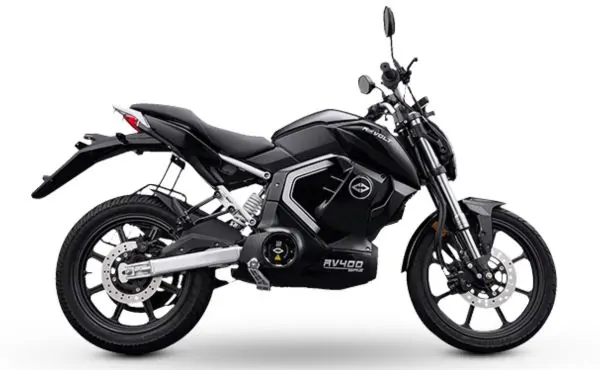
- Cosmic Black
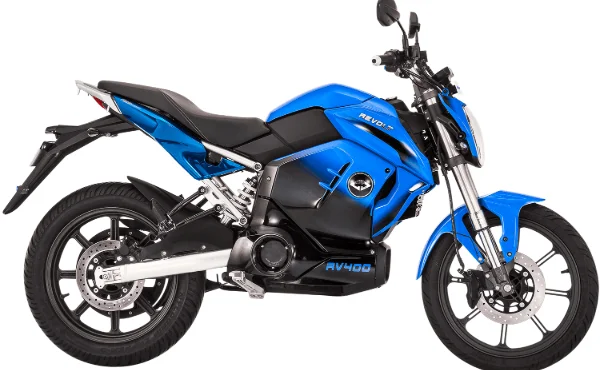
- India Blue
- Mist Grey
- Eclipse Red
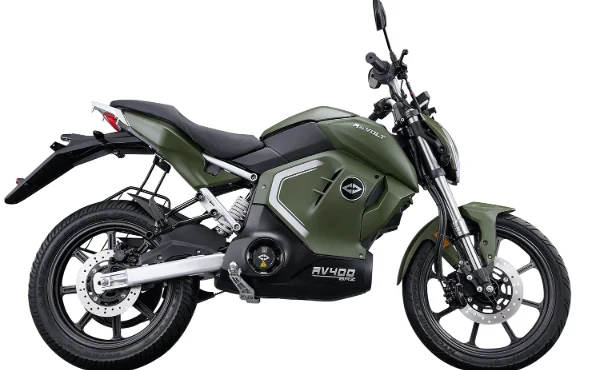
- Dark Lunar Green
There are also additional BRZ shades and special editions available.
Cosmic Black is the most understated choice, giving the RV400 a clean, stealthy look. It works well for Indian riders who want a motorcycle that looks mature and less flashy while still carrying the RV400’s sporty shape.
India Blue and Eclipse Red are the more expressive colours, helping the RV400 stand out more clearly on the road. The red shade, in particular, has been used as a stronger visual update in India, featuring a glossy finish and black graphics.
Mist Grey and Dark Lunar Green offer a more premium, different look compared with the standard black and blue options. These colours help the RV400 feel less repetitive across the lineup and give Indian buyers a wider choice depending on whether they want subtlety or something more distinctive.
The Revolt RV400 is available in two variants in India:
- Standard
- BRZ
This keeps the lineup simple and easy to understand for Indian buyers while still offering a choice between the core model and a more style-focused version.
The Standard variant is the main RV400 model and retains the motorcycle’s original identity. It is the version most riders will associate with the RV400 name, and it represents the familiar commuter-focused electric motorcycle package from Revolt.
The BRZ variant adds a different visual and positioning angle to the lineup. It is offered as a more distinctive version for buyers who want the same RV400 platform but with a slightly different styling appeal. This makes the BRZ a good option for riders who want their bike to stand out a little more in the Indian market.
With just these two variants, the RV400 keeps the buying process straightforward. Indian customers do not need to compare a long list of trims, and the decision mainly comes down to whether they want the standard model or the BRZ edition.
Value For Money And Pricing
The Revolt RV400 is priced at ₹ 1,39,950 ex-showroom in India, placing it in the mid-priced electric motorcycle segment rather than in the budget EV segment. The estimated EMI starts at about ₹3,071 per month. On-road pricing varies by city because insurance, registration, and local charges differ. The RV400’s on-road price generally falls in the ₹1.45 lakh to ₹1.46 lakh range in several cities, with some variation depending on state charges.
The important thing for Indian buyers is that the RV400’s sticker price is relatively easy to understand: the model stays close to the same ex-showroom price across India, and the final amount varies mostly due to standard local charges. That makes it simpler to compare with rivals and easier to budget for than EVs with more complicated variant ladders.
The RV400 makes a strong value case in India by combining a recognizable electric-motorcycle format with a relatively accessible price. It sits in a range where buyers start expecting more than just basic commuter transport, and the RV400 responds by offering a proper motorcycle stance, removable battery convenience, and a well-established service presence from Revolt.
The RV400 is positioned as a bike with a meaningful monthly ownership entry point, which is useful for Indian customers who prefer EMI-based buying. It also features a 150 km IDC range, which strengthens the value proposition because buyers are not paying a premium for a very short-range EV.
The value story gets even better when you consider that the RV400 is not sold as a stripped-down electric commuter with minimal equipment. It is positioned as a full-fledged electric street bike, so the pricing is not just about affordability but also about getting a more complete EV experience for the money.
That said, the RV400 is best understood as good value if your priority is owning an electric motorcycle, not the absolute lowest price. There are cheaper electric two-wheelers in India, but many are scooters or other basic EVs, whereas the RV400 aims to deliver a more motorcycle-like feel and greater everyday usability.
The RV400 competes in a growing Indian electric motorcycle segment, and the most relevant alternatives tend to be other EV motorcycles rather than scooters. Its main rivals in the segment include several other electric motorcycles, depending on budget and use case.
- Oben Rorr
- Tork Kratos R
- Matter Aera
- Ola Roadster X
Depending on budget and use case.
Among these, the Oben Rorr is often viewed as a direct rival because it also targets city riders who want a proper electric motorcycle with similar pricing ambition. The Tork Kratos R and Matter Aera appeal to buyers seeking a more performance-oriented or tech-heavy alternative. There are other options in the segment as well.
In the broader Indian market, the RV400’s main edge is that it is already a familiar product with an established identity. Many electric motorcycle buyers value a proven brand and an easy-to-understand ownership proposition, which has contributed to the RV400’s popularity.
For buyers comparing purely on price, the RV400 is not the cheapest option, but it is often one of the more balanced ones once you factor in the motorcycle format and the EV-specific convenience it offers. It remains a popular choice in the Indian electric motorcycle market.
Verdict
The Revolt RV400 stands out in India as a sensible electric motorcycle that focuses on what city riders actually need: practical range, easy charging, simple daily usability, and a motorcycle form factor that feels more substantial than a scooter. Its removable battery, connected features, automatic drivetrain, and commuter-friendly character make it one of the more relevant EV options for Indian urban traffic, especially for buyers who want an electric bike that feels familiar yet modern.
At the same time, the RV400 is best viewed with clear expectations in mind. It is not a highway-focused performance machine, and its real-world range, occasional refinement issues, and price-sensitive position mean it suits practical commuters more than premium EV seekers. Even so, for Indian riders who want a dependable, easy-to-live-with electric motorcycle for everyday use, the RV400 remains a strong and well-balanced choice.
Pros
- Strong city-friendly value:The RV400 continues to make sense in India because it offers a proper electric motorcycle format, which is competitive for buyers who want EV convenience without moving to a much more expensive premium bike.
- Removable battery advantage:Its 3.24 kWh removable battery is a major practical benefit in India, especially for apartment users or riders without dedicated charging access, because it makes home charging much easier than a fixed-battery setup.
- Useful claimed range:The official 150 km IDC range makes the RV400 a strong commuting proposition for Indian city users, as it is sufficient for routine daily riding without charging anxiety for most short-distance riders.
- Good daily usability:The RV400 is light, compact, and easy to maneuver in city traffic, making it well-suited to Indian urban roads and tight parking conditions.
- Motorcycle form-factor appeal:Unlike many basic EVs, the RV400 gives Indian riders a real motorcycle stance and road presence, which is a plus for buyers who want something that feels more substantial than a scooter.
- Modern features add perceived value:The RV400’s connected features and smart-bike identity make it feel like a more advanced product than a typical commuter motorcycle.
- Comfort and stability are decent for the class:The RV400’s packaging, wide tyres, and chassis balance help it feel composed in everyday use, especially during city cornering and braking.
- Fast enough for urban use:The RV400’s performance is strong enough for Indian city traffic, with enough instant torque to feel quick off the line and confident in daily riding situations.
Cons
- Price sensitivity:Even though the RV400 is good value for an electric motorcycle, it is still more expensive than many basic electric two-wheelers in India, so price-conscious buyers may hesitate.
- Range depends heavily on riding style:The claimed range is best-case, and real-world riding in traffic or at higher speeds will reduce it, which is normal for EVs but still a limitation for some users.
- Build quality is not perfect:Certain plastic parts can feel less premium, so while the bike is generally well-packaged, it does not feel flawless in terms of material quality.
- Throttle response can feel abrupt:The RV400 can feel a bit jerky in more aggressive modes, which Indian riders may notice until they adapt to the electric power delivery.
- Limited emotional appeal for some buyers:The RV400 is practical and sensible, but buyers looking for a more exciting or premium-feeling electric motorcycle may prefer alternatives in the Indian market.
- Best suited to city use, not long touring:The RV400 works best as a daily commuter in India, so riders expecting frequent long-distance highway travel may find its use case narrower than some rivals.
Other Related Links From Bikeleague India
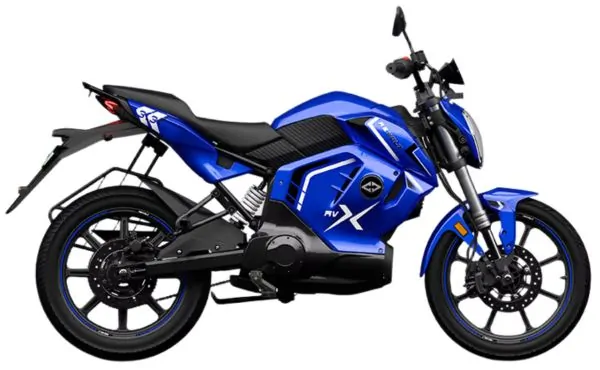
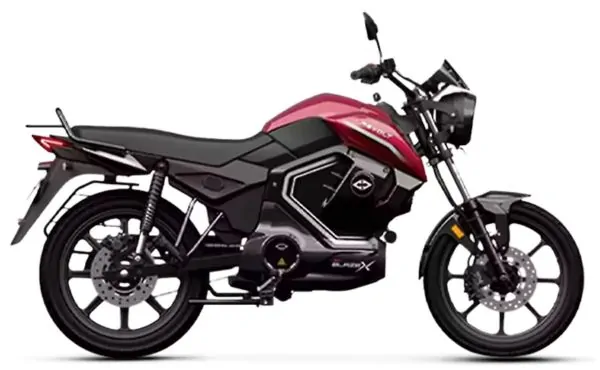
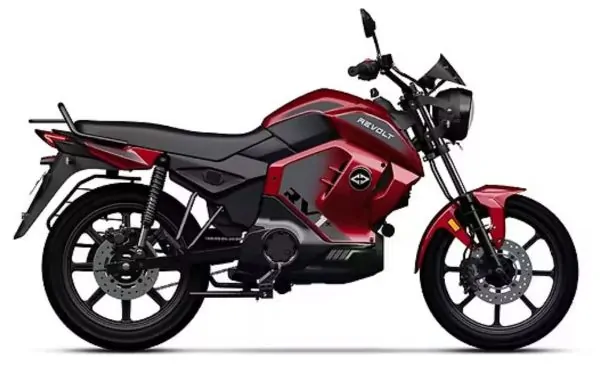
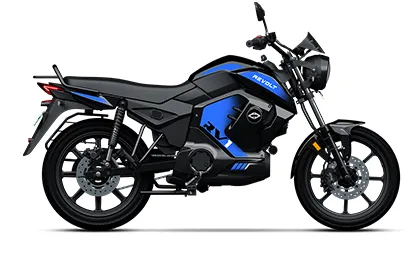
List Of All Revolt Electric Bikes
About Revolt Electric Bikes
Revolt Motors, is an Indian company that makes electric motorcycles designed for smart, connected travel and everyday commuting. As a part of RattanIndia Enterprises, Revolt electric bikes stands out as a leader in electric motorcycles, setting itself apart from the scooter-heavy EV market. The brand is known for blending electric performance, app-based features, and a strong focus on being ‘made for India.’
History And Growth
Rahul Sharma, cofounder of Micromax, started Revolt in 2017 as his first step into electric vehicles. The company spent around two years on research and development before launching its first electric motorcycle. The RV400 played a big role in Revolt’s early success, helping it become one of India’s first major electric motorcycle brands.
Right from the start, Revolt took a different approach than most EV startups by focusing on motorcycle riders who wanted a modern, tech-driven alternative to petrol bikes. The company slowly grew beyond its first launch cities and built a larger dealership network across India. With RattanIndia’s investment and later full ownership, Revolt got the support it needed to expand even more.
Key Milestones And Developments
A major milestone for Revolt was the launch of the RV400 in 2019. It was unveiled in June and started production at the Manesar plant in August. The RV400 was recognized as India’s first AI-enabled motorcycle, shaping Revolt’s image as a tech-focused EV company. After that, Revolt added more commuter-friendly models, such as the RV1 and RV1+.
Another big moment for Revolt was when RattanIndia increased its investment and eventually took full ownership of the company. By 2025, Revolt had grown its dealership network to 200 locations and aimed to reach 400 by the end of FY26. The company also shared plans to expand internationally, especially in South Asia and the Middle East.
Manufacturing Facilities
Revolt’s main factory is in Manesar, Haryana, and has been the heart of its production since the beginning. At first, the plant could make 1.2 lakh units a year, but later updates increased that number to 1.8 lakh units. As demand rises, Revolt has talked about needing more capacity and possibly opening a second factory.
The Manesar plant is important for more than just making bikes; it also supports Revolt’s image as a homegrown EV brand. Revolt often talks about using local parts and focusing on Indian manufacturing. This message fits well in a blog, as it connects with India’s push for more domestic EV production.
Market Position And Achievements
Revolt is known as one of India’s first and top electric motorcycle brands. The company says it is India’s No. 1 electric motorcycle maker and has grown to 23 states and union territories, with 200 dealerships by April 2025. In 2025, Revolt also celebrated making its 50,000th motorcycle.
Revolt’s main advantage is that it focuses on electric motorcycles, a segment with less competition than scooters. Being one of the first in this space helped the brand become well-known before the market got crowded. This has made Revolt a trusted choice for buyers who want commuter EVs with motorcycle looks and smart features.
Future Plans
In the near future, Revolt plans to grow by opening more dealerships, boosting production, and launching new products. The company aims to make over 3 lakh units a year by the end of 2026 and reach 400 dealership locations. Revolt also wants to release at least two new models each year, including both upgrades and brand-new bikes.
Revolt is also expanding outside India, focusing on South Asia and the Middle East. On the business side, the company has talked about raising funds before an IPO and going public once sales grow further. To sum up for a blog, Revolt’s next step is to move from being an early EV pioneer to becoming a large-scale motorcycle brand.
Other Related Links From Bikeleague India
User Reviews
There are no reviews yet. Be the first one to write one.

Hiran Narayanan
Founder & CTO at Bikeleague India
Hiran Narayanan is the Founder and CTO of Bikeleague India, bringing over 15 years of experience in motorcycle technical writing. He develops detailed analyses, tools, model overviews, and blogs that contribute to bikeleague.in's improving rankings.