Overview
Performance And Engine
To begin with, the Classic 350 runs on a 349cc single-cylinder, air-oil-cooled, 4-stroke SOHC engine. The J-series engine produces 20.48 PS at 6,100 rpm and 27 Nm of torque at 4,000 rpm, delivering smooth power across the rev range. Notably, it has the relaxed, torquey feel and signature thump that Royal Enfield fans love. Additionally, air-oil cooling helps maintain optimal engine temperature in both city and highway rides. Furthermore, it meets BS6 Phase 2 emission standards, making it more eco-friendly without compromising performance. Importantly, strong low-end torque makes city riding easy, although the engine feels strained above 110 kmph. On the bright side, vibrations are much lower than in older models, so long rides are more comfortable.
Moving on to the transmission, the Classic 350 features a smooth 5-speed gearbox and a wet multi-plate clutch. The gears are spaced for easy cruising, and the fifth gear works well for highway speeds between 80 and 100 kmph. However, the clutch feels heavy, especially in traffic, though most owners get used to it over time. As for the chain drive, it is reliable and requires little maintenance. Gear changes are clear and positive, but you might occasionally hit a false neutral between first and second gear if you shift hard. Overall, the transmission is tuned for strong torque rather than quick acceleration, making it better suited for relaxed rides and touring.
When it comes to speed, the Royal Enfield Classic 350 has a claimed top speed of 115-120 kmph. In real-world riding, it’s comfortable at 100-110 kmph, although going faster brings more vibrations and engine strain. On the plus side, the bike feels stable at high speeds thanks to its 195 kg weight, though strong winds might require some steering corrections. Additionally, the upright seating means you get a lot of wind above 100 kmph, which can make long, high-speed rides tiring. For most owners, 80-90 kmph is the best speed for long trips, with short bursts to 100-110 kmph for overtaking. Nevertheless, the bike handles well on smooth roads but requires careful throttle use on rough highways at high speeds.
Mileage And Fuel Efficiency
The Classic 350 has an ARAI-certified mileage of 41.55 kmpl, making it one of the most fuel-efficient bikes in its class. Its 13-litre fuel tank gives a theoretical range of 540 km, but real-world results vary. Riders across India report 35-40 kmpl in city traffic, dropping to 30-32 kmpl in heavy congestion. On highways, it gets 40-45 kmpl at steady speeds of 70-80 kmph.
Mileage varies by region. Riders in hilly areas like Himachal Pradesh and Uttarakhand get 33-37 kmpl because of frequent gear changes, while those in flat regions like Punjab and Haryana see 38-42 kmpl. The Classic 350 outperforms the Honda H’ness CB350 (38 kmpl) and the Jawa 42 (37 kmpl), making it more economical for daily use. Aggressive riding and short trips can lower efficiency to 28-30 kmpl.
Features And Technology
The Royal Enfield offers Classic 350 a plethora of features optimised for Indian riders, and they are
- LED Headlamp with DRL: Full LED lighting setup in premium variants provides excellent night visibility with distinctive daytime running lights, enhancing road presence and safety
- Spoke Wheels with Tubed Tyres: Traditional 19-inch front and 18-inch rear spoke wheels maintain vintage aesthetics, except for the Dark Series, which features alloy wheels with tubeless tyres.
- Semi-Digital Instrument Cluster: A combination of an analogue speedometer, a digital odometer, dual trip meters, a fuel gauge, and a clock provides essential information at a glance.
- Bluetooth Connectivity: Tripper navigation pod available as an accessory that pairs with the Royal Enfield app for turn-by-turn directions and call/SMS notifications
- Telescopic Front Forks: 41mm conventional telescopic suspension with 130mm travel absorbs bumps smoothly for comfortable city and highway riding
- Twin Gas-Charged Rear Shocks: Adjustable preload setup with 80mm travel handles varying loads, from solo riding to pillion plus luggage.
- Dual-Channel ABS: Safety net on premium variants with independently controlled front (300mm) and rear (270mm) disc brakes prevents wheel lock-up, single-channel ABS on base variants
- Side Stand Engine Cut-Off: A safety feature automatically kills the engine when the side stand is deployed with the bike in gear, preventing accidents
- USB Charging Port: Conveniently located near the instrument cluster for charging mobile devices during rides
- Halogen Turn Indicators: Large, visible indicators on most variants ensure signalling intentions are clear to surrounding traffic
- 195 kg Kerb Weight: Substantial mass provides planted feel and stability at speed, though manageable for most riders during parking manoeuvres
- 174mm Ground Clearance: Adequate for Indian road conditions, handling speed breakers and moderate potholes without scraping
- Front 100/90-19, Rear 120/80-18 CEAT Tyres: Grippy rubber from CEAT or MRF provides confident handling in dry and wet conditions
- 805mm Seat Height: Accessible for riders 5’5″ and above to plant both feet flat; shorter riders may tiptoe
- Tubular Double Cradle Frame: Robust chassis construction ensures rigidity and durability over years of riding
- 9 Premium Colour Options: Diverse palette from classic Black to vibrant Emerald and heritage Commando Sand
- Tripper Navigation: Turn-by-turn navigation displayed on a separate circular screen with smartphone connectivity for hassle-free touring
- Chrome or Matte Finish Options: Traditional mirror-finish chrome or modern matte aesthetics, depending on series selection
These features make the Royal Enfield Classic 350 a compelling choice for riders seeking a perfect blend of classic aesthetics and modern functionality.
Build Quality
The Royal Enfield Classic 350 is built better than older versions. Its tubular double-cradle frame is strong and well-made, though some welds have minor surface flaws. Premium models like the Chrome and Dark Series have great paint with a deep, even finish. In contrast, base models sometimes exhibit a slight orange peel. Chrome parts can rust in the rainy season if not protected, especially near the exhaust and engine fins.
The J-series platform has made the Classic 350 much more durable, with owners seeing few problems even after 40,000 km or more. The bike handles weather well if you keep up with maintenance, but chrome parts need to be dried quickly after rain to avoid rust. Panel gaps are even, there are a few rattles, and the engine casing keeps its finish. With regular servicing every 6,000 km, the Classic 350 is a reliable choice for long-term ownership.
Handling
The Classic 350 handles in a way that feels steady and predictable. Its 195 kg weight helps keep it stable on highways, but it does take some effort to move around at low speeds or in tight spaces. The bike is a bit front-heavy, which helps it go straight but slows quick turns. It corners well enough for fun rides on twisty roads, and the 174 mm ground clearance lets you lean a fair amount before the footpegs touch down. Once you get used to the weight, it’s fairly easy to handle in city traffic, though not as nimble as lighter 200cc bikes.
The Classic 350 stays steady on highways at 80-100 kmph, with little wandering on straight roads. CEAT tyres grip well in dry weather and do okay in the rain, but you should be careful when cornering hard on wet roads. Dual-channel ABS helps prevent skidding and gives strong, smooth braking. The steering feels neutral and light at speed, but making U-turns at low speed takes some effort. The suspension handles rough roads well, making the bike comfortable on everything from smooth highways to bumpy state roads.
Comfort
The Classic 350 is very comfortable for long rides. Its 805mm seat height fits most riders over 5’5″, and shorter riders can manage by moving forward at stops. The wide, padded seat is great for 300-400 km rides, though some people add extra cushions for longer trips. The upright seating, mid-set footpegs, and raised handlebars help prevent back pain, making both daily commutes and weekend rides comfortable. The pillion seat is roomy and cushioned, with strong grab rails. Still, the rear suspension can feel stiff on rough roads with a heavy passenger.
The footpegs are set so your knees don’t get cramped, even on long rides. The engine can get warm in summer traffic, especially on your inner thighs, but it’s usually manageable. Vibrations are controlled up to 6,000 rpm, with only mild shaking at highway speeds. Since the bike has no windscreen, riding above 100 kmph can be tiring unless you add one. Storage is limited to a small toolbox under the seat, but you can add saddlebags or tank bags. For daily commutes of 20-30 km, the Classic 350 is easy to handle, and with the right accessories, it’s great for long-distance touring.
Styling
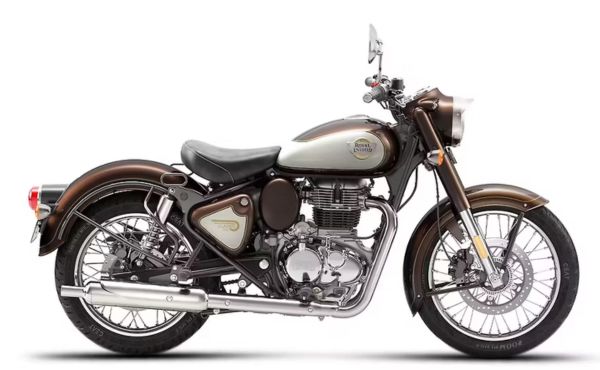
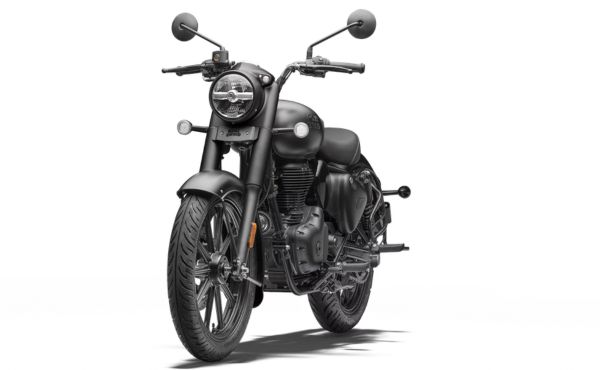
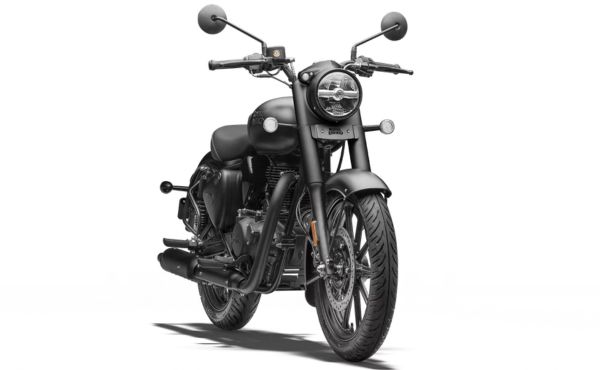
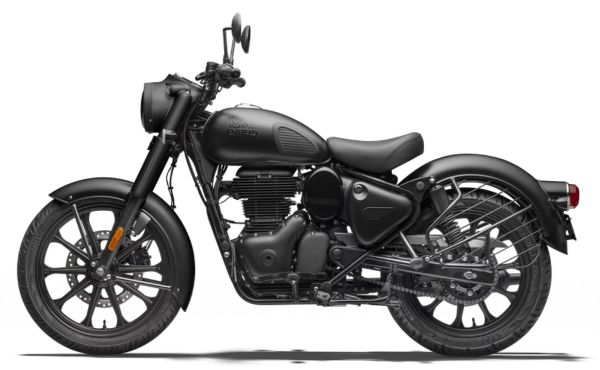
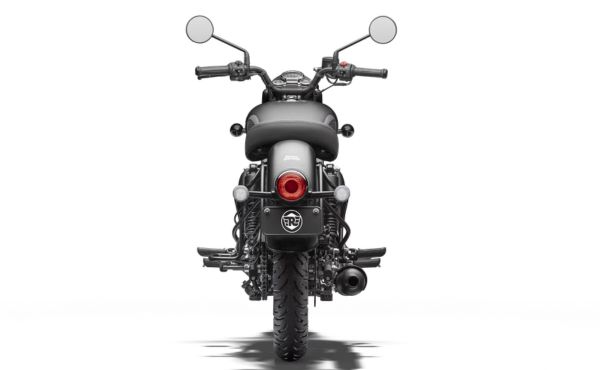
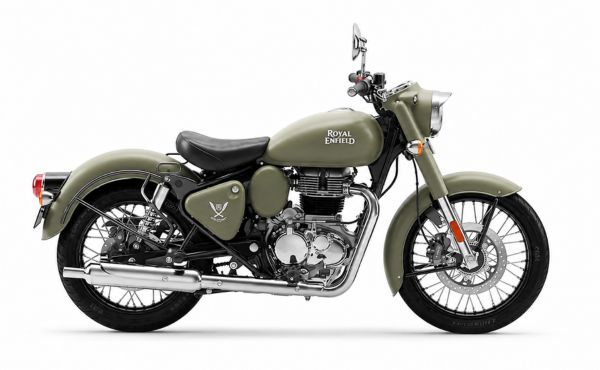
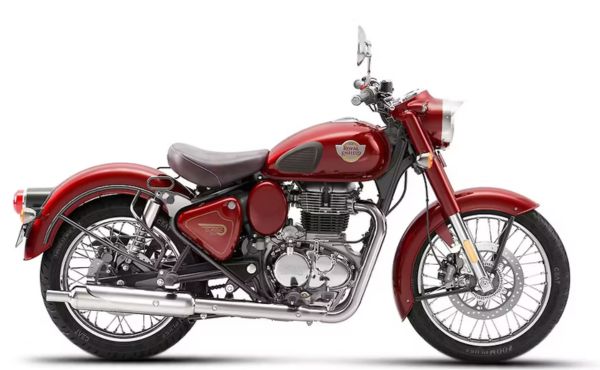
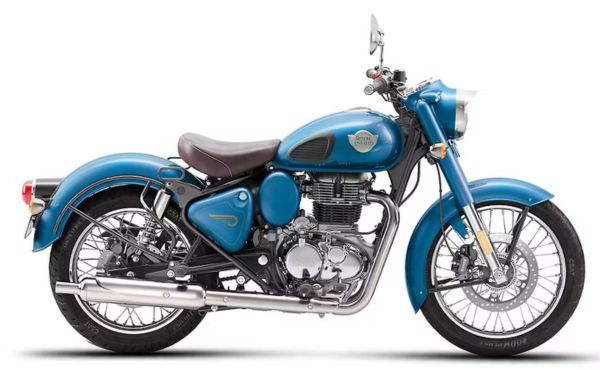
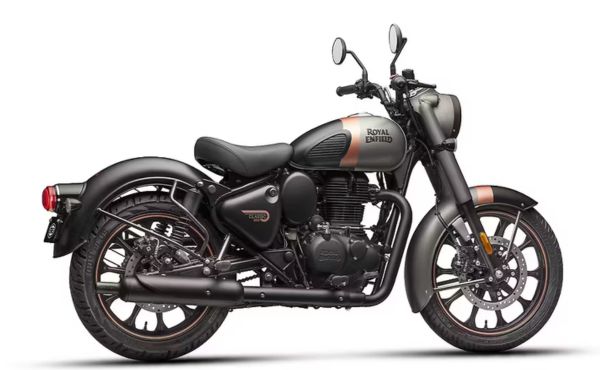
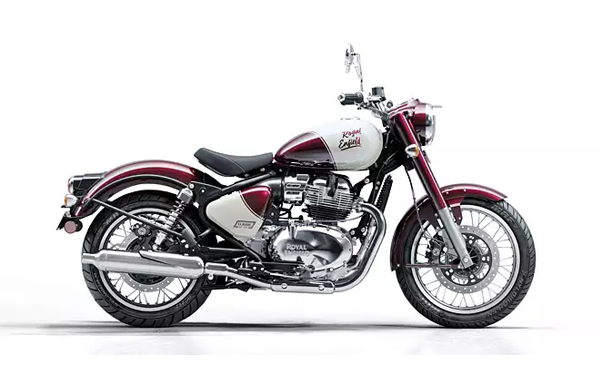
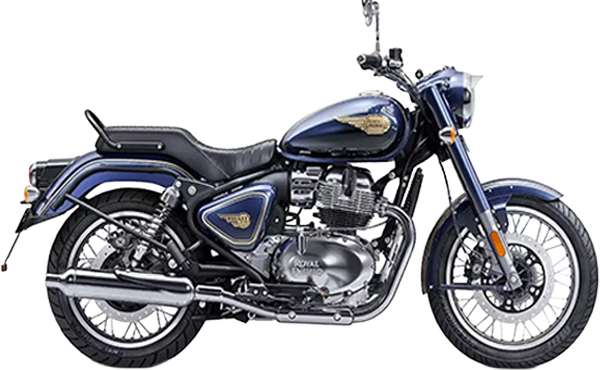
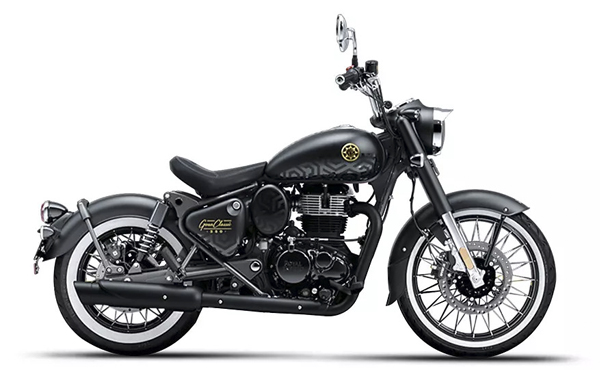
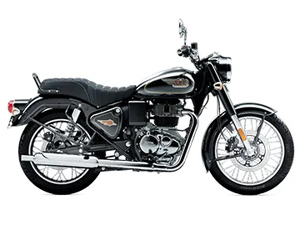
The Classic 350’s design takes inspiration from post-war British motorcycles and has a timeless look. It has a teardrop-shaped fuel tank with pin-striping or chrome, a rounded headlamp with a chrome bezel, and smooth fender lines. The tank’s shape is easy to spot, and premium models have tank pads for a vintage touch. The side panels show Royal Enfield badges with finishes unique to each series. Newer models use LED lights that keep the classic style but work better. The single-piece seat with stitching keeps the old-school feel.
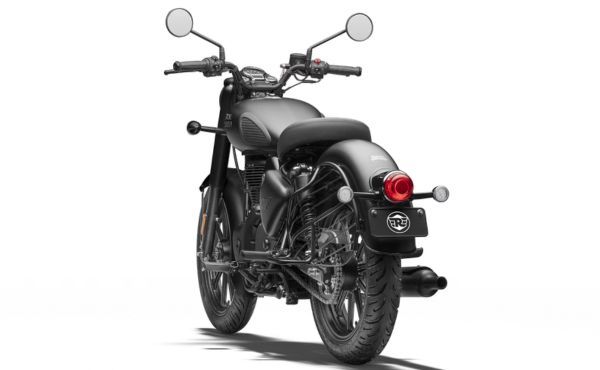
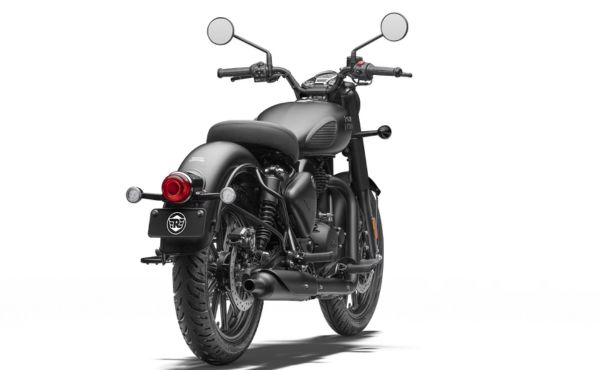
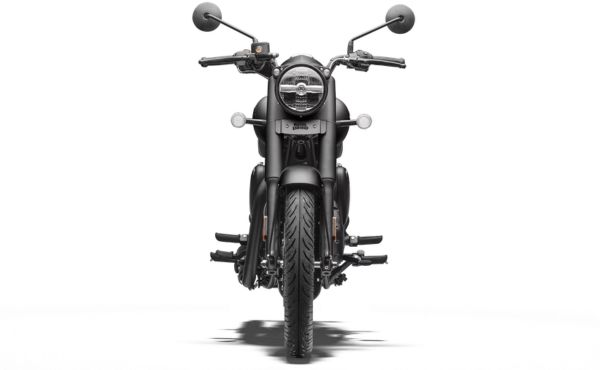
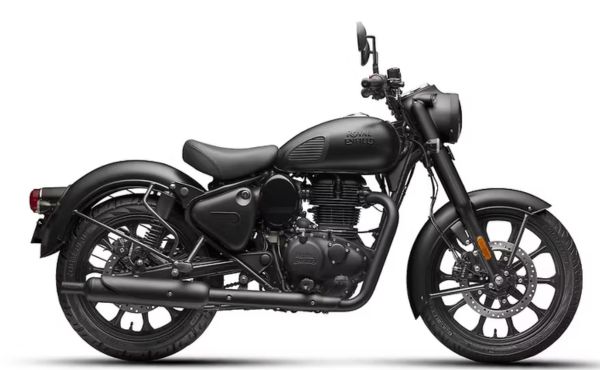
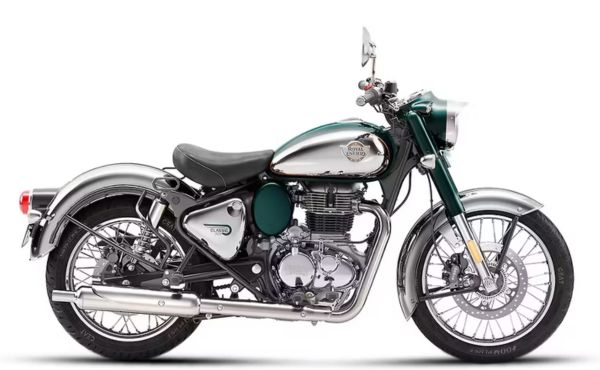
The raised handlebars, finished in chrome or black, add to the retro look. The upswept exhaust with a chrome heat shield gives the bike its classic thump and looks good, too. Chrome is the main feature on the Chrome Series, while the Dark Series uses blacked-out parts like the engine fins, headlamp bezel, and exhaust. The Goan Classic stands out with white-walled tyres and a bobber-inspired style. The Classic 350’s timeless look won’t go out of style. Compared to bikes like the Honda H’ness CB350 and Jawa 42, the Classic 350 feels more genuinely vintage, which appeals to riders who love old-school bikes.
Color Options And Variants
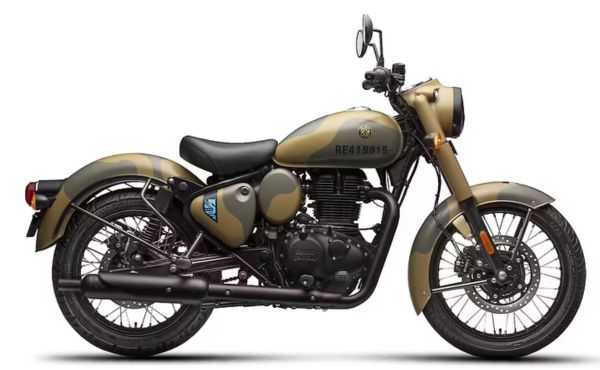
There are 9 colour options to choose from, and they are
- Emerald
- Jodhpur Blue
- Commando Sand
- Madras Red
- Medallion Bronze
- Stealth Black
- Halcyon Black
- Gun Grey
- Redditch Red
- Gorkha Green
There are six variants available, and they are
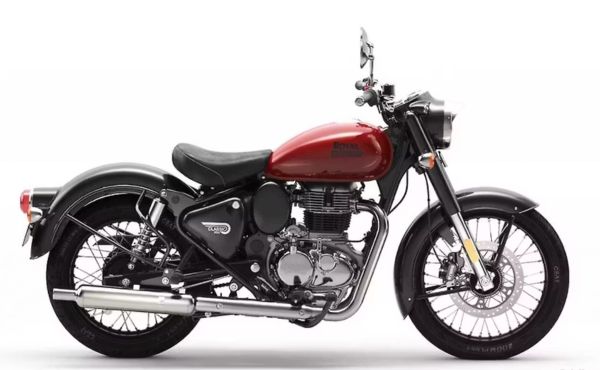
- Redditch Series: Entry point with single-channel ABS, spoke wheels, basic instrumentation, halogen indicators, essential features for budget-conscious buyers
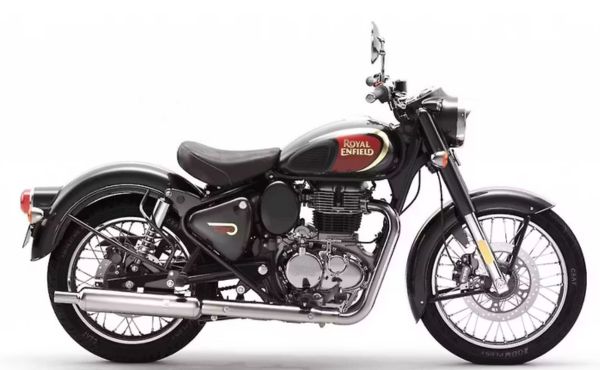
- Halcyon Series: Classic 1950s styling cues, dual-channel ABS optional, enhanced paint schemes, vintage badging
- Heritage Series: Iconic pin-striping, dual-channel ABS standard, premium paint finishes, heritage tank badge
- Signals Series: Military-inspired aesthetics, blacked-out components including exhaust and engine covers, unique colour schemes, enhanced features
- Dark Series: Alloy wheels with tubeless tyres, completely blacked-out theme, matte or metallic finishes, LED lighting, premium positioning
- Chrome Series: Maximum chrome treatment on tank, fenders, and engine covers, mirror-finish quality, dual-channel ABS, top-tier pricing
Value For Money And Pricing
The Royal Enfield Classic 350 starts at ₹ 1,87,434 (ex-showroom- Chennai) for the base Redditch Series. Service costs are reasonable with scheduled maintenance every 6,000 km costing ₹1,500-₹2,500 depending on variant and service centre. Parts pricing is affordable thanks to excellent availability: engine oil costs ₹600-800 for genuine Castrol/Motul, an air filter costs ₹300, and a chain sprocket set costs ₹1,800. Insurance premiums for comprehensive coverage range from ₹8,000 to ₹12,000 annually, depending on the city and no-claim bonus.
Resale value is exceptional: 3-year-old Classic 350s fetch 55-65% of the original price, significantly better than rivals’. Royal Enfield’s dealer network is the most extensive in India with 1,000+ touchpoints, ensuring service accessibility even in tier-3 cities. Warranty covers 2 years/unlimited kilometres, extendable to 3 years. Ownership costs are manageable – monthly running costs average ₹3,000-₹4,500 (fuel, service, insurance) for 1,000 km riding. Cost per kilometre is ₹2.50-₹3.00, including depreciation, making it economical for long-term ownership. The value proposition is strong, given build quality, brand heritage, and resale value.
The Classic 350 offers the best overall package, combining heritage, resale value, an extensive service network, and an ownership experience. While rivals may offer better mechanical refinement or features, none match the Classic’s emotional appeal, resale strength, and proven reliability over decades.
Direct Competitors are :
- Honda H’ness CB350
- Jawa 42
- Yezdi Roadster
- Bajaj Dominar 250