ABOUT VESPA SCOOTERS
Vespa, a legendary brand renowned for its distinctive design and rich history, holds a special place in the hearts of scooter enthusiasts around the world. Originating in the aftermath of World War II, Vespa was introduced by the Italian company Piaggio in 1946. With its sleek, elegant appearance and efficient functionality, the Vespa scooter quickly became an iconic symbol of Italian engineering and style, capturing the imagination of a generation and leaving an indelible mark on the world of two-wheelers.
The journey of Vespa in India dates back to the 1960s, when it forged a partnership with the esteemed Indian manufacturer Bajaj to produce Vespa scooters in the country. This collaboration brought the elegance and sophistication of Vespa to the Indian masses, setting the stage for a long and enduring relationship with the Indian market. Following the Bajaj era, Vespa continued its Indian venture by partnering with LML Motors, leading to the production and distribution of its renowned scooters throughout the country. This period marked an era of continued growth and popularity for the brand in the Indian two-wheeler market. Despite changes in partnerships and the evolution of the Indian automotive industry, Vespa has always remained synonymous with classic design, superior craftsmanship, and timeless appeal. The brand’s commitment to quality and innovation has made it a global symbol of style and sophistication, attracting a diverse and loyal fan base across different continents and cultures.
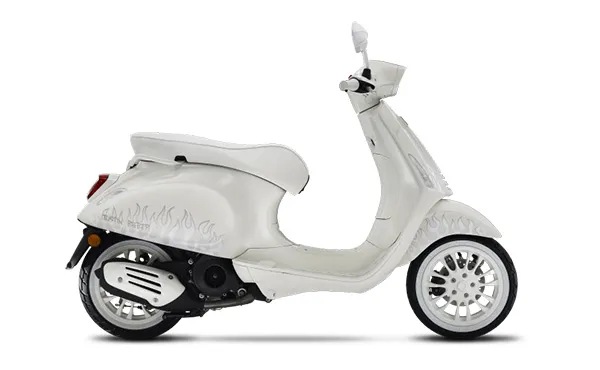
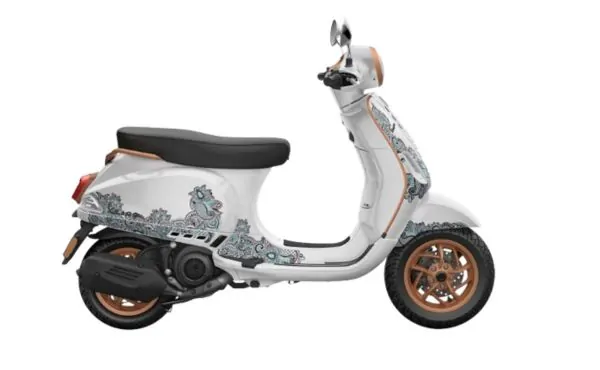
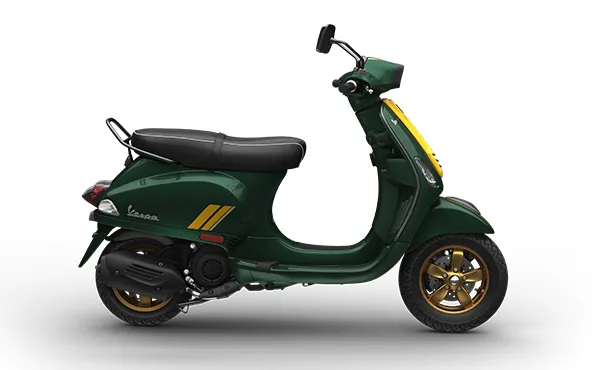
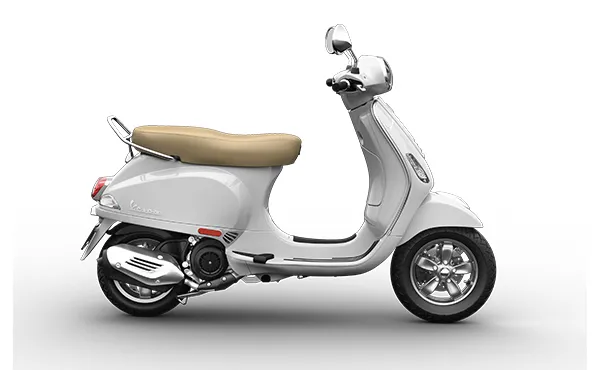
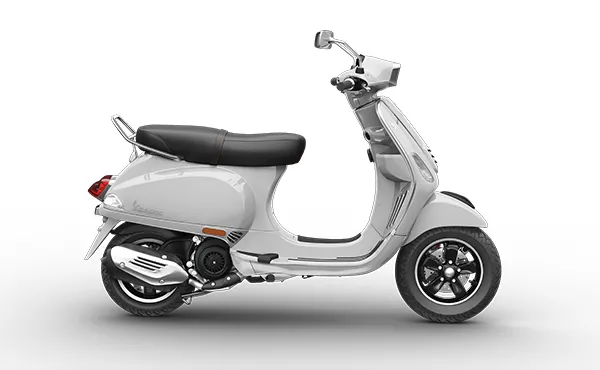
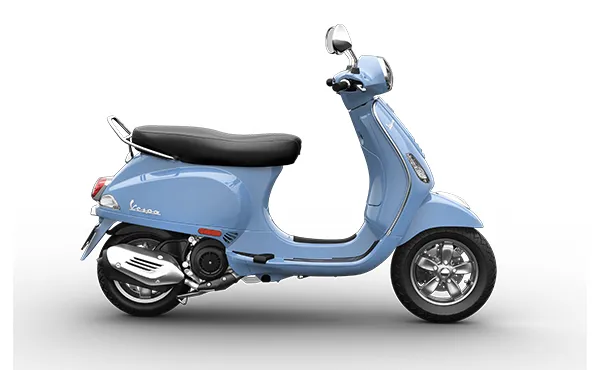
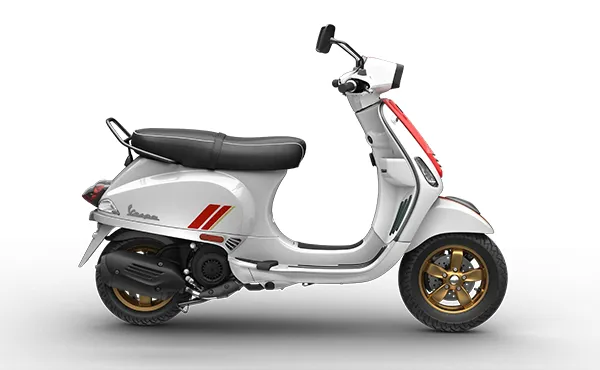
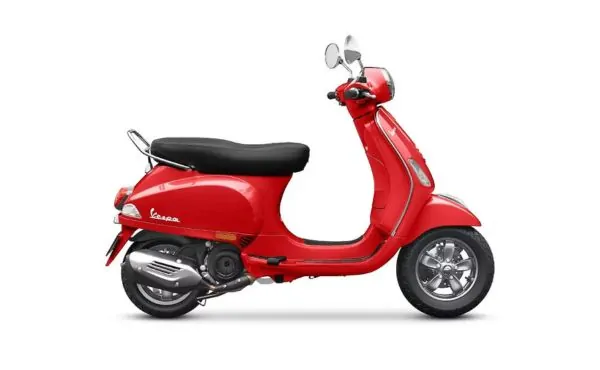
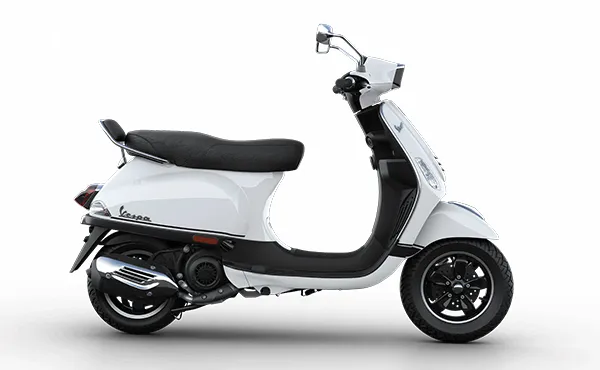
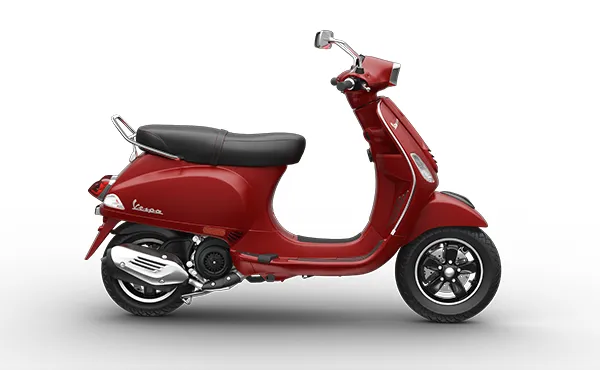
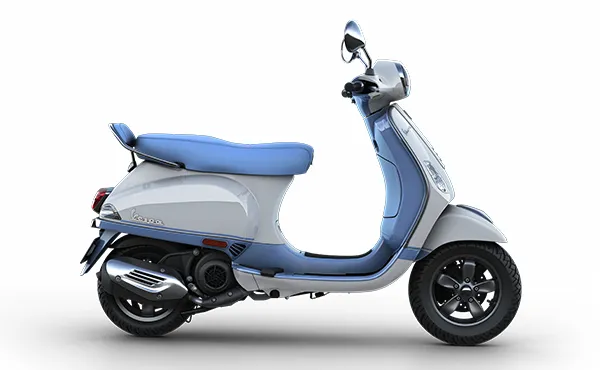
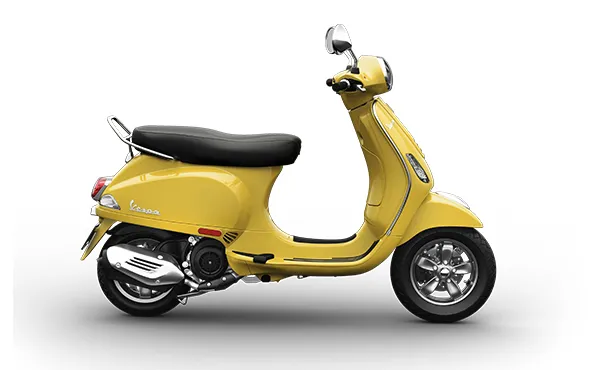
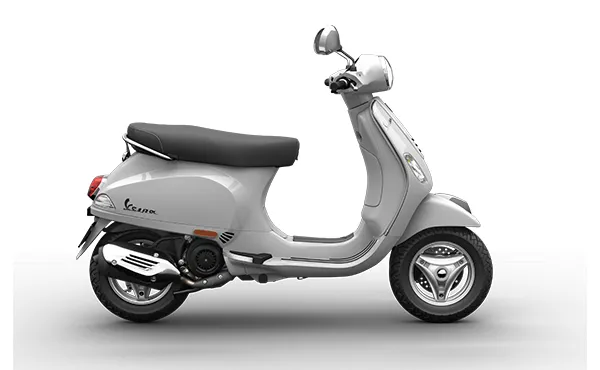
The distinctive feature of Vespa scooters lies in their painted, pressed steel unibody, which seamlessly integrates an engine cowling, a flat floorboard, and a front fairing into a single structural unit. This unique design not only enhances the scooter’s aesthetic appeal but also provides practical benefits such as engine protection, foot safety, and wind resistance, making Vespa an ideal choice for both urban commuting and leisurely rides through scenic landscapes. Vespa’s global presence has expanded over the years, encompassing a diverse range of models and variants, each crafted with meticulous attention to detail and a focus on delivering a superior riding experience. From its humble beginnings as a single-model scooter, Vespa has grown into a comprehensive product line, catering to the varied preferences and demands of scooter enthusiasts worldwide.
Today, Vespa continues to embody the spirit of Italian elegance and craftsmanship, combining its rich heritage with modern technology to create a unique blend of nostalgia and innovation. With its timeless design, enduring legacy, and unwavering commitment to excellence, Vespa remains an enduring symbol of style, freedom, and the joy of the open road, resonating with generations of riders who appreciate the finer things in life.
History and Growth
In the 1960s, Piaggio authorised the production of Vespa in India, turning it into a symbol after independence. Vespa returned in 2012, launching the LX 125 with a new 125cc engine that offered 60 km per litre. By mid-2013, Vespa had sold 52,000 scooters and expanded to 35 cities with 50 exclusive outlets.
Key Milestones and Developments
- April 6, 2012:Vespa made its official debut at the Delhi Auto Expo with the India-specific LX 125, priced at 66,600 INR (about 1,000 EUR).
- April 26,2012:Vespa held a press launch in Mumbai and opened the Baramati factory for full production.
- June 2013:Vespa VX launch in Bombay; announces GTS 300, LXV 125, and flagship 946 models.
- In March 2025:Vespa unveiled its 2025 portfolio at St. Regis Mumbai, celebrating over ten years in India with new features and bold colours for the next generation.
Vespa made changes for easier maintenance and a more premium image, which helped global sales grow from 50,000 units in 2003 to over 150,000 in 2011, before re-entering India.
Manufacturing Facilities
Piaggio’s Baramati factory in Maharashtra opened in April 2012 and covers a large area. It manages every step of Vespa scooter production, from building frames to final assembly. The factory started with a capacity of 150,000 scooters a year and doubled to 300,000 by 2013. Built in 14 months for over Rs. 10 billion, the plant is part of a larger site that also makes three-wheelers and engines. From the beginning, the factory has used only locally sourced parts, making Vespa a scooter made in India for the world.
Market Position and Achievements
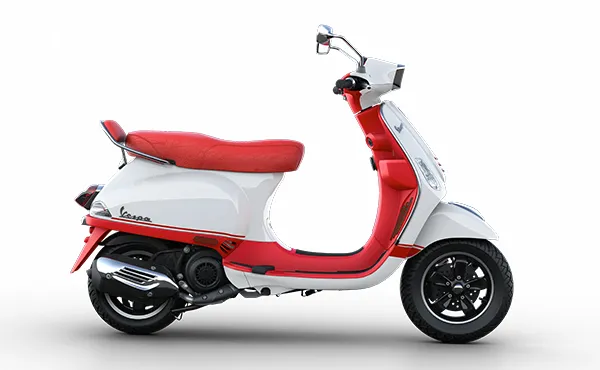
Vespa created a premium two-wheeler segment in India for buyers who value style, setting itself apart from regular commuter scooters. It set up exclusive dealerships in major cities. Official launches highlight Vespa as Piaggio’s top seller, similar to the LX in Europe, and rapid sales growth helped the Group aim for 1 million global vehicles by 2014. Notable achievements include the 75th anniversary edition in 2021 and the (Vespa)RED VXL, which supports global causes.
Future Plans
Piaggio plans to make Vespa an even stronger luxury-lifestyle brand in India. The 2025 lineup features advanced options for younger, style-conscious riders. The strategy includes launching bigger models, investing in premium two-wheelers with Aprilia, and using the Baramati plant to expand. Piaggio aims to grow revenue in Asia by increasing Vespa’s presence in emerging markets, focusing on local innovation, wider distribution, and meeting changing consumer needs.
Other related links from Bikeleague India
- vespa-vxl-150-dual
- vespa-sxl-125-dual
- vespa-vxl-125-dual
- vespa-sxl-150-dual
- vespa-sxl-125>vespa-sxl-125