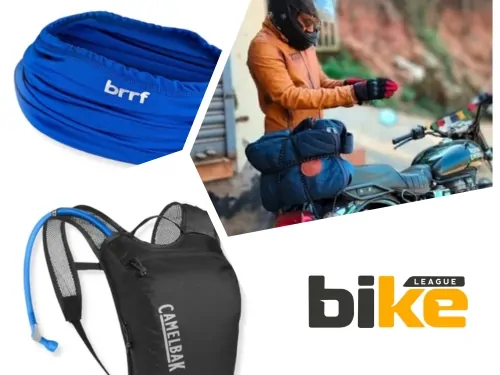
Long story short: Master bike riding in summer in India with our comprehensive guide. Discover essential summer bike ride accessories, maintenance tips, and strategies to overcome riding a motorcycle in hot weather in India during the summer.
Summer in India means high temperatures and special challenges for motorcycle riders. Whether you ride every day, explore on weekends, or go on long trips, you need more than courage. Good preparation, the right gear, and smart planning are key.
This guide shares practical tips, must-have accessories, and expert advice to help you stay safe, comfortable, and confident while riding during the hottest months.
Key Takeaways
- Wear lightweight, ventilated riding gear and use sun protection to stay cool and safe.
- Hydrate regularly before, during, and after your ride to prevent dehydration and heat-related illnesses.
- Maintain your motorcycle with summer-specific checks: coolant, tyre pressure, fluid levels, and battery care are crucial.
- Plan your ride for early morning or late evening to avoid the peak heat, and take frequent breaks to rest and cool down.
- Invest in essential accessories like hydration packs, cooling vests, and heat-friendly tech to make summer rides safer and more comfortable.
Understanding India’s Summer Climate
Before we get into the tips, it helps to know what kind of weather you’ll face. India’s climate changes a lot from place to place. From March to June, summer temperatures can be very different depending on the region:
- Northern India: Temperatures can soar up to 45°C or more, especially in the plains of Rajasthan and northern states.
- Central and Western India: These regions can experience temperatures exceeding 40°C, with dry conditions prevailing.
- Southern India: While generally warmer, coastal areas experience high humidity, making the heat feel more oppressive.
- Eastern India: States like West Bengal and Odisha face hot and humid conditions, with temperatures ranging from 30°C to 40°C.
What Are The Issues For Bike Riders In Summer In India?
1. Dress Appropriately
Wearing the right clothes is the first step to staying safe in the heat:
- Ventilated Gear: Invest in a well-ventilated or mesh riding jacket. It might seem counterintuitive, but covering up with the right gear can protect you from the sun and help maintain a cooler body temperature.
- Light Colours and Breathable Fabrics: Opt for light-coloured clothing that reflects sunlight and breathable fabrics that allow air circulation. This helps reduce heat absorption and promote cooling.
2. Stay Hydrated
Riding in hot weather can quickly lead to dehydration:
- Regular Hydration: Carry and drink water regularly to maintain hydration. Aim to drink 1-2 litres of water per hour during your ride.
- Pre-Ride Hydration: Begin your ride well-hydrated. Sip water throughout the day and drink 0.5-1 litre immediately before starting your ride.
- Electrolyte Replacement: Use sports drinks or electrolyte tablets that provide essential minerals to replace what’s lost through sweating.
3. Avoid Heavy Foods
- Focus on Light, Easily Digestible Meals: Eat a balanced meal 1–2 hours before your ride. Include complex carbohydrates (whole grain bread, oats, brown rice), lean proteins (boiled eggs, grilled chicken, paneer), and fresh fruits or vegetables. Avoid heavy, oily, or spicy foods that can cause discomfort, bloating, or sluggishness in the heat.
- During the Ride—Snack Smart: Carry light snacks that are easy to digest and won’t spoil in the heat, such as bananas, apples, oranges, energy bars, nuts (almonds, walnuts), or roasted chickpeas. Avoid fried snacks, sweets, and dairy-rich foods, as they can upset your stomach and leave you feeling lethargic.
- Small, Frequent Intake: Instead of eating one large meal, opt for smaller snacks at regular intervals to maintain energy and avoid digestive discomfort.
- Post-Ride Recovery: After your ride, replenish fluids and opt for a meal rich in complex carbs, lean protein, and vegetables to aid recovery.
4. Plan Your Ride Timing
When it’s extremely hot, choosing the right time to ride makes a big difference:
- Ride During Cooler Hours: Schedule your rides for early morning or late evening when temperatures are lower. Avoid riding during the hottest parts of the day, typically between 12 PM and 3 PM.
- Frequent Breaks: Make frequent stops to allow your body to cool down and stretch, reducing the risk of cramping and fatigue.
5. Protect Your Skin
Protecting your skin from the sun is important:
- Sunscreen: Use a high SPF sunscreen to protect exposed skin from UV rays. Reapply as necessary during breaks.
- Full-Coverage Apparel: Full-coverage apparel can shield your skin from direct sunlight.
6. Monitor Your Health
Watch out for signs of heat-related illnesses:
- Watch for Symptoms: Be alert for signs such as heavy sweating, dizziness, nausea, and confusion. If you experience these symptoms, stop riding immediately, find a cool place, and hydrate.
What Are The Tips For The Motorcycle In Summer Conditions In India?
1. Regular Coolant Checks
Make sure your motorcycle’s cooling system is working well:
- Coolant Level: Ensure that the coolant level is adequate and use a coolant with a higher boiling point suitable for hot weather.
- Radiator Inspection: Inspect the radiator and coolant hoses for leaks or damage.
2. Tyre Maintenance
Taking care of your tyres is especially important in hot weather:
- Pressure Checks: Regularly check tyre pressure and adjust it according to the manufacturer’s recommendations. Heat can cause the air inside tyres to expand, leading to overinflation.
- Tread Inspection: Inspect the tread for wear and replace tyres if necessary to ensure optimal grip.
3. Fluid Level Monitoring
Hot weather can make important fluids in your bike evaporate faster:
- Regular Checks: Check and top off engine oil, brake fluid, and coolant.
- Quality Fluids: Use high-quality fluids designed to withstand high temperatures.
4. Battery Care
Very hot weather can impact how well your battery works:
- Inspection: Inspect the battery for signs of corrosion and ensure it is securely connected.
- Maintenance: Consider using a battery tender to maintain charge levels, mainly if the motorcycle is not used frequently.
5. Chain Lubrication
Taking care of your bike’s chain is important when it’s hot outside:
- Regular Maintenance: Clean and lubricate the chain to prevent rust and ensure smooth operation.
- Tension Adjustment: Adjust the chain tension per the manufacturer’s specifications to avoid excessive wear.
What Are The Essential Accessories For Bike Riding In Summer In India?
1. Ventilated Helmets
- Modular Helmets: Consider helmets like the Shoei NXR2 or Schuberth C5, known for their excellent ventilation and comfort in hot weather.
2. Breathable Riding Gear
- Textile Jackets: Choose jackets with adjustable air vents and removable padding. Brands like Reise Moto offer options designed specifically for Indian conditions.
- Mesh Gloves: Opt for gloves with good grip and touchscreen compatibility for convenience.
- Textile Pants: Look for pants with built-in protection and adjustable ventilation.
3. Cooling Accessories
- Cooling Vests:Evaporative cooling vests can provide relief during long rides in extreme heat.
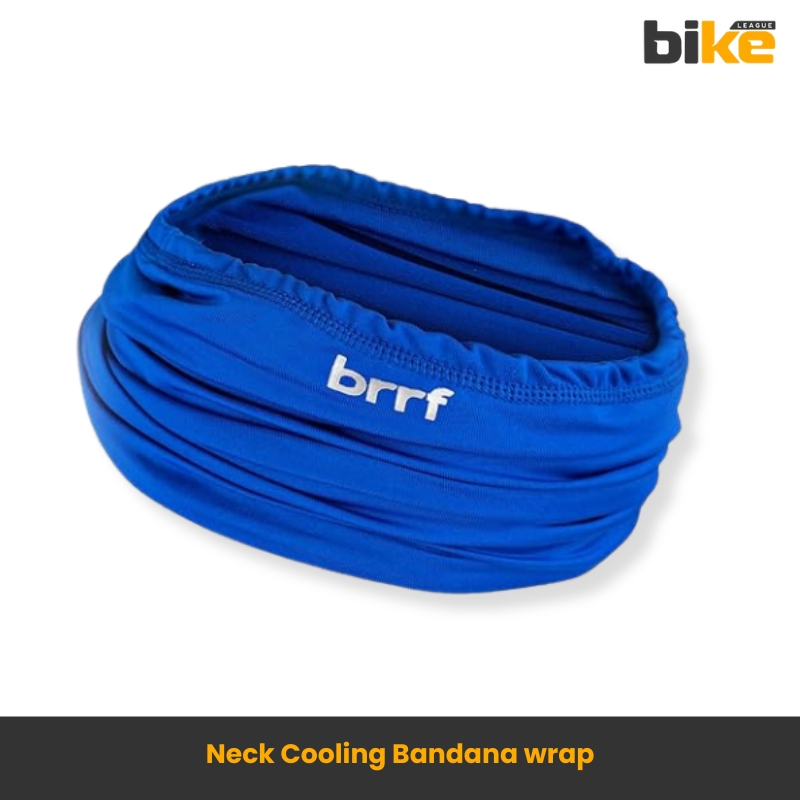
- Neck Wraps: Cooling neck wraps can help regulate body temperature and provide comfort.
4. Hydration Systems
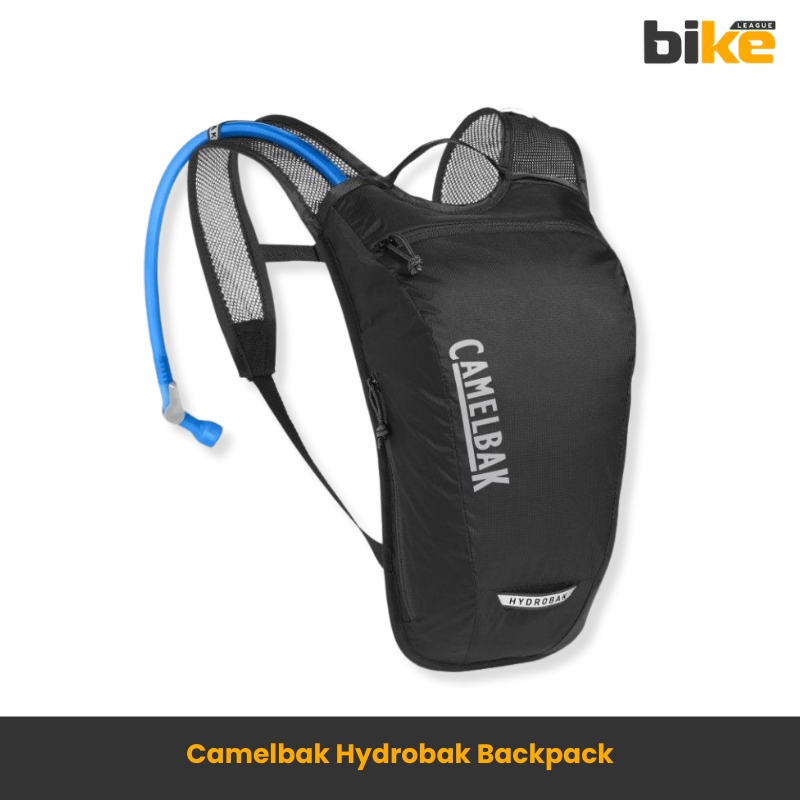
- Camelbak: A hydration pack allows you to drink water without stopping, ensuring continuous hydration.
5. Sun Protection
- High SPF Sunscreen: Use a sweat-resistant, broad-spectrum sunscreen to protect exposed skin.
What Is Tailored Advice For Rural Vs Urban Bike Riders In Summer In India?
Tips for summer bike riding are different for rural and urban riders because the roads, traffic, and heat risks aren’t the same in each place.
Rural Riders (village Roads, Highways, Long Distances)
When you ride in rural areas, you’ll spend more time in the sun and deal with rough roads. It’s important to focus on endurance and be ready to handle problems by yourself.
| Challenge | Tailored Advice |
|---|---|
| Dehydration (long stretches) | 2L hydration pack; sip every 15min; ORS tablets; pre-hydrate 500ml 2hrs before |
| Engine overheating | Mesh jacket + cooling vest; ride 6-10AM/4-7PM; check radiator fins weekly |
| Potholes + hot asphalt | TPMS essential; 28-32psi front/36 rear; avoid sharp gravel turns |
| No shade/help nearby | Shade breaks every 45min under trees; carry puncture kit + 1L spare petrol |
| Animals/visibility | Full-face helmet always; bright vest; slow approach to livestock |
Urban Riders (city Traffic, Frequent Stops)
In cities, you might get stuck in stop-and-go traffic with lots of heat and exhaust. The main thing is to find quick ways to cool down and keep your ride steady.
| Challenge | Tailored Advice |
|---|---|
| Stop-go heat buildup | Mesh gloves + perforated boots; wet base layer; neck gaiter for dust |
| Traffic signal traps | Hydration pack + ORS pouch; 2min engine-off at signals (kill switch) |
| Phone overheating | Open airflow mount (RAM/Quadlock); navigation on watch if possible |
| Engine idling overheat | Park in shade between rides; check oil level daily (heat thins it) |
| Pollution + visibility | Clear visor + anti-fog spray; balaclava for fumes; LED indicators |
Must-haves
- Hydration pack
- Mesh jacket
- TPMS
Nice-to-have
- Evaporative cooling vest
- Open phone mount
Golden Rule
If you ride in rural areas, focus on gear that helps you last longer and be ready for breakdowns. In cities, choose gear with good ventilation and find quick ways to cool off during stops.
What Are The Modern Tech Accessories That Can Help Summer Motorcycle Riders In India?
These modern tech accessories can help make your summer rides safer, more comfortable, and less stressful, even when it’s really hot.
Best Picks For Summer Riding
| Accessory | What it helps with | Why it matters in summer | Example use |
|---|---|---|---|
| TPMS with temperature monitoring | Tire pressure and tire temperature | Hot roads can raise tyre temps and pressure, and TPMS units can alert you in real time | Warning before a low-pressure tyre gets worse on a long ride |
| Smart hydration reminder | Drinking water on time | Heat and riding gear speed up dehydration, so reminder devices help you keep sipping regularly | A bottle reminder light that prompts every hour |
| GPS/navigation with heat awareness | Route guidance + phone protection | Touring riders often use separate navigation devices or mounts so the main phone stays safer from summer heat | Navigation while your phone remains less exposed |
| Heat-friendly phone mount | Cooling and vibration isolation | Open mounts with airflow and vibration damping help avoid overheating and camera damage in high ambient temperatures | Phone mounted in the wind instead of inside a pouch |
| Water bottle holder | Easy access to water | Keeps hydration within reach on hot rides | Quick sip at fuel stops or traffic lights |
What To Choose First
- A Tyre Pressure Monitoring System (TPMS) is one of the most useful safety accessories you can invest in for summer riding. It gives you real-time updates on tyre pressure and temperature—a big help for peace of mind when the roads are hot, and the air is shimmering.
- An open phone mount is better than a closed pouch in hot weather. Good airflow keeps your phone from overheating and makes navigation easier on the go.
- Simple hydration reminders really matter on longer rides. When you focus on the road, it’s easy to forget to drink water, and dehydration can sneak up on you quickly in the summer heat.
Quick Summer Setup
- Use TPMS on both wheels for pressure and temperature monitoring.
- Use a vibration-isolated, open phone mount rather than a closed tank pouch.
- Carry a water bottle holder or hydration reminder if you ride for more than an hour in peak heat.
What Specific First Aid Measures Should Be Taken In Case Of Heat-related Illnesses While Motorcycle Riding In India?
When it comes to first aid for heat-related illnesses while riding in India, you need to think about the country’s tough climate and road conditions. Here’s a simple guide to handling heat emergencies for motorcycle riders:
Understanding Heat-related Illnesses
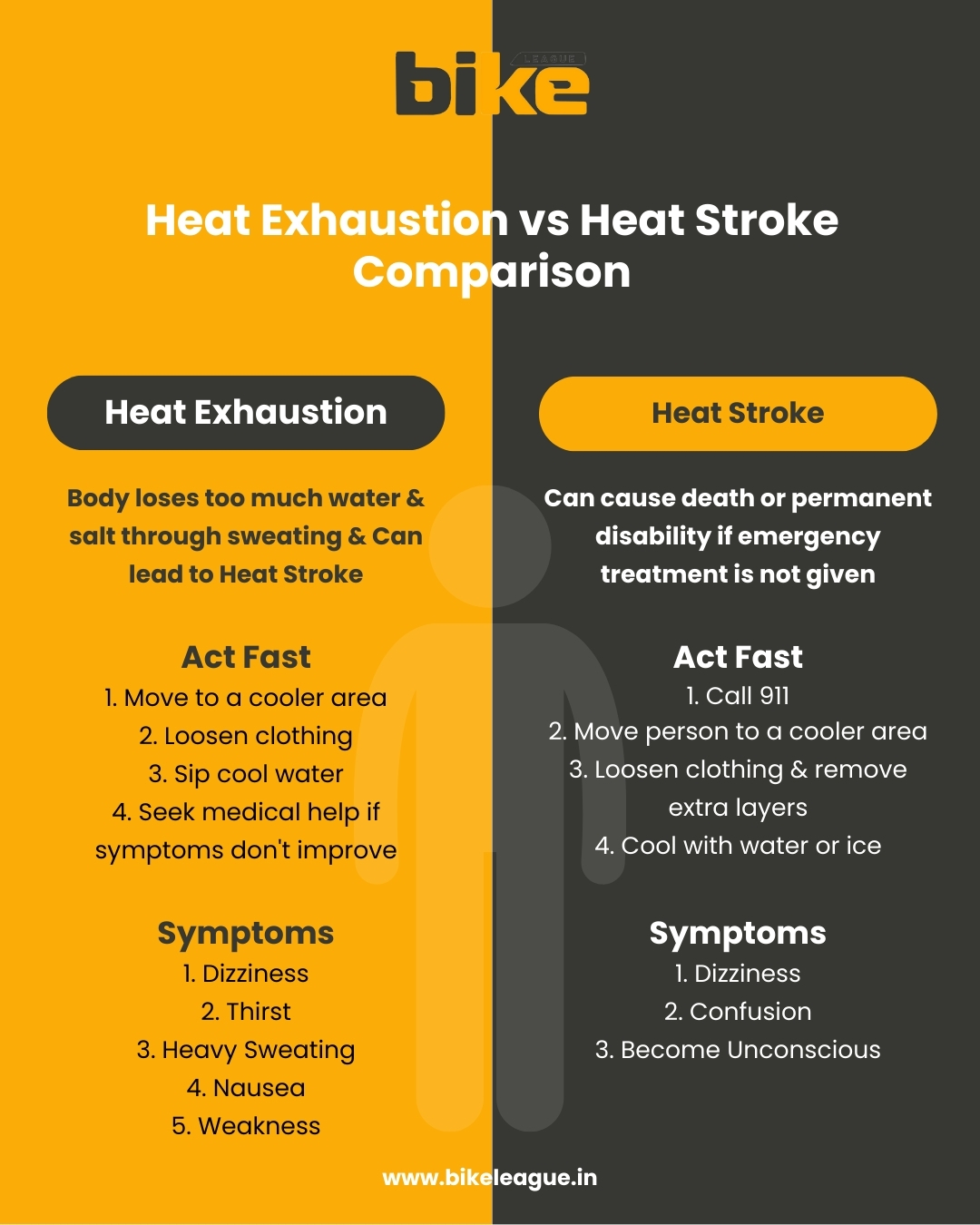
Before we get into first aid steps, it’s important to know the common heat-related illnesses that can affect motorcycle riders:
- Heat Exhaustion
- Heat Stroke
- Dehydration
This image shows the symptoms of heat-related illnesses. Knowing these signs early can help you get treatment quickly.
First Aid Measures For Heat-related Illnesses
1. Immediate Cooling
The main goal when treating heat-related illnesses is to lower the body’s core temperature as fast as possible. This is especially important in India, where summer temperatures can go above 40°C (104°F).
- Water Immersion: If possible, immerse the affected individual in cold water (1–17 °C). This is one of the most effective methods for rapidly lowering core body temperature.
- Evaporative Cooling: If water immersion is not feasible, use evaporative cooling techniques. Mist the skin with water and use fans to enhance evaporation, which helps cool the body.
- Ice Packs: To help reduce body temperature, place ice packs on key areas such as the groin, axilla (armpits), and neck.
2. Move To A Cooler Environment
- Immediately move the affected rider to a cooler, shaded area or an air-conditioned space if available.
- In urban areas, look for nearby buildings or shops that can provide shelter from the heat.
- In rural areas, seek shade under trees or use an emergency blanket to create shade.
3. Remove Excess Clothing
- Carefully remove the rider’s protective gear and excess clothing to facilitate cooling.
- If the rider wears a full-face helmet, remove it carefully to allow better air circulation around the head and face.
4. Hydration
Staying hydrated is key to managing heat-related illnesses, especially in parts of India with high heat and humidity.
- If the person is conscious and can drink, provide oral rehydration solutions or water.
- Use electrolyte power packs to maintain hydration and electrolyte balance.
- In severe cases or if the person is unable to drink, seek immediate medical assistance, as intravenous rehydration may be necessary.
5. Monitoring And Medical Assistance
- Continuously monitor the individual’s vital signs, including consciousness level, breathing, and pulse.
- If symptoms persist or worsen, getting the person to a healthcare facility as soon as possible is crucial.
- In urban areas, contact emergency services immediately. In rural areas where access to healthcare facilities may be limited, consider using motorcycle ambulance services like the Sangi Express, which are designed to provide essential transport for emergency care in difficult-to-reach areas.
6. Use Of Cooling Equipment
Utilise any cooling equipment available in your first aid kit:
- Apply cooling towels or bandanas soaked in water to the neck and other pulse points.
- If available, use instant cold packs to provide relief from heat and reduce swelling.
7. Burn Management
In case of sunburn or burns from hot motorcycle parts:
- Apply burn gel or cream to the affected areas. Some gels contain lidocaine for pain relief.
- Cover the burned area with sterile gauze to protect it from further damage.
Preventive Measures
Prevention is just as important as first aid when it comes to heat-related illnesses:
- Stay Hydrated: Encourage riders to use hydration systems like CamelBaks or hydration packs, allowing hands-free drinking while riding.
- Use Appropriate Gear: I recommend using ventilated gear, such as mesh jackets and pants, to improve airflow and reduce heat buildup.
- Take Regular Breaks: Advise riders to take frequent breaks in shaded or air-conditioned areas, especially during the hottest parts of the day.
- Use Cooling Vests: These vests use evaporative cooling technology to help keep the body fabulous in hot climates.
- Sun Protection: Emphasise the importance of sunscreen to protect exposed skin from UV rays and reduce sunburn.
Summer Motorcycle Riding Myths & Misconceptions
There are plenty of myths about summer riding. Here are some facts to clear them up:
1. Less Gear = Safer In Heat
Mesh gear does a better job than bare skin—it keeps you ventilated and protects from road rash or sunburn. Even if it feels hot, skipping gear is much riskier: heat exhaustion builds up over half an hour, but a fall at 40kmph can injure you instantly.
2. Only Expensive Gear Works
A ₹4000 mesh jacket from Decathlon or Rynox will keep you cooler than a ₹20,000 leather jacket in summer. In hot weather, ventilation matters much more than the brand name or price tag.
3. Engine Won’t Overheat If I Keep Moving
Stop-and-go traffic at 40°C means your radiator isn’t getting enough airflow. Don’t rely just on how the engine feels—keep an eye on the temperature gauge to catch overheating early.
4. A Wet T-shirt Is Fine For Cooling
Cotton t-shirts hold onto sweat and can feel clammy after a while. Synthetic base layers wick moisture away and help you stay drier all ride long.
5. Morning Rides = No Hydration Needed
Even a morning ride in full gear at 35°C can make you sweat out a litre per hour. Start hydrating before you feel thirsty—drink at least 500ml of water with ORS about two hours before your ride.
6. Tyres Handle Heat Fine
Hot roads can cause tyre pressure to rise sharply. Underinflated tyres are much more likely to overheat and can lead to blowouts, especially in the midday heat.
Faq About Bike Riding In The Summer In India
1. What Are The Best Times To Ride A Motorcycle During Indian Summers?
The best times to ride are early morning or late evening when temperatures are lower. Avoid riding between 12 PM and 3 PM when the heat is most intense.
2. How Can I Stay Cool While Riding In Extreme Heat?
Wear ventilated gear, use cooling vests or neck wraps, and choose moisture-wicking clothing. For additional cooling, consider installing small fans on your handlebars.
3. What Type Of Riding Gear Is Recommended For Summer In India?
Choose lightweight, ventilated jackets and pants made from abrasion-resistant materials. Opt for helmets with good ventilation and UV protection. Mesh gloves and perforated boots can also help keep you cool.
4. How Can I Prevent Dehydration During Long Summer Rides?
Carry a hydration pack or plenty of water, take regular breaks to drink, and avoid caffeinated beverages. Aim to drink 1-2 litres of water per hour during your ride.
5. What Maintenance Checks Should I Perform Before A Summer Ride?
Check tyre pressure, coolant levels, and brake fluid. Inspect the battery and electrical systems. Ensure the cooling system is functioning correctly to prevent overheating.
6. How To Protect Skin From Sunburn While Motorcycle Riding?
Use a high SPF, sweat-resistant sunscreen on exposed skin. Wear long-sleeved, light-coloured clothing and consider using a tinted visor on your helmet.
7. What Are The Signs Of Heat Exhaustion That A Motorcycle Rider Should Watch Out For?
Be alert for symptoms such as heavy sweating, dizziness, nausea, headache, and confusion. If you experience these, stop riding immediately, find a cool place, and hydrate.
8. How Can A Rider Ensure The Motorcycle Doesn’t Overheat?
Regularly check and maintain proper coolant levels, ensure good airflow to the engine, and avoid idling in traffic for extended periods. Consider using a coolant with a higher boiling point.
9. What Should Motorcycle Riders Do To Maintain Tyre Performance In Hot Weather?
Check tyre pressure frequently, as it can fluctuate with temperature changes. Inspect tyres for cracks or wear and replace them if necessary. Avoid over-inflation, which can lead to blowouts on hot roads.
10. Are There Any Specific Road Hazards For A Bike Rider To Be Aware Of During Indian Summers?
Be cautious of melted tar on roads, which can affect traction. Watch out for sudden rain showers in some regions, which can make roads slippery. In mountainous areas, be prepared for landslides due to melting snow.
Other Related Articles From Bikeleague India
- What all basic motorcycle accessories should a rider have
- Motorcycle disc brake – Everything you need to know
- Two wheeler tyres – Different types, pros & cons
- What is Motorcycle ABS? – Doubts, Queries and FAQ
- Bike coating – Choose the Right Coating for You
Conclusion
Riding through the Indian summer is not just about endurance. It’s about being prepared, picking the right gear, and paying attention to your body and your bike. If you follow the tips in this guide, you can turn a tough ride into a safe and memorable adventure.
Make sure to drink water often, wear protective and breathable gear, and keep your motorcycle well maintained. With the right attitude and a few precautions, you can enjoy summer rides while staying cool, confident, and safe.
If you have any questions, feel free to email us at bikeleague2017@gmail.com or share your thoughts in the comments below. We’re always happy to help. You can also connect with us on our social media accounts.