Overview
Performance And Engine
The KTM 200 Duke runs on a 199.5 cc single-cylinder, liquid-cooled, DOHC, fuel-injected engine made for high RPMs. This BS6 Phase 2 engine produces about 25 PS (19 kW) at 10,000 rpm and around 19.3–19.5 Nm of torque at 8,000 rpm, depending on the Indian model and test. KTM India calls this engine a “fire-breathing,” race-ready motor, built for quick throttle response and strong mid- to high-range power rather than low-end pull. Features like liquid cooling, multi-point fuel injection, and close gear ratios help the 200 Duke accelerate quickly from 40–100 km/h, making it feel faster than many other 200cc city bikes. Indian riders praise the engine for its quick throttle response, smooth power delivery, and ability to rev past 10,000 rpm, which adds to its sporty feel. The trade-off is that this focus on performance means fuel efficiency drops when riding fast or at high RPMs.
The KTM 200 Duke has a 6-speed manual gearbox, just like the previous model. Indian riders say the gearbox is smooth and precise, with easy shifts and a clutch that feels light to medium, making it good for both city and highway rides. The close gear ratios help keep the engine in its power band, especially when overtaking or shifting quickly on winding roads. The latest model does not have a quickshifter; instead, it uses a standard wet-plate clutch and a slipper clutch to control rear-wheel movement during hard downshifts.
Indian motorcycle media and spec sheets usually list the KTM 200 Duke’s top speed as 140–142 km/h. Most sources say the official figure is “over 140 km/h,” while some mention 142 km/h or “about 140 km/h” for the 2025/2026 models. In real-world tests, the bike can easily cruise at 110–120 km/h on highways, with the engine staying smooth and stable. Reaching top speed requires a long, open road and a more aggressive riding style, which also uses more fuel.
Mileage And Fuel Efficiency
The KTM 200 Duke has an ARAI-certified fuel efficiency of about 35 kmpl for the 200cc petrol version in India. Some sources mention 36 kmpl, but 35 kmpl is the usual claimed mileage. This figure comes from lab tests with steady riding and gentle throttle, so real-world mileage is often a bit lower or about the same, depending on your riding style and conditions. Since the engine is tuned for performance, it is less efficient than commuter-focused 160–200cc bikes, especially at mid-rev.
Indian users usually report real-world mileage for the KTM 200 Duke at about 35 kmpl, which matches the official figure in mixed conditions. Many owners see 30–32 kmpl in city traffic, where stop-and-go riding and short trips keep the engine at higher RPMs. On relaxed highway rides, mileage can reach 36–38 kmpl, especially when cruising steadily at 80–100 km/h and using the 6-speed gearbox to keep revs low. Aggressive riding, hard acceleration, and riding near top speed can drop mileage to the low 30s or even high 20s kmpl.
Features And Technology
The KTM 200 Duke is still one of the most aggressive and well-equipped 200cc naked bikes in India, blending KTM’s strong performance focus with more practical, tech-friendly features.
- Full LED lighting system: The KTM 200 Duke uses LED lighting across the board, including the headlamp, DRL style design elements, tail lamp, and turn indicators, giving it a modern, sharp look and better visibility in Indian traffic conditions.
- All digital instrument cluster: A fully digital TFT style multifunction display sits ahead of the handlebars, offering information such as speed, RPM, trip distance, fuel level, a real time fuel consumption read out, and rider assist indicators in a sporty layout.
- USB Type C charging port: The Duke 200 adds a USB Type C charging port on the handlebar side console, letting riders charge smartphones and navigation devices while riding, which is particularly useful for navigation heavy city and highway use in India.
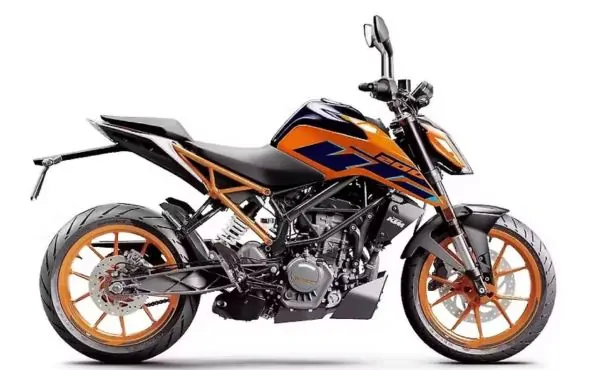
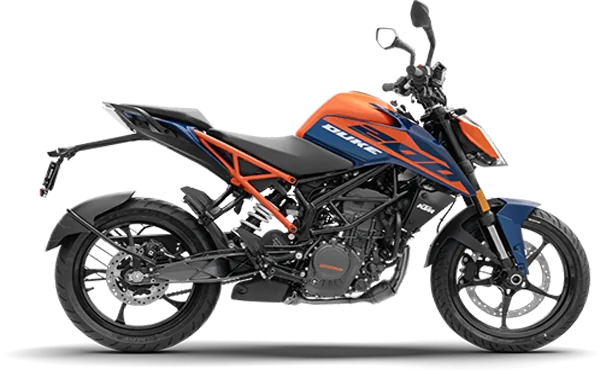
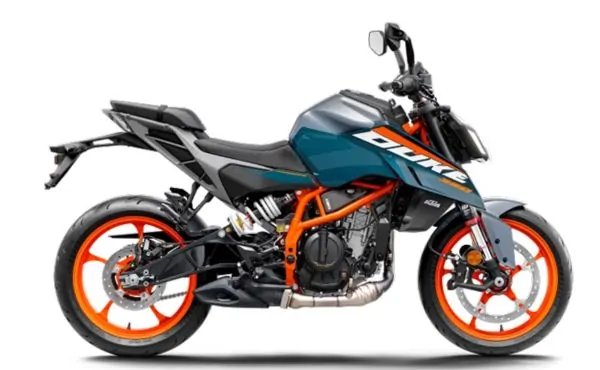
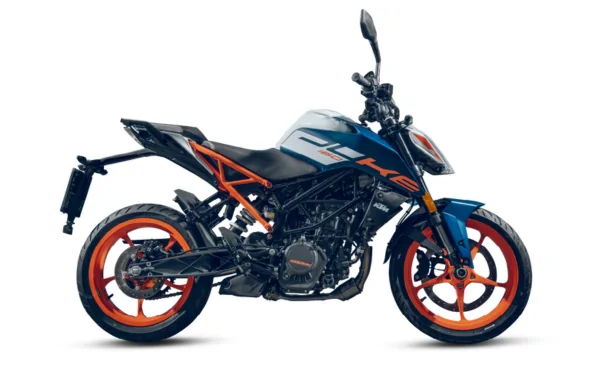
- New Atlantic Blue colour option: KTM has introduced an Atlantic Blue colour scheme alongside the existing livery options, giving the Duke 200 a more aggressive and contemporary visual identity while retaining the classic orange frame Duke styling.
- Lighter 5 spoke alloy wheels: The updated model borrows the lighter 5 spoke alloy wheel design from the 160 Duke and 250 Duke stable, shaving unsprung weight and improving overall handling feel in Indian city and highway conditions.
- Larger 320 mm front disc brake: KTM fits a 320 mm front disc (up from the older 300 mm unit) borrowed from the 250 Duke, providing stronger stopping power and better feel at higher speeds, which is beneficial on Indian highways and busy intercity roads.
- Dual channel ABS as standard: The Duke 200 retains dual channel ABS, tying the front and rear disc brakes to the braking electronics to reduce the risk of wheel lock and improve confidence in mixed Indian road and weather conditions.
- Upside down (USD) front forks: The front suspension uses inverted telescopic forks that are stiffer and more responsive than conventional units, enhancing cornering stability and feedback over broken Indian road surfaces.
- Monoshock rear suspension: At the rear, a single shock unit with preload adjustment allows riders to slightly tune the rear end for comfort when carrying a pillion or when encountering uneven loading on Indian roads.
- Rider centric ergonomics and seat height: The Duke 200 retains a relatively low seat height around 820 mm, making it accessible to a wide range of Indian riders, while the upright handlebar to peg triangle offers a sport naked, slightly aggressive riding posture.
- Redesigned pillion hardware: KTM has updated the pillion footrests and grab rail arrangement on the latest model, improving comfort and support for the rear rider, which is important for two up commuting in Indian cities and short highway trips.
- BS6 Phase 2–compliant engine hardware: Although this is an engine spec, the related hardware includes sophisticated electronic fuel injection (Bosch EFI), a liquid cooling system with a radiator, and emissions-control plumbing, all of which are visible and relevant to the bike’s overall feature set in India.
- Self start only with keyless style switch: The Duke 200 continues with electric self start only, integrating a keyless style switch and an ignition system that reduces mechanical complexity and aligns with modern Indian commuter naked conventions.
- Domestic connectivity and rider assist readiness: The on board electronics and ECU architecture are designed to support various rider assist functions and connectivity options, making the bike ready for future software based updates and feature branded campaigns in the Indian market.
- Compact trellis frame and aggressive stance: Built on a compact trellis frame with a short wheelbase, the Duke 200’s structure and stance are marketed as a “light heavyweight” naked package, translating into nimble handling and a strong presence in Indian showroom walks and city ride environments.
Build Quality
The KTM 200 Duke keeps its lightweight steel trellis frame and compact aluminium swingarm, which help the bike feel solid and stable on rough Indian roads. The frame is well-made, with clean welds and tight fits, reducing vibrations and flex even at high speeds. Indian users often praise the Duke 200 for its solid, premium feel in the 200cc class, with few reports of rattles or loose parts over time.
The fit and finish of the bodywork, tank panels, tail section, and instrument console are also strong points. Seams and panel gaps are tight, and the plastics feel sturdy, which matters for a bike often exposed to sun and rain in India. The orange trellis frame is a classic KTM touch that looks good and shows off the bike’s strong chassis. Most Indian users say noise and vibration are normal for this class, with the engine staying smooth in the city and only getting buzzy at high speeds.
The latest update also brings lighter 5 spoke alloy wheels directly from the Duke 160/250/390 family, which not only improve the visual appeal but also enhance build quality perception with a more upmarket, sporty look and better structural integrity than the older multi spoke designs. Suspension bushes, swingarm pivot points, and fork clamp hardware are generally rated as robust and well protected from dust and water, which matters a lot on Indian roads where under carriage corrosion can be a concern. Overall, the KTM 200 Duke comes across as one of the most “solidly built” 200cc nakeds in India, with a showroom fresh feel that typically lasts through the first few years of ownership.
Handling
The KTM 200 Duke really stands out for its handling on Indian roads, offering sharp agility and steady stability at higher speeds. Its short wheelbase, upright handlebar, and low seat make it easy to maneuver in city traffic, almost like a scooter, but it still feels stable on highways and during quick lane changes. The upside-down front fork and rear mono-shock are firm but not too harsh, handling rough roads and speed bumps without losing control.
Indian users repeatedly highlight that the Duke 200 feels light on its feet and incredibly flickable in corners, making it a natural choice for riders who enjoy tackling twisty backroads and hill routes around cities like Bengaluru, Pune, and the Western Ghats. The steering geometry is neutral, so the bike doesn’t feel nervous at high speeds on Indian national highways, but it still turns in quickly when the rider leans and looks through the corner. The addition of a larger 320 mm front disc brake (from the 250 Duke) significantly improves mid corner braking feel and stability, reducing dive and allowing more confidence inspiring late braking when slowing for city junctions or sudden traffic.
The Duke 200 runs 110/70 17 front and 140/70 17 rear tyres on the 5 spoke alloy wheels, which provide a good balance of grip and feedback for wet and dry Indian conditions. Users note that the bike feels communicative through the handlebars, with the front end transmitting clear feedback about grip and surface quality, while the rear maintains a planted feel even under strong acceleration after a tight corner. For city riding, the narrow profile and compact dimensions make lane splitting easy, and low speed U turns are manageable thanks to the manageable 159 kg kerb weight and well placed centre of gravity.
Comfort
Comfort on the KTM 200 Duke is much better than before, thanks to the new seat and improved ergonomics, which were common complaints on earlier models. The redesigned seat is thicker, more shaped, and a bit narrower, spreading pressure more evenly and reducing numbness on 45-minute to 1-hour city rides. Indian users now call the seat “surprisingly comfortable” for a Duke, a big change from the older, firmer seats many found uncomfortable on longer trips.
The seat height of around 820 mm is a sweet spot for most Indian riders, allowing easy flat footing while still keeping the bike low enough to feel manageable in traffic jams and tight parking lots. The handlebar position and footpeg placement create an upright, slightly sporty stance that is aggressive enough for performance riding but not so stretched that shorter riders feel cramped or fatigued. Many Indian users mention that the riding posture is comfortable for 60–90 minute city rides, with no major back or shoulder strain, as long as the rider isn’t constantly riding at very high speeds or in a purely track style tuck.
Pillion comfort has improved, but it still isn’t the best in its class. The updated pillion seat and grab-rail make short rides with a passenger more comfortable, but the seat is still narrow, and the rear suspension can feel firm with a heavier pillion on rough roads. Indian users say the Duke 200 is best for solo rides or occasional passengers, not regular long trips with two people. Wind protection is limited because of the naked-bike design, so riding above 100–110 km/h can cause some chest and helmet buffeting, but this is normal for bikes in this segment.
Styling
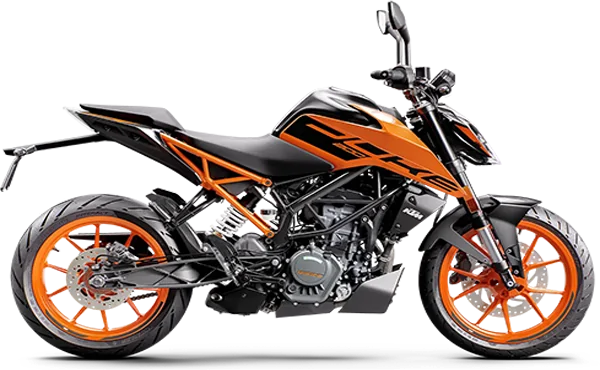
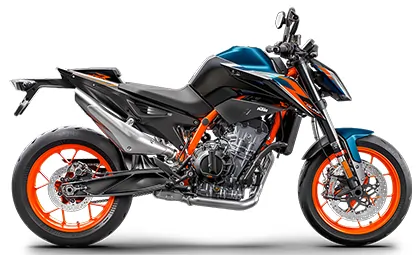
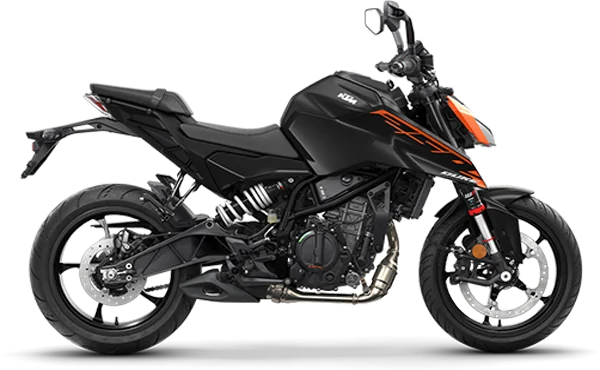
The KTM 200 Duke shows off a bold, aggressive streetfighter look with a compact fuel tank, high waistline, and tall, upright tail section that gives it a “mini hyper-naked” style. The exposed orange trellis frame is a standout feature, adding to KTM’s racing image and making the bike look bigger than a typical 200cc model.
The front of the Duke 200 features a split-headlight cowl and a sharp, beak-like nose, giving it a bold, aggressive look that fits KTM’s “Ready to Race” style. The full-LED lighting, including the headlamp, DRL accents, and indicators, gives the bike a modern, high-tech feel. The compact, angular tail lamp and short tail-cowl keep the rear looking sporty. Indian walkaround videos and photos often point out the bike’s clean lines and glossy paint, making it look more premium than many other 200cc bikes.
The latest update also brings 5 spoke alloy wheels inspired by the 160/250/390 Duke family, which give the bike a more aggressive, track oriented visual appeal compared with the older multi spoke units. The slimmer, reshaped seat and updated grab rail further sharpen the rear profile, while the black finish rear tyre hugger and subtle branding graphics keep the theme minimalistic yet sporty. Overall, the styling speaks directly to younger Indian buyers who want a “big bike look” in a 200cc budget, without compromising the compact footprint needed for city riding.
Color Options And Variants
For the latest model, KTM India offers the KTM 200 Duke in four distinct colour schemes, all tailored to different buyer tastes in the Indian market. The official KTM India page lists
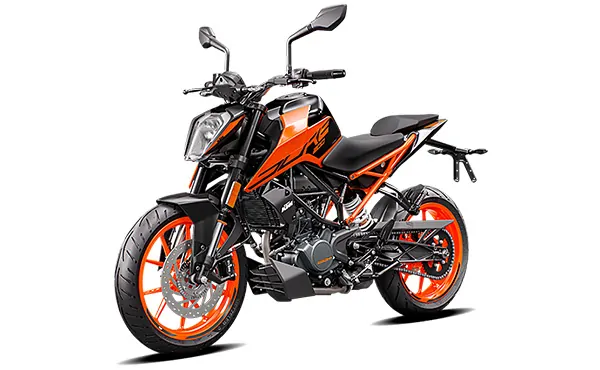
- Electronic Orange
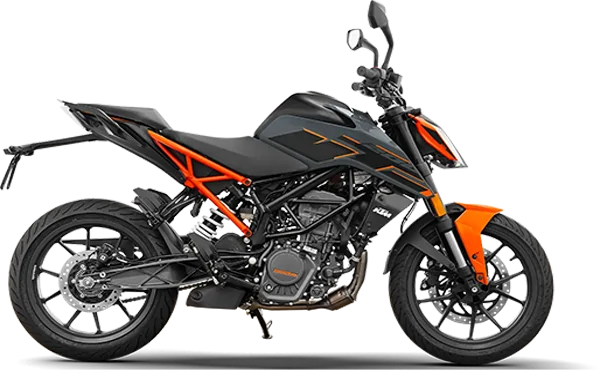
- Dark Galvano
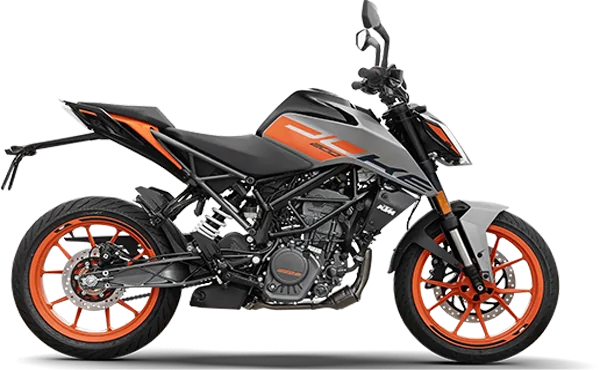
- Silver Metallic
- Atlantic Blue
as the available colours, with the new Atlantic Blue being the headline visual update for this year.
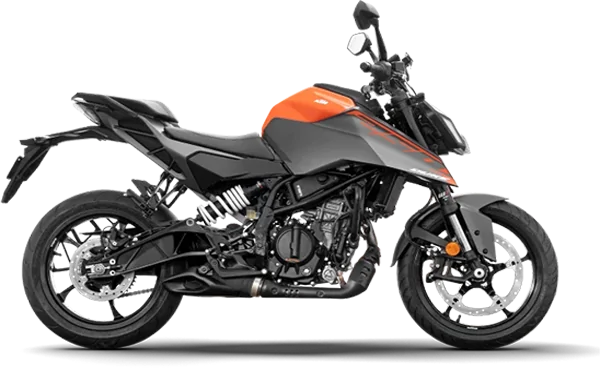
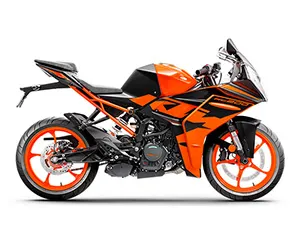
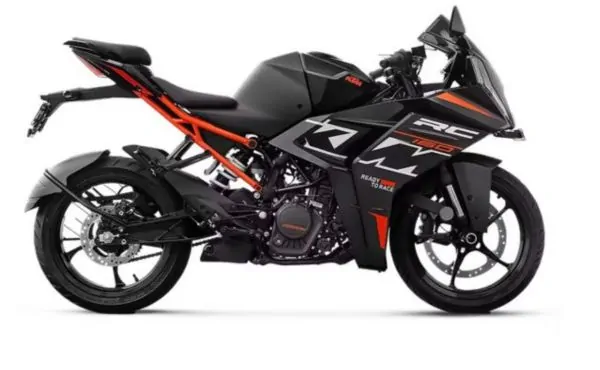
Electronic Orange is the classic Duke colour, with a bright, glossy orange body and black accents on the tank, headlamp, and rear, giving it a bold, youthful look for city riders. Dark Galvano is more subtle, with dark grey and black tones for a mature, stealthy style, but still features KTM’s orange logo and frame highlights. Silver Metallic offers a cleaner, more premium look with cool silver bodywork and matching graphics that show off the bike’s shape without being too flashy. The new Atlantic Blue, launched for 2026, combines mostly orange bodywork with electric blue highlights and decals on the tank, headlamp, and side panels, giving it a fresh, modern feel similar to the updated 390 Duke. Indian users say Atlantic Blue is aimed at younger, style-focused buyers who want a Duke that stands out without being too flashy.
In India, the KTM 200 Duke is sold as a single variant, with no separate trims for ABS levels, electronics, or feature packages. KTM keeps the 200 Duke line simple by offering one core specification globally, consistently showing the 200 Duke under “1 variant” rather than multiple grades such as S, R, or Tech pack. This single variant includes the full set of updates: a larger 320 mm front disc, lighter 5 spoke alloy wheels, a USB Type C charging port, Atlantic Blue style graphics across all colourways, and updated hardware, such as revised pillion footrests and a grab rail.
The price is uniform across all colours, which simplifies the buying decision for Indian customers; the choice mainly comes down to visual preference rather than mechanical or equipment differences. Indian spec portals also confirm that the Duke 200 does not get a dual channel ABS vs single channel options split or any lower cost “base” variant; the only divergence in the Duke lineup in India comes at the 160, 250, and 390 levels, where multiple variants or feature packs exist. For buyers focused purely on the 200 Duke, this means the latest model is effectively a single spec, single variant proposition dressed in four appealing colour schemes that span youthful, aggressive, and mature styling preferences.
Value For Money And Pricing
The KTM 200 Duke is priced from ₹ 2,05,588 ex-showroom, slightly above the older generation model it replaces. In most large cities, the ex showroom tag sits comfortably around the low to mid 1.9 lakh zone, creating a clear gap between popular 160cc nakeds and the more premium 250cc offerings. After factoring in RTO fees, road tax, and insurance, the on road price in metro areas typically moves into the mid 2.1 to low 2.3 lakh band, depending on state specific levies and local dealer add ons.
KTM keeps the price the same for all colour options, including the new Atlantic Blue. This means buyers pay the same amount whether they pick Electronic Orange, Dark Galvano, Silver Metallic, or the blue-accented version. It makes choosing easier and ensures everyone gets the premium Duke 200 experience without worrying about different prices for different colours.
Within the Duke family itself, the 200 Duke sits above the 160 Duke and well below the 250 Duke, forming a coherent price ladder that lets riders move up the displacement ladder without a sudden jump in cost. This pricing positioning also keeps the bike slightly above most mass market 200cc nakeds, reinforcing its image as a premium segment performance machine rather than an entry level commuter.
Whether the KTM 200 Duke is a good value depends on what you want—performance, handling, and brand image, or just the lowest price. It costs more than many other 200cc bikes, but it also offers better hardware, brakes, and features. The trellis frame, upside-down forks, bigger front disc, full-LED lights, digital display, and 6-speed gearbox all add to the cost but also make riding more enjoyable, especially for those who like a sporty ride.
For riders who care most about acceleration, cornering, and braking, the Duke 200 feels like a great deal. The KTM brand, BS6 Phase 2 compliance, and quality hardware also help it hold its value better than cheaper bikes. Its nimble handling, strong mid-range power, and reliable brakes make it a top pick for those wanting a “mini hyper-naked” experience in a 200cc bike.
On the flip side, the Duke 200 scores lower on value for money if the buyer’s primary metrics are fuel efficiency and low running costs. Many mass market 200cc rivals deliver better real world mileage and cheaper service parts, making them more economical for daily-commuting-focused users. However, when measured against its closest performance oriented peers, the Duke 200 is widely seen as a strong value proposition for riders who want a sport naked with track derived dynamics, modern safety tech, and a standout aesthetic, even if it means paying a bit more upfront.
Several 200cc and near 200cc nakeds line up directly against the KTM 200 Duke in the Indian market, both in terms of price and riding character. They are
- Bajaj Pulsar NS200
- TVS Apache RTR 200 4V
- Hero Karizma XMR
- The Yamaha R15 V4
- Suzuki Gixxer 250
- Bajaj Dominar 250
These bikes are attractive to buyers who want to stretch their budget a bit for a machine that feels more planted on highways and long distance rides. At the same time, riders who want to stay within the 200cc class often see the Hero Karizma XMR, Apache 200, and NS200 as more practical value options, even though they feel less track sharp than the Duke.
Within KTM’s own lineup, the 250 Duke sits above the 200 Duke and offers a larger 248.8 cc engine, more torque, and a more overtly sport naked profile. For buyers who can stretch their budget, this creates a natural upgrade path without moving to a different brand. Overall, the KTM 200 Duke fits into a niche where it competes with performance oriented 160–250cc nakeds and supersports, but its value shines brightest when buyers are willing to trade absolute cost leadership for KTM style aggression, modern hardware, and a strong brand image on Indian roads.