
Introduction
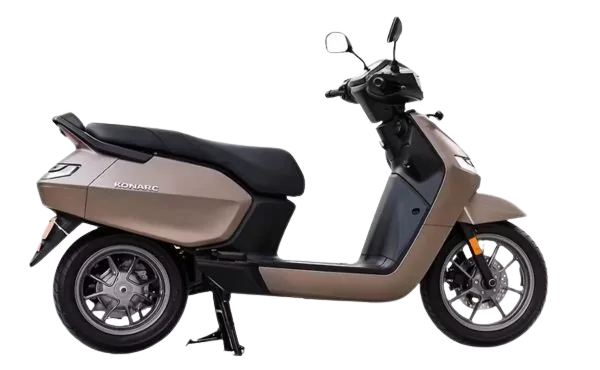
The Ather Konarc is an electric scooter made by Ather Energy for Indian families. It is the first model built on the new EL platform and sits below the sportier 450 series. Instead of focusing on speed, the Konarc is designed for daily commuting, easy use, built-in charging, and different range options. The Konarc S comes with three battery choices: 2.1 kWh (100 km IDC), 2.7 kWh (125 km IDC), and 3.5 kWh (161 km IDC). Ather has also announced a 200 km range version of the Konarc S and a more powerful Konarc Z for 2027, but these will not be available in 2026. The 125 km and 161 km models are expected in September 2026, and the 100 km version should arrive in early 2027.
Gallery
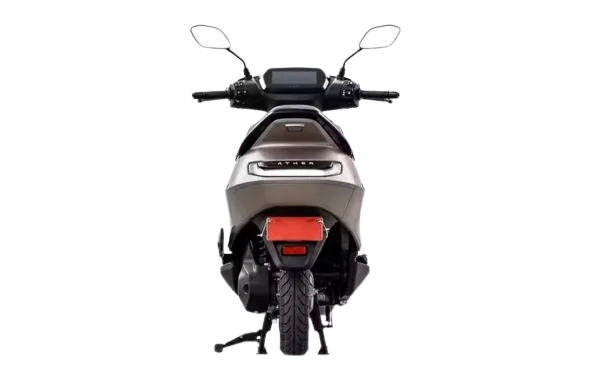
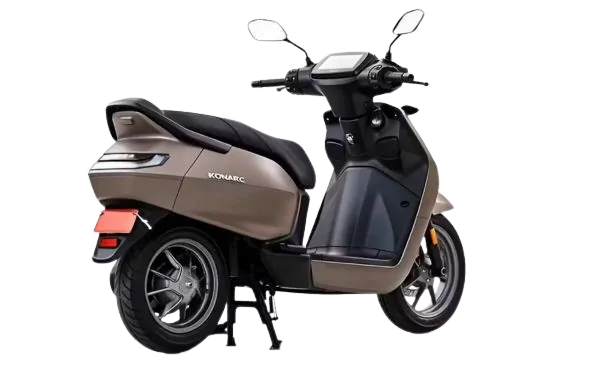
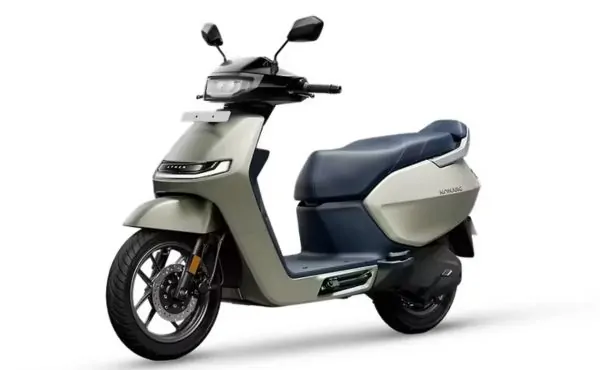
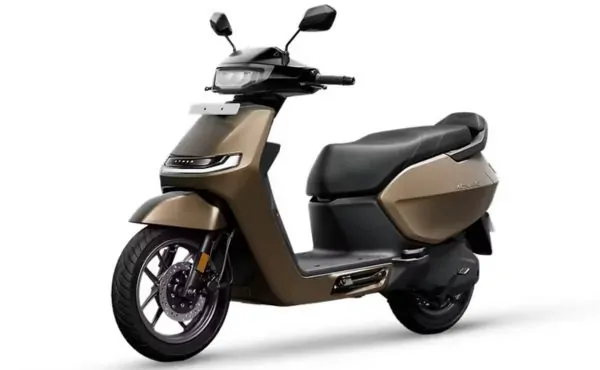
Key Specifications

Battery Type
2.1/2.7/3.5 KWh Lith-ion
Range
80-130 km/c
Power
5.4/6.4 PS
Torque
16 N.m
Max Speed
70 km/h
Charging Time
4/4.30/5.40 hrs
Rear Suspension
Monoshock
Kerb Weight
126.5/129 Kg
Ratings
- 80%
Performance
- 95%
Features
- 100%
Handling
- 100%
Comfort
- 100%
Build Quality
- 100%
Styling
- 95%
Value for Money
- 96%
Total
Ratings calculation is purely based upon pros and cons of the model given below in the overview section.
Price

Special Features
1
El Platform
2
Magickey
3
Autopop
4
Airwalk
5
Auto Hold
6
Fallsafe Protection
7
Adv Electronic Braking System
8
S-line Lcd Display
9
Smartphone Integration
10
Call And Sms Alerts
11
Ride Statistics
12
Over-the-air Updates
Full Specifications
| City | 100-130 km/c |
| Highway | 80-100 km/c |
| Motor Type | PMSM |
| Power | 5.4/6.4 PS |
| Torque | 16 Nm |
| Top Speed | 70 km/h |
| Transmission | Automatic |
| Battery Type | Lithium-ion |
| Speedometer | Digital |
| Odometer | Digital |
| Low Battery Indicator | Yes |
| Start Type | Self Start |
| USB Charging Port | Yes |
| Clock | Yes |
| Pass Light | Yes |
| CBS | Yes |
| Under Seat Storage | 34 Litre |
| Tyres (F) | 90/90 - 14tubeless |
| Tyres (R) | 100/90 - 12tubeless |
| Brakes (F) | Drum-130mm/Disc-220mm |
| Brakes (R) | Drum-130mm |
| Front Suspension | Telescopic Forks |
| Rear Suspension | Monoshock Absorbers |
| Kerb Weight | 126.5/129 kg |
| Ground clearance | 168 mm |
| Length*width*Height | 1915mm * 690mm * 1142mm |
| Seat height | 770 mm |
| Battery | 2.1/2.7/3.5kWh Lithium-ion |
| Charging Time (0-80%) | 4/4.30/5.40 hrs |
| Head Lamp | LED |
| Tail Lamp | LED |
Overview
Performance And Motor
The Ather Konarc S is fitted with a permanent-magnet synchronous motor (PMSM) that is mounted on the swingarm. The 2.1 kWh version produces a peak output of 4 kW, while the 2.7 kWh and 3.5 kWh models reach 4.7 kW. Each S model has a peak torque of 16 Nm.
The Konarc is made for city riding and families, not for high speeds. The 2.1 kWh S model goes from 0 to 40 km/h in about 5 seconds, while the 2.7 kWh and 3.5 kWh versions do it in about 4.7 seconds. This is enough for daily traffic, overtaking, and crossing flyovers, though it is slower than the sportier 450 models.
The vehicle offers three driving modes: Power, Eco, and Smart Eco. Power mode gives the quickest throttle response and is good for fast city driving. Eco and Smart Eco are meant to save battery and work better in traffic with frequent stops, on long trips, or when you want the most range.
The Konarc S can climb slopes up to 16 degrees, which is enough for most flyovers, apartment ramps, parking exits, and moderate hills. Steeper slopes or carrying a passenger or heavy load will use more energy and reduce the range.
The Ather Konarc has a fully automatic electric drivetrain, with no clutch, manual gearbox, or foot shifter. To speed up, just turn the throttle, and the motor sends power straight to the rear wheel.
This design works well in Indian cities because it helps reduce tiredness in traffic, makes stop-and-go riding easier, and is simple to handle in parking lots, basements, offices, and markets. The scooter feels smooth and predictable without gear shifts, which is helpful for new riders and families.
Electric motors provide instant torque, so the Konarc feels quick at low speeds, even though it is less powerful than high-end electric vehicles. However, your range will decrease if you accelerate hard, use Power mode often, carry a passenger, or ride on steep or crowded roads.
No matter which Konarc S you choose, whether it is the 100 km, 125 km, or 161 km model, all have a top speed of 70 km/h. This is enough for city roads, suburbs, flyovers, and daily commutes, but not for long, high-speed trips on motorways.
Ather says the upcoming Konarc Z will have a top speed of 80 km/h, but it will not be available until 2027. If you are considering the Konarc S for 2026, its top speed will be 70 km/h.
The Konarc works best at 70 km/h on city and suburban roads. Riding at top speed all the time uses more energy than going at 35 to 55 km/h, which lowers the range. It’s better to keep some battery reserve instead of planning trips that use the full claimed range.
Charging Time
Since every Konarc S has a built-in 450 W charger, you can use a standard household plug, so you don’t need to bring an extra charger. Ather also offers a 450 W portable charger that works with the built-in charger, enabling up to 900 W of power and faster charging.
With the 450 W charger built into the scooter, charging the 2.1 kWh model from 0 to 80% takes about 4 hours. The 2.7 kWh model takes 4 hours and 30 minutes, and the 3.5 kWh model takes 5 hours and 40 minutes. The easiest way to keep the scooter charged is to plug it in overnight or while at work.
| Konarc S version | Battery capacity | Standard 450 W onboard charger, 0–80% | Combined charger system, 0–80% |
|---|---|---|---|
| S 100 km | 2.1 kWh | About 4 hours | About 2 hours |
| S 125 km | 2.7 kWh | About 4 hours 30 minutes | Roughly 2–3 hours |
| S 161 km | 3.5 kWh | About 5 hours 40 minutes | About 3 hours 10 minutes |
Using either charger reduces charging time to about two to three hours, depending on battery size. For the 2.7 kWh model, ask your dealer for the exact charging time.
With both chargers, you get about 13 km of range in 10 minutes with the 100 km model and up to 15 km in 10 minutes with the bigger battery versions. This is handy for a quick charge during the day, but check if your model comes with a portable charger or if you need to buy one separately.
The more expensive Konarc models can use the Ather Grid public charging network, which offers more options than home charging. Locations, availability, connector type, access hours, and charging speed may vary.
Range
Instead of giving the km/l figures typical of petrol engines, Ather provides the IDC range numbers for the Konarc. IDC is a standard test cycle used to compare electric vehicles, but real-life range can differ.
| Konarc S version | Battery capacity | Official IDC range |
|---|---|---|
| S 100 km | 2.1 kWh | 100 km |
| S 125 km | 2.7 kWh | 125 km |
| S 161 km | 3.5 kWh | 161 km |
Ather has revealed a future 200 km IDC model of the Konarc S, but it will not be on offer when the vehicle is launched in 2026. The 200 km figure applies to the 3.5 kWh version, but treat it as preliminary until Ather provides final details on the battery, price, and availability.
The IDC range will drop if you accelerate hard, use Power mode often, carry a passenger or heavy load, ride on steep or rough roads, have underinflated tyres, get stuck in traffic, ride in extreme heat, or as the battery ages. To get closer to the claimed range, use the throttle smoothly, pick Eco or Smart Eco mode, keep tyres properly inflated, carry less weight, and ride at moderate speeds.
TrueRange figures are also provided, and these are more suitable for everyday use than the higher IDC figures. The Konarc S should provide about 80 km of range with the 2.1 kWh model, 100 km with the 2.7 kWh model, and 130 km with the 3.5 kWh model. These values are a more reliable estimate for driving on typical Indian roads.
The top Konarc S model with a 3.5 kWh battery has a range of about 130 km in Eco mode. If you ride in Sport mode or use more power, the range drops to around 90 to 100 km. Since the Konarc is new, there isn’t much long-term owner data yet, so Ather’s TrueRange numbers are the best guide for now.
| Riding pattern | Konarc S 100 km | Konarc S 125 km | Konarc S 161 km |
|---|---|---|---|
| Ather TrueRange / normal planning figure | About 80 km | About 100 km | About 130 km |
| Smooth Eco or Smart Eco riding | Around 75–85 km | Around 90–105 km | Around 115–130 km |
| Power mode, pillion, rough roads, or faster use | Around 60–70 km | Around 75–90 km/td> | Around 90–105 km |
If you travel less than 50 to 60 km a day and can charge often, the 2.1 kWh Konarc S is a good choice. The 2.7 kWh model is better if your daily trips are between 70 and 80 km and you want extra range. Go for the 3.5 kWh model if you often ride 90 to 100 km a day or want to avoid charging every day. In any case, it’s safer to keep some battery charge instead of running it down to empty.
Features And Technology
The Ather Konarc is an electric scooter for families, built on Ather’s new EL platform. Features depend on the model. The S series focuses on affordability and daily use, while the newer Konarc Z versions offer higher specs like a TFT display and Advanced Electronic Braking System.
- EL platform: The Konarc is the first production scooter based on Ather’s EL platform, developed to support multiple battery sizes and feature levels. This allows the S range to offer different practical-range options and gives the platform scope for higher-spec Z versions.
- MagicKey: MagicKey is Ather’s keyless access feature. The scooter recognises the paired key or device, simplifying lock, unlock, and start routines without repeatedly using a conventional mechanical key. Demonstrate the phone/key pairing process and backup-access method before purchase.
- AutoPop: AutoPop is a convenience function introduced on the Konarc. Its exact use and operation may vary by variant, and you should check this before purchase.
- AirWalk: AirWalk is Ather’s low-speed manoeuvring assistance. It uses motor assistance to help move the scooter during parking and tight-space handling, reducing effort in apartment basements, crowded markets, office parking areas, and inclines.
- Park Assist and reverse aid: The Konarc includes Park Assist, which helps move the scooter slowly in reverse. This is useful when backing out of a parking slot, repositioning in a narrow space, or moving on an incline.
- Auto Hold: Auto Hold keeps the scooter stationary after it stops, reducing the need to hold the brake lever constantly. It can be convenient at traffic signals, flyovers, parking ramps, basement exits, and sloped junctions.
- FallSafe protection: FallSafe is designed to detect a potential tip-over or fall and cut power to the motor. It can reduce the risk of unintentional acceleration if the scooter is knocked over or loses balance.
- Advanced Electronic Braking System: The higher Konarc Z variants receive Ather’s Advanced Electronic Braking System, or AeBS. This system is intended to improve braking performance across different road surfaces, reduce stopping distance, and minimise rear-wheel lock-up. It may not be standard on all Konarc S variants.
- Front-disc and rear-drum brakes: The Konarc uses a front disc brake and rear drum brake arrangement. This is a typical practical setup for a family scooter, providing stronger front braking while keeping the rear system simple and cost-conscious.
- Combined Braking System: CBS links braking effort to improve stability during braking. The system is particularly helpful for newer riders or panic-braking situations, although it does not replace progressive braking, tyre maintenance, or safe following distance.
- S-line LCD display: Konarc S variants use an LCD instrument cluster. It provides essential riding information in a simpler, more cost-focused format than the Z line’s touchscreen.
- Z-line seven-inch TFT touchscreen: Konarc Z variants get a seven-inch TFT touchscreen display. This higher-end console supports additional connected features and interface functions compared to the S-line LCD unit.
- Bluetooth and 4G connectivity: The Konarc supports Bluetooth and 4G connectivity, allowing the scooter to communicate with a paired smartphone and access compatible online connected functions. Availability depends on the variant, network coverage, active subscription, and software version.
- Smartphone integration: The connected system links the scooter with a smartphone for compatible ownership tools and alerts. This gives the rider access to selected vehicle information and connected services without relying entirely on the dashboard.
- Turn-by-turn navigation: The Konarc provides turn-by-turn navigation, helping riders follow routes through dashboard prompts. This is especially useful in unfamiliar areas and reduces dependence on mounting a phone on the handlebar.
- Call and SMS alerts: On the connected-display versions, the dashboard can show call and text-message notifications from a paired smartphone. Riders should avoid reading or interacting with notifications while the scooter is in motion.
- Music controls: The Z variant’s connected TFT system supports music controls. Riders should set playlists or adjust controls only while stationary or use appropriate hands-free arrangements.
- Ride statistics: The dashboard and connected system can show trip-related and riding information. This can help owners review energy use, trips, and routine scooter usage.
- Over-the-air updates: The Konarc supports OTA software updates, allowing Ather to deliver compatible software improvements without requiring every update to be installed at a service centre. Update timing and functions may depend on the active software version.
- Integrated 450 W onboard charger: All current Konarc S variants have a 450 W onboard charger. This removes the need to carry a main charger separately when using an appropriate socket away from home, adding convenience for apartment, workplace, and occasional away-from-home charging.
- Optional portable charging support: Ather offers a portable charger that can work with the onboard system for faster combined charging. Inclusion, price, required electrical connection, and charging improvement may vary by battery variant.
- Battery-size choice: The Konarc S is available with 2.1 kWh, 2.7 kWh, and 3.5 kWh battery packs, carrying 100 km, 125 km, and 161 km IDC claims, respectively. This lets buyers choose a battery based on commute length and charging convenience, rather than paying for unnecessary capacity.
- Three ride modes: Power, Eco, and Smart Eco modes let the rider choose stronger throttle response or more conservative energy use. Power suits brisk city riding, while Eco and Smart Eco are intended to maximise range.
- Side-stand safety: The Konarc includes a side-stand sensor that helps prevent riding away with the side stand deployed. This is a useful safeguard during everyday starts from parking areas.
- 31-litre under-seat storage: The Konarc offers 31 litres of storage beneath the seat. This gives room for daily items such as rain gear, documents, chargers, shopping, and certain helmet types, making it better suited for family errands than a scooter with limited boot space.
- Under-seat boot lamp: A light inside the under-seat storage space improves visibility when looking for items after dark, in basement parking, or during early-morning commutes.
- 18 W USB Type-C charging port: The scooter includes an 18 W USB Type-C port for charging a phone or compatible device. It is useful when phone navigation, calls, or long days away from a charger drain the device’s battery.
- Rectangular LED headlamp and LED DRL: The Konarc has a rectangular LED headlamp and a curved LED daytime-running light integrated into the front apron. These improve visibility and give the family-oriented scooter a more modern visual signature.
- Metal side panels and steel frame: The Konarc uses metal side panels over a steel frame. This combination aims to give the scooter a more solid, durable feel while retaining a cost-conscious chassis structure.
- 14-inch front and 12-inch rear wheels: The Konarc uses a larger 14-inch front wheel and 12-inch rear wheel. The larger front wheel should help it roll more confidently over potholes and road joints, while the smaller rear wheel supports compact packaging.
- Long single-piece seat: The scooter has a long, single-piece seat designed to provide more room for both the rider and pillion. This is important for a family scooter likely to be used for shared commuting, school runs, and local errands.
- Integrated grab handle and backrest: Ather provides an integrated rear grab handle and backrest to improve pillion security and comfort. This gives the Konarc a practical advantage for riders who often carry a family member or passenger.
- Ten-year battery warranty: The Konarc comes with a 10-year battery warranty, which may include provisions for capacity retention, annual-kilometre limits, transferability, exclusions, charging requirements, and the claims process.
Build Quality
The Ather Konarc is built as a mass-market family electric scooter, but its construction differs from Ather’s earlier plastic-panel-heavy products. It uses a steel unibody chassis with metal rear-side body panels, a combination intended to improve structural integrity, impact resistance, and the everyday solidity Indian family-scooter buyers expect.
The Konarc uses a traditional scooter layout to focus on durability. It has a handlebar-mounted LED headlamp, a separate horizontal LED daytime-running light in the apron, a long single-piece seat, a wide floorboard, and an integrated rear grab rail. These practical and familiar features make the scooter easier to use for daily commuting, school runs, shopping, and family use.
Early owner feedback is positive. Users like the sturdy metal body, clear LED lighting, and suspension performance, and initial ratings are high. However, these reviews are from a small group, so they don’t guarantee long-term durability, corrosion resistance, electronic reliability, or service quality.
A few details are worth checking at delivery. Piano-black trim elements may be prone to scratches, so buyers should inspect those panels, paint quality, panel gaps, seat hinges, the under-seat storage latch, the charger-port flap, switchgear, the rear grab rail, wheel finish, brake levers, and LCD or TFT display response before accepting the scooter.
Handling
The Konarc is tuned for predictable, easy family use rather than sporty cornering. Its chassis package includes a long 1,352 mm wheelbase, a relaxed rake angle, a 14-inch front wheel, and a 12-inch rear wheel. This combination is designed to give the scooter a planted feel over uneven roads and help it remain stable during longer urban and suburban rides.
The larger 14-inch front wheel is a major handling advantage on Indian roads. It should roll more smoothly over potholes, road joints, broken patches, and shallow undulations than a scooter with smaller wheels at both ends. The Konarc is described as stable over rough surfaces and settled rather than twitchy when road quality deteriorates.
Despite weighing up to 129 kg in higher-battery versions, the Konarc is praised for manageable low-speed behaviour. It is easy to place in traffic and uncomplicated during U-turns, narrow gaps, and parking manoeuvres. Filtering through traffic and moving around a parking lot requires little effort, with the long wheelbase adding stability without making the scooter cumbersome.
The Konarc isn’t designed for the sharp handling of the Ather 450X. Instead, it feels neutral, stable, and predictable, which is good for families and first-time EV buyers. It feels light and easy to ride, but the handlebar might touch your leg at full steering lock. Check for this during a test ride, especially if you are tall or often make tight turns in crowded parking areas.
The braking system uses a front disc and rear drum arrangement with CBS, while the higher Konarc Z range adds Advanced Electronic Braking System technology. Some higher-end functions are reserved for later or more expensive variants.
Comfort
Comfort is the Konarc’s central strength. It has a broad, long one-piece seat, a generous floorboard, upright ergonomics, a padded rear grab rail, and an optional LoungeBack accessory that provides an adjustable pillion backrest with lumbar support. These details make it better suited for everyday family use than sportier Ather scooters.
The scooter has telescopic front forks with 90 mm of travel and a rear monoshock with 100 mm of travel. This long-travel setup helps absorb potholes, rough roads, speed breakers, and uneven surfaces while keeping the scooter stable. The suspension is soft enough to handle bumps without making the scooter feel unsettled, and the ride quality is excellent. The front wheel and longer travel help it handle poor roads well.
Early feedback is mixed. Some users find the Konarc more comfortable and stable than other scooters on rough roads, but they also notice a slight jitter over small bumps. The front suspension gets a lot of praise, but the rear is a bit firm over sharp bumps and can send some impact to the rider’s back. This means the Konarc should work well on most city roads and bigger bumps, but riders on very rough routes should test it first.
The riding posture is relaxed and accessible. The rider triangle is comfortable, the floorboard sufficient even for larger riders, and the seat wide enough for two large adults. The handlebars are easy to reach and reasonably wide, reducing the cramped, knee-up feeling sometimes found on compact scooters.
For pillion comfort, the long seat, integrated grab rail, and LoungeBack option are meaningful advantages. The large seating area gives both occupants more usable space, while the padded support is especially relevant for older passengers, family members, and regular two-up commuting.
A proper test ride should include slow traffic, tight turns, parking manoeuvres, speed breakers, uneven asphalt, potholes, and a short ride with a pillion. Pay particular attention to the rear suspension’s response over sharp bumps, whether the wide seat supports you after 30–45 minutes, whether the handlebar contacts your leg at full lock, and whether the 14-inch front wheel and long wheelbase provide the confidence you expect on your usual routes.
Styling
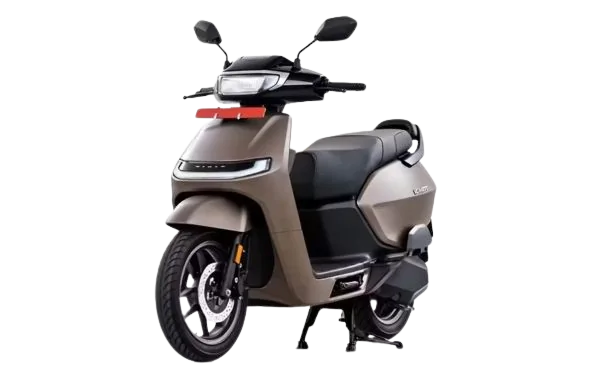
The Ather Konarc has been designed as a conventional, family-friendly electric scooter rather than a futuristic performance scooter. Its overall profile is upright and proportionate, with a broad front apron, practical floorboard, long single-piece seat, and a substantial rear section that accommodates a grab rail and pillion support. The design is intended to feel familiar to buyers moving from petrol scooters such as the Honda Activa, TVS Jupiter, or Suzuki Access, while still looking distinctly electric and modern.
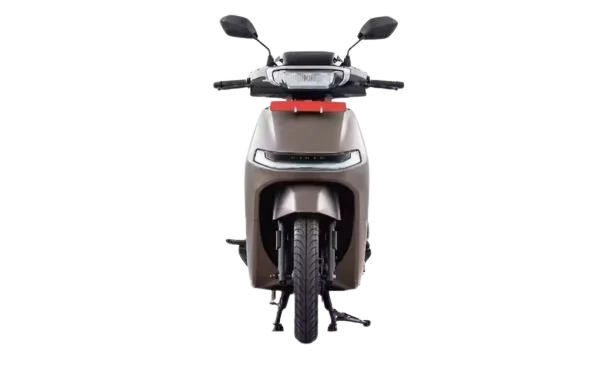
At the front, the Konarc has a rectangular LED headlamp on the handlebar and a curved horizontal LED daytime-running light in the apron. This gives the scooter a unique lighting look without being too aggressive or complicated. Together, the headlamp and DRL create a simple, modern style that should appeal to buyers looking for a neat electric scooter for daily family use.
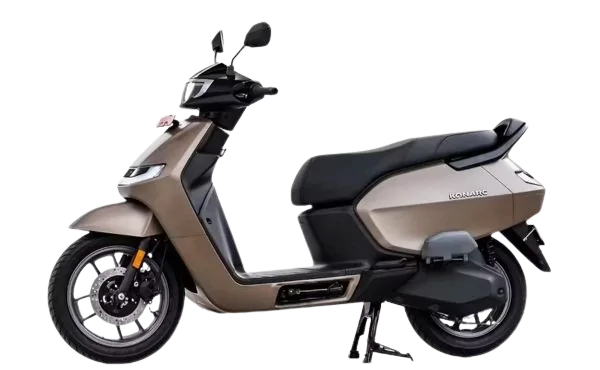
The side profile features relatively simple body panels, a long seat, a roomy floorboard, and a compact rear. The scooter uses metal side panels and a steel unibody frame, which give it a more substantial, durable appearance than an all-plastic scooter. The 14-inch front wheel and 12-inch rear wheel also contribute to a slightly taller, more planted stance, especially from the front three-quarter angle.
Ather has kept the Konarc’s design restrained rather than flashy. It lacks the sharp, angular bodywork of the 450X or the bulky proportions of certain large-battery electric scooters. Instead, it focuses on a practical shape, useful passenger accommodation, and a clean visual identity. The long seat, rear grab handle, pillion backrest arrangement, and large under-seat storage area reinforce that family-oriented approach.
Colour Options And Variants
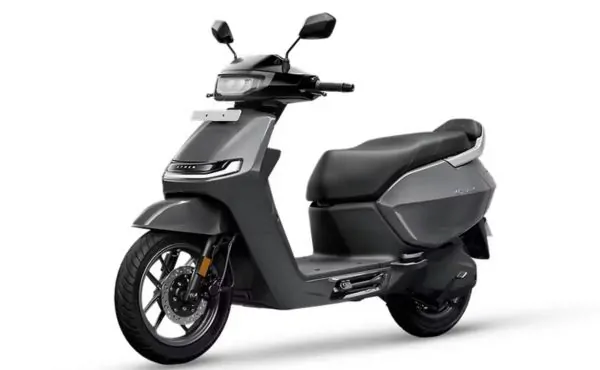
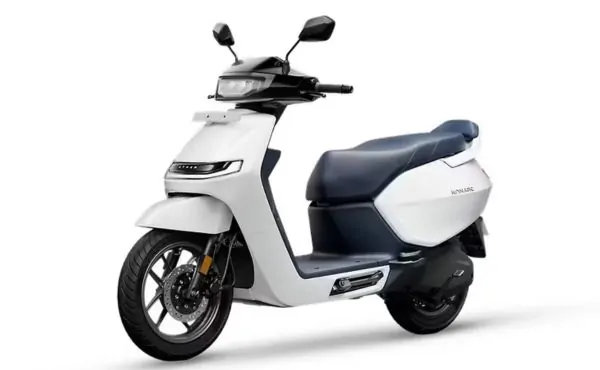
The current Konarc S range is listed with four India-spec colour combinations:
- Quartz White
- Majestic Grey
- Celestial Gold
- Lumen Copper
Individual shades are available depending on the battery variant.
The entry-level S 100 km version is available only in Quartz White with Blue and Majestic Grey with Black. The S 125 km and S 161 km versions also come in Celestial Gold with Blue and Lumen Copper with Black. Steel Blue and Claret Red have also been mentioned for future higher-end Konarc Z variants, but these should not be treated as standard Konarc S colour options until Ather confirms their availability, price, and delivery timing.
Ather has announced six Konarc variants across two product lines:
- Konarc S
- Konarc Z
For 2026, the active customer-facing range is centred on the S line, while the Z range is planned as a higher-performance extension. The S versions target practical everyday riding and have a claimed top speed of 70 km/h; future Z models are expected to raise this to 80 km/h.
| Konarc version | Battery capacity | Claimed IDC range | Claimed top speed | Availability position |
|---|---|---|---|---|
| Konarc S 100 | 2.1 kWh | 100 km | 70 km/h | Entry-level S model |
| Konarc S 125 | 2.7 kWh | 125 km | 70 km/h | Mid-range S model |
| Konarc S 161 | 3.5 kWh | 161 km | 70 km/h | Longest-range currently listed S model |
| Konarc S 200 | Not finalised publicly | 200 km | 70 km/h | Announced future S version |
| Konarc Z 125 | Not finalised publicly | 125 km | 80 km/h | Announced future Z version |
| Konarc Z 161 | Not finalised publicly | 161 km | 80 km/h | Announced future Z version |
The Konarc S 100 is the entry-level version, using a 2.1 kWh battery with a 100 km IDC claim. It is designed for shorter urban commutes, neighbourhood use, student travel, and family errands where convenient regular charging is available. Its lower battery capacity helps keep the purchase price accessible, starting at ₹80,000 ex-showroom at launch.
The Konarc S 125 uses a 2.7 kWh battery and claims 125 km IDC range. It provides a more useful daily buffer for riders who travel farther, often carry a pillion, or want to charge less often. It offers the same family-scooter character as the entry model while adding flexibility for city and suburban use.
The Konarc S 161 is the longest-range Konarc S version currently listed. Its 3.5 kWh battery claims 161 km on the IDC cycle and is the best current S choice for riders with longer daily routes, frequent two-up travel, or a larger charge reserve. It is also eligible for all four regular colour combinations.
The announced Konarc S 200 is expected to become the flagship range-focused S variant, with a stated 200 km IDC claim. Since Ather has not yet publicly finalised its battery capacity, price, or delivery schedule, buyers should not assume it has the same equipment or cost as the 3.5 kWh S 161.
The future Konarc Z 125 and Konarc Z 161 are expected to be more performance- and technology-oriented, with an 80 km/h top-speed claim, a seven-inch TFT touchscreen, and an Advanced Electronic Braking System. Final pricing, battery specifications, feature distribution, colour choices, and availability are subject to confirmation.
Value For Money And Pricing
The current Konarc S line-up has three announced variants. The entry S 100 uses a 2.1 kWh battery and is priced at ₹ 99,999 in New Delhi; the S 125 uses a 2.7 kWh battery and the top active S 161 uses a 3.5 kWh battery.
The headline ₹99,999 price makes the S 100 one of the more accessible branded family EVs, but availability remains a question. Reports indicate that the S 125 and S 161 were scheduled for delivery from mid-September 2026, while the S 100 was due later, in early 2027. Buyers should therefore confirm current delivery status rather than assuming that every announced version is immediately available.
On-road costs will vary across India after insurance, registration-related charges, accessories, portable-charger purchase, connectivity packages, and dealer-level items. The vehicle’s final price can be meaningfully different from the ex-showroom figure, so ask for a written quotation that names the exact battery variant, includes charger details, and separates mandatory charges from optional products.
Ather has announced future Konarc S 200 and Konarc Z variants, but it has not announced pricing for the Z 125 and Z 161. The 200 km S and Z models should be considered future line-up additions, not current alternatives to the active S 100, S 125, and S 161.
The Konarc S 100 is the best value for riders with short daily trips and reliable overnight charging. At ₹80,000, it costs less than the entry-level TVS iQube and Bajaj Chetak, while offering a 100 km IDC range from its 2.1 kWh battery. It’s best for daily use under 50–60 km, leaving enough range for traffic, carrying a passenger, and battery ageing.
The Konarc S 125 is arguably the best balance for many households. Its price and 125 km IDC claim put it close to the TVS iQube 3.1 kWh, Bajaj Chetak C3001, and Vida VX2 Go 3.1. It is a sensible option for buyers who regularly travel around 50–75 km per day and want more reserve than the entry S 100 without paying for the largest battery.
The Konarc S 161 makes the most sense for higher-mileage urban or suburban riders. Its 3.5 kWh battery and 161 km IDC claim give more flexibility for riders who travel 70–100 km a day, frequently carry a pillion, or prefer not to recharge every evening. It directly overlaps with the TVS iQube 3.5 kWh and Bajaj Chetak C3502, so choose it for its wider front wheel, Ather ecosystem, integrated charger, practical storage, and local service support—not merely for its claimed range.
The built-in 450 W charger is one of the Konarc’s most practical ownership advantages. It reduces the need to carry a bulky charging brick, while an optional portable charger can be paired with it to increase charging output. Ather also highlights a 10-year/1,00,000 km battery warranty, 10,000 km scheduled service intervals, and connected features such as Park Assist, AutoHold, USB Type-C charging, theft alerts, tow alerts, and remote charging-status monitoring. These ownership details can improve value if the buyer has nearby Ather service support and uses the scooter frequently.
The main value warning is simple: do not pay for battery capacity you will not use. If your round-trip commute is only 20–30 km and you can plug in at home, the S 100 or S 125 should be more rational than the S 161. Conversely, a rider regularly covering 80–100 km with a pillion should avoid relying on the smaller pack’s maximum IDC claim and consider the S 161 or a competing larger-battery scooter.
The Konarc’s principal Indian competitors are:
The closest rival changes with the chosen Konarc version: the S 100 competes on entry price, the S 125 is a mid-range family EV, and the S 161 competes with premium higher-range versions of the iQube and Chetak.
Choose the Konarc S 100 when price discipline, short city travel, and regular charging are the priorities. Choose the S 125 for a broadly balanced family scooter, and choose the S 161 only when regular longer commutes, pillion use, and a meaningful range reserve justify the higher price. This approach will generally deliver better value than selecting the most expensive model only for its IDC claim.
Before booking, compare the total on-road cost—not just sticker price—against a similarly ranged TVS iQube, Bajaj Chetak, Hero Vida VX2, Ola S1 Z, or Simple Wave. Verify current delivery availability, the included charger and charging time, home-parking electrical access, local service-centre quality, battery-warranty terms, and the actual range margin required by your daily route. These ownership factors will determine whether the Konarc is truly good value in your city.
Verdict
The Ather Konarc is a practical family electric scooter for Indian buyers who want comfort, stable handling, good storage, easy built-in charging, and the support of Ather’s established network. The S 100, S 125, and S 161 versions let buyers choose between a lower price and more range, making the lineup fit both short city trips and longer commutes. Its long seat, roomy floorboard, 31-litre under-seat storage, 14-inch front wheel, 10-year battery warranty, and 10,000 km service intervals make it a strong choice for families, daily errands, and regular two-person rides.
Still, pick the Konarc based on your real daily needs, not just the IDC range numbers. The S 100 makes the most sense for short commutes and tight budgets, the S 125 is probably the best all-rounder for most families, and the S 161 is for those who travel longer distances or want to charge less often. Remember, real-world range will be lower than the 100 km, 125 km, and 161 km IDC claims, especially with a passenger, in Power mode, at higher speeds, on hills, rough roads, or in heavy traffic. Before booking, check the exact features, portable charger price, AtherStack Pro subscription, delivery status, warranty, local service, and final on-road price compared to similar options like the TVS iQube, Bajaj Chetak, Hero Vida VX2, Ola S1 Z, and Simple Wave.
Pros
- Excellent comfort and practicality: The long-travel suspension, 14-inch front wheel, spacious floorboard, long seat, pillion support, and 31-litre boot make the Konarc well-suited to Indian city roads, family use, daily errands, and regular two-up riding.
- Integrated charger convenience: The built-in 450 W onboard charger means owners don’t need to carry the main charger separately. An optional portable unit can be combined with it for faster charging when required.
- Battery options for different needs: Buyers can choose from 2.1 kWh, 2.7 kWh, and 3.5 kWh battery packs with 100 km, 125 km, and 161 km IDC claims. This lets short-distance commuters avoid overspending while higher-mileage users can select the larger battery.
- Useful long-term ownership package: Ather offers a 10-year battery warranty and 10,000 km service intervals, while its established service, software, connected features, and Ather Grid ecosystem improve convenience compared with many newer EV brands.
- Easy, stable handling: The long wheelbase and 14-inch front wheel help the Konarc remain stable on potholes, road joints, speed breakers, and everyday broken tarmac, while retaining manageable low-speed city manners.
Cons
- Top variants are expensive: The S 125 and S 161 overlap in price with established family EVs such as the TVS iQube and Bajaj Chetak. The Konarc S 161 is not automatically the best value at this price.
- Current S models are not fast: The active Konarc S variants have a claimed top speed of 70 km/h. They suit city and moderate suburban use, but aren’t ideal for regular fast-road or highway travel.
- Real range is lower than IDC: The 100 km, 125 km, and 161 km figures are certified test-cycle claims. Real range will fall with Power mode, higher speeds, a pillion, traffic, hills, rough roads, and heavy loads.
- Key features vary by variant or require an add-on: The base S 100 has a simpler spec, while some connected functions and advanced features require AtherStack Pro or are reserved for future Konarc Z versions. Check the exact equipment list before booking.
- Fixed battery and moderate charging speed: The battery cannot be removed, and the standard 450 W onboard charger takes about 4–5 hours 40 minutes to charge from 0–80%, depending on battery size. It works best for riders with dependable home or workplace charging.
Frequently Asked Questions About Ather Konarc
1. What Battery And Range Options Does The Ather Konarc S Offer?
The Konarc S comes in three variants: a 2.1 kWh battery with 100 km IDC range, a 2.7 kWh battery with 125 km IDC range, and a 3.5 kWh battery with 161 km IDC range. Real-world TrueRange figures are lower — about 80 km, 100 km, and 130 km, respectively.
2. How Long Does The Konarc S Take To Charge?
Using the built-in 450 W onboard charger, the 2.1 kWh model takes about 4 hours (0–80%), the 2.7 kWh model about 4 hours 30 minutes, and the 3.5 kWh model about 5 hours 40 minutes. Pairing it with the optional 450 W portable charger cuts these times to roughly 2–3 hours depending on battery size.
3. What Is The Top Speed Of The Konarc S, And How Does It Compare To The Upcoming Konarc Z?
All current Konarc S variants (100 km, 125 km, and 161 km versions) have a top speed of 70 km/h. The upcoming Konarc Z, expected in 2027, will offer a higher top speed of 80 km/h along with a 7-inch TFT touchscreen and Advanced Electronic Braking System (AeBS).
4. What Is The Price Of The Konarc S, And When Will Each Variant Be Available?
The entry-level S 100 (2.1 kWh) is priced at ₹80,000 ex-showroom in New Delhi. The S 125 and S 161 were scheduled for delivery from mid-September 2026, while the S 100 was expected to arrive later, in early 2027.
5. What Safety And Convenience Features Does The Konarc S Include?
Key features include FallSafe (cuts motor power in a tip-over), Auto Hold, Park Assist with reverse aid, AirWalk low-speed manoeuvring assist, a side-stand sensor, Combined Braking System (CBS) with a front disc/rear drum setup, MagicKey keyless access, Bluetooth/4G connectivity with turn-by-turn navigation, an 18 W USB-C port, 31-litre under-seat storage, and a 10-year battery warranty.
Other Related Links From Bikeleague India
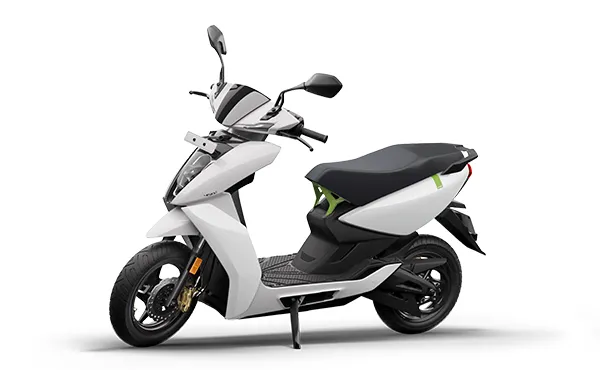
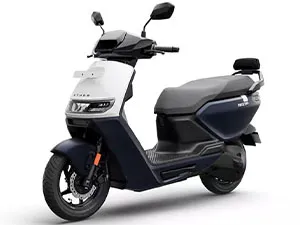
List Of All Ather Electric Scooters In India
About Ather Electric Scooters
Ather Energy is a top electric two-wheeler maker in India, recognized for its tech-driven scooters, smart software, in-house battery packs, and fast-growing charging and retail network. Started in Bengaluru in 2013 by Tarun Mehta and Swapnil Jain, Ather has evolved from an IIT Madras-backed startup to a public EV company. Its products include the high-performance 450 series and the family-friendly Rizta.
Ather stands out in India’s EV sector because it focused early on engineering, software, charging, and the overall ownership experience. Instead of just making a battery-powered scooter, Ather created a connected platform with its Atherstack software, Ather Grid chargers, Experience Centres, and service network.
Ather Energy started in October 2013 and is based in Bengaluru, Karnataka. Founders Tarun Sanjay Mehta and Swapnil Babanlal Jain set out to build high-quality electric scooters designed for Indian roads.
The company first built a prototype electric scooter, then launched the Ather S340 in 2016. Its first commercial model, the Ather 450, came out in 2018 and helped Ather become known as a premium electric scooter brand.
Since then, Ather has reached two main types of customers:
| Product family | Main target buyer | Key identity |
|---|---|---|
| Ather 450 series | Enthusiasts and urban commuters | Performance, technology, sporty handling |
| Ather Rizta | Families and practical daily users | Comfort, storage, everyday usability |
| Future EL-platform products | Price-sensitive and wider-market buyers | Greater accessibility and pan-India expansion |
The 450 series features models like the 450S, 450X, and 450 Apex. The Rizta marks Ather’s move into the popular family scooter market, and its success has helped drive the company’s growth in retail and production.
History And Growth
Ather started as an electric mobility startup at IIT Madras. Early on, it raised money from investors, including Hero MotoCorp, which later became a major shareholder.
Ather’s first big milestone was unveiling the S340 electric scooter in February 2016. The Ather 450 launched in 2018, along with the first Experience Centre and the start of its charging network.
Ather added the 450X in 2020, the 450S in 2023, and the limited 450 Apex in 2024. The Rizta, launched in 2024, was a key step, as it took Ather into the wider family-scooter market.
| Year | Major Development |
|---|---|
| 2013 | Ather Energy was founded in Bengaluru by Tarun Mehta and Swapnil Jain. |
| 2016 | The company unveiled its first scooter, the Ather S340. |
| 2018 | Ather 450 launched; first Experience Centre and charging network initiatives began. |
| 2020 | Ather introduced the 450X. |
| 2021 | First Hosur manufacturing facility commenced operations. |
| 2022 | A second Hosur facility began operations. |
| 2023 | Ather launched the 450S. |
| 2024 | Ather launched the 450 Apex and Rizta; cumulative sales reached 341,113 electric two-wheelers. |
| 2025-26 | Retail expansion accelerated, with a target of 700 Experience Centres by the end of FY2026. |
Ather has grown fastest in southern India, where it built strong brand awareness, more charging stations, and a solid dealer network. Now, the company is focusing more on other regions to become less dependent on the south.
Key Milestones And Developments
Ather has done more than just launch electric scooters. It has built a full EV ecosystem with connected software, navigation, charging, Experience Centres run by dealers, and battery pack manufacturing.
Ather Grid, the company’s charging network, is one of its most visible achievements. It gives Ather owners public charging and is a key part of the ownership experience, especially for those who want reliable daily and city travel.
Ather also improves its connected vehicle experience with Atherstack, its software platform. Updates let the company add or improve features even after purchase, setting it apart from regular petrol scooters.
| Milestone | Details |
|---|---|
| First prototype | Ather S340 unveiled in 2016. |
| Commercial entry | Ather 450 launched in 2018. |
| Charging ecosystem | Ather Grid became part of the company’s charging and ownership strategy. |
| Connected technology | Ather stack software supports navigation, connectivity, diagnostics, and over-the-air updates. |
| Performance portfolio | 450X, 450S, and 450 Apex strengthened Ather’s sporty premium identity. |
| Family segment entry | Rizta expanded Ather into the practical family-scooter category in 2024. |
| Public-market milestone | The business transitioned to Ather Energy Limited in 2024 as part of its public-company journey. |
| Retail scale-up | The company had 600 stores by Q3 FY2026 and expected to reach 700 by the end of that financial year. |
Manufacturing Facilities
Ather’s main factory is in Hosur, Tamil Nadu, where it runs two plants: one for assembling electric two-wheelers and another for making battery packs. By the end of 2024, these facilities could produce 420,000 scooters and 379,800 battery packs each year.
The Hosur plants are important because Ather builds both scooters and battery packs there, using lithium-ion cells from suppliers. Making its own battery packs gives Ather more control over this key and costly part.
Ather is building a third factory at Bidkin in AURIC, Chhatrapati Sambhaji Nagar, Maharashtra. This new plant will boost production and help the company expand to more regions.
| Facility | Location | Primary Role |
|---|---|---|
| Hosur Factory 1 | Hosur, Tamil Nadu | Electric two-wheeler assembly. |
| Hosur Factory 2 | Hosur, Tamil Nadu | Battery-pack manufacturing. |
| Current Hosur capacity | Tamil Nadu | 420,000 electric two-wheelers and 379,800 battery packs annually, as of December 2024. |
| Factory 3.0 | Bidkin, AURIC, Chhatrapati Sambhaji Nagar, Maharashtra | Planned capacity expansion and future product production. |
| Expected total capacity | Across facilities | Around 1.42 million electric two-wheelers annually after Maharashtra expansion. |
The Maharashtra plant matters because it puts Ather closer to western and northern markets and connects it to a strong network of auto suppliers. The plant will open in stages, not all at once.
Market Position And Achievements
Ather is one of India’s best-known electric scooter companies. It competes with big names like TVS, Bajaj, Ola Electric, Hero MotoCorp’s VIDA, and other regional EV makers.
Ather started out as a premium, performance-focused brand, but the Rizta has helped it reach more customers. By appealing to families, commuters, and those seeking storage and comfort, Ather has grown its sales while maintaining its tech-focused reputation.
Ather’s retail growth is a big recent achievement. It passed 500 Experience Centres in 2025, had 600 stores by Q3 FY2026, and aims to reach 700 by the end of FY2026.
| Area | Ather’s position |
|---|---|
| Market category | Leading Indian pure-play electric two-wheeler manufacturer |
| Core strengths | Product engineering, software, charging ecosystem, brand experience |
| Performance portfolio | Ather 450 series |
| Family-scooter offering | Ather Rizta |
| Retail presence | 600 stores by Q3 FY2026 |
| Retail target | 700 Experience Centres by end-FY2026 |
| Manufacturing capability | 420,000 annual E2W capacity at Hosur as of December 2024 |
| Expansion focus | Northern, western, eastern, and central India |
Ather’s biggest strength is its integrated ownership ecosystem. Its products, software, charging, service, and retail all work together as one system. This approach can build customer loyalty, but it also means spending more on expanding the network and supporting customers.
Future Plans
Ather plans to reach more customers, boost production, grow its store network, expand its software business, and start exporting.
Right now, Ather’s main goal is to expand its retail network. It plans to have 700 Experience Centres by the end of FY2026, focusing on tripling its presence in northern India and growing in the west and east.
Ather is also working on new electric scooters using its EL platform. This will let the company offer more affordable models and compete in a wider price range, including below ₹1 lakh.
Ather is getting ready to expand internationally. It has talked about entering some Southeast Asian and Latin American markets, where electric scooters could be very useful for city travel.
| Future focus | Planned direction |
|---|---|
| New product platforms | Launch products based on the EL platform. |
| Wider price coverage | Target more affordable and mass-market EV segments. |
| Retail network | Grow to 700 Experience Centres by end-FY2026. |
| Production | Commission the Maharashtra factory in phases and expand total capacity. |
| Software revenue | Develop Ather stack-led software, connectivity, and non-vehicle revenue streams. |
| International markets | Explore exports and market entry in Southeast Asia and Latin America. |
| Geographic growth | Scale up in north, central, east, and west India. |
Ather Energy has grown from a Bengaluru startup into one of India’s top electric two-wheeler companies. Its success comes from early engineering investments, the premium 450 range, the family-friendly Rizta, the Ather Grid charging network, and a growing retail presence across India.
Ather’s future growth depends on scaling up manufacturing, launching more affordable products, expanding service and charging beyond the south, and making its new Maharashtra plant a success. If it meets these goals, Ather can become a leading electric mobility brand in India for the long term.
Other Related Links From Bikeleague India
User Reviews
There are no reviews yet. Be the first one to write one.

Hiran Narayanan
Founder & CTO at Bikeleague India
Hiran Narayanan is the Founder and CTO of Bikeleague India, bringing over 15 years of experience in motorcycle technical writing. He develops detailed analyses, tools, model overviews, and blogs that contribute to bikeleague.in's improving rankings.