
Long story short: Royal Enfield brand has a rich history; many do not know the unknown facts about the company and its models. Want to know those facts and the evolution of Royal Enfield? It’s time to check those.
Motorcycle fans everywhere recognize the name royal Enfield. The brand stands out for its classic style and solid engineering, with a history that goes back more than a hundred years. Beyond its famous sound and design, Royal Enfield’s journey is filled with interesting stories and facts. In this article, we’ll explore what makes Royal Enfield special. It’s a brand built on heritage, resilience, and innovation.
Key Takeaways
- Royal Enfield is one of the world’s oldest motorcycle brands in continuous production, with a heritage dating back over a century.
- The company is renowned for its classic designs and robust engineering, which have made its motorcycles iconic across generations.
- Royal Enfield played a significant role in both military and civilian life, with models like the Bullet widely used by the armed forces.
- The brand has achieved surprising milestones, including innovative engineering feats and record-setting journeys.
- Beyond motorcycles, Royal Enfield symbolises resilience, tradition, and a commitment to evolving while honouring its storied past.
Brief Historical Facts About The Brand Royal Enfield
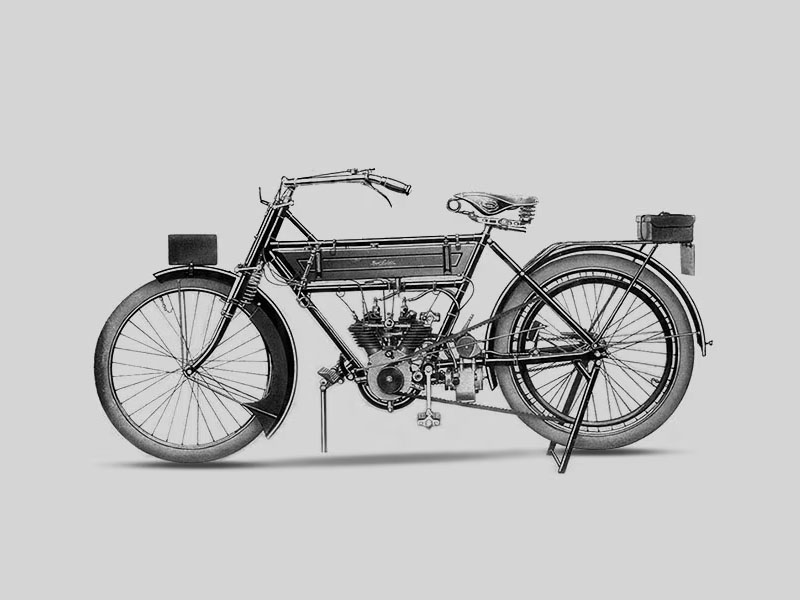
The company began in 1893 as the Enfield Manufacturing Company, producing precision parts for the Royal Small Arms Factory in Enfield, England. Before making motorcycles in 1901, it made sewing needles and bicycles under the name Gunder Thesen & Co. Today, it is Royalbrand. Enfield is one of the world’s oldest motorcycle brands. Its story started in Redditch, Worcestershire, UK, where it first made bicycles, gun parts, and stationary engines before building its first motorcycle in the early 1900s.
During the World Wars, the company played an important role for the Allied forces. Its most famous contribution was the “Flying Flea” (RE/WD 125cc), a lightweight motorcycle made to be dropped into combat zones with paratroopers. The well-known slogan “Made Like A Gun” comes from the company’s early work making rifle parts, which built its reputation for durability. Many people think Royal Enfield made firearms, but it actually supplied precision parts, and this focus on quality shaped the brand’s identity.
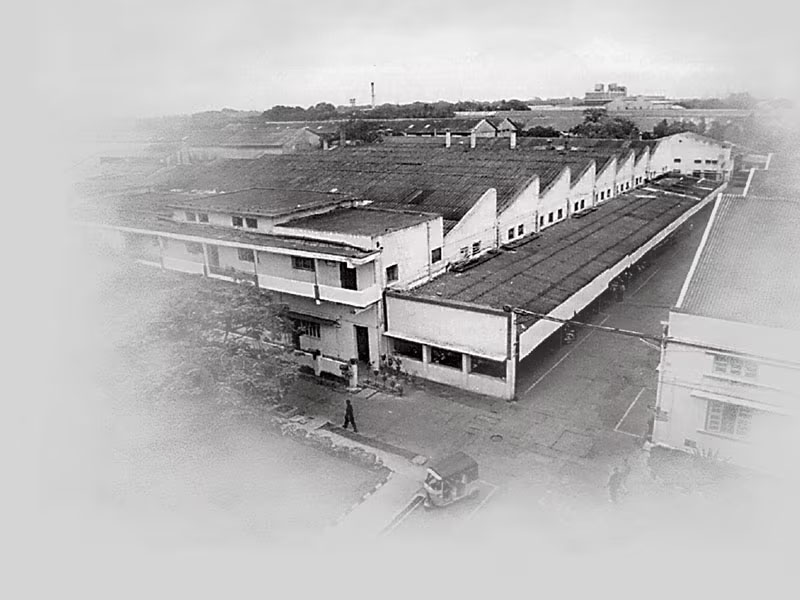
Royal Enfield’s journey has moved from classic designs to modern engineering, while keeping its special charm. Over the years, the brand has improved performance, technology, and comfort for riders. These updates have helped Royal Enfield keep its classic style and meet the needs of today’s riders. The brand’s connection with India began in the 1950s, when the Indian government chose the Bullet for its army and police, mainly for patrolling tough border areas. This led to the creation of Enfield India in 1955 in Chennai (then called Madras), where motorcycles were first assembled from imported kits.
By 1962, all production had moved to India. Even after the original UK company closed in 1971, the Indian branch rebranded as “Royal Enfield” and kept growing. The company has a long, colorful history and many loyal fans. There are still many lesser-known facts and models that most people haven’t heard about. Want to learn more? Let’s explore these details together.
Unknown Facts About The Royal Enfield Brand
1. Oldest Motorcycle Brand In Continuous Production
Established in 1901, Royal Enfield is the world’s oldest motorcycle brand, and it has been continually producing bikes.
2. Origins In Needles
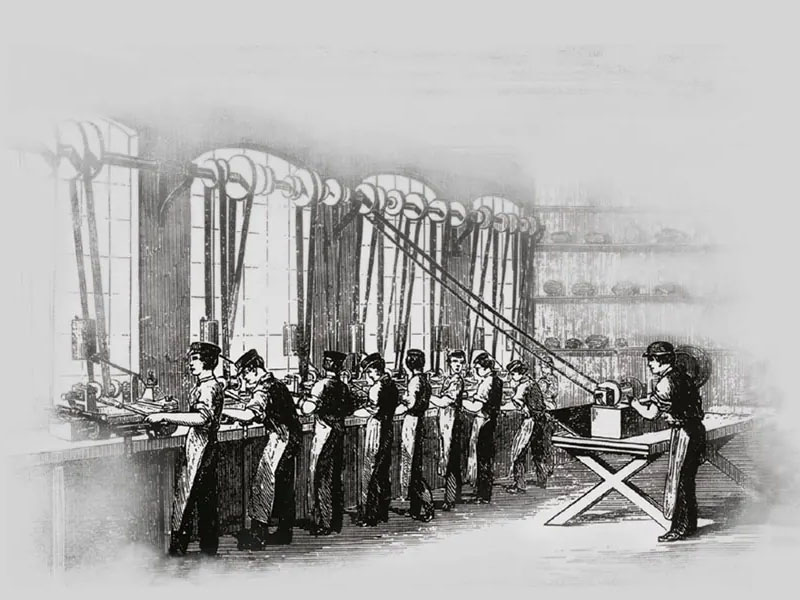
Before creating iconic motorcycles, the company started as George Townsend & Co., a needle and bicycle manufacturer in 1893 in Redditch, Worcestershire. These bicycles were named ‘Enfield Cycle Company’ and showcased the company’s commitment to precision engineering.
3. Royal Connection
The “Royal” in the name comes from a contract to build parts for the Royal Small Arms Factory, Enfield—thus, Royal Enfield was born.
4. Military Contributions
Royal Enfield played a significant role during both World Wars, supplying motorcycles to the armed forces. During World War I, their sidecars were equipped with machine guns.
5. The Lightweight’ Flying Flea’
During World War II, the company produced the RE/WD 125cc, commonly known as the ‘Flying Flea.’ Due to its lightweight frame, it was air-dropped behind enemy lines to assist paratroopers.
6. Bullet’s Legendary Run
The Bullet is the world’s longest-running production motorcycle, made without interruption since 1948. Its ongoing popularity shows how much riders appreciate its classic design and reliable performance.
7. Indian Government’s Choice
Enfield India was set up in 1955 when the Indian government picked the 350cc Bullet for its police and army. Initially, the bikes were put together using British parts, but by 1962, everything was made in India.
8. Rifle Myth
Though famous for the “Made Like A Gun” slogan, Royal Enfield never mass-produced firearms. It supplied precision parts, which anchored its reputation for rugged reliability.
9. The Royal Enfield Brand Is Older Than Harley-davidson
Royal Enfield is one of the oldest motorcycle brands in the world, and it’s even older than Harley-Davidson. Its long history highlights the brand’s lasting appeal and solid engineering.
10. Hand-pinstriped Tanks
For years, skilled workers in Chennai hand-painted the tanks of the Royal Enfield Classic 350 and Bullet 350. Each tank was finished by hand until machines started doing the job.
11. Testing In Extreme Environments
Royal Enfield tests its bikes in challenging places like the Himalayas and the Rajasthan Desert. This thorough testing makes sure their motorcycles can handle all kinds of tough conditions.
12. Extreme Endurance
Standard production Himalayans have reached the top of Khardung La in the Karakoram during winter, starting out in temperatures as low as –30°C.
13. Royal Enfield Brand Re-entry Into Racing
After many years away from racing, Royal Enfield returned to the track in the 2010s. The brand celebrated its racing history by entering classic races with the Continental GT.
14. Diesel Motorcycle Experiment
In the 1980s and 1990s, Royal Enfield launched a special diesel model called the ‘Taurus’ in India. It didn’t sell much, but it showed the brand’s willingness to experiment.
15. The “royal Babe-e” Or “flying Flea”
In 2025, Royal Enfield announced its first full-production electric motorcycle, possibly named the “Royal Babe-E.” It was developed with the European company Stark Future and leading local suppliers. The Flying Flea FF.C6 is Royal Enfield’s first electric bike, inspired by its WWII history.
13. Rebirth Of The Interceptor
The Interceptor, a popular classic from the 1960s, returned in 2018 as the Interceptor 650. This launch brought Royal Enfield back into the twin-cylinder market after many years.
16. Royal Enfield Brand Redditch Inspiration
To celebrate its history, Royal Enfield introduced the ‘Redditch Series’ for the Classic 350 in 2017. The designs were based on paint schemes from the 1950s, when the bikes were made in Redditch, UK.
17. Manufacturing Plants Outside India
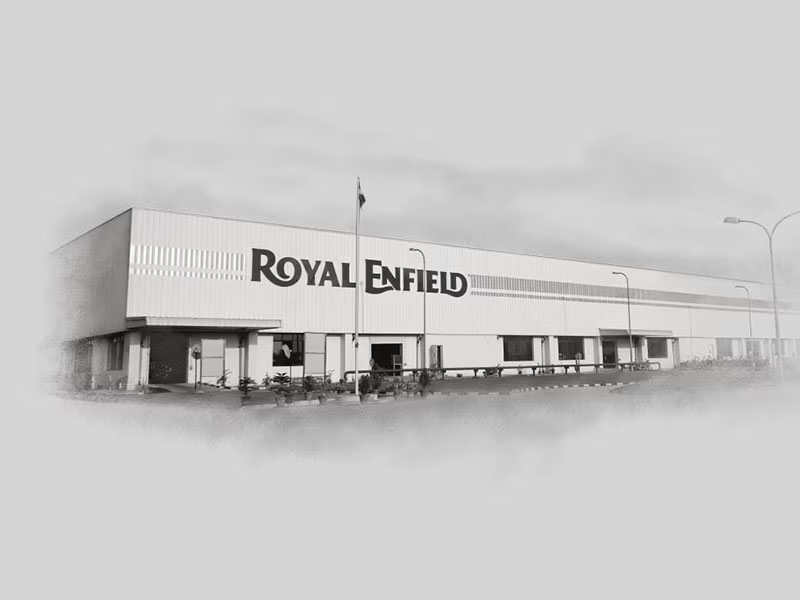
In 2020, Royal Enfield opened its first factory outside India, in Argentina. This step shows the brand’s growing presence around the world. Along with its Indian plants, Royal Enfield also has assembly facilities in Thailand and Bangladesh, and plans to open one in Brazil for the South American market.
18. Concept Store In Delhi
Royal Enfield India has a unique concept store in Delhi that feels like a rider’s living room. One wall features a disassembled Continental GT, making the shopping experience stand out.
19. Lawnmower Production
At one time, Royal Enfield even sold lawnmowers, showing its wide range of engineering skills. The original logo with the cannon was also used on these lawnmowers.
20. Global Exports
Royal Enfield exports its motorcycles to 42 countries, including the US, Japan, and Germany. This broad reach shows the brand’s worldwide popularity.
21. J.d. Power India 2025 Top Rank
Royal Enfield’s improved reliability helped it rank first in the J.D. Power India Two-Wheeler Initial Quality Study in 2025, ahead of both global and local competitors.
22. Record-setting Stunts
Indian Army teams have set world records by building human pyramids on Royal Enfields, fitting 58 men on one Bullet, and riding with ladders for more than 170 kilometers.
How Royal Enfield Stands Out Against Other Heritage Motorcycle Brands In Terms Of Design, Pricing, Or Market Presence?
Royal Enfield stands out by offering bikes that are between high-end legacy brands and regular commuter models. Its “accessible heritage” approach focuses on mid-size motorcycles (250–750cc) that blend classic looks, reliability, and affordable prices. While Harley-Davidson and Triumph aim for premium or luxury buyers, Royal Enfield attracts riders who want value and style.
Comparative Market Positioning
| Feature | Royal Enfield | Harley-Davidson | Triumph |
|---|---|---|---|
| Market Segment | Accessible Mid-size | Premium Cruiser/Tourer | Premium Performance/Retro |
| Brand Identity | Nostalgic, Rugged, Accessible | Imposing, American, Status | Refined, British, High-tech |
| Primary Appeal | Daily utility & vintage charm | Long-distance touring & status | Precision engineering & performance |
| Pricing | Lower (Budget-friendly) | Significantly Higher | Higher (Mid-to-high) |
Key Differentiators
- Design & Engineering Philosophy: Royal Enfield emphasises a “classic attraction” with simplistic, robust engineering, making the bikes accessible for both daily commutes and touring. In contrast, Harley-Davidson is known for its imposing frames, chrome-heavy aesthetic, and aggressive stance designed for open-road touring. Triumph sits between these, offering refined, high-performance engines and sophisticated, modern-retro styling that targets riders seeking both character and speed.
- Accessibility and Value: A core differentiator is Royal Enfield’s affordability; models like the Classic 350 are significantly cheaper to purchase and maintain than the entry-level offerings from brands like Triumph or Harley-Davidson. This lower cost of entry, combined with a vast service network, makes Royal Enfield a preferred choice for a wider demographic, particularly in emerging markets.
- Global Presence: While Royal Enfield’s volume remains heavily concentrated in India, it has successfully transitioned into a global brand by establishing assembly facilities in Thailand, Argentina, Colombia, Brazil, and Nepal. This “localised” production strategy allows the brand to bypass import duties and remain competitive against high-end imports in international markets, effectively positioning itself as a strong, value-oriented alternative to traditional legacy manufacturers.
What Is Royal Enfield’s Current R&d, New Model Launches After 2025, Or Its Broader Electrification Strategy?
Royal Enfield has expanded its lineup, going beyond its classic 350cc bikes to include twin-cylinder models and new electric motorcycles. Recent updates show the brand is focusing on both electric bikes and growing its popular parallel-twin engine range.
The Electric Evolution: Flying Flea
The “Flying Flea” is now more than just a name from a WWII-era motorcycle. It has become the starting point for Royal Enfield’s electric future.
- Flying Flea C6:Launched as the brand’s first electric motorcycle, the C6 features a 3.91kWh lithium-ion battery and a 15.4kW motor, delivering a peak torque of 60Nm. It boasts an IDC range of 154km and a top speed of 115km/h, with modern features including lean-sensitive traction control, dual-channel ABS, and bidirectional crawl mode.
- Portfolio Expansion:L Royal Enfield is growing its “Flying Flea” sub-brand, with the FF.S6 set to launch in 2026. This shows the company’s plan to offer several electric models in the future.
Recent R&d And 2026 Model Expansion
Royal Enfield is rapidly growing its twin-cylinder lineup to become a leader in the mid-size performance bike market.
- The 650cc Expansion: In 2026, Royal Enfield launched the new Bullet 650, pairing its famous name with a parallel-twin engine. This model joins other 650cc bikes like the Classic 650 and Shotgun 650.
- Future Platforms: Royal Enfield’s research team is working on a new 750cc platform, and prototypes of the Himalayan 750 have been seen testing in the Himalayas. This shows the company’s plan to offer bigger adventure bikes for riders around the world.
- Strategic Growth: Eicher Motors, Royal Enfield’s parent company, plans to significantly increase production, aiming to reach about 2 million motorcycles a year to keep up with growing global demand.
Faqs About Unknown Facts About Royal Enfield
1. Was Royal Enfield Originally A Motorcycle Company?
No, Royal Enfield began as a needle and bicycle parts manufacturer called George Townsend & Co. in Redditch, England. The “Royal” association followed their winning a contract to supply parts to the Royal Small Arms Factory in Enfield.
2. Did Royal Enfield Ever Make Firearms?
It’s a common myth, but Royal Enfield never mass-produced firearms. They made precision components for rifles, which inspired their famous slogan “Made Like A Gun”.
3. What Was Royal Enfield’s First Motorised Vehicle?
Surprisingly, Royal Enfield’s first vehicle in 1898 was a four-wheeled “Quadricycle” powered by a De Dion engine—predating its first motorcycle by three years.
4. What Is Special About The Taurus Diesel Bullet?
The Taurus Diesel Bullet was the world’s only mass-market diesel motorcycle, offering exceptional mileage. Still, it was later banned in India due to stricter emission norms.
5. Are Any Royal Enfield Motorcycles Hand-painted?
Yes, for decades, Royal Enfield’s iconic pinstripes on tanks were hand-painted by artisans in Chennai until automation began after 2014.
6. Did Royal Enfield Play A Role In Military Transport?
Absolutely. Royal Enfield supplied motorcycles to the British, Russian, and Indian armies—most famously the lightweight “Flying Flea,” which could be parachuted with soldiers during World War II.
7. Did Royal Enfield Close Operations In The Uk?
True. Royal Enfield’s UK factory closed in 1971, but the Indian branch continued producing motorcycles. By the 1980s, India was exporting bullets back to England, reviving the brand’s overseas presence.
8. Which Royal Enfield Model Has The Longest Production Run?
The Bullet holds the record for the longest continuous motorcycle production in the world, having been in production since 1932. It remains highly popular in India and globally.
9. Is Royal Enfield Now Exporting Back To The Uk?
Yes, after achieving great success in India, Royal Enfield now exports motorcycles—including the Interceptor 650—back to the UK, where the brand was once shut down.
10. Has Royal Enfield Achieved Any Digital Or Speed Records?
Yes, the 2021 online launch of the Classic 350 set an Indian record for live viewers during a motorcycle reveal. On the technical front, the Continental GT 650 has set land speed records at the Bonneville Salt Flats.
Other Related Articles From Bikeleague India
- Royal Enfield India
- Royal Enfield Interceptor 650
- Top 5 cruising bikes or cruisers in India under 5 lakhs
- A Clash of Eras: New Royal Enfield Bullet 350 vs Old Bullet 350
- Oldest motorcycle brands that have stood the test of time
Conclusion
Royal Enfield’s journey from its start in England to becoming a global icon shows its resilience, innovation, and ability to adapt. The brand stands out by respecting tradition while also embracing new technology and markets. As Royal Enfield expands its lineup and enters the electric bike market, its reputation for adventure, reliability, and lasting appeal stays strong.
In this article, we shared some lesser-known facts about Royal Enfield and its history in India. If you have questions or want to share your thoughts, feel free to email us at bikeleague2017@gmail.com or leave a comment below. We’re always happy to help. You can also connect with us on Bikeleague India’s social media pages.