Overview
Performance And Engine
The Hunter 350 uses a reliable 349cc single-cylinder, air-oil-cooled J-series engine that produces 20.48 PS at 6,100 rpm and 27 Nm of torque at 4,000 rpm. This engine runs smoothly and has much less vibration than older Royal Enfields. It offers strong, easy-to-use power, making it great for city riding and relaxed highway trips up to 90-95 kmph. The air-oil cooling keeps the engine at the right temperature in traffic and on short highway rides. It meets BS6 Phase 2 standards and features a SOHC setup, prioritising strong low-end power for easy overtaking without frequent gear shifts.
Owners say the engine feels relaxed at 90-100 kmph with very little vibration, but vibrations become more noticeable above 100 kmph. The bike handles low speeds well, letting you ride in higher gears at 40-50 kmph without any knocking. Its power delivery is well-suited for city riding, with good mid-range strength for quick lane changes and overtaking. While it’s not the fastest at the top end, the Hunter’s smoothness makes it feel quicker than the numbers suggest.
The engine delivers power smoothly and steadily, so there are no sudden surges that might surprise new riders. It starts up instantly with the electric starter and warms up quickly, so you can ride smoothly within a few minutes, even in winter. The fuel injection system keeps performance consistent, whether you’re riding in Delhi or up in Shimla. Engine braking is also smooth, making it easy to slow down in traffic.
The Hunter 350 comes with a smooth 5-speed gearbox and a wet multi-plate clutch. The gears are set up for city riding, with lower gears close together for quick acceleration and a tall fifth gear for easy highway cruising at 80-90 kmph. The clutch is much lighter than on older Royal Enfields, so your hand won’t get tired in heavy traffic. Owners appreciate the “light clutch feel,” which makes city commutes easier.
The chain drive is efficient and doesn’t need much maintenance. Gear shifts are smooth and precise, and false neutrals are rare once the bike is broken in. The transmission is designed for easy use rather than pure performance, with gear ratios that work well for city and suburban riding. Owners say shifting is “smooth,” and the bike keeps its momentum easily through traffic lights and intersections.
The gear setup makes hill starts easy, even for beginners—first gear has enough power to keep the bike steady on moderate slopes without stalling. The wider spacing in third, fourth, and fifth gears lets you cruise at 40, 60, and 80 kmph without stressing the engine. Chain maintenance is simple: lubricate every 500 km and adjust the tension every 1,000 km to keep things running smoothly. The chain also has seals to help keep out dust during the rainy season.
Royal Enfield claims the Hunter 350 can reach a top speed of 114-130 kmph, depending on conditions and rider weight. In real-world use, it cruises comfortably at 90-95 kmph with little vibration and good stability. Owners say the bike “comfortably cruises at 90-95 kmph” and can go up to 110-120 kmph, but you’ll notice more vibration and engine strain at those higher speeds.
Mileage And Fuel Efficiency
The Hunter 350 delivers an ARAI-certified mileage of 36.2 kmpl, with real-world figures varying by riding conditions. The 13-litre fuel tank provides a theoretical range of 470 km. User-reported mileage ranges from 30 to 36 kmpl in city traffic, with conservative riders achieving 33 to 35 kmpl in mixed conditions. Highway efficiency reaches 35-40+ kmpl at a steady 80-90 kmph cruising.
Owners confirm 32-36 kmpl city averages, 35-40 kmpl on highways, and exceptional figures in specific highway tests at consistent speeds. Regional variations exist – dense urban areas yield lower figures due to constant stop-start, while suburban routes deliver higher efficiency. Hilly terrain reduces figures due to constant gear changes. Compared to siblings, Hunter matches Classic 350 efficiency while being lighter and more agile. Aggressive riding drops consumption to 28-32 kmpl.
Features And Technology
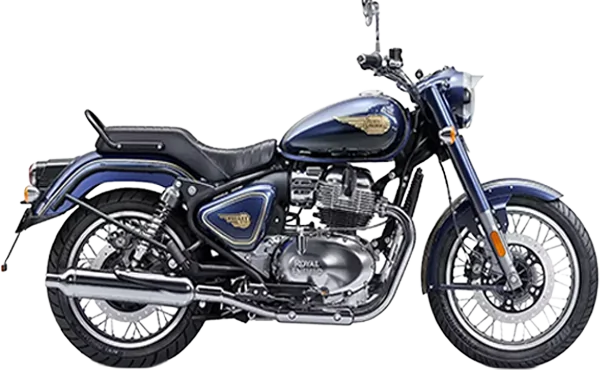
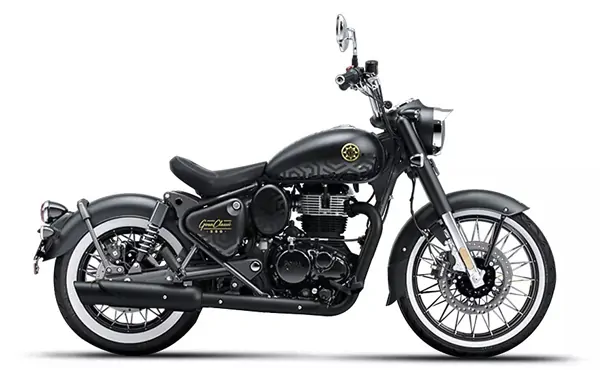
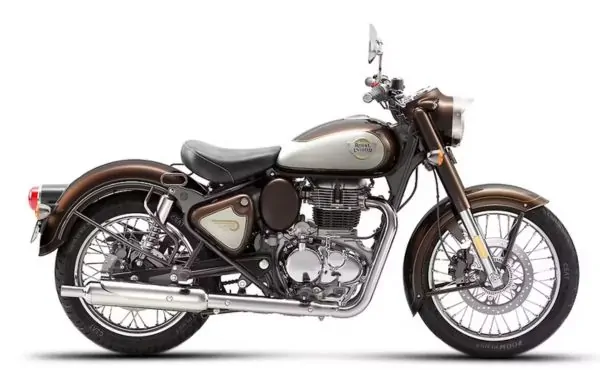
Royal Enfield has given the Goan Classic 350 several features designed for Indian riders. These include:
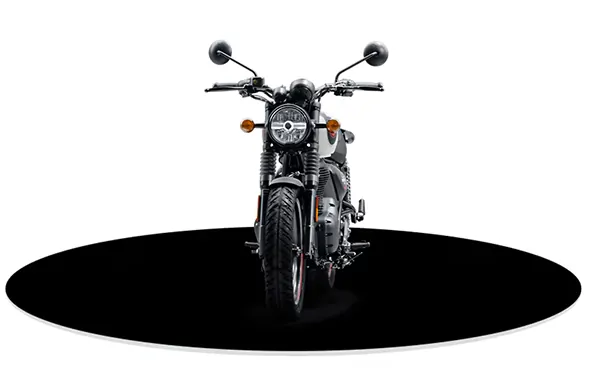
- LED Headlamp with Position Lamp: Modern LED lighting standard across variants enhances night visibility and road presence with a sharp cutoff pattern
- Tripper Navigation Pod: Bluetooth-enabled circular display with turn-by-turn navigation syncs with the Royal Enfield app for hassle-free touring
- Semi-Digital Console: Analogue tachometer/speedo with digital odometer, dual trip meters, fuel gauge, and service reminder for essential information
- USB Type-A Charging Port: Convenient charging access for smartphones during rides, supporting most smartphone fast chargers
- Dual-Channel ABS: Front 300mm disc and rear 270mm disc with independent ABS channels for confident braking in varied conditions
- Alloy Wheels with Tubeless Tyres: 17-inch front/rear alloys reduce unsprung weight, improving ride quality, while tubeless tyres minimise puncture downtime
- Telescopic Front Forks: 41mm forks with improved damping for better city comfort and responsive handling during cornering
- Twin Rear Shocks: Gas-charged monoshocks with 112mm travel, refined setup reduces harshness over speed breakers and potholes
- Side Stand Engine Cut-Off: Safety feature automatically kills the engine when the side stand deploys with the bike in gear
- Engine Stop Switch: Emergency kill switch positioned on the handlebars for quick engine shutdown in emergencies
- 150mm Ground Clearance: Ideal for Indian roads, handling speed breakers, potholes, and water crossings without scraping
- 181 kg Kerb Weigh: Lightest J-series Royal Enfield for agile city handling and easy manoeuvrability in congested areas
- 790mm Seat Height: Accessible for riders 5’4″+ to plant feet flat confidently, lower than most competitors
- Front 100/80-17, Rear 120/80-17 MRF Tyres: Grippy rubber provides confident urban grip, adequate wet weather traction
- Twin Downtube Spine Frame: Compact chassis design enables nimble manoeuvrability through tight city streets
- 7 Vibrant Colour Options: Diverse palette from minimalist Factory Black to vibrant Rebel Blue across variants
- Pillion Grab Rails: Sturdy rails provide passenger security during city rides and short highway trips.
- Engine Guard: Protective casing shields vital engine components during urban scrapes and minor spills
Build Quality
The Hunter 350 is well-built for city use. Its twin downtube spine frame is strongly welded, with even panel gaps and hardly any rattles, even after long use. The paint quality is great across all versions, with bright finishes and a thick clear coat that protects against UV damage and fading. There’s not much chrome—mostly just on the handlebar mirrors—so there’s less risk of rust during the rainy season compared to the Classic models.
The J-series engine keeps its finish looking good, with no oil leaks even after a lot of use. Owners say it’s very durable, with few problems beyond regular servicing. The bike handles bad weather well, and its compact shape helps water run off easily. The switches feel high-quality, with a nice click on the ignition, kill switch, and horn. Bolts stay tight even after 5,000-10,000 km, and the panels fit snugly, so water doesn’t get in near the fuel tank or side panels. Overall, the Hunter is as reliable as other J-series bikes and makes a dependable city ride for years.
The seat base is welded securely, with no flex or rattles. Tank straps hold the fuel container firmly against vibrations. The engine casing shows no warping or paint chipping despite exposure to heat cycles. Electrical connectors are sealed adequately, preventing monsoon water ingress. Battery terminals are corrosion-resistant when properly covered. Brake hose routing avoids sharp edges that could cause premature wear.
Handling
The Hunter 350 is great for city riding because it’s light at 181 kg and has a compact size. Its low center of gravity makes quick turns and U-turns easier than on heavier bikes. The weight is balanced, so cornering feels predictable without needing to lean too much. It’s easy to weave through traffic, and the bike responds well to small handlebar movements.
With 150mm of ground clearance, the Hunter handles potholes and speed bumps easily without scraping the bottom. It stays stable on the highway up to 95 kmph and doesn’t wander on straight roads. The 17-inch tyres help the bike turn quickly and grip well in both dry and light rain. Dual-channel ABS gives smooth, confident braking. The suspension is tuned to soften bumps but still keeps the bike steady in corners. Steering is light and accurate, making it easy to handle at any speed. This setup is perfect for India’s busy city roads with lots of potholes and traffic.
Cornering is easy up to moderate lean angles with no drama or surprises. Counter-steering at 80+ kmph feels natural and progressive. The bike tracks true through long sweeping highway curves without requiring handlebar corrections. Emergency braking from 80 kmph results in controlled deceleration without ABS intervention under normal conditions. Wet-weather handling remains predictable, though it requires slightly slower corner entry speeds. Loose gravel or pothole-covered roads don’t destabilise the platform – the chassis soaks up impacts and maintains the intended trajectory.
Comfort
The 790mm seat height works for most riders—even those as short as 5’2” can touch the ground with a bit of practice. The single-piece seat is firm but comfortable enough for rides up to 100-150 km, and the improved suspension helps smooth out rough roads. The upright riding position reduces fatigue, with handlebars that feel natural and don’t force you to stretch or cramp your arms. The seat puts you in a comfortable spot right between the wheels.
The pillion seat is narrow, so it’s best for short trips of 30-50 km. For longer rides with a passenger, you’ll probably want to upgrade the seat. The engine doesn’t get too hot in city traffic, thanks to the air-oil cooling, and there’s hardly any vibration up to 90 kmph. There’s no wind protection, so riding above 80 kmph can get windy and less comfortable. Storage is limited to a small under-seat toolbox, so you’ll need extra bags for touring. Overall, the Hunter is great for daily commutes of 20-50 km, with comfortable ergonomics that help prevent fatigue.
The seat offers good support for daily rides, and riders say they have “no back pain after 45 km city rides.” The handlebars are just the right width—narrow enough to get through traffic but wide enough for control on the highway. The footpegs are placed so your legs aren’t cramped or stretched too much. On rides longer than 150 km, the firm seat can get uncomfortable, so you’ll need to take breaks. Some versions have a split seat, which makes it easier for both rider and passenger to get on and off in tight spaces.
Styling
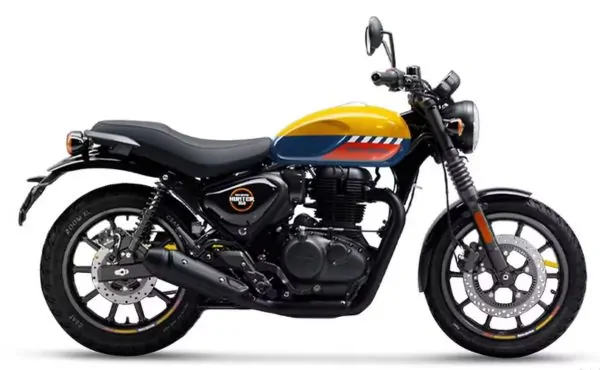
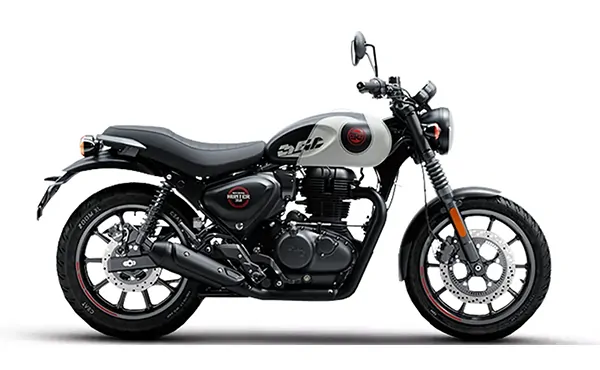
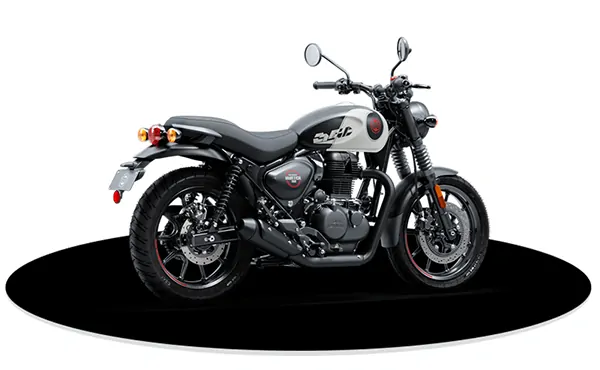
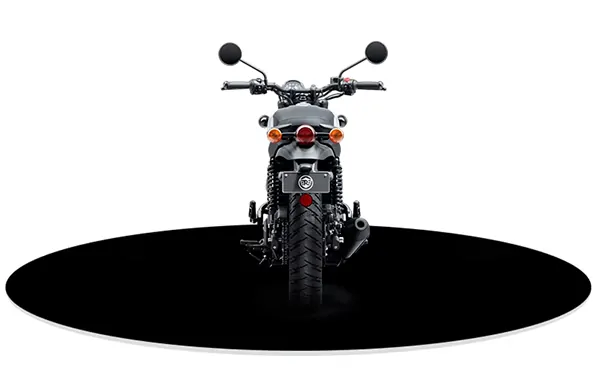
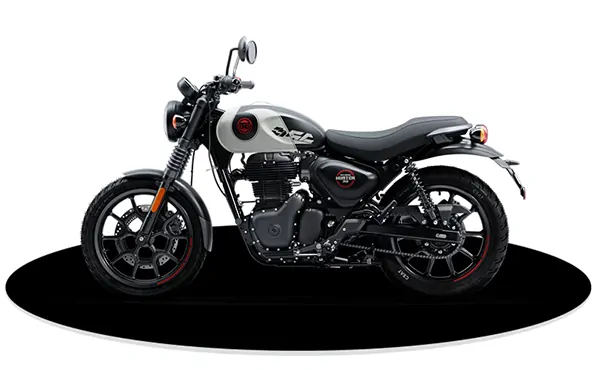
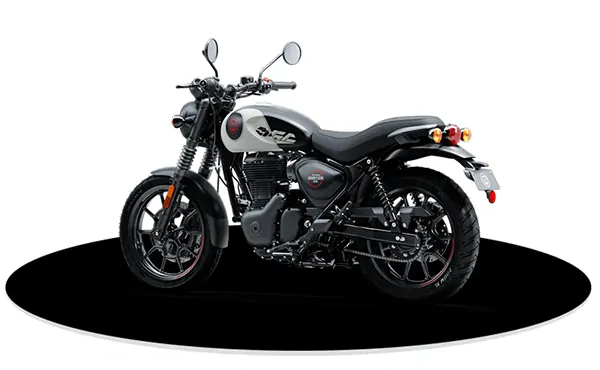
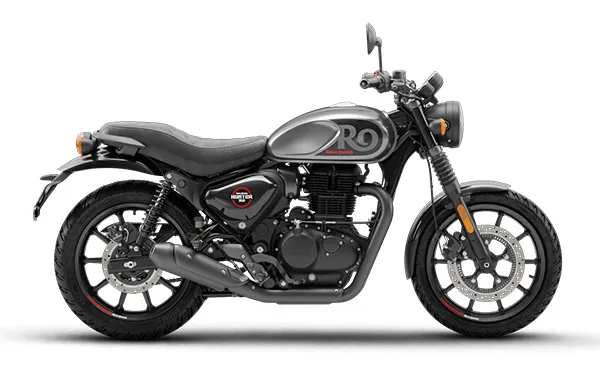
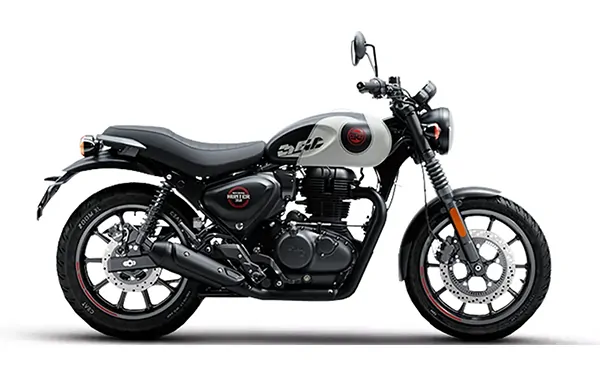
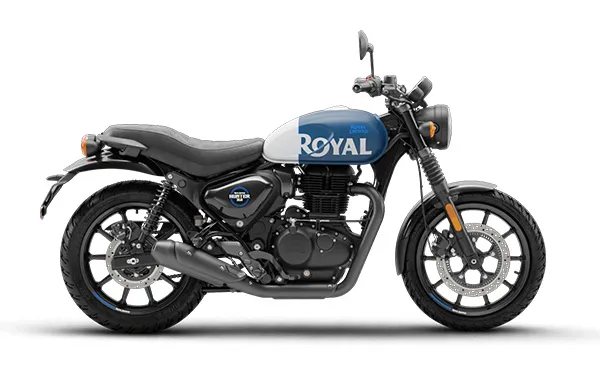
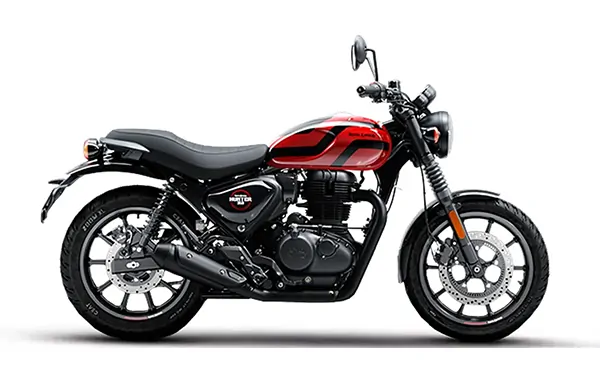
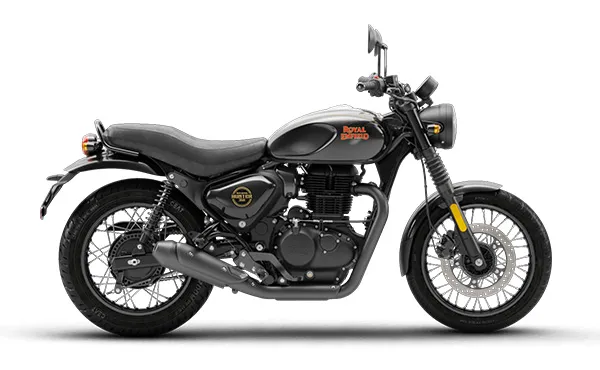
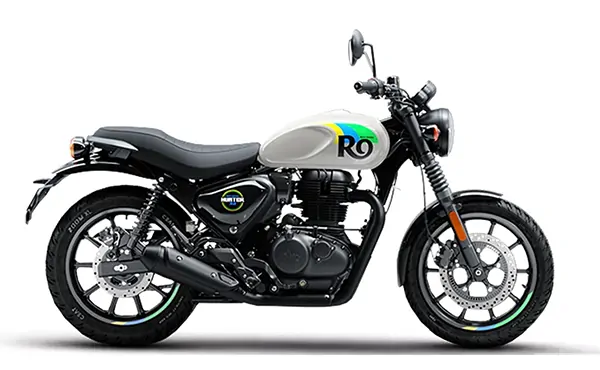
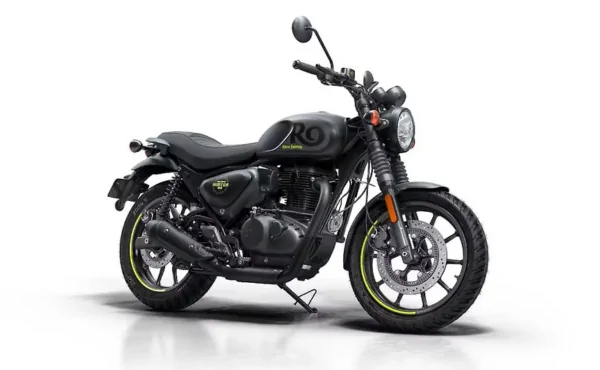
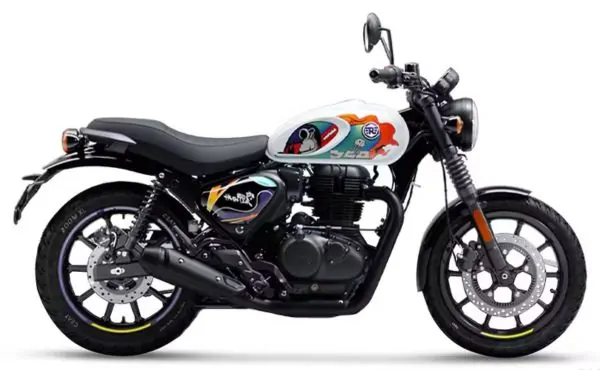
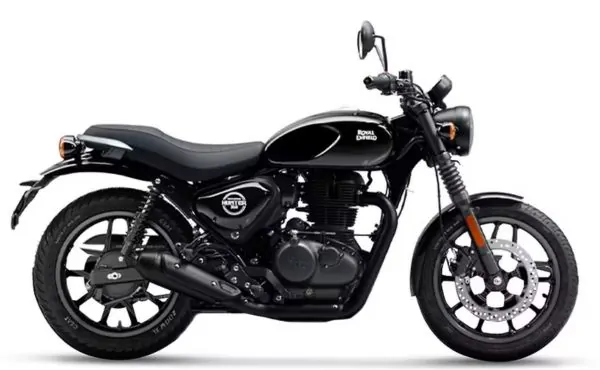
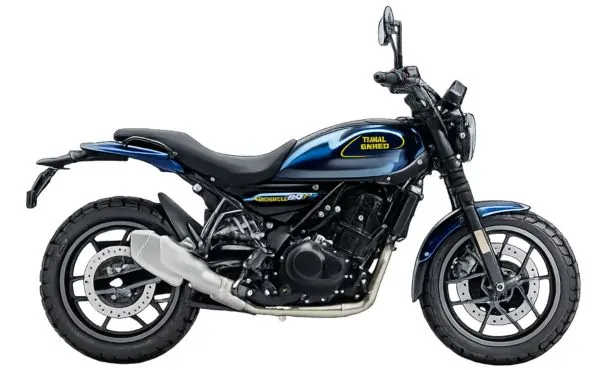
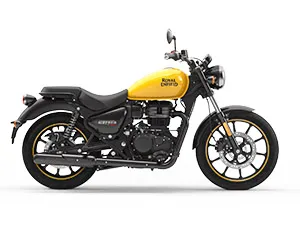
The Hunter 350 mixes classic roadster looks with a modern, aggressive style. It has a compact fuel tank with bold graphics, a round LED headlamp, strong tank extensions, and a short tail, giving it a purposeful look. There’s not much bodywork, so you can see the bike’s mechanical parts, which highlights its functional design. Wide handlebars add to the roadster feel, and the upswept exhaust gives it a sporty touch. The different versions stand out—black is simple and clean, while the dual-tone options look young and lively. This mix of old and new style is perfect for young city riders who want a bike with personality.
The front fender is curved to keep road spray off the rider but still looks slim. The side panels are minimal, just enough to cover the battery and wiring without making the bike bulky. The tail is short and tidy, with no extra parts sticking out. The LED tail light has a modern look and can be seen from different angles. The mirrors are big enough to give a good view behind you but not so wide that they get in the way in traffic. The handlebar grips are textured, so you can hold on securely, even if your hands are wet.
Colors Options And Variants
There are 7 colour options to choose from, and they are
- Factory Black
- Graphite Grey
- Dapper Grey
- Rio White
- Tokyo Black
- London Red
- Rebel Blue
- Moonshot White
- Mumbai Yellow
- Tarmac Black
There are three variants to choose from, and they are
- Retro Factory Black: Base model entry point with single-channel ABS, drum rear brake, spoke wheels, essential features for budget-conscious buyers seeking a modern Royal Enfield experience at the most accessible pricing
- Metro Single-Tone (Rio White/Dapper Grey): Mid-spec offering dual-channel ABS, disc brakes front and rear, alloy wheels with tubeless tyres, LED lighting standard, 12,000 premium for enhanced safety and modern features
- Metro Dual-Tone (Tokyo Black/London Red/Rebel Blue): Premium finishes with full feature set, dual-tone paint schemes, additional styling elements, top-spec variant for style-conscious riders wanting a complete package
Value For Money And Pricing
Starts at ₹ 1,37,640 ex-showroom. Service costs ₹1,200-2,000 per 6,000 km scheduled maintenance interval. Parts are affordable and widely available through Royal Enfield’s extensive dealer network – genuinely affordable spare parts compared to other brands.
Insurance premiums range from ₹7,000 to ₹ 10,000 annually for comprehensive coverage, depending on the city, rider age, and no-claim bonus accumulation. Resale value remains strong at 55-60% after 3 years, thanks to Royal Enfield’s brand equity and proven J-series reliability. Extensive dealer network with 1,000+ service centres across India ensures hassle-free maintenance from metros to tier-3 cities. Ownership costs work out to ₹2.50-3.00 per kilometre, including fuel, maintenance, insurance, and depreciation.
Best value entry-level J-series motorcycle offering modern features, proven reliability, and strong resale value at sub-₹1.5 lakh pricing. For first-time motorcycle buyers seeking genuine refinement and features without paying a premium, the Hunter offers an unbeatable value proposition in the Indian market. Unmatched J-series refinement, proven reliability, premium brand heritage, and style quotient at the sub-₹1.5 lakh price point make Hunter the best entry-level Royal Enfield.
Competitors for the Goan Classic 350 in India are
- TVS Ronin
- Bajaj Pulsar NS200
- Hero Xtreme 160R