Overview
Performance And Engine
At the heart of the Classic 650 is a robust 647.95cc air/oil-cooled parallel-twin engine with a SOHC setup, four valves per cylinder, and electronic fuel injection. Delivering 47.04 PS at 7250 rpm and 52.3 Nm of torque at 5650 rpm, it offers confident overtaking on busy highways like NH48. The 9.5:1 compression ratio, 78mm bore, and 67.8mm stroke mean the engine is tuned for strong low- and mid-range power, making city and highway riding easy. It pulls cleanly from 2000 rpm, reducing the need for frequent downshifts. The bike meets BS6 Phase 2 standards, so it starts easily in city traffic and climbs hills without fuss. Dual counterbalancers and rubber mounts cut down vibrations compared to single-cylinder bikes, letting riders enjoy the parallel-twin’s character comfortably.
In real-world tests, the bike accelerates from 0 to 60 kmph in under 5 seconds and overtakes from 30 to 100 kmph in just 6 to 7 seconds. This blend of performance suits both daily commutes and long rides up to 1000 km. The advanced cooling system—with its larger oil capacity and finned cylinders—handles the scorching heat of Rajasthan and Mumbai’s muggy monsoons without breaking a sweat, even after sustained speeds of 100 kmph. Fine-tuned fuel mapping sharpens throttle response, so the bike feels lively under your hand while remaining smooth and easy to control.
The bike comes with a smooth 6-speed gearbox, with gear ratios made for Indian roads. The first three gears are short for city riding, while the top three are longer for highway speeds between 80 and 120 kmph. The wet multi-plate slip-and-assist clutch prevents the rear wheel from hopping during hard downshifts. The chain drive uses O-ring seals and needs lubrication every 500 km, which is easy and costs about Rs 200-300 per service. The cast-aluminium shift drum ensures precise gear changes, and the light clutch is helpful in traffic or stop-and-go situations.
The rotary barrel switchgear, borrowed from Royal Enfield’s higher 650 models, feels premium and gives precise feedback. The neutral light is reliable, and false neutrals are rare, even when starting cold. Adjustable clutch and brake levers (three positions) suit different hand sizes or gloves. The kickstarter backup comes in handy in remote areas like the Spiti Valley, where batteries may falter. Overall, shifting is smooth and dependable—comparable to Japanese cruisers.
Royal Enfield claims a top speed of 157 kmph in standard tests, but riders with GPS devices usually reach 150-155 kmph on open roads like the Agra-Lucknow Expressway. The bike can cruise steadily at 140 kmph for long periods. Its 243kg weight and 1405mm wheelbase help keep it stable at high speeds, even in crosswinds, and the front fairing reduces wind for upright riders. Above 130 kmph, the bike still has smooth power without stressing the engine, thanks to the tall sixth gear that keeps the revs at 6500 rpm for better efficiency.
Mileage And Fuel Efficiency
ARAI figures claim 22-24.5 kmpl under ideal conditions, translating to real-world 20-23 kmpl in metro crawl (Delhi, Bangalore), 25-28 kmpl on mixed runs, and up to 30 kmpl at constant 70-80 kmph on empty highways like Chennai-Trichy. The generous 14.8-litre tank (with 3-litre reserve) delivers a practical 370-420 km range, letting riders skip stations on Mumbai-Goa legs; user reports highlight a 2-3 kmpl drop in humid Kerala due to AC-like heat soak, versus 1 kmpl better in cool Darjeeling hills.
Using fuel-saving techniques, such as riding at 50 kmph in fifth gear, can get up to 32 kmpl when the bike is not loaded. While the Classic 650 is a bit less fuel-efficient than the Interceptor, which gets over 25 kmpl, it offers more torque for cruising and uses less fuel than the Super Meteor. The bike handles different fuel qualities well, even in states where fuel may be adulterated, because of its strong injectors. Overall, running costs stay low at about Rs 4-5 per 100 km.
Features And Technology
Royal Enfield has packed the Classic 650 with features designed for Indian riders, including:
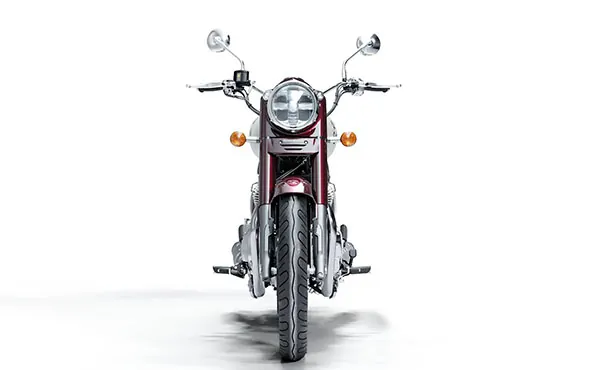
- LED Headlamp: The signature LED casquette headlamp combines a projector beam and unique “tiger eyes” DRLs, offering impressive 200m visibility for safer night rides.
- Turn Indicators: Sequential LED turn indicators automatically cancel after your turn, adding convenience and modern flair.
- Navigation: The Tripper navigation pod works offline with Google Maps and voice prompts—making every trip easier to follow.
- Instrument Cluster: An analogue speedometer with LCD inset displays your trip meters, fuel gauge, and gear position at a glance.
- USB Charging: Dual USB Type-C ports, including a 27W fast charger under the tank, keep your devices powered up on the go.
- Braking: Dual-channel Bosch ABS, with a rear switchable mode, provides confident braking even on loose gravel.
- Front Suspension: 43mm Showa upside-down forks deliver 120mm of plush travel, smoothing out rough roads.
- Rear Suspension: Twin gas-charged shocks, inspired by monoshock design, feature preload adjust and 90mm of travel for a comfortable ride.
- Front Wheel: The 19-inch wire-spoke front wheel is laced to a sturdy 6-spoke hub for durability and style.
- Rear Wheel: Choose between 18-inch alloy or spoke options, both fitted with a 140/70 tubed tyre for stable handling.
- Frame: The high-tensile steel spine frame uses double-cradle reinforcement for added strength and road confidence.
- Ground Clearance: 154mm of clearance helps you navigate flooded streets and speed bumps with ease.
- Weight & Stability: At 243kg, a low 490mm centre of gravity keeps the bike stable, even at low speeds.
- Seat Height: The 800mm split seat height is step-thru friendly and comfortable for a range of riders.
- Adjustability: Three-position adjustable levers and mirrors let you fine-tune your controls for comfort.
- Connectivity: The RE Connect app integration provides ride stats and helps locate service centres.
- Pillion Option: The quick-detach pillion frame lets you switch to a single-seater vibe when you want.
- Bluetooth: Bluetooth 5.0 low-energy ensures seamless pairing with your devices.
- Safety Switches: The engine kill switch and side-stand cut-off add peace of mind at stops.
- Passenger Comfort: Pillion grab rails and footpegs with rubber inserts improve safety and comfort for your co-rider.
- Heat Protection: Heat shields on the exhaust help protect your legs, especially in city traffic.
- Fuel Tap: The classic analogue fuel tap, with a reserve switch under the tank, ensures you’re never caught off-guard on long rides.
Build Quality
The Classic 650 uses a robust steel twin-spine frame with a boxed swingarm, designed for long-term durability—some owners report it lasting up to 1.5 lakh km. Its powder-coated black finish helps prevent rust, even for riders living near the coast or in polluted cities. The multi-layer PU paint with UV protection keeps the colour looking fresh, while chrome tank badges, exhaust tips, and fender stays retain their shine after regular washes.
The engine cases are made from finned aluminium and protected with nickel plating to resist corrosion, and stainless steel fasteners prevent seizing during the monsoon. Many owners have found the frame stays intact even after minor falls, and the electrical parts are water-sealed to IP67 standards. Suspension bushes can last up to 30,000 km. Royal Enfield’s quality checks in Jodhpur aim for global standards, and the paint typically only chips from stone hits—not from poor adhesion—outperforming many rivals that tend to rust in humid conditions.
Styling
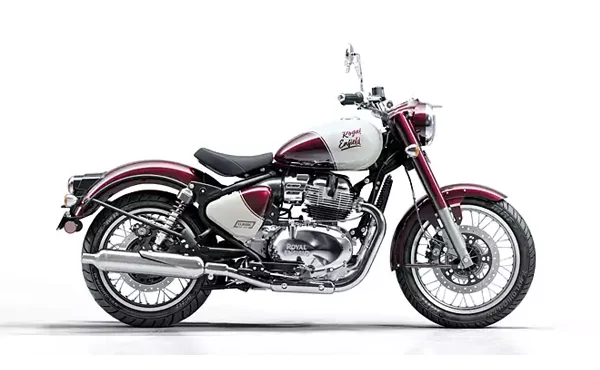
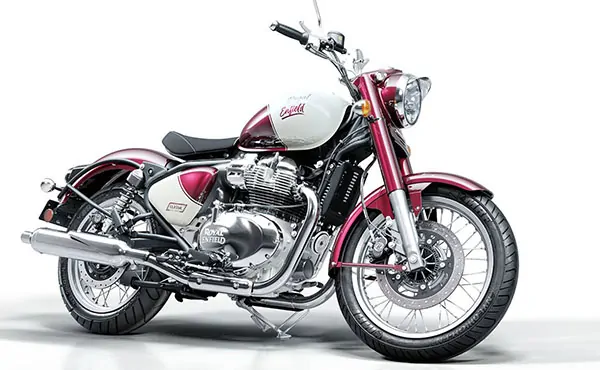
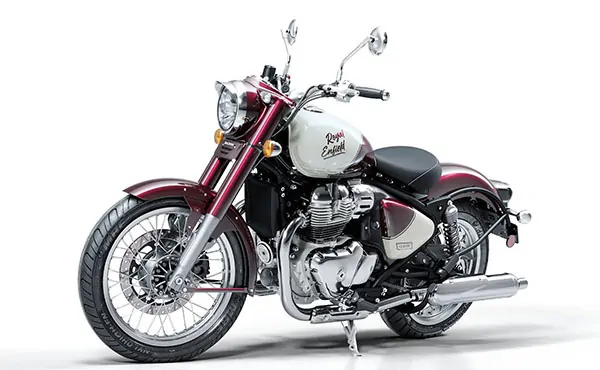
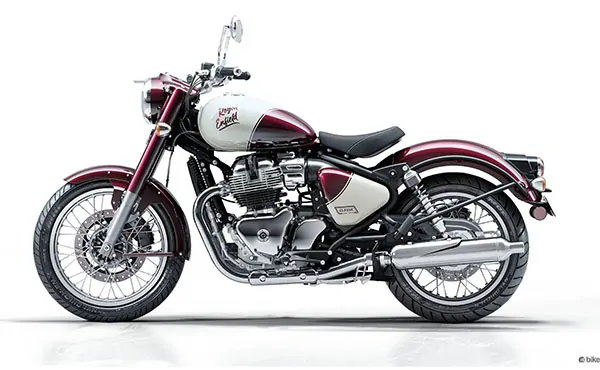
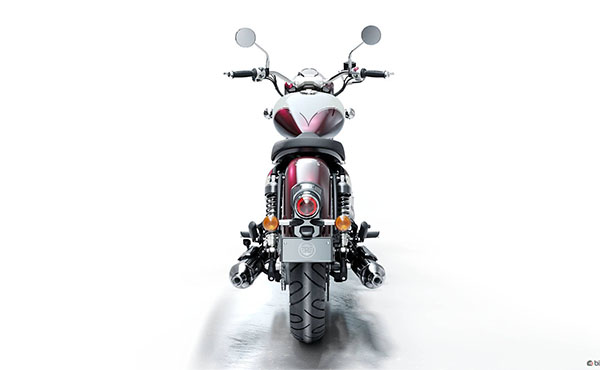
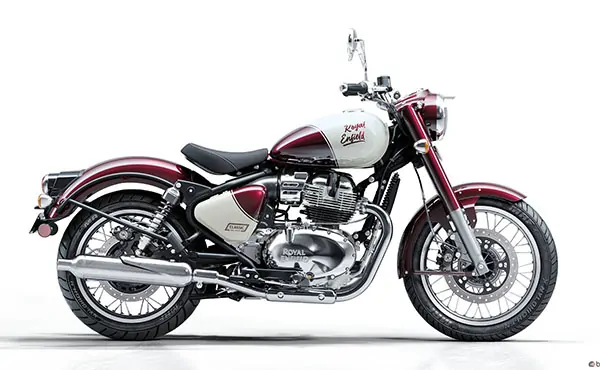
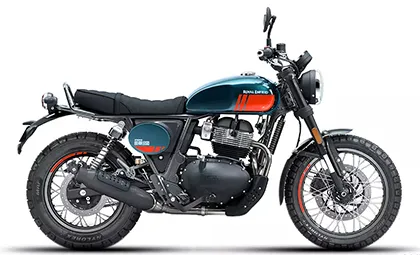
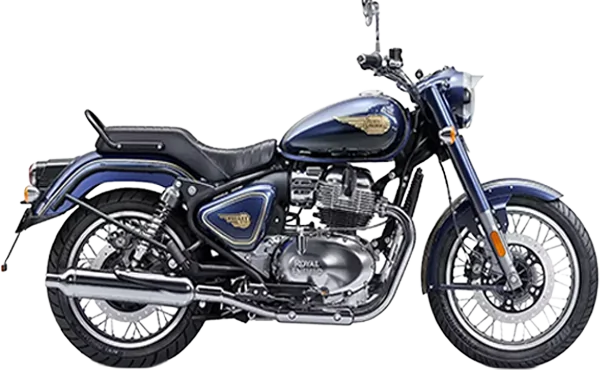
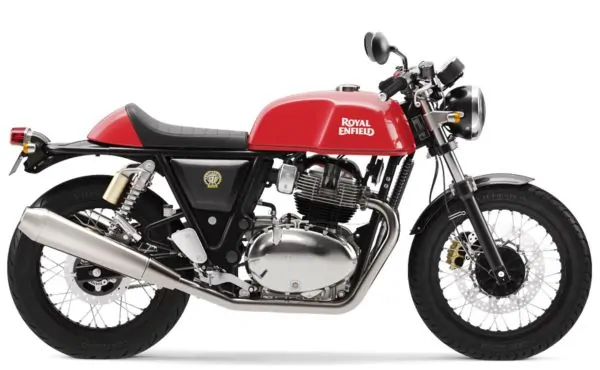
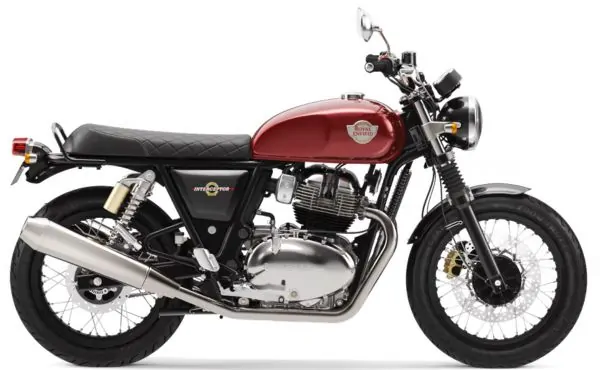
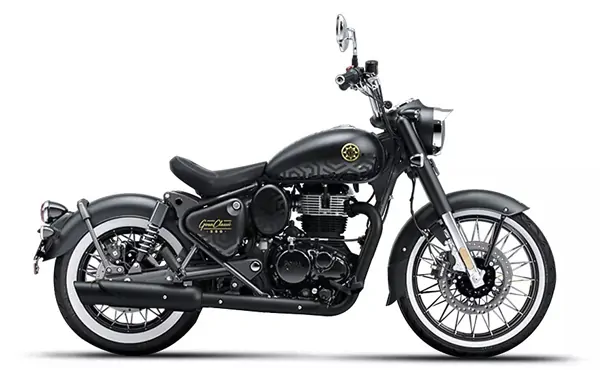
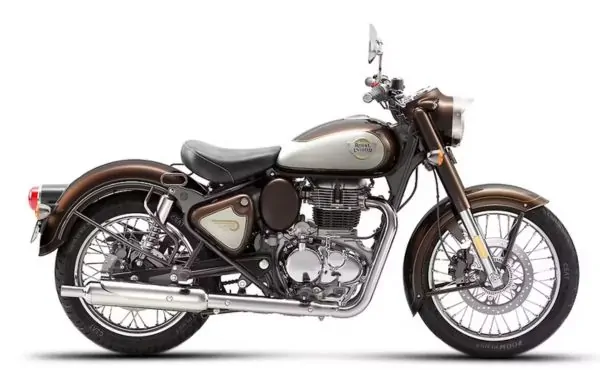
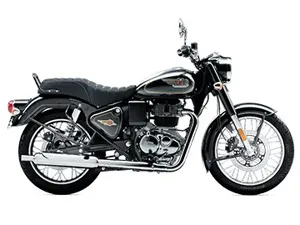
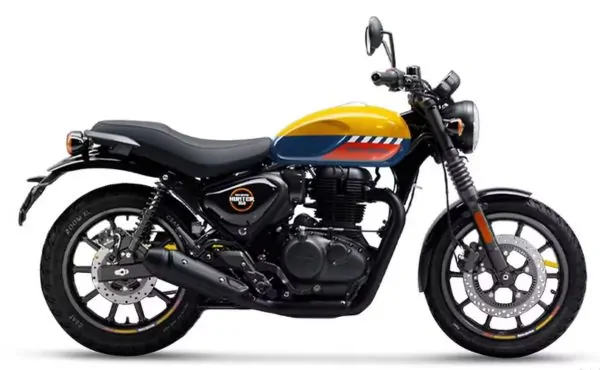
The Classic 650 highlights Royal Enfield’s retro J-platform design, featuring a large 13-litre teardrop tank and distinctive embossed badges. Chrome fenders and a single-piece, tufted saddle evoke a 1960s British café racer vibe. The nacelle headlamp with its smoked lens and halo DRL adds a modern touch, while the twin peashooter exhausts are set high for good ground clearance, producing a deep, robust sound.
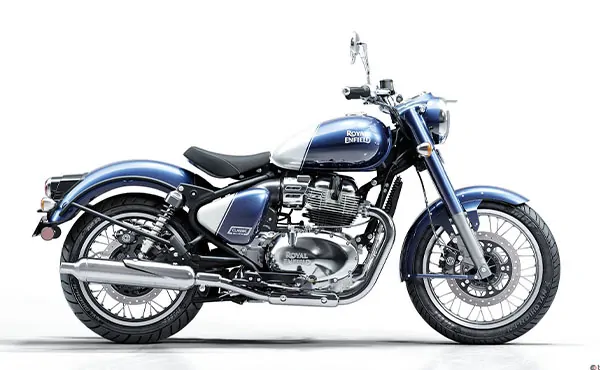
Other classic elements include the kickstart lever, round mirrors on risers, and wire-spoke wheels, all of which contribute to the bike’s heritage appeal. Colour-blocked panels stand out in sunlight, and the design balances muscular presence with elegance. The Classic 650 often draws positive attention, standing out among rivals and offering distinctive styling at a more accessible price.
Handling
Thanks to its low centre of gravity (490mm), the Classic 650 feels more manageable at low speeds in traffic or while parking, despite its 243kg weight. The neutral steering makes U-turns on narrow roads straightforward. The suspension handles corners well, offering decent lean angles for a cruiser, and the tyres provide reliable grip on winding stretches like Malshej.
On the highway, the bike stays stable at 130 kmph—even over bumps—while the wide handlebars and front fairing help manage wind resistance. The braking setup includes a 320mm front disc with a twin-piston calliper and a 300mm rear disc, enabling stops from 100 to 0 kmph in 45 meters. Tubed tyres give reassuring feedback on both rough and smooth roads, and the brakes perform confidently for both spirited and relaxed riders.
Comfort
The Classic 650’s relaxed, upright seating—along with a seat height of 770–800mm—accommodates a wide range of riders, from 5’4″ to 6’2″. Wide, pulled-back handlebars help reduce shoulder strain on longer journeys. The solo seat features gel inserts for added comfort, while the rear shocks smooth out bumps for the passenger. Forward-set foot pegs give riders more legroom, helping to avoid cramped knees—a clear advantage over most sportbikes.
Vibrations are minimal up to 110 kmph, and engine heat is managed well, even in traffic, thanks to protective shrouds. The passenger seat is generously sized, with tall grab rails and lower foot pegs for extra comfort on extended rides. Even without a windscreen, wind protection remains effective at 100 kmph. The riding position helps keep wrists and elbows comfortable, and the mirrors are designed to reduce fatigue, making the Classic 650 a more comfortable choice for long-distance rides than its stiffer 350cc siblings.
Color Options And Variants
India-exclusive colours for the Royal Enfield Classic 650 include
- Vallam Red
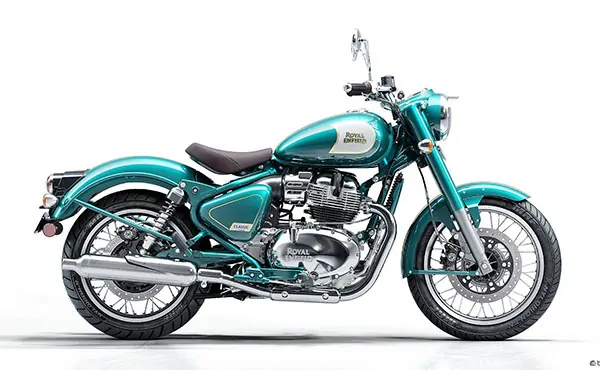
- Teal
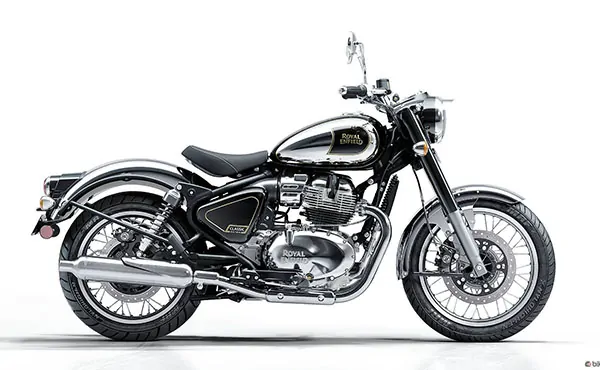
- Black Chrome
- Bruntingthorpe Blue
Three distinct variants cater to Indian preferences:
- Hotrod: Entry-level with bold reds/blues, basic LED headlamp, spoked wheels—pure value cruiser.
- Classic Mid: Teal paint, enhanced console with blacked-out graphics, premium tank liner.
- Chrome Top: Mirror black chrome everywhere, stitched leather seat, fully chromed pipes, brass badges for heirloom appeal.
Value For Money And Pricing
The Royal Enfield Classic 650 starts at ₹ 3,67,592 ex-showroom for the base variant, making it relatively accessible for a 650cc cruiser. EMI options start at Rs 9,500 per month for 3 years, helping more riders step into this segment. The first service is free at 500 km, and later services cost a reasonable Rs 3,000–4,500 twice a year. Spare parts are sensibly priced—chains at Rs 2,500, air filters at Rs 800, and tyres at Rs 8,000 per pair. The Classic 650 comes with a 3-year/unlimited km warranty and 2 years of free roadside assistance through the Wingman app. With over 2,800 dealers across India, strong demand means resale value remains high—topping 82% after 2 years and showing low depreciation. Running costs are competitive at Rs 2.3/km (fuel plus maintenance), undercutting rivals by about 20%.
Competitor models for Classic 650 are
- Kawasaki Eliminator: Features a smooth liquid-cooled 451cc engine and tubeless tyres, but its higher price and more understated styling don’t quite match the Royal Enfield’s heritage appeal.
- Honda CB650R: While a capable machine, it doesn’t offer the same value or character as its rivals in this segment.
Overall, the Classic 650 stands out for its strong community, distinctive personality, and accessible pricing under 4 lakh.