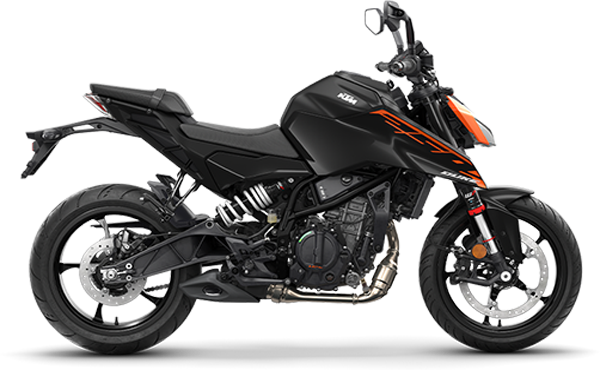
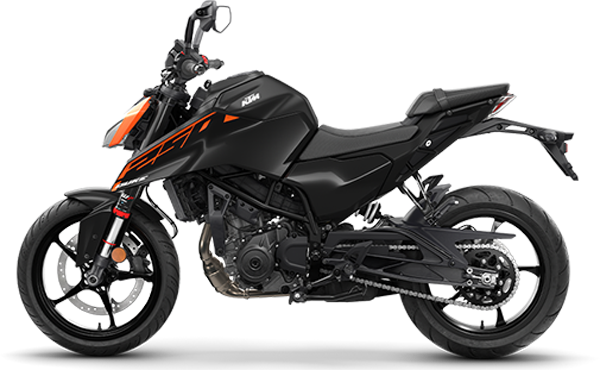
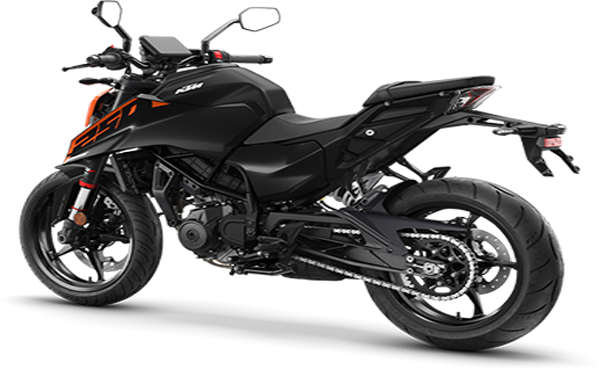
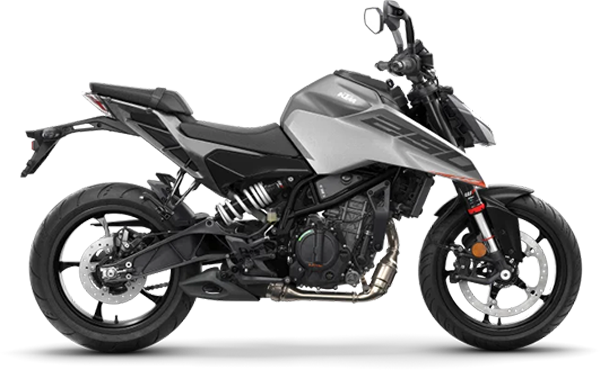
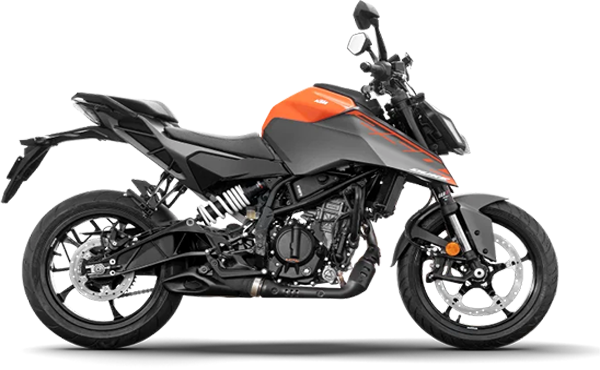
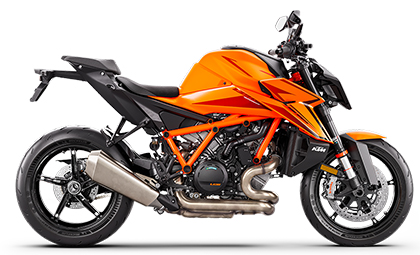
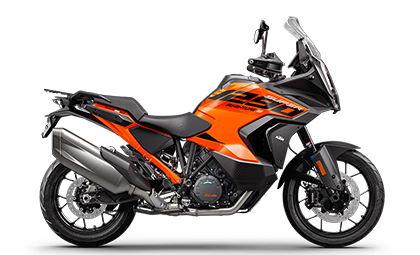
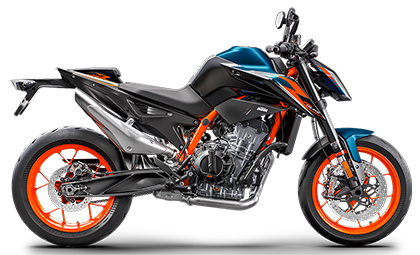
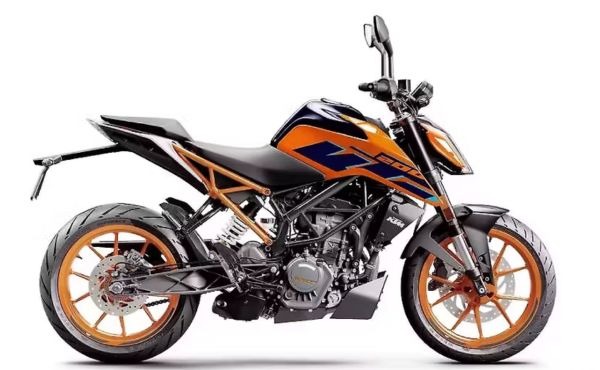
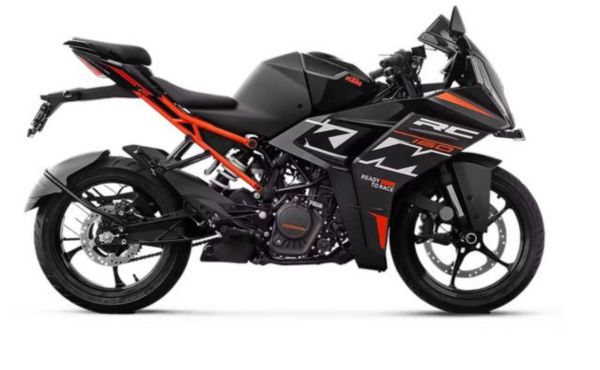
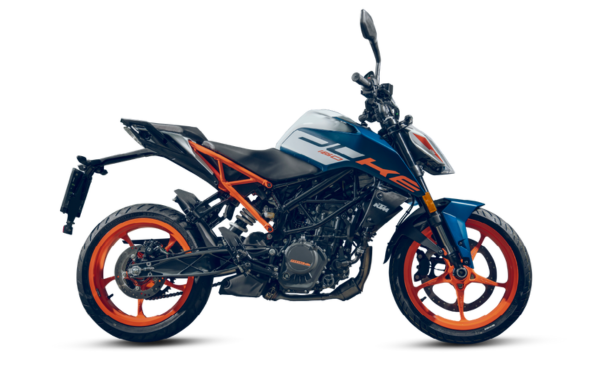
Overview
Performance And Engine
The KTM 250 Duke uses a 249.07 cc single-cylinder, liquid-cooled engine that meets BS6 Phase 2 standards. It features Bosch EFI, wet sump lubrication, and a high compression ratio for better combustion. The engine delivers 31 PS at 9,250 rpm and 25 Nm of torque at 7,250 rpm, giving strong mid-range acceleration for city riding and easy overtaking. Power comes in smoothly from 4,000 rpm, making highway rides more enjoyable. Updates like a better cylinder head, improved airflow, and lighter parts help the bike respond quickly and keep its weight down compared to older models. The engine can feel a bit buzzy above 8,000 rpm, but Indian riders appreciate its easy daily use and the lively sound at higher revs.
The engine pairs with a smooth 6-speed manual gearbox in a 1-down-5-up pattern. It’s known for precise, mechanical shifts and a short lever throw, matching the bike’s sporty character. The Gen-3 update improves the gearbox for more accurate gear changes, even during hard acceleration or downshifting. The power-assisted slipper clutch makes the lever much lighter and helps prevent the rear wheel from hopping during sharp turns, which is especially helpful on Indian roads. Lower gears are close together for quick city riding, while higher gears let you cruise over 100 km/h without putting too much strain on the engine.
According to KTM India and other sources, the KTM 250 Duke can reach about 148 km/h in ideal conditions with one rider on a flat, calm highway. In real-world situations, you’ll get around 140-145 km/h, depending on factors like carrying a passenger, wind, or elevation. The bike remains stable up to 120 km/h, thanks to its light weight of 162.8 kg and strong frame. It performs best between 80-130 km/h, making it well-suited for expressways rather than just aiming for top speed.
Mileage And Fuel Efficiency
The KTM 250 Duke has an ARAI-certified mileage of 30-30.8 kmpl in Indian tests. With its 15-litre tank, you can expect a range of about 450-462 km in ideal conditions.
Most Indian riders get 25-30 kmpl in mixed city and highway use. In heavy traffic or with aggressive riding, mileage drops to 22-26 kmpl. On highways at 80-100 km/h, you can expect 28-32 kmpl, which is close to the official numbers. Aggressive city riding averages 24-27 kmpl. Factors like traffic jams, rainy weather, or carrying a passenger can lower mileage by 2-4 kmpl. In real-world use, a full tank gives a range of 350-420 km, making it good for trips between cities.
Features And Technology
The KTM 250 Duke comes with a solid set of features for entry-level performance fans in India. It includes Gen-3 updates like ride-by-wire throttle and Quickshifter+, along with practical details for city riding.
- Split Trellis Frame (Tubular Steel): Lightweight steel trellis main frame with aluminium subframe for superior rigidity and agility; optimised geometry with 24.7° rake and 176 mm ground clearance handles Indian potholes and speed breakers confidently.
- WP APEX 43 mm USD Front Forks: 150 mm travel upside-down forks with adjustable preload and rebound damping; golden-anodised finish reduces stiction for precise handling in city traffic or twisties.
- WP APEX Adjustable Rear Monoshock: 10-step preload-adjustable monoshock with 150 mm of travel; progressive damping suits solo or pillion loads on varied Indian surfaces.
- 320 mm Front Disc with Radial Calliper: Single 320 mm petal disc paired with 4-piston radial monobloc calliper for strong initial bite and fade resistance; essential for emergency stops in dense traffic.
- 240 mm Rear Disc with Floating Calliper: Matches front setup with twin-piston floating calliper; Supermoto ABS mode allows rear lockup for slides on dirt or gravel common in rural India.
- Dual-Channel Supermoto ABS: Switchable Cornering ABS with front- and rear-independent control; Rain mode softens intervention for wet monsoon roads; mandatory dual-channel for Indian licensing.
- 5-Inch TFT LCD Digital Cockpit: Full-colour Bluetooth-enabled display with smartphone connectivity via KTM My Ride app; shows speed, gear, fuel, navigation, calls/SMS, lap timer, and shift light.
- Ride-by-Wire Throttle: Electronic throttle with Street and Rain riding modes for tailored power delivery; optimises traction and response in slippery or congested condition.
- Quickshifter+ (Up & Down): Bi-directional quickshifter for clutchless shifts without throttle blip; standard fitment enhances sporty riding and traffic manoeuvres.
- LED Lighting Package: Projector LED headlamp with DRL “eyebrows,” LED taillight, turn signals, and brake light; superior night visibility complies with Indian regs for unlit highways.
- Assist & Slipper Clutch: Reduces lever pull by 80% and smooths downshifts; prevents wheel hop during hard braking into corners or city halts.
- USB Type-C Charging Port: Convenient fast-charging for phones during long rides; integrated into the cockpit for easy access.
- 15-Litre Fuel Tank: Aerodynamic design with 450+ km range potential; low-fuel indicator and side-stand engine cut-off for safety.
- Kill Switch & Side Stand Indicator: Standard anti-theft kill switch and dashboard alert; prevents accidents from riding off with the stand down.
- Saree Guard & Passenger Grab Rails: India-specific saree guard for pillion safety; sturdy rails and footpegs for short duo rides.
- Tubeless Tyres on Alloy Wheels: 110/70-17 front and 150/60-17 rear Pirelli or MRF radials; grippy compound for wet/dry traction on Indian asphalt.
Build Quality
The KTM 250 Duke showcases strong Indian build quality with its split-steel trellis frame and light aluminium subframe. This setup keeps the bike stiff but light at 162.8 kg, making it quick in city traffic. High-end parts like golden WP APEX forks, CNC-machined triple clamps, radial brake callipers, and powder-coated finishes help the bike handle tough weather and road conditions across India.
The panels fit tightly with gaps under 1 mm, and rubber engine mounts help cut down on vibrations. The multi-layer paint, available in colors like Slate Grey and Electronic Orange, resists fading and chips. Local features such as saree guards, bash plates, sturdy chain guards, and crash protectors help prevent damage from speed bumps or minor falls. Many owners have ridden over 10,000 km without oil leaks, loose bolts, or electrical problems, showing that the Austrian design works well for Indian conditions at Bajaj’s Chakan plant
Handling
The 250 Duke is known for its sharp handling, thanks to its well-designed steering and low center of gravity. The WP APEX suspension is a highlight, with 43 mm upside-down forks that offer 150 mm of travel and full adjustability for different road conditions. The rear monoshock also has 150 mm of travel and a 10-step preload adjustment, giving stable and comfortable rides whether you’re braking hard or carrying extra weight.
The bike comes with grippy Pirelli Sport Demon or MRF Nylone tyres on 17-inch alloy wheels, providing strong traction on all surfaces. Its 176 mm ground clearance helps prevent scraping on city speed bumps. Features like switchable Supermoto ABS, optional MTC, and wide handlebars keep it stable at high speeds and easy to handle in corners. Riders appreciate its agility and confident feedback, which makes it stand out from softer commuter bikes in busy Indian traffic.
Comfort
The KTM 250 Duke is now more comfortable, with a thicker, shaped split seat at 800 mm (or 820 mm with risers), fitting riders from 5’4″ to 6’2″ for long rides. The upright riding position, wide handlebars, and forward foot pegs help reduce wrist and back strain in city traffic. The slim 15-litre tank fits well between your legs, and the engine’s dual balancer shafts keep vibrations low below 7,000 rpm for smoother highway rides.
You can adjust the rear suspension for a passenger or luggage, and the padded passenger seat, grab rails, and lower pegs make short rides with two people manageable. Side vents and the radiator shroud help keep your legs cooler in hot weather, though the mirrors can get blurry at high speeds. The suspension handles bumps well at low speeds, and the light clutch makes city riding easier. Indian riders appreciate its all-day comfort and sporty feel, though the seat can feel firm on very long trips.
Styling
The KTM 250 Duke is now more comfortable, with a thicker, shaped split seat at 800 mm (or 820 mm with risers), fitting riders from 5’4″ to 6’2″ for long rides. The upright riding position, wide handlebars, and forward foot pegs help reduce wrist and back strain in city traffic. The slim 15-litre tank fits well between your legs, and the engine’s dual balancer shafts keep vibrations low below 7,000 rpm for smoother highway rides.
You can adjust the rear suspension for a passenger or luggage, and the padded passenger seat, grab rails, and lower pegs make short rides with two people manageable. Side vents and the radiator shroud help keep your legs cooler in hot weather, though the mirrors can get blurry at high speeds. The suspension handles bumps well at low speeds, and the light clutch makes city riding easier. Indian riders appreciate its all-day comfort and sporty feel, though the seat can feel firm on very long trips.
Color Options And Variants
KTM India’s 250 Duke palette expands to three premium finishes, each wet-painted with multi-layer UV/scratch-resistant clear coats and laser-etched logos for enduring vibrancy:
- Metallic Silver
- Ebony Black
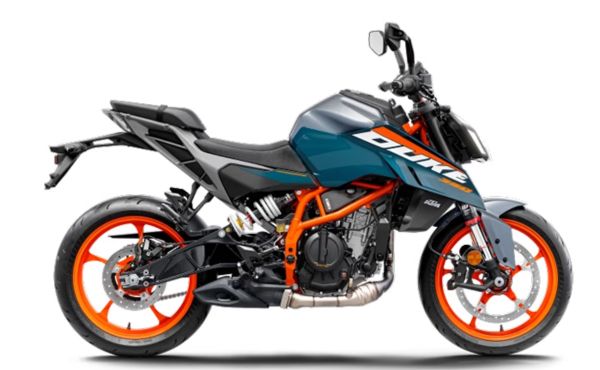
- Slate Grey
All colour options go well with the blacked-out parts. They are available across India, with showroom displays and app previews for each colour.
The KTM 250 Duke is offered in a single, fully-loaded standard version for India’s value-focused market. There are no confusing trim levels like “base,” “Pro,” or “R” as in the 390 series. This version includes the 249 cc SOHC LC4c engine (31 PS/25 Nm), bi-directional Quickshifter+, ride-by-wire with Street and Rain modes, switchable Supermoto ABS, a 5-inch TFT with My Ride app for navigation and calls, WP APEX suspension, radial brakes, and a full LED lighting package. Black forks set it apart from the golden ones on the 390.
Required features for India, such as saree guards, hazard lamps, side-stand cut-off, and dual-channel ABS, are standard. There are no color-specific versions or ABS-delete options, so quality stays consistent from Bajaj’s Chakan plant to over 500 dealers. With a price under the 28% GST bracket (for bikes up to 350 cc), it costs about ₹1 lakh less than the 390 Duke but keeps 90% of its features. This makes it a great choice for first-time superbike buyers who want a simple, complete package.
Value For Money And Pricing
The KTM 250 Duke is priced at ₹2,17,400 ex-showroom in Delhi. It benefits from the 28% GST rate for bikes under 350 cc and offers features similar to the 390. EMI options start at ₹8,465 per month for 36 months (with ₹20,000 down) or ₹7,300 per month for 48 months. Dealers often include extras like helmets, zero-down payment offers (until May 2026), corporate discounts, and exchange bonuses for old bikes. There are no price differences between variants, and leatherite seat options add about ₹5,000. The bike stays competitively priced after launch.
The 250 Duke packs top features for its price, including the Gen-3 31 PS LC4c engine, bi-directional Quickshifter, TFT with navigation, ride modes, Supermoto ABS, WP suspension, and radial brakes. It matches ₹3 lakh bikes in technology but costs ₹50,000-80,000 less. Owners get 25-30 kmpl mileage (about ₹1.2 per km), over 80% resale value after a year, a 3-year/30,000 km warranty, and affordable servicing (about ₹6,000 every 10,000 km). The PowerParts range lets you customize without losing your warranty. While the single-cylinder engine can vibrate, the bike’s agility, build, and excitement make it a top pick for riders moving up from 160/200 cc bikes.
Direct rivals to the KTM 250 Duke include
- TVS Apache RTR 310
- Bajaj Pulsar N250
- Suzuki Gixxer 250
- Bajaj Dominar 250
- Honda Hornet 2.0
- Hero Karizma XMR
- TVS Ronin
The Duke leads in electronics and handling, but the N250 and Dominar offer better low-end power and come at a lower price.