
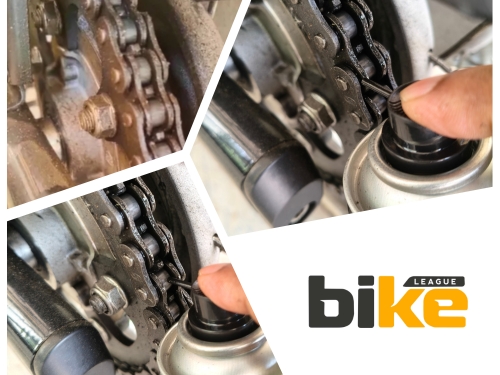
Long story short, a clean motorcycle chain is essential to motorcycle maintenance and should be maintained between 500 and 600 km. Additionally, the motorcycle chain should be maintained at the same intervals.
Taking care of your motorcycle chain is crucial for a smooth and safe ride, but it’s often overlooked. No matter if you ride every day or just on weekends, learning how to clean, lubricate, and check your chain can help it last longer, improve your bike’s performance, and save you from expensive repairs.
This guide covers the types of motorcycle chains, step-by-step maintenance instructions, and practical tips for Indian roads and weather. Let’s get started and keep your bike running well.
Key Takeaways
- Regular motorcycle chain maintenance significantly boosts performance, safety, and lifespan of your bike.
- Cleaning and lubricating your chain protects it from wear caused by dirt, grime, and the elements.
- Timely inspections help spot issues early, preventing unexpected breakdowns and costly repairs.
- Using the right products and following best practices tailored to your riding conditions ensures optimal chain health.
- Even a little regular care can make a big difference, helping your rides stay smooth, safe, and worry-free over time.
Importance Of Motorcycle Chain
It’s easy to forget about cleaning your motorcycle chain, but you should lubricate it at least every 500 km. You can handle chain maintenance yourself with just a few basic tools. Most motorcycles use a chain and sprocket to transfer power from the engine to the rear wheel, though some models have different chain types.
If your chain is loose, too tight, or dirty, it can affect how smoothly your bike runs and lower its performance. Since the chain transfers power from the engine to the rear wheel, keeping it in good condition is important for your motorcycle.
Types Of Two-wheeler Chain
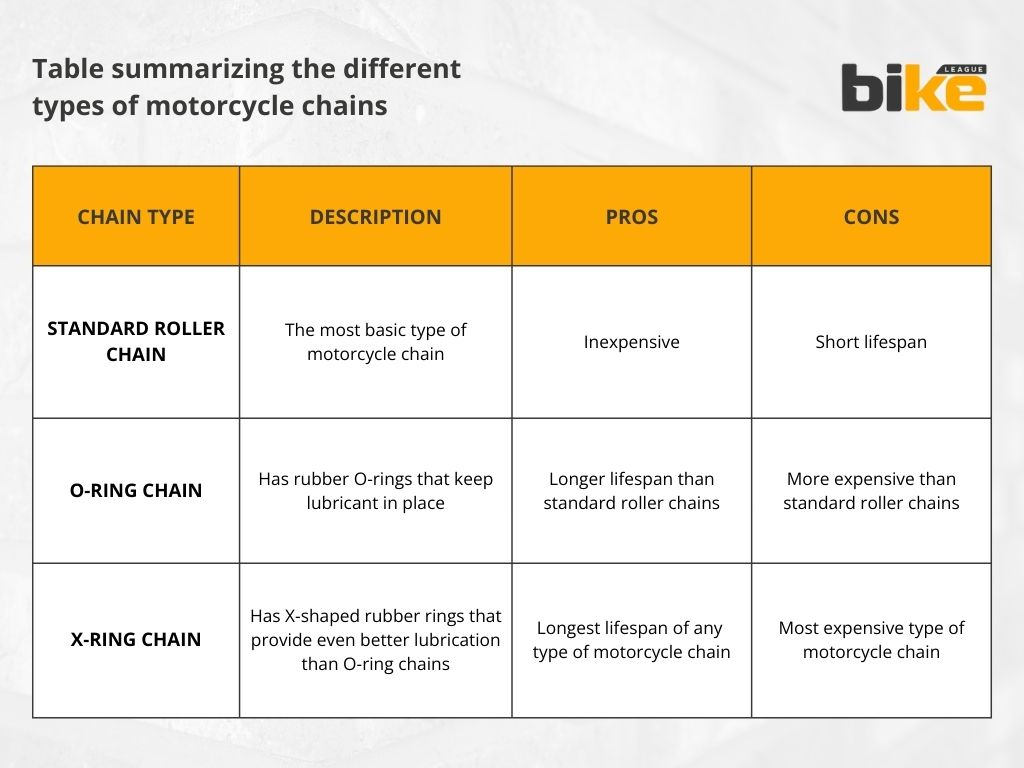
There are three main types of drive chains, and each has its own features.
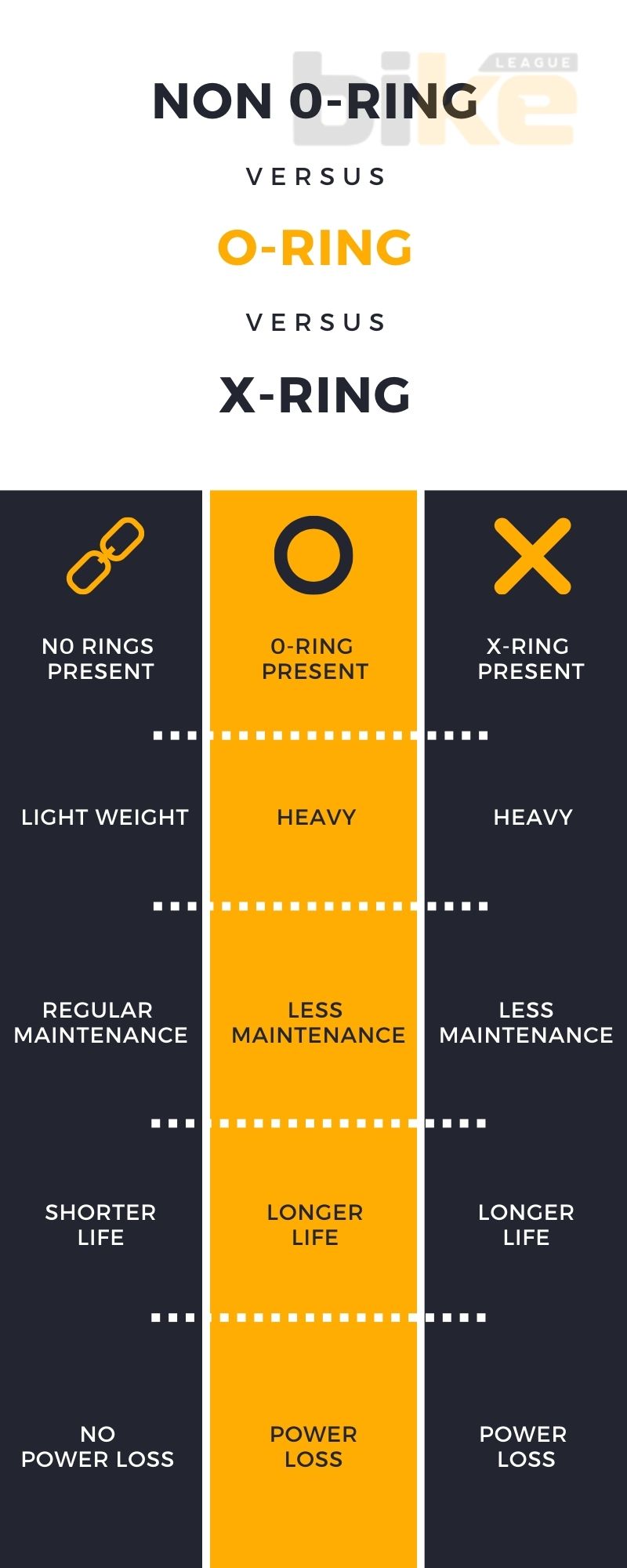
- Roller chain: There is no extra ring between the outer and inner roller link plates. Standard non-O-Ring chains are used on older motorcycles and on some of our latest small-capacity motorbikes. The standard roller chains are also non-self-lubricating and need to be lubricated regularly.
- O-ring chain: An extra ring in the shape of an O is between the outer and inner roller link plate. These O-rings are between the chain plates to seal the already vacuum-filled grease between the rollers and the other internal components of the chain. This mechanism, which gives O-ring-type chains self-lubrication, enables them to self-lubricate. Hence, they require less maintenance and have a longer life and better performance in the long run.
- X-ring chain: An extra ring in the shape of an X is present between the outer roller link plate and the inner roller link plate. X-ring type chains are modern chains with X-shaped rubber rings between the chain plates to seal the grease inside the chain components. These types of rings come in contact with a lesser surface area upon pressing. Hence, a lower drag coefficient is achieved while maintaining the efficient sealing properties that O-ring chains provide.
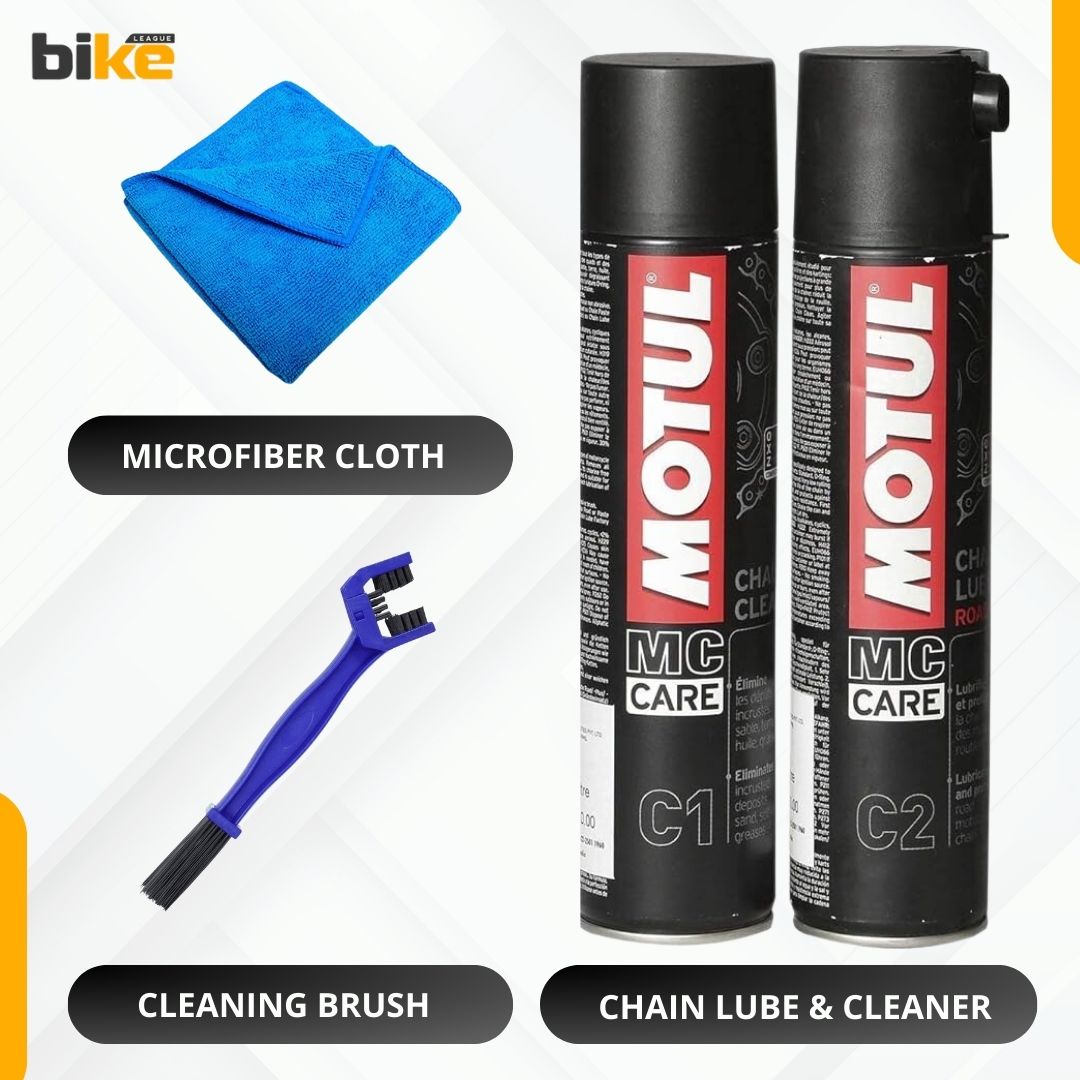
Tools Needed For Cleaning The Chain
How To Clean A Motorcycle Chain?
- First, never start the engine while cleaning the chain, and keep your fingers away from the chain at all times.
- Keep the motorcycle on a centre stand and make sure it is stable. If no centre stand is available, use a paddock stand. Keep the vehicle off the side stand.
- Overall, clean the motorcycle with water and ensure the surrounding area is clean.
- Now use a chain cleanser and allow it to soak in for 10 minutes. Please note that while using a chain cleaner, rotate the chain continuously.
- Use a chain cleaning brush and repeatedly clean until the chain is silver. Next, use a microfibre cloth to remove the remaining dirt from the chain.
- Start rotating the rear wheel, take the chain lubricant, keep the nozzle close to the chain, and start spraying. Make sure each chain link is lubed.
- Please note that chain lube should be sprayed in the links, not in the centre area of the chain.
- Do not overuse the lubricant or wash the motorcycle after lubrication.
Source: Royal Enfield YouTube
How To Maintain A Motorcycle Chain?
- Clean and lubricate chain every 500-600kms
- Check for chain slack by referring to the owner’s manual and adjusting as per the instructions given in the manual.
- The chain should be tight enough, as this will result in improper power transmission from the engine.
- Use grease instead of chain lube spray for long rides, as the grease stays longer.
What Are The Different Types Of Motorcycle Chain Lube?
| Type | Pros | Cons | Key Differences & Best For | Examples (₹, Size) |
|---|---|---|---|---|
| Wet Lube | Long-lasting in rain; easy apply; good penetration | Attracts heavy dirt/grit; messy cleanup; faster wear in dust | Stays wet/oily; heavy rain/monsoon riding | Motul C2 Road (₹450–600, 150ml), Castrol (₹300–450, 105ml) |
| Dry Lube | Low dirt attraction; clean look; cheap | Washes off in rain; shorter life (400–600km); reapply often | Dries to thin film; dry/dusty conditions | Muc-Off C3 Dry (₹800–1200, 120ml), Weldtite TF2 (₹400–600, 100ml) |
| Wax-Based | Cleanest (no grit); longest life (800–1500km); low friction/wear | Needs very clean chain first; poor in constant wet; pricey | Solid wax coat; highway/touring, low maintenance | Squirt (₹700–1000, 120ml), Motul C3 (₹600–800, 150ml) |
| Spray/Aerosol | Super quick/even apply; no drip; portable | Shorter duration; can fling off; solvent smell | Aerosol mist; daily commutes/quick jobs | Kangaroo Spray (₹250–400, 500ml), TRM (₹300–500, 400ml) |
| Ceramic/Grease | Extreme protection; high adhesion; off-road tough | Thick/messy; attracts some dirt; hard to clean | Nano-particles for wear; adventure/off-road | Motomax Ceramic (₹400–600, 400ml), Gulf Pro (₹500–700, 400ml) |
Wax works well for low-maintenance, long highway rides and is reliable in wet weather. Pick the type of lube that matches how and where you ride.
When Should We Replace The Motorcycle Chain And Chain Sprocket?
First, tension the chain properly according to your owner’s manual. Pinch the chain with your thumb and forefinger at about 2–3 o’clock on the rear drive sprocket of the rear wheel. Pull the chain in the rearward direction. If the chain pulls off the chain sprocket quickly and significantly, it’s time to replace the chain and sprockets. If the chain sprocket teeth are not parallel and pointed, it will cause damage and wear to the chain, so replace the chain sprocket immediately. One thing to note is to replace the chain and chain sprocket together, not as separate components.
Benefits Of Cleaning And Maintaining Motorcycle Chain
- Longer chain life
- Improve gear shift performance
- Prevents corrosion and reduces friction
- Improves mileage
How To Check And Adjust Motorcycle Chain
1. Inspection Process
Visual Inspection
Before diving into the adjustment process, start with a thorough visual inspection of your motorcycle chain:
- Look for signs of wear, damage, rust, or missing links.
- Check for proper lubrication, as a well-lubricated chain is essential for optimal performance and longevity.
Measuring Chain Slack
Chain slack is a critical aspect of chain maintenance. Here’s how to measure it:
- Position your motorcycle on a centre or paddock stand to ensure stability and safety during the inspection.
- Locate the midpoint between the front and rear sprockets.
- Measure the chain’s vertical movement at this point. The typical slack range is 25-30mm, but always refer to your motorcycle’s manual for the exact specifications.
2. Adjustment Procedure
Locating The Tight Spot
Before adjusting, it’s essential to find the chain’s tightest point:
- Rotate the rear wheel slowly and observe the chain tension.
- Identify the spot where the chain is tightest.
Adjusting Chain Tension
Once you’ve located the tight spot, follow these steps to adjust the chain tension:
- Use essential tools like a crescent wrench and pliers for the adjustment process.
- Adjust the chain tension at the tightest spot to the minimum specification in your motorcycle’s manual.
- After adjustment, check the slack at the loosest point to ensure it doesn’t exceed the maximum specification.
Ensuring Proper Alignment
Proper chain alignment is crucial for optimal performance and longevity:
- Don’t rely solely on the hatch marks on axle blocks or swingarm for alignment.
- Use a dedicated chain alignment tool for more accurate results.
3. Lubrication

Regular lubrication is essential, especially considering India’s environmental factors:
- Lubricate your chain every 300-500 km for optimal performance.
- SAE90W gear oil is recommended as an effective lubricant for both O-ring and X-ring type chains.
- In dusty conditions or during monsoon seasons, you may need to lubricate more frequently to combat environmental effects.
4. Safety Precautions
Always prioritise safety when working on your motorcycle:
- Wear safety glasses and nitrile gloves to protect against debris and chemicals.
- Ensure your bike is on a firm surface to prevent tipping or falling.
- Never run the bike in gear while cleaning or lubricating the chain to avoid accidents.
5. Common Mistakes To Avoid
Be aware of these common pitfalls in chain maintenance:
- Over-tightening the chain can lead to premature wear of sprockets and chains.
- Neglecting regular inspections. Aim to inspect your chain about twice a month or every 500-700 miles.
- Ignoring wear patterns on the sprocket. Look for even wear, cracks, and missing teeth, which indicate improper tension or alignment.
What Specific Signs Should A Rider Look For To Determine If The Motorcycle Chain Needs Immediate Attention In India?
Here are the key indicators that a motorcycle chain requires immediate attention:
1. Visible Wear On Sprockets
One of the most obvious signs is visible damage to the sprockets. If the teeth on the sprockets appear hooked or worn down, it clearly indicates that both the chain and sprockets need replacing. This wear can be accelerated in India due to road dust and grit, which act as abrasives.
2. Uneven Chain Tension
India’s varied road conditions, including many uneven surfaces, can rapidly affect chain tension. If the chain shows uneven tightness or it’s difficult to adjust it within the recommended tension range, both the chain and sprockets should be replaced. This is particularly important given the strain on the chain due to India’s poor road conditions.
3. Excessive Chain Slack
The constant jarring and movement caused by uneven road surfaces in India can lead to misalignment and increased wear, resulting in excessive slack. A chain with excessive slack or loose pins is a sign of wear that needs immediate attention, as it can affect the bike’s performance and safety.
4. Rust And Corrosion
Given India’s monsoon season and high humidity in many regions, rust and corrosion are significant concerns. Excessive rust, kinks, stiffness, and abnormal rattling noises indicate the chain needs to be replaced immediately. Riders should be especially vigilant for rust after the monsoon season or in coastal areas.
5. Noisy Chain
A worn chain often becomes noisy and may require more frequent lubrication. In India’s dusty conditions, this noise can be more pronounced as dust and grit accumulate on the chain, increasing friction and wear. If the chain is consistently noisy despite lubrication, it’s a sign that immediate attention is needed.
6. Binding Or Kinked Links
Binding or kinked links can indicate severe wear or damage. India’s dusty roads and uneven surfaces exacerbate this issue, leading to uneven power delivery and prompting attention.
7. Damaged O-rings
A close examination of the chain may reveal damaged O-rings, especially in areas where the chain is longer per link. In India’s hot climate, O-rings can deteriorate more quickly, making this a crucial sign to watch.
8. Frequent Lubrication Needs
If the chain requires more frequent lubrication, it could be a sign of wear. In India’s climate, where heat can cause lubricants to break down quickly, and dust can wash them away, this sign may require more attention.
9. Visible Stretching
Perform the chain pull test by grabbing the chain at the rear sprocket’s rearmost part and trying to pull it away. If the chain pulls away significantly, it indicates wear and needs immediate attention. This test is particularly relevant in India, where the combination of heat, dust, and uneven roads can accelerate chain stretching.
10. Discolouration Or Dryness
In India’s hot climate, chain lubricants can evaporate quickly. If the chain appears dry or discoloured, especially after riding in dusty conditions, it’s a sign that immediate lubrication and possibly replacement are needed.
What Are The 10 Common Motorcycle Chain Mistakes Beginners Make?
- Lubing a dirty chain: Applying lube to a dirty chain traps grit, creating a grinding paste that wears the chain out quickly. Always clean your chain first using a dedicated chain cleaner—not petrol or diesel.
- Using WD-40 as lube: WD-40 is a solvent, not a lubricant. It’s fine for cleaning, but always follow up with proper chain lube to protect your chain.
- Setting the chain too tight: An overly tight chain puts extra stress on bearings and sprockets, causing them to wear out faster. Always check and adjust slack on the centre stand (25–35mm is typical), not the side stand.
- Over-lubricating: Too much lube attracts dirt and grime. Apply a thin, even coat to the inside rollers, then wipe the outer plates clean.
- Lubing the chain while it’s hot: Lubricant can evaporate or fling off quickly. Let your chain cool down before lubing—doing it the night before a ride works well.
- Using the wrong cleaning solvent: Petrol or diesel can damage O-rings. Stick to a dedicated chain cleaner or a kerosene mix for safe and effective cleaning.
- Ignoring sprockets: Worn or hooked sprocket teeth can damage your chain. Inspect sprockets regularly and replace both chain and sprockets as a set every 20,000–30,000 km.
- Lubing the wrong side: Focus the lube on the inside rollers and pins. Wipe the outer plates clean, and avoid spraying the tyres.
- Skipping tension checks: Chains that are too loose can snap, while those that are overtight can bind. Check tension every 500 km or after long, hard rides.
- Riding with a stretched chain: a costly mistake. Replace the chain when it reaches 1–2% stretch to avoid damaging your sprockets.
Common Myths About Motorcycle Chains And Their Maintenance
Myth 1: Wd‑40 Ruins O‑rings
Fact: WD‑40 won’t destroy modern O‑ring chains—tests show no damage to nitrile rubber seals after prolonged exposure. Use it as a cleaner or water displacer, but always follow with dedicated chain lube for longevity.
Myth 2: Tighter Chains Last Longer
Fact: Over‑tight chains stress bearings, sprockets, and suspension, leading to faster wear or breakage. Aim for manufacturer slack (usually 25–35 mm); too tight is worse than slightly loose.
Myth 3: Lube Only After Washing
Fact: Clean and lube every 500–800 km, after rain, or dusty rides—not just post‑wash. Indian monsoons and roads demand more frequent checks to prevent rust and wear.
Myth 4: New Chains Are Pre‑lubed Forever
Fact: Factory lube wears off quickly; lubricate within the first 100 km and regularly after. Skipping this accelerates roller and pin wear on bikes like Royal Enfield or Pulsar.
Myth 5: More Lube Means Better Protection
Fact: Excess lube traps dirt and grit, grinding your chain faster. Apply thin, even coats after cleaning, let it penetrate, then wipe off excess for optimal results.
Faq About Motorcycle Chain Maintenance
1. Are Motorcycle Chain Guards Necessary?
Motorcycle chain guards extend the chain’s cleaning interval. If the chain is naked, the cleaning interval is much less and needs more frequent maintenance. When the bike chain guard is in place, it protects against debris, sand, and dirt, extending the cleaning interval.
2. Are All Bike Chains The Same?
No, several motorcycle chains are classified by ring type: X-ring, O-ring, and roller.
3. Are All Bike Chains Driven?
No, some motorcycle companies, like Harley-Davidson, also use belts instead of chains.
4. Does Motorcycle Chain Lube Expire?
Typically, motorcycle chain lube lasts up to 500 km under normal conditions. When conditions are extreme, 200-250 km chain lubing is recommended.
5. Can A Two-wheeler Chain Be Loose Or Tight?
No, motorcycle chains cannot be loose or tight; the chain slack should be as specified in the service manual.
6. Can I Clean The Motorcycle Chain With Wd-40?
Yes. However, it is recommended to use a chain cleaner first, then a chain lube. There are dedicated chain-cleaning products, and WD-40 is an all-purpose product. So, it is better to use a reliable chain cleaner.
7. Can You Clean The Motorcycle Chain With Kerosene?
Kerosene can be used to remove hard grease stains. But we recommend using a professional chain cleaner instead of kerosene.
8. Can I Adjust The Motorcycle Chain On The Sidestand?
No. A motorcycle chain adjustment is generally not recommended when the bike is on the side stand. This is because the bike’s weight is not evenly distributed on the side stand, which can affect the accuracy of the chain slack measurement.
Additionally, adjusting the chain on the side stand can overstress the chain and sprockets, leading to premature wear. It is best to change the motorcycle chain while on a centre stand or lift. This will ensure that the chain is evenly tensioned and that the measurement is accurate.
9. How To Clean A Motorcycle Chain Without A Stand?
Use a paddock stand in case the motorcycle does not have a centre stand. Never clean the bike chain on a side stand.
10. How To Lube A Bike Chain Without A Stand?
Use a paddock stand in case the motorcycle does not have a centre stand. Never lubricate the bike chain while it’s on a side stand.
11. Where To Apply Two-wheeler Chain Lube?
Motorcycle chain lube should be applied to all four sides of the chain and the sprockets. The best way to do this is to hold a piece of cardboard behind the chain as you rotate the wheel, spraying lubricant onto the chain as it moves.
12. Will A New Bike Chain Stretch?
Yes, a new motorcycle chain will stretch slightly over time. This is due to the wear and tear of the pins and rollers that make up the chain. The amount of stretch will vary depending on the type of chain, the riding conditions, and the chain maintenance. However, replacing the chain after stretching it by about 1/2 to 3/4 of an inch is generally recommended.
13. Can A Bike Chain Be Too Tight?
If the chain slack is too tight, it can wear out prematurely and cause other problems with the drivetrain.
14. Can A Bike Chain Be Too Loose?
The chain slack can jump off the sprockets if it is too loose.
Other Related Articles From Bikeleague India Team
- Motorcycle Sprocket & Gear Ratios – The Ultimate Guide
- Bike maintenance at home: Save money & time on services
- Motorcycle service – All things you need to know explained
- Bike clutch – Different types explained with pros & cons
- Ola S1 X
Conclusion
Regular motorcycle chain maintenance is key to keeping your bike safe, running well, and lasting longer. If you clean, lubricate, and check your chain regularly, you’ll enjoy better rides and avoid sudden breakdowns or costly repairs.
Spending just a few minutes each month on your chain can make a big difference. Follow these tips for smoother rides and peace of mind. If you stay on top of maintenance, your motorcycle will keep running well for a long time.
If you have any questions, you can email us at bikeleague2017@gmail.com or leave a comment below. We’re always happy to help. You can also connect with us on Bikeleague India’s social media pages.

“Great article! Chain maintenance is crucial for a smooth and safe ride, and this guide breaks it down really well. I’ve found that using a dedicated chain brush makes cleaning much easier and more effective. Also, applying chain lube after a ride rather than before helps with better absorption. Do you have any specific brand recommendations for chain cleaners and lubricants? Thanks for sharing these useful tips!”
Thank you for the kind reply
You can opt for brands like Motul and Motorcycle specific chain lube products for the same.