
Long story short: Learn proven FI bike troubleshooting steps, different types of starting, myths, misconceptions, push-start myths, and safe jump-start tips in modern BS6 motorcycles in India.
Fuel-injected (FI) motorcycles are quickly becoming favorites among Indian riders and will be the only choice as emission norms become stricter over the years. These strict emission limits cannot be achieved by carburetors and so FI is the solution for manufacturers ahead.
However, real-world challenges like battery drain, fuel pump hiccups, and sensor glitches—often triggered by humidity or poor-quality fuel—can make starting your bike a frustrating experience. In this blog, we will walk you through simple troubleshooting steps, break down the truth behind the 2nd gear push-start myth, explain the potential risks to your bike, and share handy checklists to keep you safe and your ride reliable. The goal? To help you ride with confidence and visit the dealer only when absolutely necessary.
Key Takeaways
- Modern fuel-injected motorcycles require updated knowledge, as traditional push-starting methods often don’t work and can cause damage.
- Regular battery maintenance and timely replacements are crucial to the reliability of FI motorcycles—prevention is better than an unexpected breakdown.
- Jump-starting is the safest alternative when your bike won’t start, but it’s important to use the right technique and equipment to avoid harming the electronics.
- Don’t hesitate to seek professional help when needed; knowing your limits can save you from costly mistakes.
- Embrace new technology and stay curious—being open to learning ensures you get the most from your riding experience and keep your motorcycle in top shape.
What are the different types of starting in motorcycles?
Ever wondered how many ways there are to fire up your motorcycle—especially when things aren’t going as planned? Let’s break down the different starting methods and which ones actually work on today’s bikes.
Classic kick-starts are fading out as electric starters take over, but if your battery lets you down, you might be tempted to try a push-start. Just be careful—on modern BS6 bikes, emergency tricks like this can do more harm than good, since the fancy electronics need solid battery power to even wake up.
1. Motorcycle Starting Methods Explained as a table
| Type | Mechanism | Pros | Cons | Best For FI Bikes? |
|---|---|---|---|---|
| Kick Start | Foot lever spins crankshaft directly | Battery-independent, reliable in dead battery cases | Physical effort, cold start struggles | Yes, dual-start Pulsars/TVS |
| Electric Start | Button activates starter motor via battery | Effortless, quick in traffic | Battery failure stalls it | Primary on all FI models |
| Push Start (Bump) | Push to 10-15km/h in 2nd gear, clutch dump | No tools needed | Damages FI clutches/ECUs | Avoid—low success |
| Jump Start | External 12V source powers electric start | Revives dead batteries safely | Needs cables/booster | Preferred FI fix |
| Roll Start | Gravity on slope + gear/clutch same as push | Hands-free on hills | Same FI risks as push | Rare, risky |
2. Which starting method is best for Fi motorcycles?
Jump Start in FI Motorcycles: What Works and What not?
Kick-starts are famous for their old-school reliability, but they do make your leg work for it. Also, most modern Fi motorcycles are ditching the kick start option. Electric start is the go-to for city riders—just press a button and go! The catch? If your battery drops below 12.6V, you’re likely among the 60% of riders facing starting headaches.
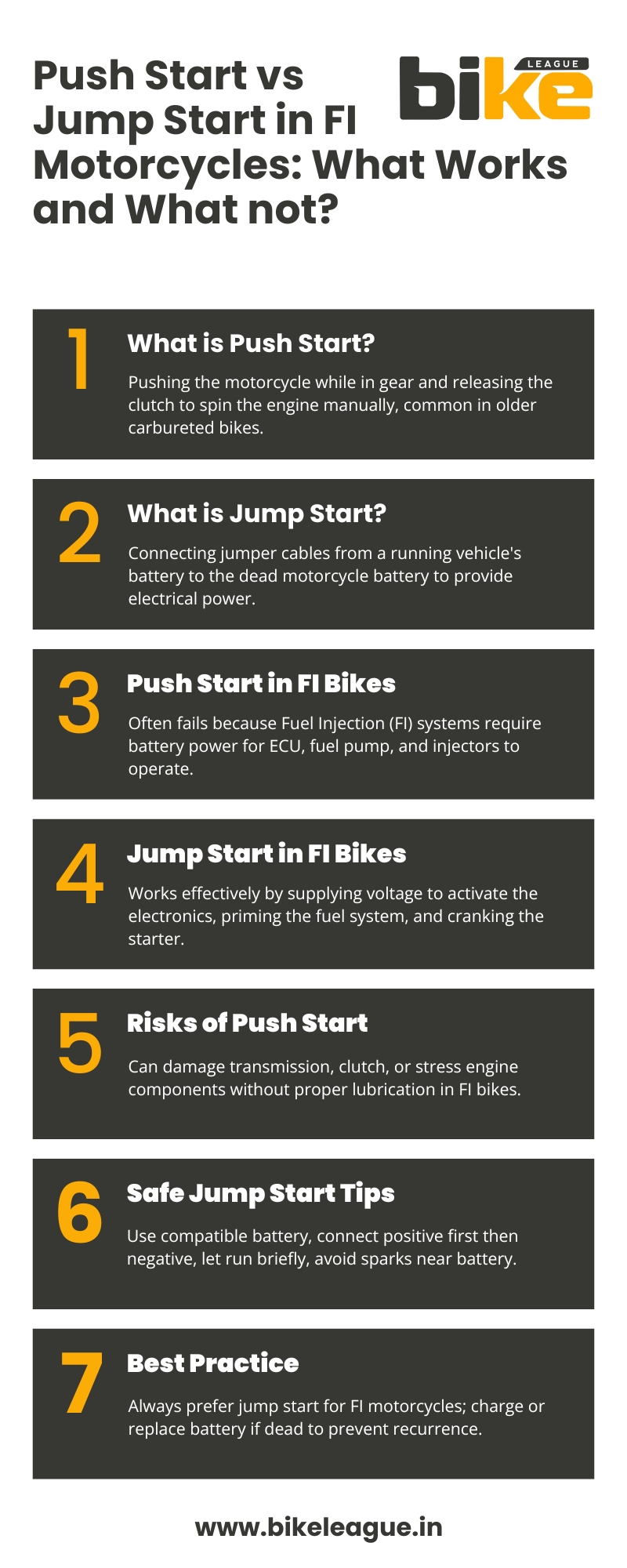
Push-starting or rolling your bike can cause weird RPM swings, clutch damage, and mystery error codes to light up your dash—especially on BS6 machines. Jump-starting is much safer: it gives your bike’s brain (the ECU) the power it needs and lets the alternator recharge things once you’re running.
3. Modern FI Bikes: What’s Different?
Today’s bikes are built around electric starting, with kick-starters almost disappearing. Pure FI rides like the Yamaha FZ or Hero Xtreme simply won’t start if the battery is low, because the injectors need juice! If you’re a tourer, always pack a jump-starter instead of risking a push. Staying on top of regular maintenance means you’ll spend less time fighting electrical gremlins and more time enjoying the ride.
Why FI Starting Issues Plague Indian Riders?
Modern BS6 Phase 2 FI systems are much more sensitive than older carbureted bikes—they require the right battery voltage for the ECU, fuel pump, and sensors to work together. The most common headaches for riders? Corroded terminals (this happens in about 60% of cases!), a silent fuel pump, or a flashing check engine (MIL) light, which might mean dirt in the throttle body or a faulty intake air temperature (IAT) sensor. While it’s tempting to try push-starting if you’re stuck, it’s not a quick fix—it can seriously wear out your clutch and even damage the ECU, especially on India’s rough roads.
Safety Protocols Before Any Troubleshooting
Always start by parking on flat ground, away from traffic and any flammable materials. Put on insulated gloves for safety, keep the kill switch OFF while you’re checking things, and take a look at the check engine (MIL) light. If it’s flashing, it’s best to get a dealer scan to avoid any injector damage. Double-check that no one is near moving parts, and keep your phone charged—you never know when you might need to call for help.
What is the detailed step-by-step troubleshooting checklist if the Fi motorcycle does not start?
Follow this sequence for FI models:
1. Pre-Troubleshoot Safety
- Park on a flat, non-flammable surface away from traffic.
- Ensure the kill switch is OFF.
- No bystanders near moving parts; phone charged for roadside aid.
- Note MIL light status before starting (flashing = dealer scan).
2. Basic Electrical and Mechanical Checks
- Fuel tank >1/4 full; no adulterated petrol smell.
- Kill switch RUN, side stand UP, clutch IN, gear NEUTRAL (lights confirm).
- Clean battery terminals (baking soda/water); voltage >12.6V (multimeter).
- Tighten loose wires; fuses intact (main, starter, pump).
- Headlight/turn signals work (tests alternator/stator).
3. Fuel System Priming Test
- Ignition ON (no crank): Hear 2-3s pump buzz from tank?
- The FI light on the dashboard illuminates, then goes off? (ECU self-test).
a. Yes: Cycle OFF-ON x3; proceed to crank.
b. No: Check pump fuse/relay (clean contacts); wiring to tank.
4. Cranking and Fire-Up Procedure
- Short cranks (2-3s each,
a. Slow/No crank: Jump-charge (12V source, cables); avoid push.
b. Cranks but no start: Spray intake cleaner (diag only); check plugs wet/fouled. - Post-start: Idle stable? No smoke/MIL? Rev gently to circulate oil.
5. Advanced Diagnostics (Multimeter, Spark Tester Needed)
- Compression test: 120-150 PSI all cylinders.
- Spark: Strong blue at plugs (no fuel yet).
- Air filter clean; throttle body no gunk (MAF spray).
- OBD scan for codes (dealer app or tool).
6. The 2nd Gear Push-Start Myth: Does It Work?
You might have heard that you can push-start an FI bike by getting it rolling at 10–15 km/h in 2nd gear and letting out the clutch—but on 2026 models, this trick almost never works. The ECU, injectors, and sensors all need at least 10–12V from the battery to fire up, so if your battery is dead, the bike won’t start, no matter how fast you push. On rare occasions, really light bikes like the TVS Raider might start if the battery has a tiny bit of life left, but most experts say it’s not worth the risk.
How does push-starting actually hurt your FI bike?
Let’s be real: If you try push-starting a modern FI motorcycle, you might do more harm than good. Here’s what can really happen:
- Clutch and gearbox pain: When you dump the clutch to try and get the engine spinning, it’s like asking your bike to run a marathon with a pulled muscle. The clutch plates can take a beating, and the transmission synchronizers don’t like these sudden jolts—especially with all the potholes and bumps on Indian roads.
- Electrical headaches: If the stator isn’t making enough power (less than 12V), your FI system freaks out. Sensors and relays can get fried, and you might see mystery error codes pop up on your dash that only a dealer can reset.
- Engine stress: Without sufficient battery voltage, the oil pump and ECU don’t function properly. Bearings and valves can get damaged, and if the fuel mix is wrong, injectors and even the catalytic converter can overheat or clog up.
- BS6 blues: Modern bikes are strict about emissions. Push-starting can mess with O2 sensors, trigger check-engine lights, and, if you’re unlucky, void your warranty. Repeated attempts can also wear out your fuel pump or warp valves.
All of this can get expensive fast! You could spend a few thousand rupees just to reflash the ECU. On lighter bikes, the clutch might start slipping in as little as 5,000 km.
So what’s smarter?
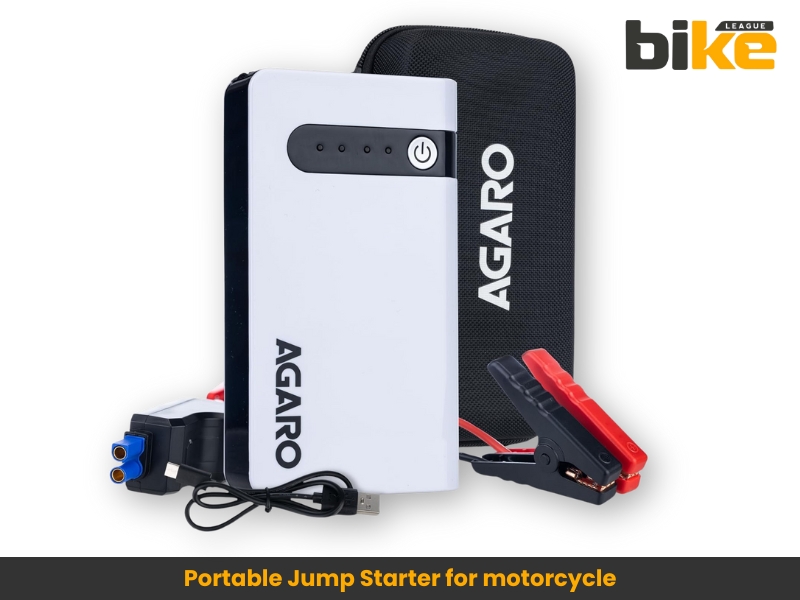
If you’re stuck, use proper 12V jump cables or a portable lithium booster (NOCO and Projecta are solid brands). Always double-check the polarity!
- If your bike still has a kick-starter (like some Pulsar models), use it—it’s there for a reason.
- For prevention: Check your battery every week (aim for 12.6V or higher), clean your MAF sensor every month, and stick with branded fuel. Service your bike every 3,000 km. If you ride in humid places like Kerala, invest in a quality battery (Amaron or EXIDE).
- And if you’re a touring fan, pack a portable jump starter. It’ll save your ride—and your day.
Print this checklist and keep it handy. When your bike starts without fuss, you’ll spend more time on the road and less time stuck on the shoulder.
Push Start Motorcycle vs Jump Start: What Works for FI Bikes?
If you’ve ever found yourself with a dead battery in the middle of nowhere, you might wonder: Should you try to push-start your bike, or is jump-starting the better option? Let me break it down in plain English.
Jump-starting is the safer and more reliable way to get your 2026 fuel-injected motorcycle running again. When you jump-start, you’re giving your bike a proper 12V boost—enough juice for all the electronics and the ECU to wake up. As long as you use a motorcycle-rated booster or cables (and double-check polarity!), this method won’t damage your bike. After jump-starting, let your engine idle or ride gently for at least 30 minutes to recharge your battery.
Push-starting, on the other hand, just isn’t built for modern FI bikes. Even if you manage to get some momentum (usually 10–15 km/h in 2nd gear), most ECUs need a healthy battery to work, so the trick rarely works. Worse yet, trying this repeatedly can wear out your clutch, mess up your fuel pump, and even cause expensive ECU problems. On India’s rough roads, the risk of slipping and further damage is even higher. For most riders, it’s simply not worth the gamble.
1. Push Start Motorcycle vs Jump Start: Comparison Table
| Aspect | Push-Starting (2nd Gear Bump) | Jump-Starting (Battery Booster/Car) |
|---|---|---|
| Success Rate | Low (needs 10-12V residual; fails on dead batteries) | High (powers ECU/pump directly) |
| Damage Risks | High: Clutch shred, erratic RPMs fry sensors/injectors, OBD codes, cat converter melt | Low if polarity correct; possible overload if car is revved hard |
| Effort/Safety | High effort, fall risk on potholes; unsafe alone | Low effort, safer with cables/booster; sparks possible |
| Best For | Emergency only (partial charge, light bikes like TVS Raider) | All FI scenarios; alternator charges during ride |
| Cost | Free but repair ₹2000+ (ECU reset / clutch work) | Booster ₹2000–5000; cables around ₹500 |
2. The bottom line
If your battery is weak, reach for a jump-starter or call for help. Save yourself the headache (and repair bills) by skipping the push-start myth—especially on bikes like the Pulsar N160 or Yamaha FZ-S FI, where damage can be costly.
3. Pro tip
Keep a compact jump-starter in your bag, especially if you ride solo or tour in remote areas. Regular battery checks can also help you avoid this situation altogether.
What are the do /don’ts for emergency actions in cases of refusal to start on the roadside ?
If your fuel-injected motorcycle suddenly refuses to start on the road—especially if you’re riding a modern BS6 model—don’t panic. Here are the key actions to keep yourself and your bike safe while you figure out the problem:
| Action Type | Do | Don’t |
|---|---|---|
| Safety First | Park off traffic, kill switch OFF, note MIL light. | Ignore flashing MIL—scan at dealer. |
| Quick Checks | Neutral/stand up, fuel >1/4, clean terminals >12.6V, listen for pump buzz. | Crank >15s total—overheats starter. |
| Starting Method | Jump-start: + to battery first, – to frame; idle 30min after. Use kick if available. | Push-start 2nd gear—clutch/ECU damage, low success. |
| Get Help | Call 112/SOS apps; flash hazards for visibility. | Skip jump polarity—risks fire/sparks. |
| Post-Start | Ride/rev gently to charge alternator. | Ride off uncharged—issue recurs fast. |
What to monitor next, e.g., symptoms of deeper electrical problems, when to visit the dealer, or even if the bike starts?
Once you’ve got your bike running again—whether it’s a Pulsar or a Yamaha—don’t just breathe a sigh of relief and forget about it. Pay attention to how your bike behaves over the next few rides. Sometimes, the real trouble reveals itself only later.
If you notice anything odd—like flickering lights, weird sounds, or sluggish acceleration—it could mean there’s still an issue with your battery, alternator, or even the sensors. Bad fuel or a stressed ECU can also leave hidden trouble codes.
1. Your Post-Fix Rider’s Checklist
- Dashboard Lights: Is the check engine (MIL) light still on, or is it popping on and off? That usually means your bike’s computer has stored an error code. Don’t ignore this—riding in limp mode or with emissions issues can cause bigger headaches.
- Battery/Alternator Health: When you rev the bike at around 2000 RPM, does the voltage stay steady between 13.5 and 14.5V? If it dips or if your headlights and horn seem weak, your charging system might need help.
- Idle Quality: Is your bike idling rough, stalling, or revving high when cold? That could mean your throttle or sensors are dirty, or you got some bad petrol clogging things up.
- Performance: Does your bike hesitate, lose power, or puff out black smoke? That’s your ECU trying to work around fuel or spark problems.
- Strange Sounds or Smells: Hear buzzing, see flickering on the console, or smell something burning? You could have a wiring issue or a failing stator—don’t ignore it.
- After-Ride Battery Check: After a 30-minute ride, check your battery—if it drops below 12.4V quickly, you might have a slow drain somewhere (Yamaha owners, the AIS module is a usual suspect).
2. When Should You See a Mechanic?
- The check engine (MIL) light stays on for more than 5 minutes or flashes after starting.
- You spot weird voltage readings or error codes on your app or scan tool.
- The same issue comes back within 100 km, or your bike refuses to prime the next day.
- On BS6 bikes, failed self-tests or O2 sensor warnings could impact your warranty and emissions. Don’t wait—get it checked.
3. Prevention Routine
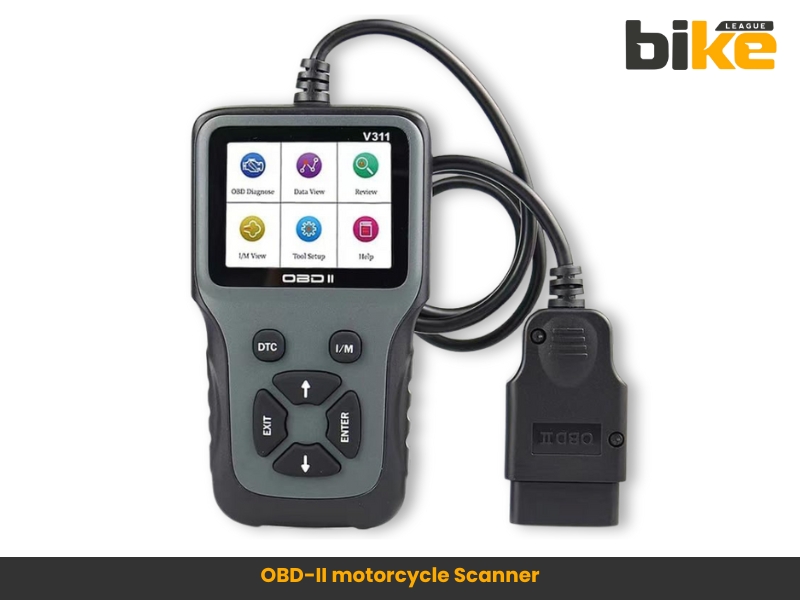
Ride 20-30km steady after fix to charge; use OBD scanner (₹2000) monthly. Branded fuel and terminal grease help prevent humidity recurrence in Kerala. Early dealer intervention saves ₹5000+ on ECU replacements.
Does Push Start Motorcycle Attempts Affect Warranty or Insurance in India?
Picture this: You’re stranded, feeling desperate, and you decide to push-start your bike one last time. It might seem harmless, but that choice could actually put your warranty and insurance claims at risk down the road.
Manufacturers often say that damage caused by push-starting—like a worn clutch or transmission—isn’t covered under warranty, especially if it’s not recommended in your owner’s manual. Insurance companies can also deny claims if they determine the issue resulted from neglect or a non-standard repair. In short, what seems like a quick solution could be an expensive mistake.
1. How Your Warranty Could Be Affected
If you try to push-start your FI bike and something goes wrong, manufacturers like Hero, Bajaj, Honda, and Royal Enfield might refuse to fix it under warranty—especially if your service records show repeated push-start attempts. They look for signs of clutch wear or engine trouble caused by improper starting methods. To keep your warranty intact, stick to the recommended starting methods in your owner’s manual and always get your bike serviced on time at an authorized center. For example, Hero’s 5-year/70,000 km warranty requires strict service records and following the book—no shortcuts!
2. What About Your Insurance?
Just because you pay for insurance doesn’t mean every repair is covered. Comprehensive two-wheeler policies will fix damage from accidents, but not if they think you were negligent or broke the rules. There’s no specific clause about push-starts, but if the surveyor sees that your clutch damage was avoidable or from repeated push-starting, your claim might get rejected. You’ll also need to show lots of paperwork—FIR, photos, and more. Keep in mind: third-party insurance doesn’t help at all with fixing your own bike.
3. Quick Tips to Protect Yourself
- Check your owner’s manual before you try anything new. If it says ‘no push-starts,’ trust it!
- Always get your bike serviced on time at an authorized workshop and keep those service bills safe—they’re your best friend if you ever need to claim warranty or insurance.
- If you ever have to file a claim, report it as soon as possible—and check if you have zero-dep or other handy add-ons for extra peace of mind.
What are the common myths and misconceptions about starting in motorcycles in India?
Here are the most common prevalent myths about motorcycle starting in India, often blending outdated practices with BS6 FI realities. These misconceptions can lead to engine damage or denied claims; the table below debunks them with facts.
Common myths and misconceptions as a table
| Myth | Misconception | Fact |
|---|---|---|
| 1 | Push-starting is always safe and easy. | Risks clutch/transmission wear and ECU errors in FI bikes without battery power. |
| 2 | No battery needed for kick-start on FI bikes. | ECU/sensors require voltage; dead battery prevents proper fuel injection. |
| 3 | Electric start drains battery faster than kick. | Modern alternators charge efficiently; kicks don’t recharge during operation. |
| 4 | Push-starting saves battery life long-term. | Repeated use accelerates wear, leading to costlier repairs. |
| 5 | All bikes handle push-starts like the carburetor era. | BS6 FI needs electric priming; improper starts cause misfires. |
| 6 | Kick-starting protects the engine from starter motor failure. | Both methods stress components similarly; starter motors are durable. |
| 7 | Cold engines must be push/kick-started. | Use choke/throttle input on electric for cold starts; follow manual. |
| 8 | Push-starts won’t void warranty. | Damage from non-recommended methods is often denied under neglect clauses. |
| 9 | FI bikes kick-start without any electric aid. | Injectors/ECU fail without power, even on kick. |
| 10 | Bump-starting uphill is risk-free. | Higher stress on clutch/gearbox; safer to fix battery issues first. |
What are the alternatives if you can’t access a jump-starter or mechanic in remote locations?
Imagine you’re miles from the nearest town, your bike won’t start, and there’s no jump-starter (or friendly mechanic) in sight. It’s a stressful situation, but you’ve still got options. The most important thing is to stay calm, keep yourself safe, and focus on getting help instead of risking bigger problems with a push-start.
1. Stay Safe and Get Noticed
First things first: get your bike out of harm’s way—move it off the main road if you can. If your battery still has a little life, switch on your hazard lights or flash your indicators to be seen. Traveling with friends? Use your helmet intercom or phone to let them know you need help. Riding solo? Make yourself visible: wave down passing vehicles with something reflective, or use a whistle or high-vis vest if you have one. The goal is to make sure other people know you’re there and might need a hand.
2. Move Smart, Not Hard
If you’re close to a village or a shop—say, within a kilometer or two—try to push your bike there instead of attempting risky fixes. Stick to flat or downhill stretches (never uphill if you can avoid it), and keep the kill switch on so you don’t accidentally flood the engine. Only try a bump-start if you’re going downhill and really have no other choice. If you’ve packed a portable jump kit or a small solar charger, this is the time to use it!
3. Reach Out for Rescue
Don’t hesitate to call for help: dial 112 for pan-India emergency services or the local highway patrol if you’re near a main road. Apps like SOS or What3Words can help friends or rescuers find your exact location—even in tricky spots. If you’re riding in a group, it’s smart to share your live location before you set out. And if you’re touring places like Kerala, watch for livestock and steep hills, and always carry a bit of extra fuel and a basic first-aid kit. For group rides, having a designated sweep rider for breakdowns can be a real lifesaver.
4. Prevention: Your Best Backup Plan
A little preparation goes a long way. Always ride with a basic toolkit, spare fuses and spark plugs, a tire repair kit, and an offline GPS app like Maps.me. Keep your battery healthy with a maintainer if your bike sits for long periods. Remote start alarms can keep your bike secure, but remember—they won’t help if the battery is already flat. Most importantly, take regular breaks on long rides; fatigue is just as dangerous as a breakdown.
Technical Jargon Glossary
This quick glossary breaks down the jargon you’ll hear while dealing with FI motorcycle issues, so you can feel confident whether you’re chatting with a mechanic or solving a problem on the roadside. Whether you’re new to BS6 tech or just want to brush up, these simple explanations are here to help you ride smarter.
| Term | Meaning | Why It Matters |
|---|---|---|
| ECU (Electronic Control Unit) | Bike’s “brain”—computer managing fuel, ignition, emissions. | Needs 10-12V to activate; push-starts often fail without it. |
| MIL (Malfunction Indicator Lamp) | Dashboard check engine light—flashes for errors. | Stored codes trigger limp mode; scan ASAP to avoid warranty issues. |
| FI (Fuel Injection) | Electronic fuel delivery replacing carburetors. | Requires battery priming; sensitive to low voltage/humidity. |
| OBD (On-Board Diagnostics) | Scanner port for reading DTC error codes. | ₹2000 tools reveal issues like P0110 (IAT sensor) before breakdown. |
| DTC (Diagnostic Trouble Code) | P-codes (e.g., P0335 crank sensor) stored by ECU. | Common culprits: sensors, injectors; dealer clears emissions faults. |
| IAT (Intake Air Temperature) Sensor | Measures incoming air temp for fuel mix. | Fault (P0110/P0111-P0113) causes rough idle; clean in humid Kerala conditions. |
| TPS (Throttle Position Sensor) | Tracks throttle opening. | P0122/P0123 errors = erratic revs; throttle body cleaning fixes most. |
| MAP (Manifold Absolute Pressure) | Monitors engine vacuum/load. | P0106-P0108 high/low = wiring issue; affects starting/power. |
| O2 Sensor | Oxygen sensor for emissions/exhaust mix. | BS6 critical; push-start damage triggers P0130-P0134, fails PUC tests. |
| MAF (Mass Air Flow) | Airflow meter in intake. | Dirty from bad fuel = poor mileage; monthly spray cleaner. |
FAQs on Push Start Motorcycle vs Jump Start in FI Bikes
1. Why do fuel-injected motorcycles face starting problems?
Fuel-injected motorcycles depend on electronic components such as the battery, fuel pump, sensors, and ECU. A weak battery, sensor malfunction, high humidity, irregular usage, or poor-quality fuel can prevent the system from priming correctly, leading to starting issues.
2. Can a fuel-injected motorcycle be push-started?
Short answer: Most fuel-injected motorcycles cannot be reliably push-started because the fuel pump and ECU need sufficient battery power. Without it, the engine will not receive fuel, and repeated attempts may cause electrical stress.
3. Is push-starting an FI bike in second gear safe?
No. The second-gear push-start method is a myth for fuel-injected bikes. It can strain the electrical system, damage sensors, and potentially harm the ECU, resulting in expensive repairs.
4. What is the safest way to start an FI motorcycle with a dead battery?
Jump-starting using proper jumper cables and a compatible power source is the safest method. It supplies enough voltage for the fuel pump and ECU without risking damage to the electronic systems.
5. How important is battery maintenance for fuel-injected motorcycles?
Battery health is extremely important in FI motorcycles. Regular voltage checks, clean terminals, limited idle storage, and timely battery replacement help prevent unexpected starting failures.
6. When should I take my FI motorcycle to an authorized service center?
If the motorcycle does not start even after jump-starting, shows repeated warning lights, or stalls frequently, it’s best to visit an authorized service center to avoid further damage.
7. Does a fuel-injected bike need the choke during cold starts?
No. Fuel-injected motorcycles do not use a manual choke. The ECU automatically adjusts the air-fuel mixture during cold starts using sensor inputs.
8. Can rain or humidity affect FI motorcycle starting?
Yes. High humidity and water ingress can affect sensors, wiring couplers, and ignition components. Poor electrical connections may cause delayed or failed starts in wet conditions.
9. How long should the fuel pump prime sound last before starting?
Normally, the fuel pump priming sound lasts 2–3 seconds when the ignition is switched on. If you don’t hear it, there may be a battery, relay, or fuel pump issue.
10. How often should the battery be replaced in an FI motorcycle?
On average, FI motorcycle batteries last 2–4 years depending on usage, climate, and maintenance. Frequent short rides and long idle periods can shorten battery life.
Other Related links from Bikeleague India
- Why do Fi bikes rev high on cold start?
- Fuel Priming Pump Guide: Usage & Care for Indian Bikes
- Bike clutch – Different types explained with pros & cons
- Yamaha FZS Fi
- Yamaha Ray ZR Street Rally 125 Fi
Conclusion
Modern FI motorcycles in India aren’t just machines—they’re companions for your daily commute, weekend escapes, and long road trips. The landscape is changing fast, and what worked a decade ago doesn’t always cut it today. Instead of fighting technology or relying on old-school tricks, it pays to stay informed and proactive.
Take care of your battery, learn the basics of safe troubleshooting, and don’t hesitate to call for help when you really need it. With a little preparation, you’ll spend more time enjoying the open road and less time worrying about unexpected breakdowns. Ride safe, stay curious, and let every journey teach you something new.
If you have questions, doubts or want more information about push start or jump start in motorcycle, email us at bikeleague2017@gmail.com or leave a comment below. We are here to help. You can also follow Bikeleague India on social media to stay updated.