

This guide is for new riders in India who want to compare commuter motorcycles, sportier and heavier bikes, petrol scooters, and electric scooters. Use the shortlist and checklists to see if a bike fits you, has good brakes, is affordable to own, and has local service support before you choose your first two-wheeler.
Getting your first two-wheeler in India is exciting, but with so many good choices, picking the right bike can feel confusing.
When making your first shortlist, think about your experience, daily travel, and budget, not just your favorite brand. Compare different models and versions, then check if they fit you and meet your needs using the tips below. Use these recommendations as a starting point to explore, not as a strict ranking for all beginners.
Key Takeaways
- Assess individual suitability: Do not choose a first motorcycle using a fixed engine-capacity range alone. Compare each shortlisted model for physical fit, control reach, support when stopped, parking manageability, and suitability for your current experience and daily journeys. Use the detailed checks below rather than assuming that engine size establishes ease of handling or fuel efficiency.
- Check safety equipment: Verify the braking system fitted to the exact variant, assess your reach to the controls, and check the lights and mirrors. Do not treat electronic features as a substitute for physical fit, protective equipment, or practical training.
- Verify local support: Identify an authorised workshop that services your selected model, request scheduled-maintenance estimates, and review the warranty terms. Do not assume that every model from a familiar brand has the same upkeep costs or local service availability.
- Compare complete costs: Budget for the vehicle’s on-road price, protective equipment, any necessary training, insurance renewal, fuel or electricity, scheduled servicing, and replacement wear items. If financing the purchase, compare the total repayment as well as the monthly EMI. Use clearly identified mileage or energy-use estimates, and assess affordability alongside physical fit, riding experience, braking equipment, and daily requirements rather than treating low running costs as proof of beginner suitability.
- Assess before buying: Check seating comfort, control reach, and ease of parking at the showroom. If you are licensed and sufficiently experienced, arrange a test ride under the dealer’s conditions. If you have never ridden, complete basic training before attempting a road test. Prioritise fit and your actual travel needs over styling or power.
Motorcycles And Scooters Covered In This Guide
This guide covers commuter motorcycles, sportier and heavier bikes, petrol scooters, and electric scooters. Compare these options based on your own experience and daily needs, instead of assuming every model is right for a beginner.
Check the brand pages below to see different models and their details. Just because a model is listed here doesn’t mean it’s the best choice for beginners.
Begin by making a shortlist that matches your budget. Then, check each model and version for how well it fits you, how easy the controls are, what brakes it has, and if there’s local service support. The next sections will show you what to look for before you decide.
Key Factors When Choosing Your First Motorcycle Or Scooter
1. Engine Capacity And Manageability
There isn’t one engine size that works for every beginner. Use engine size to help narrow down your choices, but always check each motorcycle on its own instead of thinking a smaller engine is always better for beginners.
During a showroom assessment, check whether you can reach the controls comfortably and support the motorcycle securely when stopped. Ask for assistance when assessing parking manoeuvres. If you are licensed and sufficiently experienced, arrange a test ride under the dealer’s conditions to assess clutch operation, throttle response, and low-speed control. Explain your riding experience to the dealer and agree on an appropriate assessment before starting. If you have never ridden before, complete basic practical training before attempting a road test.
Pick a motorcycle that feels comfortable for you to learn on right now, instead of buying a bigger or more powerful one just because you think you’ll want to upgrade later.
2. Braking Equipment, Controls, And Safety Checks
Look at the features on the exact version you want to buy. Check the latest specs and the owner’s manual, instead of thinking every version of a model has the same features.
- Braking equipment: Confirm whether the variant has CBS, single-channel ABS, or dual-channel ABS. Record the actual specification when comparing shortlisted models.
- Control access: Check whether you can comfortably reach and operate the brake controls, clutch where fitted, switches, and other essential controls.
- Visibility: Assess mirror adjustment and your view behind. Check the operation of the headlight, brake light, indicators, and horn.
- Additional equipment: If the model includes an engine kill switch, tip-over sensor, traction control, or riding modes, check each feature separately in the owner’s manual and ask the dealer to explain its operation and limitations.
- Theft protection: Compare immobilisers, alarms, and locking arrangements separately from braking and riding-control equipment.
Don’t assume that more features mean a motorcycle is better for beginners. Check if it fits you and is easy to handle, and make sure to include protective gear and training in your plan.
3. Maintenance Costs And Local Service Support
Check what it takes to own the exact model and version you want, instead of thinking all bikes from a well-known brand cost the same to maintain or get the same local support.
- Scheduled maintenance: Review the manufacturer’s service schedule and ask an authorised workshop for estimated charges based on your expected annual distance. Confirm which parts, consumables, and labour charges are included.
- Nearby workshop: Identify an authorised service centre you can realistically use. Confirm that it services the selected model, particularly if you are considering an electric scooter.
- Parts and repairs: Ask about the availability and indicative replacement costs of common wear items and components that could affect your ownership budget.
- Warranty support: Read the current warranty terms, exclusions, and servicing requirements. Separate standard warranty coverage from optional paid extensions.
- Owner feedback: Look for recurring, model-specific experiences and consider their context. Do not treat an isolated complaint or a brand’s general reputation as a complete reliability assessment.
4. Fuel Efficiency And Running Costs
Work out the fuel costs for the bikes on your shortlist by using your monthly distance, local petrol price, and a clear mileage estimate. Don’t just rely on the numbers from the manufacturer—look for tested or owner-reported mileage too, since not all figures are directly comparable.
Use this calculation to estimate your monthly petrol expense:
Monthly petrol cost = (Monthly distance in km ÷ Expected mileage in km/l) × Petrol price per litre
For example, riding 1,000 km per month on a motorcycle averaging 50 km/l would use approximately 20 litres of petrol. At an illustrative petrol price of ₹105 per litre, the monthly fuel cost would be ₹2,100. These are example assumptions, not a mileage claim for any particular model.
Think about fuel costs along with servicing, insurance, and other expenses, instead of picking a motorcycle just because it claims good mileage.
5. Purchase Budget And Total Ownership Cost
Decide your maximum budget before you start making a shortlist. Ask for a written on-road quote for the exact version and registration area, with all charges listed separately.
- Vehicle purchase: Check the ex-showroom price, applicable registration charges and taxes, and the insurance quotation. Ask the dealer to identify optional accessories, extended warranties, and paid packages separately.
- Riding preparation: Keep a separate budget for suitable protective equipment and any practical training you need.
- Regular expenses: Estimate fuel or electricity costs, scheduled servicing, consumables, and insurance renewal using your expected usage.
- Finance comparison: Compare the down payment, interest rate, loan tenure, processing charges, and total amount repayable. Do not judge affordability by the monthly EMI alone.
- Final shortlist: Compare vehicles within your complete budget rather than treating a higher price or larger engine as a better beginner choice.
6. Match The Vehicle To Your Daily Needs
Pick your first two-wheeler based on the trips you plan to take, not just on what’s popular or trending. Before you make a shortlist, think about these points:
- Riding requirements: Note your usual daily distance, traffic conditions, road surfaces, and whether you expect to make occasional longer trips.
- Transmission preference: Decide whether you want to learn clutch and gear operation or prefer an automatic scooter.
- Passenger and storage needs: Check pillion comfort and whether the vehicle can accommodate the items you regularly carry.
- Parking and charging: Assess the space available at home and work. If considering an electric scooter, confirm dependable charging access before buying.
- Local service support: Identify an authorised workshop that services the exact model you intend to buy, including EV-specific support where applicable.
7. Physical Fit And Ease Of Manoeuvring
Check the seat height and kerb weight listed for each model, but also try out the actual vehicle at the showroom. Don’t rely only on the numbers to decide if a bike suits you.
- Getting on and off: With the vehicle securely supported and showroom assistance where needed, check whether you can mount and dismount comfortably.
- Seated position: Assess your reach to the handlebars, brake controls, clutch where fitted, and foot controls. Notice any uncomfortable stretching or restricted movement.
- Support when stopped: Check whether you can hold the vehicle securely in your normal riding footwear. Do not judge fit solely by whether both feet are completely flat on the ground.
- Parking: With assistance, assess whether you can move the vehicle backwards and manoeuvre it into a space similar to your usual parking area.
- Riding assessment: If you are licensed and sufficiently experienced to test ride, assess clutch operation, throttle response, stopping, and controlled low-speed turns. Complete basic training first if you have never ridden.
Look at the braking and electronic features on their own. However, don’t assume these features make up for not being able to handle the bike comfortably yourself.
8. Resale Expectations
Think about resale value, but remember that no brand or model can promise a high selling price later. Check local listings to help set your budget, but don’t expect a guaranteed return.
- Comparable examples: Check listings for the same model and variant with similar age, kilometres covered, condition, and service history.
- Actual offers: Where possible, compare more than one dealer or exchange quote. Distinguish advertised asking prices from offers a buyer is prepared to make.
- Exchange quotations: Ask the dealer to show the vehicle valuation separately from any promotional exchange bonus.
- Buying priorities: Choose a motorcycle that meets your current needs and budget. Do not accept an unsuitable model solely because someone promises that it will be easy to resell.
Motorcycles And Scooters To Compare For Your First Two-wheeler
Here are some models you can look into—they’re not ranked by how suitable they are for beginners. The list covers commuter bikes, sportier and heavier motorcycles, petrol scooters, and electric scooters. Check each one against your own experience, comfort, daily travel, and budget.
Go through the buying checks below and make sure to confirm the exact specs, braking system, warranty, and local service for each variant. If you’re looking at an electric scooter, check charging options and range on their own. Just because a model is listed here doesn’t mean it’s right for someone who’s never ridden before.
| # | Model | Brand | Ex-showroom Price | Engine Capacity | What New Riders Should Assess |
|---|---|---|---|---|---|
| 1 | Hero Splendor Plus | Hero MotoCorp | ₹ 78,912 Onwards | 97.2 cc | Commuter-motorcycle option to assess for fit, control operation, daily journeys, and ownership costs |
| 2 | Honda Activa 125 | Honda | ₹ 91,679 Onwards | 123.92 cc | Automatic petrol-scooter option to assess for fit, parking, and daily-use requirements |
| 3 | TVS Raider 125 | TVS | ₹ 84,460 Onwards | 124.8 cc | Commuter-motorcycle option to assess for fit, control operation, daily journeys, and variant-specific equipment |
| 4 | Bajaj Pulsar NS200 | Bajaj | ₹ 1,48,603 Onwards | 199.5 cc | Sporty option requiring an individual assessment of fit, experience, and manageability |
| 5 | Honda SP 125 | Honda | ₹ 90,498 Onwards | 124 cc | Commuter-motorcycle option to assess for fit, control operation, daily journeys, and ownership costs |
| 6 | Royal Enfield Hunter 350 | Royal Enfield | ₹ 1,37,640 Onwards | 349 cc | Retro-styled option requiring an individual fit and manageability assessment |
| 7 | Yamaha MT-15 V2 | Yamaha | ₹ 1,65,610 Onwards | 155 cc | Sporty option requiring an individual assessment of fit, experience, and daily-use requirements |
| 8 | Suzuki Access 125 | Suzuki | ₹ 83,086 Onwards | 124 cc | Automatic petrol scooter option—check if it fits you, has enough storage, and meets your passenger needs |
| 9 | Bajaj Chetak 3001 | Bajaj | ₹ 1,15,483 Onwards | Not applicable | Electric scooter option—see if it suits your fit, daily travel, charging needs, and local EV service availability |
| 10 | TVS iQube | TVS | ₹ 1,20,374 Onwards | Not applicable | Electric scooter option—see if it suits your fit, daily travel, charging needs, and local EV service availability |
Prices listed are ex-showroom Delhi and start from the shown amount. Before buying, check the exact model, variant, your location, and get the latest on-road price.
The engine capacity column is only for petrol models. For electric scooters, check the battery type, published range and test details, included charger, and charging time using the latest official specs. This table does not compare battery capacities.
The engine capacity column is only for petrol models. For electric scooters, check the battery type, published range and test details, included charger, and charging time using the latest official specs. This table does not compare battery capacities.
1. Hero Splendor Plus
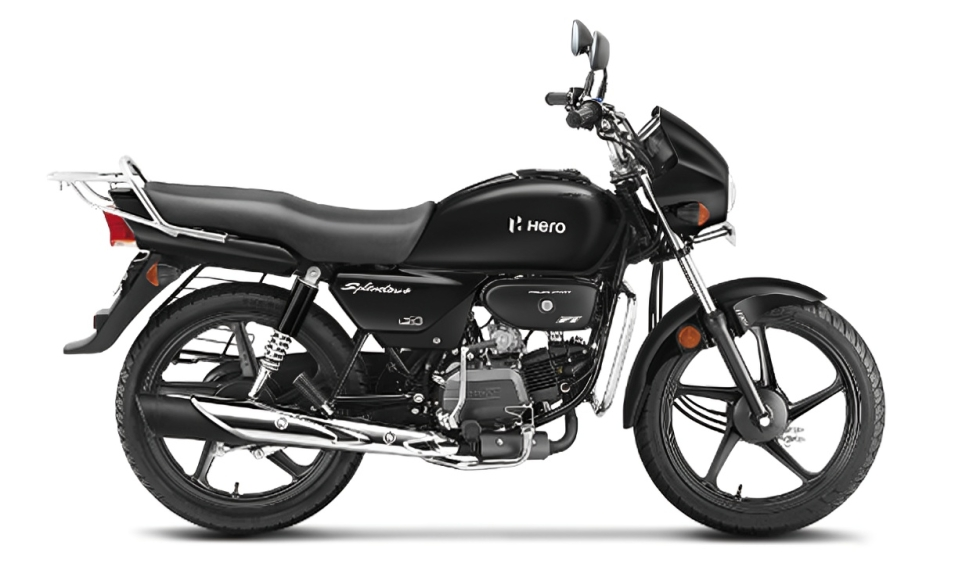
- Price: ₹ 78,912 Onwards, Ex-showroom
- Engine: 97.2 cc
- Suitability: This commuter motorcycle should be checked against your riding experience, physical fit, daily travel, and budget. It is not a one-size-fits-all beginner bike.
- Buying checks: Make sure you can reach the controls, support the bike when stopped, and handle parking. Check if it fits your usual passenger or luggage needs. Confirm the brakes and features on the specific variant.
- Service support: Find a nearby authorised Hero workshop for your chosen model. Ask for the latest maintenance schedule, estimated service costs, and written warranty details.
Add the Hero Splendor Plus to your shortlist if it fits your daily needs and budget. At the showroom, check if you can reach and use the controls, support the bike when stopped, and park it easily. If you often carry a passenger, check the seating separately.
Check mileage from reliable sources and get maintenance cost estimates instead of trusting general claims about low running costs. If you have a license and experience, take a test ride to check the clutch, throttle, and low-speed control. If you are new to riding, do basic training before a road test.
2. Honda Activa 125
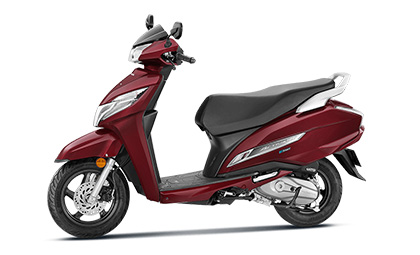
- Price: ₹ 91,679 Onwards, Ex-showroom
- Engine: 123.92 cc
- Suitability: Good for beginners who want an automatic petrol scooter, but make sure it fits you and is easy for you to handle.
- Buying checks: Make sure you can reach the controls, support the scooter when stopped, park it easily, and that it has enough storage and meets your passenger needs. Check what features come with your chosen variant.
- Service support: Find a nearby authorised Honda workshop. Ask for the latest service schedule, maintenance cost estimates, and warranty details.
Choose the Honda Activa 125 if an automatic petrol scooter fits your daily needs. At the showroom, check if you can reach and use the controls, support the scooter when stopped, and park it easily. Check storage and passenger space separately—don’t assume all scooters are the same.
If you have a license and experience, take a test ride to check starting, stopping, and low-speed handling. If you are new to riding, do basic training before trying a road test.
3. TVS Raider 125
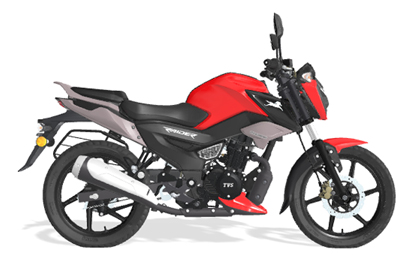
- Price: ₹ 84,460 Onwards, Ex-showroom
- Engine: 124.8 cc
- Suitability: This commuter motorcycle should be checked against your riding experience, physical fit, daily travel, and budget. Don’t pick it just for style or features.
- Buying checks: Make sure you can reach the controls, support the bike when stopped, and handle parking. Check if it fits your usual passenger or luggage needs. Confirm the brakes and features on the specific variant.
- Service support: Find a nearby authorised TVS workshop for your chosen model. Ask for the latest maintenance schedule, estimated service costs, and written warranty details.
Add the TVS Raider 125 to your shortlist if it fits your daily needs and budget. At the showroom, check if you can reach and use the controls, support the bike when stopped, and park it easily. If you often carry a passenger, check the seating separately.
Compare the specific variant with other bikes on your list. Don’t assume digital displays, style, or more features mean it’s better for beginners. If you have a license and experience, take a test ride to check the clutch, throttle, and low-speed control. If you are new to riding, do basic training before a road test.
4. Bajaj Pulsar NS200
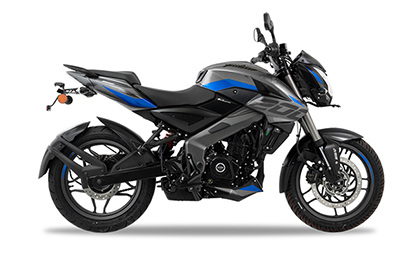
- Price: ₹ 1,48,603 Onwards, Ex-showroom
- Engine: 199.5 cc
- Suitability: This is an option for riders who want a sporty first motorcycle, but you should have training, make sure it fits you, and feel confident with its controls and performance.
- Buying checks: Check the exact variant’s brakes, weight, seat height, and current specs before comparing it to other bikes on your list.
- Service support: Find a nearby authorised Bajaj workshop for the NS200 variant you choose. Ask for the latest maintenance schedule, estimated service charges, and written warranty terms. Also, check the availability and typical cost of common replacement parts.
Think about the Bajaj Pulsar NS200 only if it matches your experience and how you plan to use it. When you visit the showroom, see if you can reach the controls and handle the motorcycle easily. If you have never ridden a geared motorcycle, take basic training before trying a road test. Avoid picking it just for its sporty look or assuming the engine size means it is right for beginners.
5. Honda SP 125
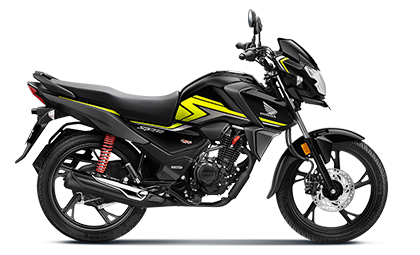
- Price: ₹ 90,498 Onwards, Ex-showroom
- Engine: 124 cc
- Suitability: This is a commuter motorcycle you should compare with your riding experience, physical fit, daily travel needs, and full ownership budget.
- Buying checks: Check if you can reach the controls, support the bike when stopped, and handle parking. Consider if you often carry a passenger or luggage. Make sure to verify the brakes and features on the specific variant.
- Service support: Find a nearby authorised Honda workshop for your chosen model. Ask for the current maintenance schedule, estimated service charges, and written warranty terms.
Add the Honda SP 125 to your shortlist if it fits your daily needs and budget. In the showroom, see if you can easily reach and use the controls, support the bike when stopped, and handle parking, getting help if needed. If you often carry a passenger, check the pillion seat separately.
Check mileage details from clear sources and conditions, and ask for maintenance estimates for the exact model instead of assuming low costs or easy service because of the brand. If you have a license and enough experience, arrange a test ride with the dealer to try the clutch, throttle, and low-speed control. If you have never ridden before, take basic training first.
6. Royal Enfield Hunter 350
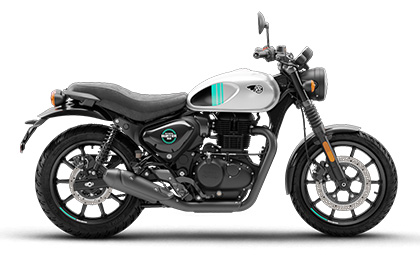
- Price: ₹ 1,37,640 Onwards, Ex-showroom
- Engine: 349 cc
- Suitability: Consider this if you want a retro-styled first motorcycle, as long as its fit, controls, and handling match your experience.
- Buying checks: Check if you can support the bike when stopped, reach the controls, and handle parking. Also, confirm the brakes on the specific variant.
- Service support: Find a nearby authorised Royal Enfield workshop for the Hunter 350 variant you choose. Ask for the current maintenance schedule, estimated service charges, and written warranty terms. Also, check the availability and typical cost of common replacement parts.
Don’t pick the Royal Enfield Hunter 350 just for its looks or rule it out only because of its engine size. Make sure you can support it safely when stopped and, with help at the showroom, move it backwards into a parking spot. Check if you can reach the controls and confirm the specs and brakes for the exact variant. If you have never ridden before, take basic training first.
7. Yamaha MT-15 V2
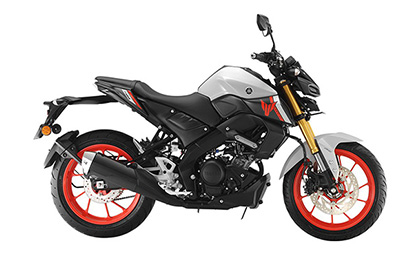
- Price: ₹ 1,65,610 Onwards, Ex-showroom
- Engine: 155 cc
- Suitability: This is a sporty first motorcycle to consider based on your own needs. It is not a general recommendation for all beginners.
- Buying checks: Check if you can reach the controls, support the bike when stopped, and handle parking. If you often carry a passenger, check the pillion seat. Make sure to verify the brakes and electronic features on the specific variant.
- Service support: Check that a nearby authorised Yamaha workshop can service your chosen model. Ask for current maintenance estimates and warranty terms.
Think about the Yamaha MT-15 V2 based on your experience, fit, daily travel, and budget, not just its sporty look or features. In the showroom, check if you can easily reach the controls and handle the bike when stopped or parking. If you often have a passenger, check the pillion seat separately.
If you have a license and enough experience, arrange a test ride with the dealer to try the clutch, throttle, and low-speed handling. If you have never ridden before, take basic training first. Don’t assume electronic rider aids mean the motorcycle is right for you.
8. Suzuki Access 125
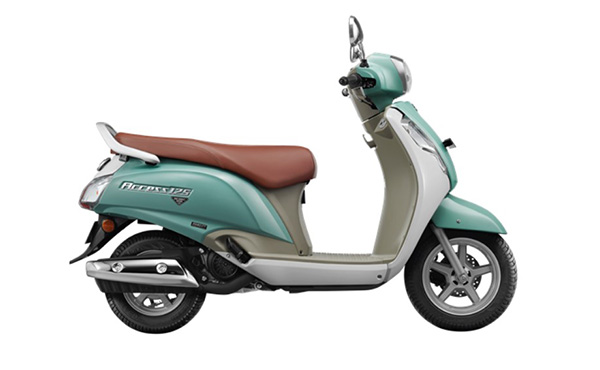
- Price: ₹ 83,086 Onwards, Ex-showroom
- Engine: 124 cc
- Suitability: This is an automatic petrol scooter to compare with the Activa 125, depending on your fit, experience, and daily needs.
- Buying checks: Check if you can reach the controls, support the scooter when stopped, and handle parking. Look at storage space and passenger seating. Make sure to verify the brakes and features on the specific variant.
- Service support: Check that there is a local authorised Suzuki service centre. Ask for the current maintenance schedule, estimated service charges, and warranty terms.
Compare the Suzuki Access 125 with other scooters on your list by doing the same showroom checks, instead of relying on general claims about power, mileage, or handling. See if you can easily use the controls and, with help if needed, move the scooter backwards into a parking spot.
If you need storage or often carry a passenger, check these features on the actual scooter. If you have a license and enough experience, arrange a test ride with the dealer. If you have never ridden before, take basic training first.
9. Bajaj Chetak 3001
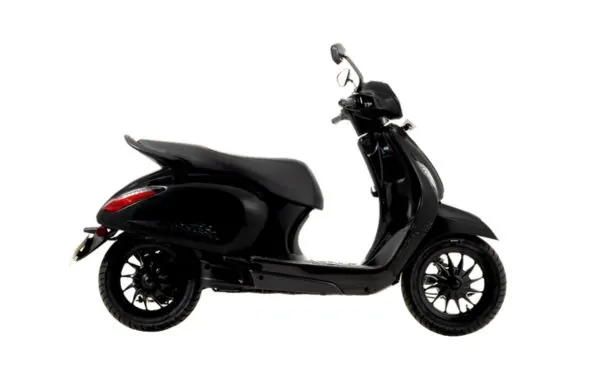
- Price: ₹ 1,15,483 Onwards, Ex-showroom
- Suitability: This is an electric scooter to consider based on your experience, fit, daily travel, and charging options. It is not a general recommendation for all beginners.
- Charging and range checks: Check how you will charge the scooter at your parking spot, what charger is included, and how long charging will take for your routine. Ask for the official range and how it was tested.
- Buying checks: Check if you can reach the controls, support the scooter when stopped, park it easily, and if there’s enough storage and space for passengers. Ask the dealer which assistance features come standard, which are optional, and which require a paid package.
- Service and warranty: Find an authorised workshop for the Chetak 3001. Get the written warranty details for the vehicle and battery, including time and distance limits, exclusions, and any optional extended coverage.
Consider the Bajaj Chetak 3001 only after making sure it fits your daily travel and charging needs. Ask the dealer to explain the published range and help you see if it matches your usual trips, but don’t assume that number is a guaranteed distance between charges.
Try out the scooter yourself instead of just trusting descriptions like “lightweight” or “beginner-friendly.” Make sure you can use the controls comfortably, support it when stopped, and park it in your usual spot. Ask for a demo of any reverse or hill-hold help before deciding if those features work for you.
If you have a license and enough experience, set up a test ride with the dealer to check how the scooter starts, stops, and handles at low speeds. If you’ve never ridden before, do some basic training before trying a road test.
10. TVS iQube
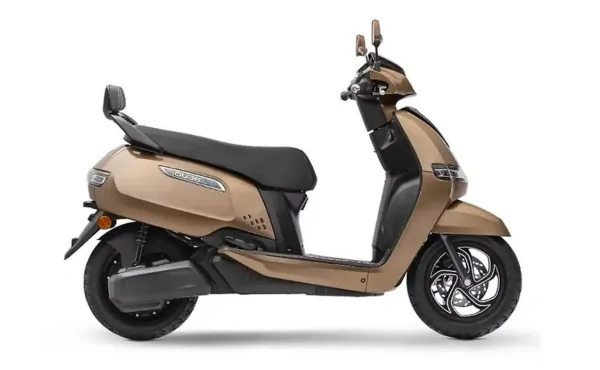
- Price: ₹ 1,20,374 Onwards, Ex-showroom
- Suitability: This electric scooter is worth considering if it matches your size, riding experience, daily trips, and charging options.
- Variant checks: Check the exact variant name, battery size, published range and how it was tested, the charger included, and charging time before comparing specs or prices.
- Buying checks: See if you can reach the controls, support the scooter when stopped, park it easily, and if there’s enough storage and space for passengers. Ask for a demo of the controls and any parking help on the variant you choose.
- Connected features: Check which features are included in the price and if any need a compatible phone, a subscription, or an extra package.
- Service and warranty: Find an authorised workshop for your chosen iQube variant. Get the written warranty details for the vehicle and battery, the maintenance schedule, and estimated service costs.
Think about the TVS iQube only after making sure a specific variant fits your daily travel and charging needs. Ask the dealer to explain the published range and how it was tested, instead of assuming it’s a guaranteed distance. Also, check if you can install the charger where you plan to park.
Try the scooter yourself instead of just trusting words like “lightweight”, “stable”, or “easy to use.” Make sure you can reach the controls, support it when stopped, and park it where you usually do. If storage or space for a passenger matters to you, check those separately.
If you have a license and enough experience, set up a test ride with the dealer to check how the scooter starts, stops, and handles at low speeds. If you’ve never ridden before, do some basic training before trying a road test.
The engine-capacity column is only for petrol models. For electric scooters, compare battery details, published range and how it was tested, the charger included, and charging time using the latest official specs. This table doesn’t compare battery capacities.
When Should You Consider Upgrading Your First Bike?
You don’t have to upgrade your first motorcycle after a set time or distance. If it’s still comfortable, easy to handle, and works for your trips, it’s fine to keep it.
Think about getting a new motorcycle if your needs change, like if you often carry a passenger, need different luggage options, or your current bike isn’t comfortable for your usual trips. Figure out the exact problem before deciding if a new bike will solve it.
Make sure you really need a different motorcycle, not just more power. Before upgrading, think about your riding skills, how confident you feel with the new bike, and all the costs of buying and owning it. Just riding a lot doesn’t mean you’re ready for a bigger or more powerful bike.
Questions To Consider Before Upgrading
- Skills and Actual Requirements: Figure out what you want a new motorcycle to do that your current one can’t. Make sure you’re not just looking for more power or a different look. Don’t assume that being used to traffic, shifting gears smoothly, or feeling more confident means a bigger or more powerful bike will suit you. Check if the new model fits you, is easy to control, and matches your experience. Get more training if needed. If your current bike still works for you, it’s fine to keep it.
- Longer-Journey Requirements: Think about what your trips need, like comfort, space for passengers, luggage, road conditions, and service stops. See where your current bike doesn’t meet these needs before looking for a new one. If you want to add accessories, check the maker’s advice and weight limits instead of assuming they’ll fix the problem. Compare new bikes to your real needs, not just by engine size, touring labels, or features like GPS and Bluetooth. Also, consider how easy the bike is to handle, whether you need more training, and the total cost of ownership.
- Different Terrain Requirements: If you want to ride on more than just paved roads, figure out what kind of terrain you’ll actually face before thinking about a new bike. Check if your current bike can handle it and if you need extra training. Don’t assume you need to upgrade just because of monsoon riding, wanting adventure trips, or missing riding modes.
- Financial Readiness: Before upgrading, compare what it costs to keep your current bike with the full cost of getting a new one. Get real quotes for selling or trading in, check any loan balance, and budget for the new bike’s price, finance charges, insurance, servicing, and needed accessories. Don’t count on a subsidy or offer unless you’ve checked the rules and made sure it’s valid for you.
Additional Motorcycles To Assess If Your Requirements Change
The next models are extra options to look into, not a step-by-step upgrade path or a promise you’ll be happy with them long-term. Only consider them if they fit a real need, your riding experience, your size, and your budget. If you’re picking your first motorcycle, use the same checks for fit and needs instead of thinking these are beginner bikes.
1. Assess These Options Against Your Actual Travel Requirements
- Hero Xpulse 210: Think about this model only after checking if it fits you, the controls are easy, and you can handle it with your current experience. In the showroom, try getting on and off, reaching the controls, supporting it when stopped, and parking it—ask for help if needed. Decide your routes and if you’ll carry passengers or luggage before adding it to your shortlist. Don’t assume adventure looks mean it’s good for beginners, mountain trips, or resale value.
- Suzuki V-Strom SX: Compare this model to your daily rides and longer trips instead of thinking it’s good for everything. Check if it fits you, you can reach the controls, park it easily, and if there’s enough space for passengers and luggage. If you’ll ride on unpaved roads, figure out the real terrain and check the maker’s advice instead of just trusting the touring or adventure label.
For either model, check the latest specs, brakes, written on-road price, warranty details, and local service options. Only compare mileage if you know where the info comes from and the conditions. If you have a license and enough experience, set up a test ride with the dealer. If you’ve never ridden, do some basic training first.
2. Assess The Yezdi Adventure For Your Experience And Intended Routes
- Yezdi Adventure: Try this model only after making sure it fits you physically, the controls are comfortable, and you can handle it based on your riding experience. When you visit the showroom, see how easy it is to get on and off, reach the controls, support the bike when stopped, and park it—ask for help if needed. Think about the roads you plan to ride, whether you’ll have a passenger, and what luggage you’ll carry, instead of just relying on the adventure label. Check the exact variant’s features and equipment before comparing it to other bikes on your list.
Ask for a written on-road price quote for the variant you want and your registration area. Make sure there is authorised service nearby, check maintenance costs, and understand the warranty. If you need navigation or connectivity features, check if they are included or if they fit your needs, instead of assuming they come with the bike.
Buying this motorcycle is not a replacement for building your riding skills. If you want to ride on new types of terrain, figure out what training you need before you try it. If you already have a license and enough experience, set up a test ride with the dealer. If you have never ridden before, start with basic practical training.
3. Assess The Himalayan 450 And Ktm 390 Adventure Individually
- Royal Enfield Himalayan 450: Think about how this model matches your experience, body size, and the trips you plan to take. When you visit the showroom, see how easy it is to get on and off, reach the controls, support the bike when stopped, and park it—ask for help if needed. If you plan to carry a passenger or luggage, check if there is enough space and what the load limits are. Don’t assume the adventure label means it will always be comfortable or that your needs won’t change later.
- KTM 390 Adventure: Identify the exact variant before comparing specifications, equipment, or price. Assess physical fit, control operation, and manageability rather than choosing from performance figures or electronic features alone. If comparing weight, use the same measurement basis for the specific motorcycles under consideration. Define your intended terrain and check the manufacturer’s intended-use guidance instead of assuming that the model name establishes suitability for every route.
For both models, get a written on-road price quote and compare maintenance costs, insurance, warranty, and any accessories you might need. Make sure there is authorised service near your home and along your usual routes, instead of just assuming it will be available or affordable because of the brand or price.
Paying more for a motorcycle doesn’t mean it will fit your skills or meet all your future needs. If you have a license and enough experience, set up a test ride with the dealer. If you’re new to riding, start with basic training, and get the right instruction before trying new types of terrain.
| Model | Requirements to Assess | Individual Suitability Checks | Before Buying |
|---|---|---|---|
| Hero Xpulse 210 | Daily journeys, intended road surfaces, and any passenger or luggage needs | Mounting and dismounting, control reach, support when stopped, and parking manageability | Verify the exact variant’s specifications, braking equipment, local servicing, and complete ownership costs |
| Suzuki V-Strom SX | Regular commuting, planned longer journeys, passenger accommodation, and luggage arrangements | Physical fit, control operation, support when stopped, and parking manageability | Check intended-use guidance for planned terrain, load limits, service access, and a written on-road quotation |
| Yezdi Adventure | Intended routes, road surfaces, passenger needs, and luggage requirements | Mounting and dismounting, control reach, support when stopped, and manageability appropriate to your experience | Confirm variant-specific equipment, authorised servicing, maintenance estimates, and warranty terms |
| Royal Enfield Himalayan 450 | A specific change in journey requirements, passenger accommodation, or luggage needs | Physical fit, mounting and dismounting, control reach, support when stopped, and parking manoeuvres | Check load limits, accessory compatibility, insurance and servicing estimates, and the total purchase cost |
| KTM 390 Adventure | Daily use, planned journeys, intended terrain, and the equipment you actually need | Exact-variant fit, control operation, support when stopped, and manageability against your current experience | Identify the variant, verify its specifications and included features, and compare service support and complete ownership costs |
These bikes are options to consider, not a step-by-step upgrade path or a promise they’ll suit you. Compare each one to your real needs, riding experience, physical fit, and total budget. If your current motorcycle still works for you, there’s no need to change.
Before Upgrading: Identify What Needs To Change
| Your Requirement | What to Assess | Before Choosing a Replacement |
|---|---|---|
| More comfortable daily journeys | Identify the specific discomfort: seating position, control reach, seat comfort, or difficulty manoeuvring. | Compare how each shortlisted motorcycle addresses that problem, rather than assuming a larger engine will solve it. |
| Regular pillion use | Check passenger space, access to footrests and grab rails, and the manufacturer’s load limits. | Assess both rider and pillion comfort, and confirm that the intended load is within the motorcycle’s specifications. |
| Longer journeys and luggage | Consider riding comfort, luggage compatibility, expected routes, and service access. | Define your actual travel requirements and compare suitable models without relying on an adventure or touring label alone. |
| A move beyond paved roads | Identify the intended terrain, your training needs, and your confidence handling the proposed motorcycle. | Research terrain-specific suitability and obtain appropriate instruction before attempting unfamiliar conditions. |
| Lower ownership expenses | Compare purchase costs, finance charges, fuel or electricity, insurance, servicing, and expected resale proceeds. | Work out if replacing your current vehicle will actually save you money based on how you plan to use it. |
Practical Considerations For Your Next Motorcycle
- Current and Future Requirements: Pick a motorcycle that fits your current needs instead of assuming a more versatile model will make you happier or be easier to sell later. If you’re looking at the Xpulse 210 or V-Strom SX, compare each one to your experience, physical fit, daily rides, and any longer trips you have in mind, using the checks above. Think of possible future travel as just one factor, not a reason to buy something that doesn’t suit you now. If resale value is important, look at local listings for the same model and variant, check the difference between asking prices and real offers, and don’t count on getting a set price or selling quickly.
- Service Support Along Your Route: Check if there’s support for your exact motorcycle in the places you plan to visit, instead of just trusting the brand or price. Use the manufacturer’s service locator to find authorised workshops along your route, then call to confirm they service your model, ask about their hours, and what work they do. Ask about parts availability and roadside assistance, including where it’s available, what’s not covered, and how recovery works. For electric scooters, check for EV-specific servicing and charging access separately. Use this information in your planning, rather than assuming workshops are everywhere.
- Passenger and Luggage Requirements: Think about what you usually need to carry before you compare motorcycles or scooters. For each model and variant, check the manufacturer’s load limits, passenger space, and what luggage and mounting hardware will fit. Make sure you know the limits for racks, top boxes, or panniers, and include the weight of the accessories when you calculate the total load. Ask about how things are fitted, the total cost, and any warranty details. Don’t assume an adventure-style bike will handle all your luggage, or that a commuter bike or scooter won’t work for you. Base your choice on what actually fits your needs, not just on general comparisons.
- Charging for Your Intended Journeys: When looking at an electric scooter, check if you can charge it with what’s available to you now, instead of hoping future charging stations will make longer trips possible. If you’re considering the Bajaj Chetak 3001 or another electric scooter, find out the exact charging needs and see whether they fit your usual rides, longer trips, and where you can reliably charge. For stops away from home, make sure you have permission to charge, the right equipment, know the access hours, and how long you can charge. Don’t assume a public charging spot will work for your scooter just because it’s on a map. Plan for detours or times when charging isn’t available, and rethink your choice if you can’t make a solid plan.
Training And Supervised Practice Before Road Riding
Before you pick a training program, tell the instructor about your current experience. If you’ve never ridden a motorcycle, ask for basic lessons instead of assuming a track, racing, or adventure course will work for you. Check what you need to join, if they provide a motorcycle and gear, and what skills the course teaches.
Use online materials to get ready with questions and review ideas, but don’t use them instead of real, supervised practice. Pick a program that fits your current skill level and the kind of riding you want to do.
How To Find Training That Matches Your Experience
When you contact a riding school, say what you can actually do instead of just calling yourself a beginner. Let them know whether you’ve never ridden, can ride a scooter but not a geared bike, or already ride and want more training.
Ask the provider to confirm which course matches that experience. Request a written outline of the practical lessons and clarify whether the programme covers basic motorcycle operation, road-riding preparation, track techniques, or off-road skills. Do not assume that a course labelled “beginner” starts with clutch and gear operation.
Use the checklist below to compare providers. Only add a school to your shortlist after you’ve checked its current course availability and entry requirements using its official contact or booking info.
How To Use Online Learning Resources
Use online resources to get ready for practical lessons, review your motorcycle’s controls, and write down questions for your instructor. Begin with the owner’s manual for your specific model and official materials from your transport authority.
Before you follow a riding tutorial, check who made it, the instructor’s qualifications, who it’s meant for, and if the demo is in a safe, controlled place. Don’t use entertainment videos or app activities as proof you’re ready for public roads.
Talk about any new techniques with a qualified instructor and use supervised practice to check your progress. Online study should help, not replace, your hands-on training.
Plan Supervised Practice Before Road Riding
Ask your instructor to check your current skills and help you pick practice activities in a safe, approved training area. Tell them which tasks you find hard, like starting, stopping, using the clutch, changing gears, or making slow turns.
Before you try emergency braking, hill starts, or other new skills, get a demonstration and practice with supervision. Use the right training motorcycle and the protective gear your provider requires.
Go over your progress with your instructor instead of just counting hours or kilometres as proof you’re ready. Before you start riding on public roads, check the licence rules and agree on the right next step for your experience.
What To Check Before Booking Rider Training
| Check | Questions to Ask the Provider |
|---|---|
| Experience level | Does the course accept someone who has never operated a motorcycle, or must participants already know how to ride? |
| Course purpose | Does it teach basic vehicle control and road-riding preparation, or focus on track riding, racing, or off-road techniques? |
| Entry requirements | What age, licence, experience, and documentation requirements apply? |
| Motorcycle and equipment | Are a suitable motorcycle and protective equipment provided? If not, what must you bring? |
| Practical instruction | How much supervised riding time is included, how many learners share an instructor, and how is progress assessed? |
| Total fee | Does the quoted price include taxes, motorcycle hire, fuel, equipment, and any assessment charges? |
| Venue and booking terms | Where and when will training take place? What happens if weather, cancellation, or rescheduling affects the session? |
Before you book, get the latest course details from the provider and make sure they accept riders with your experience. Check the location, fees, practice time, equipment needs, and cancellation policy. Don’t pick a program just because it’s run by a well-known motorcycle brand.
Buying Mistakes To Avoid When Choosing Your First Two-wheeler
Use the checks below to review your shortlist before you buy. Make sure the bike fits you and is easy to handle, check for service support for your chosen model, work out the full cost of owning it, and think about your real daily needs. Don’t assume a popular model, cool looks, engine size, or a familiar brand means it’s right for you.
Make sure your vehicle assessment matches your riding experience. Begin with checks in the showroom and ask for help if you need it. If you have a licence and enough experience, arrange a test ride with the dealer. If you’ve never ridden before, finish basic training before trying a road test.
1. Chasing Power And Looks Instead Of Fit And Comfort
Don’t pick your first motorcycle just because it looks good, has impressive specs, or is popular with your friends. Look at each model on its own instead of thinking all sporty bikes are wrong for beginners or that every commuter bike will work for you. Make sure the bike’s size, controls, and handling fit your current experience. If you’ve never ridden before, finish basic training before you try a road test.
How To Avoid It:
- Do not use a fixed engine-capacity or weight limit as the sole test of beginner suitability. Compare individual motorcycles and choose one you can confidently hold upright, push into a parking space, and manoeuvre at low speed.
- During a showroom assessment, check your reach to the ground, handlebars, levers, and foot controls. Assess whether you can support the motorcycle securely when stopped rather than judging fit from the published seat height alone.
- If you are licensed and sufficiently experienced to test ride, assess clutch effort, throttle response, and controlled low-speed turns. If you have never ridden before, complete basic training before attempting a road test.
2. Assuming Local Service And Parts Support
Do not assume that a familiar brand name guarantees convenient servicing, readily available parts, or low repair costs for every model. Check the support available for the exact motorcycle or scooter you intend to buy.
How To Avoid It:
- Identify an authorised workshop you can realistically use and confirm that it services the selected model. For an electric scooter, ask specifically about EV servicing and warranty support.
- Request scheduled-service estimates and ask about the availability and indicative costs of common replacement parts.
- If you expect to travel beyond your local area, check the manufacturer’s official service locator for the routes and destinations you are considering.
- Read model-specific owner feedback for recurring concerns, but distinguish individual experiences from verified service or warranty information.
3. Budgeting Only For The Purchase Price Or Emi
Do not judge affordability by the showroom price or monthly loan payment alone. Build a budget for buying, preparing to ride, and maintaining the exact vehicle you are considering.
How To Avoid It:
- Obtain an itemised on-road quotation and separate optional accessories, extended warranties, and paid packages from the other charges.
- Estimate monthly fuel or electricity expenses using your expected distance and clearly identified mileage or energy-use assumptions.
- Use the manufacturer’s service schedule and a workshop estimate to budget for maintenance. Do not assume that every model needs the same number of paid services each year.
- Price suitable protective equipment and any necessary training separately. Check individual products rather than assuming that a fixed allowance will cover everything you need.
- If financing the purchase, compare the down payment, interest, fees, tenure, and total repayment—not just the EMI.
- Allow for insurance renewal and replacement wear items when assessing longer-term affordability.
4. Buying Without An Appropriate Fit Assessment
Don’t buy a motorcycle based only on specs, photos, or what others say about riding it. Check out the actual bike, but make sure your assessment matches your licence and riding experience. If you’re a complete beginner, don’t try an unfamiliar road or take a passenger when testing a motorcycle.
How To Avoid It:
- Start with a stationary showroom assessment. Check seating position, control reach, support when stopped, and ease of mounting and dismounting. Ask for assistance when assessing parking manoeuvres.
- If you are licensed and sufficiently experienced, arrange a test ride under the dealer’s conditions. Explain your experience and agree on a suitable route before starting.
- If you have never ridden, complete basic practical training before attempting a road test. Do not use a dealership test ride as your first riding lesson.
- If pillion comfort matters, assess the passenger seat, footrests, grab rails, and access while the vehicle is securely supported. Discuss any riding assessment with the dealer rather than automatically adding a passenger.
- Record any discomfort or uncertainty and compare another suitable model before deciding. Do not feel pressured to buy because a test ride has been offered.
5. Buying Around An Assumed Upgrade Deadline
Don’t pick your first motorcycle thinking you’ll have to replace it in a year or two. Also, don’t settle for a bad fit just because someone says it will be easy to sell later. Focus on what you need now, and think about future changes only if they actually come up.
How To Avoid It:
- Choose a motorcycle that suits your present experience, daily journeys, and complete ownership budget.
- If resale matters to your decision, compare local examples of the same model and variant with similar age, condition, and kilometres covered. Do not treat asking prices as guaranteed selling prices.
- Consider how a future sale would interact with any outstanding loan balance and the cost of a replacement vehicle.
- Reassess your motorcycle when your needs change. There is no requirement to upgrade if it continues to meet them.
6. Choosing Without Assessing Comfort And Daily Use
Think about the trips you’ll take before you start comparing motorcycles. Consider things like traffic, road conditions, how long your rides will be, parking, and whether you’ll need to carry a passenger or luggage. Don’t just choose based on looks or ads.
How To Avoid It:
- Write down your usual commute and any regular longer journeys. Use these requirements to compare suitable models rather than applying a fixed city-versus-highway percentage.
- At the showroom, assess seating position, control reach, knee room, and support when stopped. Treat discomfort as a reason to investigate further or compare another model, not as something you must accept.
- If you are licensed and sufficiently experienced, use an agreed test ride to assess comfort and manageability under conditions appropriate to your ability. A stationary assessment alone does not establish long-distance comfort.
- Discuss suspension adjustment and load requirements using the owner’s manual. Do not assume that softer suspension will suit every road, rider, or passenger combination.
- If you regularly carry a pillion or luggage, assess those requirements separately and check the manufacturer’s load limits and fitting guidance.
7. Choosing Electric Or Petrol Without Checking Your Requirements
Don’t decide for or against an electric scooter based on a general daily-distance rule. Compare the specific scooter with your regular trips, occasional longer rides, parking situation, charging options, and your budget.
How To Avoid It:
- Record your expected daily distance and allow for detours, additional journeys, and occasions when you cannot charge as planned.
- Confirm that you have permission and a suitable arrangement for charging where you normally park. Do not assume that nearby public charging will meet your needs.
- Check the exact battery variant and distinguish certified range from independently tested or owner-reported range. Identify the conditions behind any figure you use.
- Verify whether the quoted charging time covers 0–80%, 0–100%, or another interval, and confirm which charger is included.
- Read the battery and vehicle warranty terms, identify any optional paid features, and locate an authorised workshop that supports the selected model.
- Compare the complete purchase and running costs with suitable petrol alternatives. Choose according to your requirements rather than a fixed engine-capacity range or a general claim that one powertrain is always cheaper.
8. Choosing From Other People’s Preferences Instead Of Your Own Requirements
Advice from friends, family, owners, and reviewers can help you find models to check out, but their preferences don’t decide what’s right for you. Focus on your own experience, how the bike fits you, your daily rides, and your budget, instead of just following someone else’s excitement about a brand or style.
How To Avoid It
- Write down your requirements before visiting a showroom, including budget, usual journeys, parking, passenger or storage needs, and charging access if considering an electric scooter.
- Compare a small shortlist using the same fit, equipment, service-support, and ownership-cost checks for each model.
- Use owner experiences and reviews to prepare questions, but verify specifications, warranty terms, and included equipment through current official information.
- Do not accept a poor fit or exceed your budget because someone else prefers the model. Record any uncertainty and compare another option before deciding.
Frequently Asked Questions About Choosing Your First Motorcycle Or Scooter In India
1. Which Motorcycles And Scooters Should Beginners Shortlist In India?
For a commuter-motorcycle shortlist, compare the Hero Splendor Plus, Honda SP 125, and TVS Raider 125 covered in this guide. If you prefer an automatic petrol scooter, assess the Honda Activa 125 and Suzuki Access 125. The Bajaj Chetak 3001 and TVS iQube are electric options to investigate if you have dependable charging access.
Treat these models as a starting shortlist, not a ranking that applies to every rider. Compare your experience, physical fit, daily journeys, braking equipment, local service support, and complete ownership budget. Apply the additional suitability checks in the model entries before considering sportier or heavier options such as the Bajaj Pulsar NS200, Yamaha MT-15 V2, or Royal Enfield Hunter 350.
2. What Is The Ideal Engine Capacity For A Beginner Bike In India?
There is no universal ideal engine capacity for a beginner. Use engine size as one comparison point, not as proof that a motorcycle will be easy to handle or suitable for someone who has never ridden.
Assess each shortlisted motorcycle for control reach, support when stopped, parking manageability, and suitability for your current experience and intended journeys. If you are licensed and sufficiently experienced, arrange a test ride under the dealer’s conditions to assess clutch operation, throttle response, and low-speed control. Complete basic practical training first if you have never ridden.
Choose a motorcycle you can appropriately manage now rather than buying a larger or more powerful model solely to avoid a possible future upgrade.
3. How Should I Compare Mileage When Choosing My First Bike Or Scooter?
Compare mileage figures from the same type of source rather than treating manufacturer claims, road-test results, and owner-reported estimates as directly interchangeable. Check the exact model, variant, and conditions associated with each figure.
Use a clearly identified estimate to calculate your expected petrol expense:
Monthly petrol cost = (Monthly distance in km ÷ Expected mileage in km/l) × Petrol price per litre.
For electric scooters, compare energy consumption, electricity charges, charging arrangements, and published range separately rather than comparing a range figure directly with petrol mileage. Consider running costs alongside physical fit, braking equipment, purchase price, maintenance, and service support—not as the only reason to choose a vehicle.
4. How Can I Compare Maintenance Costs Before Buying My First Two-wheeler?
Ask an authorised workshop for the exact model’s service schedule and written estimates based on your expected annual distance. Check which parts, consumables, and labour charges are included at each scheduled visit.
Confirm what the manufacturer includes in a free service rather than assuming that the entire visit is free. Budget separately for replacement wear items, including tyres, brake components, and the chain and sprockets where fitted. Keep fuel or electricity, insurance, and loan repayments separate so you can distinguish maintenance expenses from total ownership costs.
For an electric scooter, also check battery warranty conditions, charger coverage, and any paid software or feature packages. Do not assume that every model from the same brand has identical maintenance costs or local workshop support.
5. How Do I Choose Between A Motorcycle And A Scooter, And Which Is Easier To Learn?
Start by deciding whether you prefer an automatic scooter or want to learn clutch and gear operation on a motorcycle. The petrol scooters covered in this guide use automatic transmissions, while the petrol motorcycles require manual clutch operation and gear changes.
An automatic scooter can simplify the initial learning process by removing those two tasks, but it does not remove the need to learn balance, throttle control, braking, steering, and observation. Do not assume that every scooter is lighter, easier to manage, or a better physical fit than every motorcycle.
Compare the actual vehicles for mounting and dismounting, control reach, support when stopped, parking, storage, passenger accommodation, and suitability for your usual roads. Potential scooter limitations depend on the model: built-in storage may not accommodate your belongings, and wheel size, suspension, and ground clearance need assessment against your intended routes.
Choose according to your current experience, daily requirements, and complete budget. Complete supervised practical training if you have never ridden. If moving from an automatic scooter to a geared motorcycle, obtain instruction in clutch operation, gear selection, and the unfamiliar control layout.
6. What Safety Equipment Should I Check, And Is A Motorcycle Or Scooter Safer?
Do not assume that either vehicle category is safer solely because it is a motorcycle or scooter. Compare the exact models and variants for physical fit, control operation, braking equipment, condition, and suitability for your experience and intended journeys.
Verify the braking system fitted to the variant you intend to buy. A combined braking system (CBS) links front and rear braking action, while an anti-lock braking system (ABS) regulates brake pressure to help prevent wheel lock-up. CBS does not by itself provide anti-lock protection. If ABS is fitted, confirm whether it covers the front wheel only or both wheels using the manufacturer’s current specifications and owner’s manual.
Also check control reach, mirror adjustment, lights, indicators, horn, tyres, and maintenance requirements. For a used vehicle, arrange an independent inspection by a competent mechanic.
An automatic transmission or a longer electronic-feature list does not establish overall safety. Include suitable protective equipment and practical training in your purchase plan, become familiar with the vehicle, and ride within your ability and the conditions.
7. Should A Beginner Buy A New Or Used Bike Or Scooter?
Either option can suit a beginner. Compare the complete purchase and ownership costs, vehicle condition, warranty terms, and your ability to obtain a reliable assessment rather than deciding from the advertised price alone.
If buying new, verify the exact variant, obtain an itemised on-road quotation, and review the warranty and service schedule. Separate optional accessories, extended warranties, and paid packages from the other purchase charges.
If buying used, arrange an independent inspection by a competent mechanic or an appropriate EV technician. Review the service history and obtain an estimate for immediate repairs or replacements. For an electric scooter, ask what battery-health information and diagnostic checks are available rather than relying solely on the displayed range estimate.
Check that the seller’s details and vehicle identifiers match the records. Verify registration, insurance, outstanding finance, and applicable ownership-transfer requirements. Include transfer expenses, servicing, and necessary replacements in your budget.
8. What Documents Should I Prepare When Buying And Registering My First Two-wheeler?
Ask the dealer for a written checklist before paying the booking amount. Confirm the identity and address proofs accepted for your transaction, and ask whether photographs, PAN details, or additional declarations are required. Check the current requirements with the registering authority for your location.
Keep the booking receipt, payment receipts, final invoice, and insurance documents. Ask the dealer to explain the registration application in Form 20, sale certificate in Form 21, and manufacturer’s road-worthiness certificate in Form 22, as applicable. Confirm who will submit the registration application and how you will receive the acknowledgement, applicable fee and tax receipts, and registration certificate.
If financing the purchase, request the lender’s separate document checklist and review the loan agreement, repayment schedule, charges, and hypothecation paperwork before signing. Do not confuse lender requirements with the registration checklist.
Check your name, address, vehicle identifiers, and financier details where applicable. Refer to Parivahan’s official forms and your state transport department for current requirements.
9. Which Electric Scooters Should Beginners Consider, And What Should They Check Before Buying?
The Bajaj Chetak 3001 and TVS iQube are the electric scooters covered in this guide. Treat them as options to assess rather than universal beginner recommendations. Check the exact variant, physical fit, control operation, parking manageability, and total purchase cost.
Before choosing, confirm dependable charging access, installation requirements, the supplied charger, and charging time. Check whether a quoted charging time refers to 0–80%, 0–100%, or another interval. Do not assume that a nearby public charging point is compatible or available whenever you need it.
Distinguish certified range from independently tested or owner-reported figures, and allow for detours and occasions when you cannot charge as planned. Obtain the written battery, vehicle, and charger warranty terms, including time and distance limits, exclusions, and any conditions relating to battery-capacity loss.
Identify an authorised workshop that services the selected model, and ask about maintenance, parts, roadside assistance, and any recurring feature charges. These are ownership checks, not evidence that every electric scooter has reliability problems. If charging or local support does not meet your needs, compare suitable petrol alternatives.
10. How Should Beginners Choose A Bike For City Commuting And Occasional Highway Rides?
Start with your regular commute, then identify what your occasional longer journeys require. Compare seating comfort, control reach, low-speed manageability, braking equipment, passenger accommodation, luggage arrangements, and service access.
The TVS Raider 125 and Honda SP 125 are commuter options covered in this guide. Assess whether they meet your intended journeys rather than assuming that occasional highway use requires a sportier or larger-engined motorcycle. If considering the Bajaj Pulsar NS200 or another performance-oriented option, apply the additional fit, training, and manageability checks in its model entry.
Check the manufacturer’s load limits and accessory-fitting guidance if carrying a passenger or luggage. If you are licensed and sufficiently experienced, arrange an appropriate test ride under the dealer’s conditions. Choose according to your current skills and actual travel requirements rather than styling, engine capacity, or a touring label alone.
Here Are Some Related Articles From Our Team
- Motorcycle Servicing Guide
- Motorcycle Helmet Buying Guide
- Essential Riding Equipment and Accessories
- Electric Scooter Maintenance Guide
- Motorcycle Accessories for Longer Trips
Conclusion
Pick your first motorcycle or scooter based on your experience, how well it fits you, your daily travel, and your total budget. Treat the models in this guide as a shortlist to explore, not a ranking for everyone. Check the exact variant’s specs, brakes, warranty, and local service before you buy.
Start by checking how the bike fits you in the showroom. If you have a license and enough experience, take a test ride if the dealer allows it. If you’re new to riding, do some basic practical training first. Budget for safety gear and training, and keep your first bike or scooter as long as it works for you, instead of planning to upgrade by a certain date.
If you have questions or want more information, email us at bikeleague2017@gmail.com or leave a comment below. You can also follow Bikeleague India on social media to stay in touch.