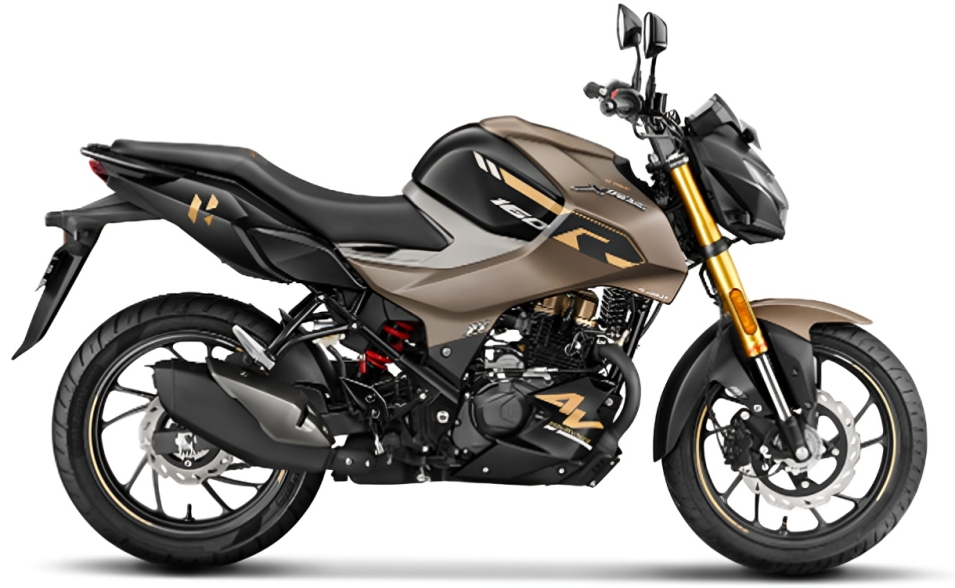
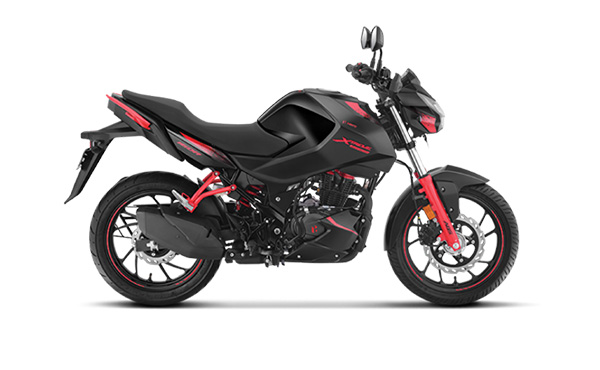
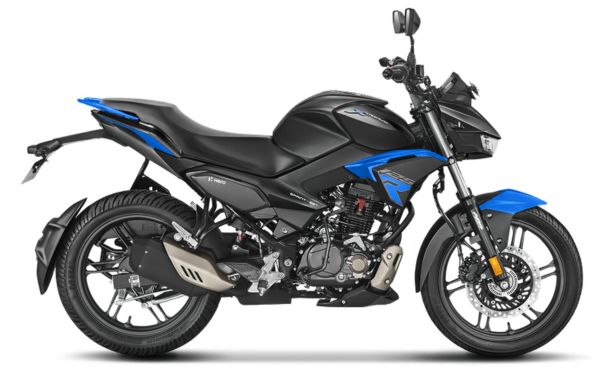
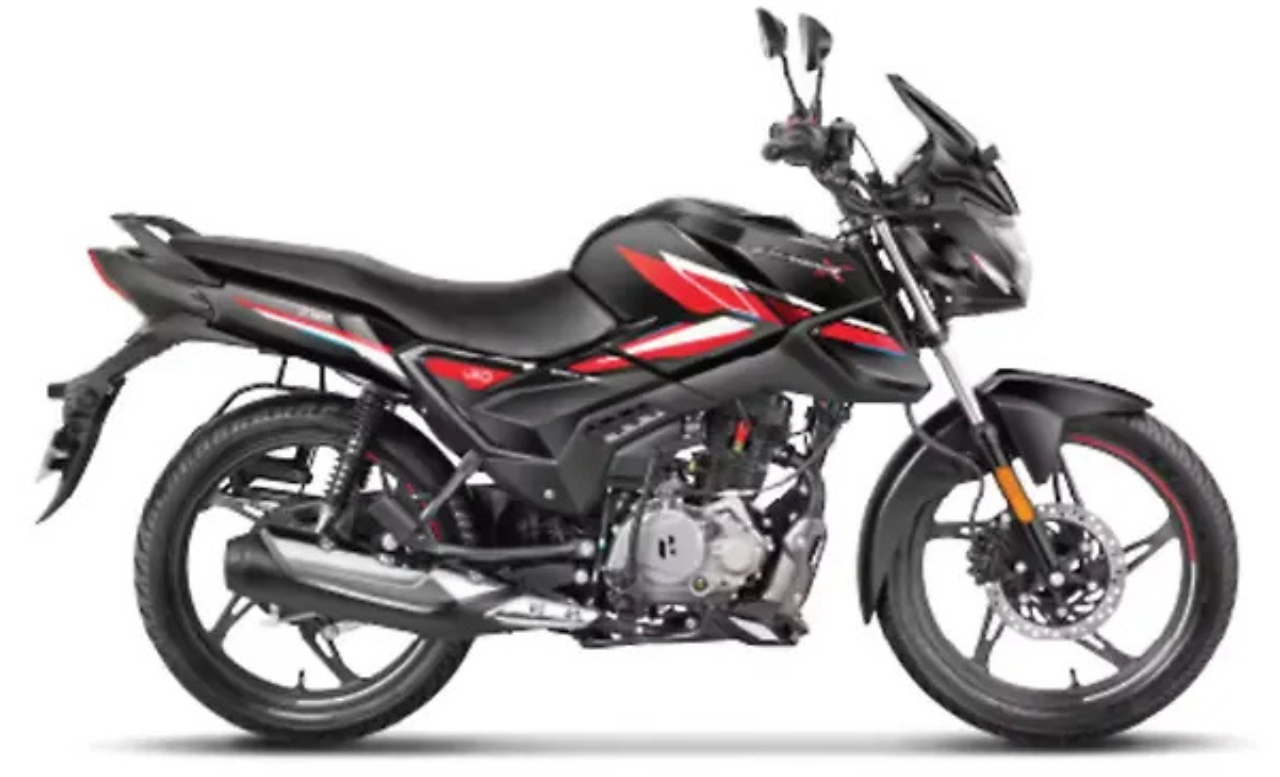
Hero Karizma XMR
Last Updated: July 28, 2026
Introduction
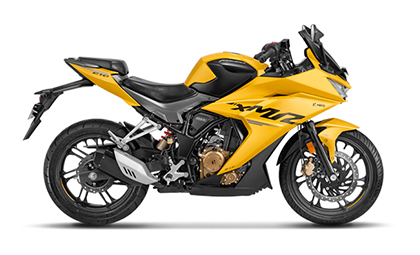
The Hero Karizma XMR marks Hero MotoCorp’s return to the Indian sportbike market, aiming to get things right for everyday riders. It uses a lively 210 cc liquid-cooled DOHC engine, which makes highway rides enjoyable without making daily commutes difficult. What stands out about the Karizma XMR is not just its engine, but how Hero has designed the whole bike for Indian roads and daily life. The 6-speed gearbox, advanced TFT display, smart connectivity, and comfortable riding position all come together to create a bike that feels modern without being too flashy. It’s a sportbike for those who want excitement and style, but also need something practical for daily use.
Gallery
Key Specifications
Displacement
210cc
Mileage
32–41km/l
Power
25.5PS @ 9,250rpm
Torque
20.4Nm @ 7,250rpm
Fuel System
EFI
Tank Capacity
11 liters
Rear Suspension
Gas Charged Monoshock
Kerb Weight
163.5Kg
Ratings
- 90%
Performance
- 95%
Features
- 90%
Handling
- 95%
Comfort
- 100%
Build Quality
- 100%
Styling
- 95%
Value for Money
- 95%
Total
Ratings calculation is purely based upon pros and cons of the model given below in the overview section.
Price
Special Features
1
Tft Instrument
2
Turn-by-turn Navigation
3
Bluetooth Connectivity
4
Call And Sms Alert
5
Music Control Support
6
Usb Fast Charging
7
Dual-channel Abs
8
Petal Disc Brakes
9
Class-d Led Headlamps
10
First Adjustable Windshield
11
6-step Adj Rear Monoshock
12
Side-stand Engine Cut-off
Full Specifications
| City | 32–35km/l |
| Highway | 38–41 km/l |
| Speedometer | Digital |
| Tachometer | Digital |
| Tripmeter | Digital |
| Fuel Guage | Digital |
| Low Fuel Indicator | Yes |
| Low Battery Indicator | Yes |
| Low Oil Indicator | Yes |
| Start Type | Self Start |
| Kill Switch | Yes |
| Clock | Digital |
| Pass Light | Yes |
| ABS | Dual channel |
| Stand Alarm | Yes |
| Type | Steel Trellis Frame |
| Front Suspension | Dia 37 mm, Telescopic Front Forks with Anti Friction Bush |
| Rear Suspension | Gas Charged Mono Shock, 6 Step Pre-load Adjustable |
| Tyres (F) | 100/80-17 TL |
| Tyres (R) | 140/70-17 TL |
| Brakes (F) | Dia 300 mm, Petal Disc |
| Brakes (R) | Dia 230 mm, Petal Disc |
| Wheelbase | 1351m |
| Ground Clearance | 160mm |
| Length x Width x Height | 2068mm X 760mm X 1110mm |
| Seat Height | 810mm |
| Kerb Weight | 163.5kg |
| Fuel Tank Capacity | 11l |
| Battery | MF Battery 12V- 6 Ah, ETZ-7 |
| Head Lamp | Class-D LED |
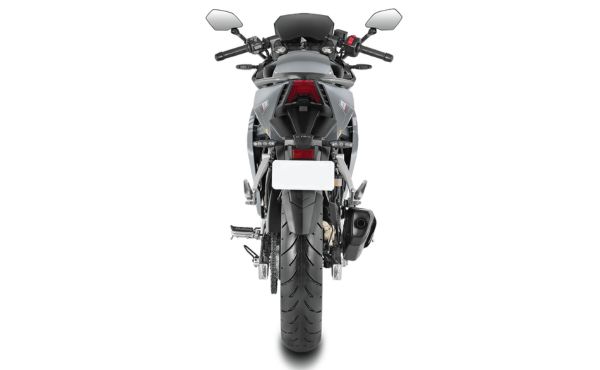
| Tail/Stop Lamp | H shaped LED |
| Turn Signal Lamp | LED |
| Engine Type | 4 Stroke, 4 Valve, Single Cylinder Liquid Cooled, DOHC |
| Displacement | 210cc |
| Power | 25.5 PS @9250 rpm |
| Torque | 20.4 Nm @7250 rpm |
| Bore x Stroke | 73mm x 50 mm |
| Fuel Type | Electronic Fuel Injection |
| Clutch Type | Assist And Slipper Clutch |
| Gear box | 6 Speed Manual |
Overview
Performance And Engine
The Karizma XMR uses a 210 cc, 4-stroke, 4-valve, single-cylinder, liquid-cooled DOHC engine. Its bore and stroke measure 73 mm by 50 mm, with a 12:1 compression ratio and fuel injection. These features help the engine run smoothly and respond quickly. The bike makes 25.5 PS at 9,250 rpm and 20.4 Nm at 7,250 rpm, so it feels sporty and performs well on open roads and for quick overtakes.
A key strength of the Karizma XMR is its engine, which delivers solid power at low speeds and even more as you go faster. This 210 cc BS6 Phase 2B bike produces 25.5 PS and 20.4 Nm of torque, meeting Indian standards. It’s designed for smooth acceleration and confident highway riding, not just fuel savings.
The engine is paired with a 6-speed manual gearbox and a slip-and-assist clutch, which makes shifting smoother and easier, especially when downshifting quickly. This setup helps riders handle the Karizma XMR in city traffic and at higher speeds. The six-speed gearbox keeps the engine in its best power range, which is helpful for cruising or overtaking on highways. This combination is stable and reliable. For Indian riders, a good gearbox means more comfort in city traffic and better stability on highways.
While the official top speed isn’t listed, the Karizma XMR can reach up to 130 kmph. This speed fits the bike’s sporty road focus, rather than being a full super sport. In real Indian conditions, it performs best in the midrange and on open roads, not just at its top speed.
Mileage And Fuel Efficiency
The Karizma XMR has an ARAI-rated mileage of 41.55 kmpl. Many Indian buyers check this number first, but it comes from controlled tests and doesn’t reflect real traffic conditions. It’s helpful for comparing bikes, but you shouldn’t expect to always get this mileage. For a 210 cc performance bike, though, it’s a good figure and shows the Karizma XMR isn’t too thirsty.
In real Indian traffic, the mileage is usually lower than the ARAI number, which is normal for a performance bike. Most owners get around 35 kmpl, while experts report about 39.2 kmpl. In city traffic, you can expect between 28 and 33 kmpl, which is typical for stop-and-go conditions. Some riders do get close to 39 kmpl in lighter traffic. Most people see mileage in the mid-30s. Highway riding helps improve mileage, while city traffic brings it down. Overall, the Karizma XMR is a solid choice if you want good performance without sacrificing too much on fuel efficiency.
Features And Technology
The Hero Karizma XMR brings a modern set of features to Hero’s lineup in India, focusing on connected riding, better lighting, improved braking, and rider convenience. It’s positioned as a premium sports bike, and its features make it feel more advanced than most 200 cc bikes in India.
- TFT instrument cluster with 35+ features: The Karizma XMR comes with a TFT instrument cluster, one of its key technological highlights. It offers more than 35 functions for the rider. This display is the bike’s main information hub, making riding data easier to read on Indian roads.
- Turn-by-turn navigation: The bike has turn-by-turn navigation on its display, which helps with city traffic and highway riding without needing a separate phone mount. The connected-bike system also supports navigation as part of the smart display experience.
- Bluetooth connectivity: The Karizma XMR supports Bluetooth, the basis for the bike’s connected features. In India, this lets riders sync their phone with the motorcycle and get riding-related alerts more easily.
- Call and SMS alerts: The bike can show call and SMS notifications on the screen. This helps riders stay informed while keeping their focus on the road, especially during daily commuting in India.
- Music control support: The connected system integrates with smartphones, making long highway rides more convenient. This feature is now common and has become a useful part of modern Indian motorcycle technology.
- USB fast charging: The Karizma XMR has USB fast charging. For Indian users, this is practical because it keeps your phone charged for navigation and communication while traveling.
- Dual-channel ABS: The Karizma XMR comes with dual-channel ABS, which is an important safety feature. It improves braking confidence on changing Indian road surfaces, especially during emergency stops.
- Petal disc brakes: The bike has 300 mm front and 230 mm rear petal disc brakes. These are designed for better stopping performance and improved heat management during repeated braking.
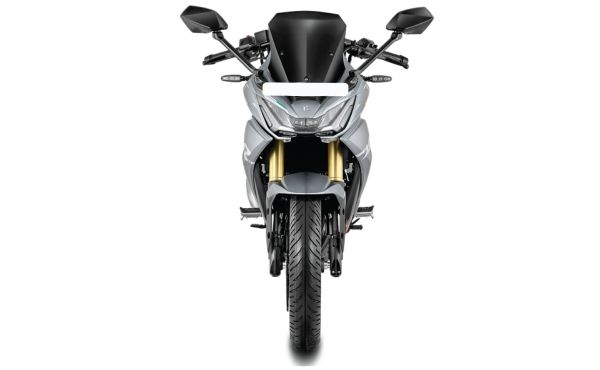
- Class-D LED projector headlamps: The Karizma XMR uses Class-D LED projector headlamps with smart illumination. This lighting system is described as first-in-segment, giving the bike a more premium and modern feel.
- Segment-first adjustable windshield: The Karizma XMR has a segment-first adjustable windshield for wind protection. This is especially useful for Indian highway riding, as the rider can adjust airflow for comfort on longer trips.
- 6-step adjustable rear monoshock: The Karizma XMR has a charged monoshock with 6-step preload adjustment. This lets riders adjust the rear suspension for luggage, a passenger, or different road conditions in India.
- Side-stand engine cut-off and alerts: The bike has practical safety and convenience features like a side-stand engine cut-off and display-based riding alerts. These small details make everyday use easier and help the bike feel more complete for Indian riders.
Build Quality
The Hero Karizma XMR feels much more refined than the old Karizma. It gets praise for its stylish looks and solid build quality, making a strong first impression. Most parts are well finished, though the telescopic fork and swingarm are more basic to keep costs down, so it’s not perfect in terms of premium touches.
In everyday use, the Karizma XMR feels well put together. Its panels, stance, and mechanical setup give it a confident and polished appearance. Some parts are kept simple for practicality and to keep the price reasonable, rather than adding expensive features just for show. This approach makes the build quality feel sensible and a good fit for the Indian market.
Handling
Handling is one of the Karizma XMR’s standout features in India. It’s easy to ride in traffic and stable on the highway. The engine runs smoothly, and the bike is easy to control, so you can move through traffic without tiring your wrists. On the highway, it stays steady and holds its line well, even on longer rides.
The Karizma XMR feels neutral and predictable, rather than overly sharp. It’s not an aggressive cornering bike, but it handles turns well and feels confident. High-speed stability is solid, and the chassis gives you enough confidence for regular highway use in India without making the bike feel unsettled.
Comfort
Comfort is a major reason why the Karizma XMR attracts Indian riders. Hero has given it a sporty riding position that isn’t too demanding. It’s more comfortable than some other sportbikes, making it easier for daily rides and longer journeys. Low wrist pressure and a well-designed seating position help on Indian roads and long trips.
The seat and suspension are both plush and supportive. The seat stays comfortable for long hours and is well-cushioned, making it good for long trips. The suspension is set on the softer side, which helps the bike handle rough roads and broken patches more comfortably, especially in the city and on highways in India.
Styling
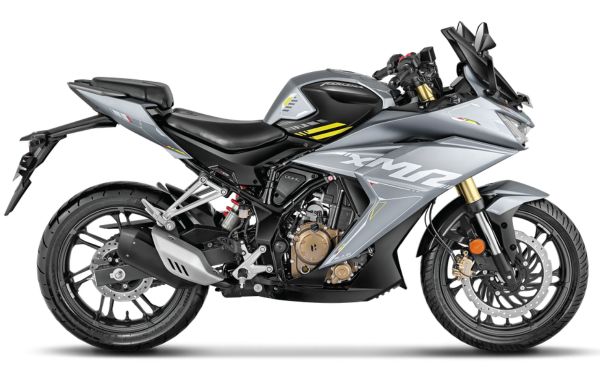
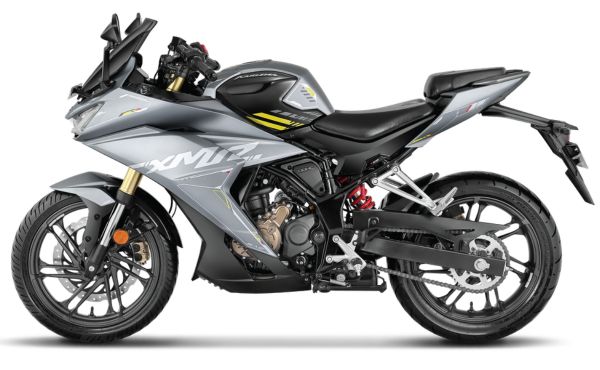
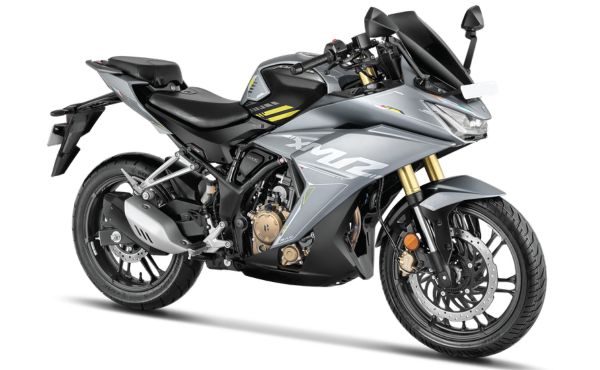
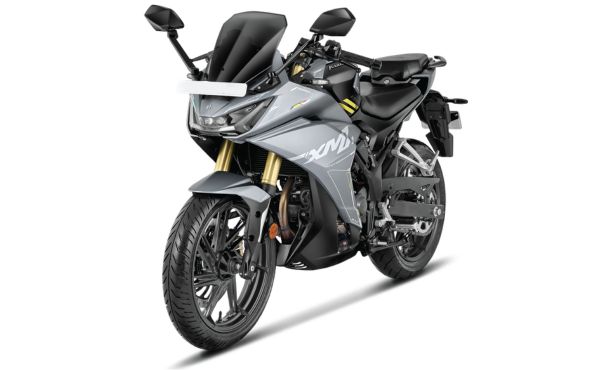
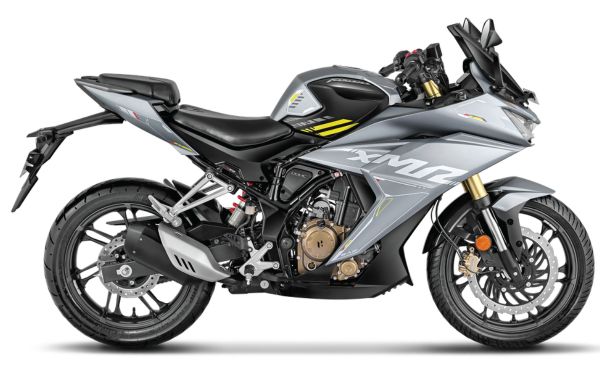
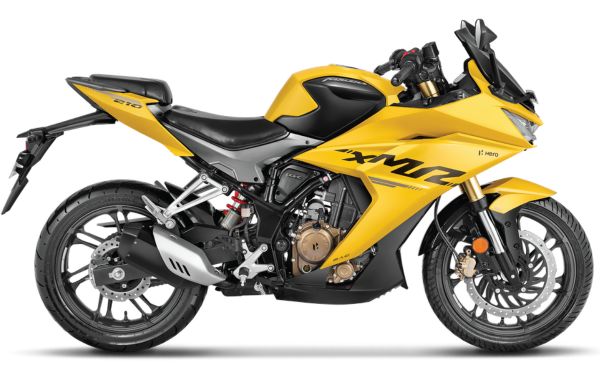
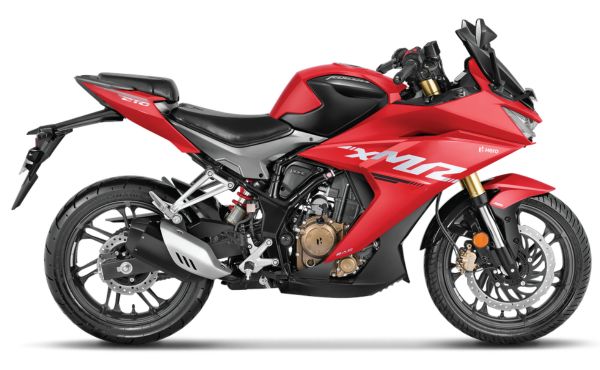
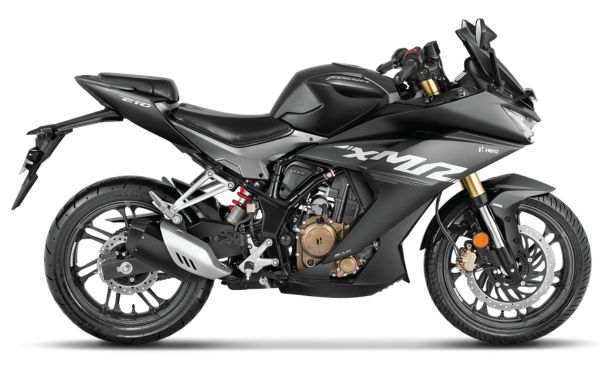
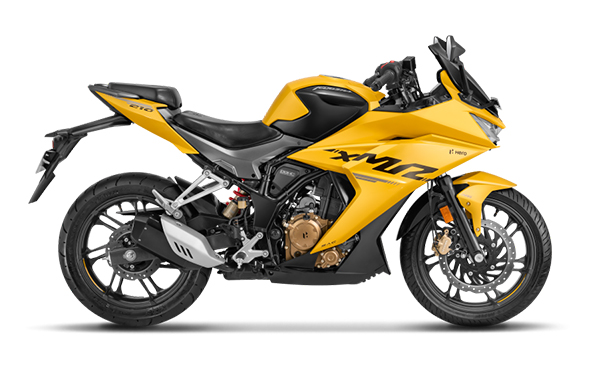
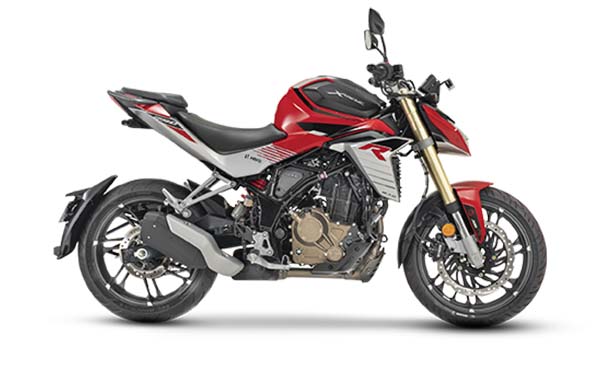
The Karizma XMR features a dynamic aero-layered design, with bodywork shaped to reduce drag and help cool the engine. This gives the bike a more technical, performance-focused look instead of just a decorative fairing. The front end stands out with signature H-shaped lamps and class-D LED projector headlamps, making the bike look modern and easy to spot on Indian roads.
The Karizma XMR has a fresh styling update with sharp cuts and creases, giving it a youthful look instead of a conservative one. Its sporty, eye-catching design stands out in its segment. The adjustable windshield adds both function and a more layered front profile, boosting its sporty-tourer character.
Color Options And Variants
Hero offers the Karizma XMR in four India-specific colour options:
- Combat Grey
- Phantom Black
- Turbo Red
- Iconic Yellow
These colors are chosen to match the sharp fairing and premium sportbike style, instead of just offering plain single-tone options. The choices are meant to attract riders who like either a subtle dark look or a more dramatic, classic-inspired finish.
The Hero Karizma XMR has a clean India lineup with two variants:
- Combat
- Top
The Combat variant is the more themed version of the Karizma XMR, aimed at riders who want a sporty bike with a darker, more aggressive look. The Top variant is the higher-spec option and is best for buyers who want the most fully equipped Karizma XMR in India.
Although the two variants are positioned differently, they share the same overall design. Both versions look like true Karizma XMRs, with sharp fairings, sporty proportions, and a premium stance. The main difference is in their visual style, not in the bike’s core identity.
Value For Money And Pricing
The Karizma XMR’s ex-showroom price starts at ₹ 1,86,644 (ex-showroom) for the base Combat variant in Delhi. Once you add insurance and RTO charges, the on-road price goes above ₹2 lakh in many cities. The Top variant costs about ₹2.11 lakh on-road, and the Combat Edition is around ₹2.12 lakh, giving a clearer idea of real ownership costs. This makes the bike seem more premium when you look at the final price compared to just the ex-showroom tag.
The Karizma XMR’s value comes from its features, like a TFT display, USB charging, dual-channel ABS, and connected riding functions. This is important because it gives Indian buyers modern features without the high price of bigger bikes. For its segment, the bike feels well equipped and justifies its price for those who want more than just basic transport.
The Karizma XMR feels more premium and refined than the old Karizma. This adds to its value, since buyers get not just performance or brand value, but a more complete and better-finished bike. Looking at ownership costs, it also seems manageable over time, which matters to Indian buyers who care about long-term expenses.
The most relevant rivals for the Karizma XMR in India include the
- Yamaha R15 V4
- Suzuki Gixxer SF250
- Bajaj Pulsar RS200
- Honda Hornet 2.0
- KTM 200 Duke
These bikes cover a wide range of prices, performance, and brand images, which makes the Karizma XMR’s segment very competitive. Each rival attracts a different type of buyer, from the R15 V4’s sporty looks to the Gixxer SF 250’s bigger engine and the RS200’s proven sporty appeal.
For Indian buyers, the Karizma XMR isn’t just about engine size or price. Instead, it stands out by offering a balanced mix of style, features, and practical value in one bike. This balance makes it a strong choice in the Indian market, not just another sporty bike.

Verdict
The Hero Karizma XMR isn’t just another sportbike on the market. It’s built with real Indian riders in mind. Rather than focusing on flashy performance numbers, it offers a lively 210 cc liquid-cooled engine that works well on highways and city streets. You get enough power for fun rides, along with the comfort and features you need every day. The TFT display, comfortable seat, and practical tech make it a bike you can use for commuting, weekend trips, or just enjoying a spirited ride.
What sets the Karizma XMR apart is its balance. It doesn’t try to outshine the competition or be the flashiest bike, but it offers a thoughtful mix of style, performance, technology, and comfort. While some rivals might have a bit more in certain areas, the Karizma XMR brings together what matters most for Indian riders: a sporty look, reliable performance, practical features, and the peace of mind from Hero’s wide service network. If you want a motorcycle that fits easily into your daily life and is ready for adventure, the Karizma XMR is definitely worth considering.
Pros
- Strong value proposition: The Karizma XMR is considered “value for money,” and that remains one of its biggest strengths in India. The motorcycle offers buyers a lot of equipment for the price, making it attractive in a segment where features matter.
- Powerful and usable engine: Users consistently note that the 210cc engine is strong and pairs well with the 6-speed gearbox. That gives the bike a sporty but approachable character that suits Indian roads.
- Comfortable riding position: The seating is comfortable for both rider and pillion, and the riding position is more comfortable than sharper rivals. This makes the Karizma XMR easier to live with in daily Indian use and on longer rides.
- Useful feature set:Hero equips the bike with turn-by-turn navigation, USB charging, dual-channel ABS, a slip-and-assist clutch, and an adjustable visor. In India, that kind of hardware adds real everyday value rather than just marketing appeal.
- Backed by Hero’s network: Hero MotoCorp’s widespread sales and service network is a practical advantage. For Indian buyers, service reach can be a major deciding factor, especially in smaller cities and towns.
Cons
- Not as exciting as its legend: One of the main criticisms is that the new Karizma XMR does not feel as groundbreaking as the original Karizma once did. That matters because the badge carries a lot of nostalgia, and some buyers expect a bigger emotional comeback.
- Competition is very strong: the market is dominated, and comparisons with Indian rivals show the Karizma XMR sitting in a crowded space. That makes it harder for Hero to stand out purely on image or performance.
- Neutral handling character: Some users say the bike is predictable and stable, but not especially thrilling or sharp. That is good for comfort, but riders looking for a more aggressive ride may want something more focused.
- Small fuel tank: The 11-litre tank limits touring range. For Indian riders who plan longer highway runs, this can be a practical drawback.
- Missing some advanced features: Users mention the absence of items such as riding modes, upside-down forks, and traction control. In a market where rivals increasingly offer higher-end hardware, the Karizma XMR can feel a step behind in some areas.
Other Related Links From Bikeleague India
List Of All Hero Motocorp Bikes In India
About Hero Motocorp Company
Hero MotoCorp is a major player in India’s two-wheeler industry. The company is known for its reliable commuter motorcycles, wide service network, and strong brand trust. In recent years, it has also started moving into premium and electric vehicles.
For many Indian buyers, Hero stands for practical, affordable, and fuel-efficient transportation. Over the years, the company has grown from focusing only on commuter bikes to becoming a broader mobility company with goals in both India and abroad.
History And Growth
Hero MotoCorp started in 1984 as Hero Honda Motors Ltd. It soon became well-known in India by offering motorcycles that were easy to maintain, efficient, and practical for daily use.
Early models like the CD100 and later the Splendor helped Hero grow quickly in both cities and rural areas. These bikes became known for their durability and good mileage, which was key to the company’s success.
A big change happened after Hero split from Honda and became Hero MotoCorp. This started a new phase where the company grew on its own, added more products, improved its factories, and explored new technologies.
The company slowly expanded from commuter motorcycles to include scooters, premium bikes, and electric vehicles. This change shows Hero’s effort to keep up with a fast-changing market and new customer needs.
Key Milestones And Developments
Over the years, Hero MotoCorp has reached several key milestones. The table below lists some of the most important moments in its history.
| Milestone | Details |
|---|---|
| 1984 | Hero Honda Motors Ltd. was established. |
| Early growth phase | The CD100 helped Hero become a major commuter motorcycle brand in India. |
| Brand expansion | Popular models such as Splendor, Passion, Glamour, CBZ, Karizma, and Pleasure strengthened its portfolio. |
| Large-scale production | The company crossed major cumulative production milestones, including 20 million, 50 million, 100 million, and 125 million units. |
| Independent identity | Hero Honda transitioned into Hero MotoCorp, creating a new standalone brand identity. |
| EV entry | Hero entered the electric vehicle space with VIDA. |
| Strategic partnerships | The company expanded through collaborations with Ather Energy, Zero Motorcycles, and Hero-Harley-Davidson initiatives. |
These milestones show how Hero MotoCorp has grown from making mainly commuter bikes to having a much broader vision for mobility. Each stage of its growth has involved adding new products, increasing production, and adapting to the market.
Manufacturing Facilities
Hero MotoCorp has set up a strong network of factories to handle its large production needs. These facilities are located in important parts of India, and the company also has some factories abroad.
The main factories in India are in Gurugram, Dharuhera, Neemrana, Halol, and Haridwar. These plants are important for Hero’s large-scale production and its supply chain across the country.
Haridwar is especially important because it is known as one of the world’s largest two-wheeler factories. This shows Hero’s focus on making products at a large scale and serving the mass market efficiently.
Hero also has factories outside India, such as in Bangladesh and Colombia. This helps the company export its products and reach customers beyond India.
| Manufacturing location | Region | Importance |
|---|---|---|
| Gurugram | Haryana | Key corporate and manufacturing base. |
| Dharuhera | Haryana | Part of Hero’s domestic production backbone. |
| Neemrana | Rajasthan | Supports manufacturing capacity in northern India. |
| Halol | Gujarat | Strengthens western India production. |
| Haridwar | Uttarakhand | One of the company’s largest and most important plants. |
| Bangladesh | International | Supports overseas production and regional reach. |
| Colombia | International | Adds to Hero’s global manufacturing presence. |
This network lets Hero MotoCorp keep up a steady supply in India and get ready for chances to grow internationally.
Market Position And Achievements
Hero MotoCorp is still one of the top brands in India’s two-wheeler market. Its success comes mainly from commuter bikes, especially the Splendor series, which is still very popular across India.
The company’s biggest strength is its wide reach. Thanks to a large network of dealers and service centers, Hero serves customers in both cities and villages. This strong presence has helped the brand keep loyal customers and stay visible in the market.
Hero is also known for making products on a large scale and running its operations efficiently. Its strong manufacturing has made it one of the most recognized two-wheeler brands in India and around the world.
Now, the company’s achievements go beyond regular motorcycles. Its efforts in electric vehicles, premium products, and expanding overseas show that Hero wants to be seen as a modern mobility company, not just a commuter bike maker.
| Area | Hero MotoCorp’s position |
|---|---|
| Indian market | One of the leading two-wheeler manufacturers. |
| Commuter segment | Strongest presence through high-volume, value-focused models. |
| Dealer network | Wide and established across India. |
| Manufacturing | Large-scale production with multiple major plants. |
| Global presence | Exports and international facilities strengthen reach. |
| EV strategy | Growing focus through the VIDA brand. |
Future Plans
Looking ahead, Hero MotoCorp is focusing on electric vehicles, offering more types of products, and growing internationally. The company is investing in these areas to stay competitive as the two-wheeler market changes.
The VIDA brand is a key part of Hero’s electric plans. The company is expected to keep developing new electric products, building infrastructure, and improving customer experiences. This matters as more Indian buyers want cleaner and more advanced ways to get around.
At the same time, Hero is still focused on its main commuter bike business, which is the base of its sales. The company seems to be balancing its traditional strengths with new growth areas, instead of choosing one over the other.
By working with companies like Ather Energy and Zero Motorcycles, Hero shows it is open to learning from experts and adopting new technologies quickly. This could help the company enter the premium and electric vehicle markets with more confidence.
Other Related Links From Bikeleague India
User Reviews
There are no reviews yet. Be the first one to write one.
Hiran Narayanan
Founder & CTO at Bikeleague India
Hiran Narayanan is the Founder and CTO of Bikeleague India, bringing over 15 years of experience in motorcycle technical writing. He develops detailed analyses, tools, model overviews, and blogs that contribute to bikeleague.in's improving rankings.