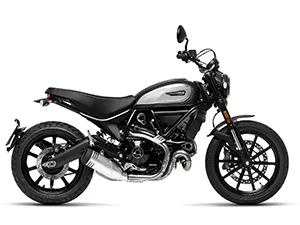
Ducati Scrambler Nightshift

Home > Ducati > Ducati Scrambler Nightshift

Introduction

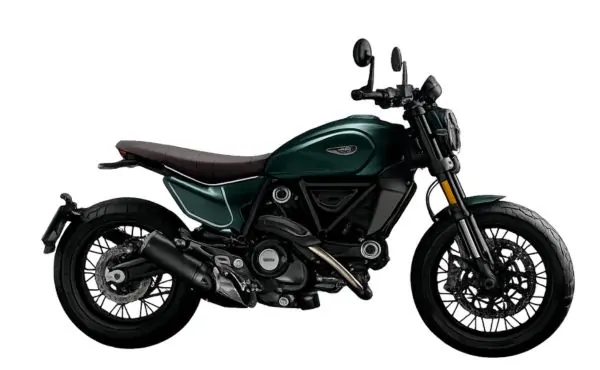
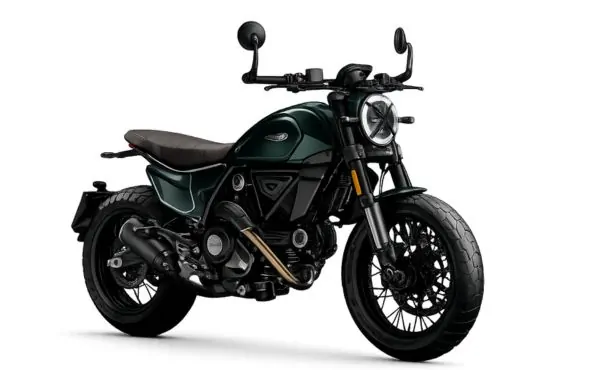
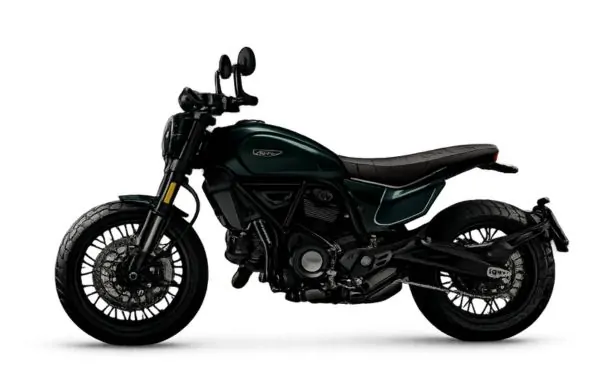
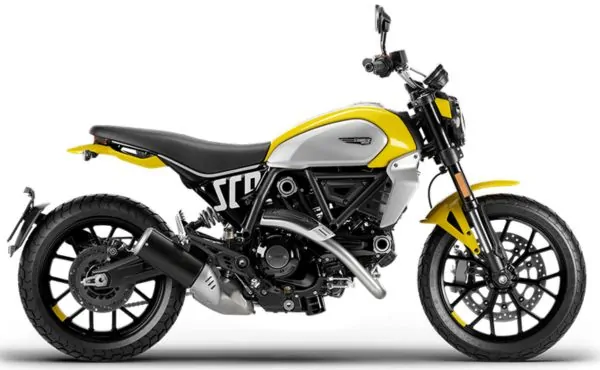
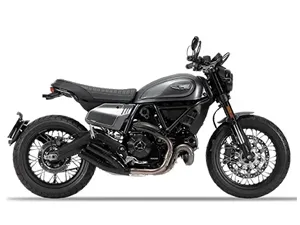
The Ducati scrambler Nightshift updates the café racer look with a bold Emerald Green paint job inspired by the 1970s. It comes with black spoked wheels, a stitched brown seat, and flat handlebars, giving it a strong street style. At 182kg, it’s easy to manage in city traffic, and the 795mm seat height fits most riders. The Nightshift meets BS6 Phase 2 standards in India and continues the retro-modern appeal of the second-generation Scrambler. Key design features include side number plates, LED turn indicators, and a 4.3-inch TFT display for simple controls.

Gallery

Key Specifications

Displacement

803 cc

Mileage

16-21 km/l

Power

74.01 PS @ 8,250 rpm

Torque

65.2 Nm @ 7,000 rpm

Fuel System

Electronic Fuel Injection

Tank Capacity

14.5 liters

Rear Suspension

Kayaba Monoshock

Kerb Weight

191Kg

Ratings

  • 100%

    Performance

  • 95%

    Features

  • 100%

    Handling

  • 95%

    Comfort

  • 95%

    Build Quality

  • 100%

    Styling

  • 95%

    Value for Money

  • 97%

    Total

Price

ducati logo

State - DELHI
City - DELHI
Price (Ex-showroom) - 13,46,600

Special Features

1
Café Racer Styling
2
Premium Color & Design
3
Full-black Spoked Wheels
4
Led Lighting System
5
4.3-inch Tft Display
6
Ducati Multimedia System
7
Ride-by-wire Throttle
8
2 Riding Modes
9
Ducati Traction Control
10
Cornering Abs
11
Quick Shifter
12
Lightweight & Agile Handling

Full Specifications

City 16-18km/l
Highway 19-21km/l
Speedometer Digital
ODOMETER Digital
Console Digital
Fuel Warning Indicator Yes
Low Fuel Indicator Yes
Tachometer Digital
Start Type Self Start
Clock Yes
Pass Switch Yes
ABS Dual Channel Cornering
Frame Tubular steel trellis frame
Front Suspension Upside down Kayaba 41mm fork
Rear Suspension Kayaba rear shock, pre-load adjustable
Tyres (F) Pirelli MT 60 RS 110/80 R18
Tyres (R) Pirelli MT 60 RS 180/55 R17
Brakes (F) 330mm front disc with Brembo M4.32 monobloc calliper
Brakes (R)
Engine Type cooled L-Twin engine with Desmodromic valves and two valves per cylinder air-cooled
Displacement 803cc
Power 74.01PS @ 8,250rpm
Torque 65.2Nm @ 7,000rpm
Bore x Stroke 88mm x 66mm
Compression Ratio 11:1
Fuel Supply Electronic fuel injection, 50mm throttle body
Clutch Hydraulically controlled slipper and self-servo wet multiplate clutch
Gearbox Six-speed
Valve Per Cylinder 2
Exhaust Stainless steel muffler with catalytic converter and 2 lambda probes, aluminium tail pipes
Wheelbase 1449mm
Seat Height 795mm
Length x Width x height 2165mm x 867mm x 1060mm
Kerb Weight 191kg
Fuel Capacity 14.5l
Number of seats Dual seat
Automatic Headlamp On Yes
Head Lamp LED
Tail Lamp LED
Pass Light Yes

Overview

Performance And Engine

The Nightshift uses an air-cooled L-Twin engine with Desmodromic valves and two valves per cylinder. It makes 73 hp at 8,250 rpm and 65.2 Nm of torque at 7,000 rpm. The 803cc engine, with an 88 x 66 mm bore and stroke and an 11:1 compression ratio, gives strong low-end torque for India’s roads. Electronic fuel injection and a 50mm Ride-by-Wire throttle let you pick between Road and Sport modes for a smooth, responsive ride.

Dyno tests on similar Scrambler models show about 68 hp at 8,300 rpm and 62 Nm of peak torque from around 5,700 rpm, making it easy to accelerate from low speeds. In India, it can go from 0 to 100 kmph in under 4 seconds, which helps with quick moves in traffic and on highways. The stainless steel muffler with a catalytic converter keeps emissions within Indian limits. However, in hot and crowded cities like Mumbai, riders often find the engine gets very hot, so cooling breaks are needed during commutes.

The 6-speed gearbox uses straight-cut gears and pairs well with the engine. It has a chain final drive with a 15-tooth front and 46-tooth rear sprocket. The hydraulic slipper clutch makes shifting easy and prevents rear-wheel hopping during hard downshifts, which is useful for spirited riding in India. You can add a quickshifter for faster gear changes without the clutch. The gear pattern is 1-down-5-up, which works well in city traffic.

In perfect conditions, the Scrambler Nightshift can reach a top speed of about 299 kmph. In real-world riding, you can expect speeds between 200 and 220 kmph since the bike is tuned more for daily use than for top speed. This makes it a good choice for long rides, with enough torque for highway travel.

Mileage And Fuel Efficiency

The 803cc engine is rated at 19 kmpl by ARAI, based on standard Indian test cycles and a 13.5-14.5L fuel tank. This rating considers BS6 rules and the engine’s efficiency in normal use. On highways, you can expect to travel about 256 km on a full tank.

Most riders in India get 18-21 kmpl, depending on riding style and conditions. In city traffic with many stops, it’s about 18 kmpl, while steady highway speeds can reach up to 21 kmpl. Hot weather and aggressive riding can lower it to 16-18 kmpl, but careful riding can get you over 20 kmpl. On average, monthly fuel costs are about ₹2,684 at 19 kmpl with current petrol prices.

Features And Technology

The Ducati Scrambler Nightshift comes to India with a new Emerald Green paint job, mixing 1970s café racer style with modern technology for city riders.

  1. Emerald Green Livery: New 1970s-inspired paint on teardrop tank, replacing Nebula Blue, with glossy-matte finish for street-glamour elegance in Indian cities.
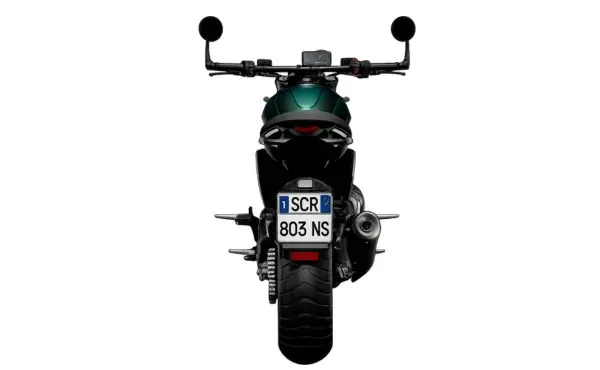
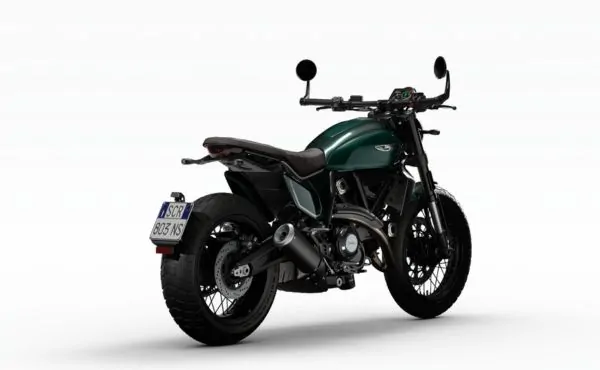
  2. Café Racer Styling: Stitched brown seat, flat variable-section handlebar with bar-end mirrors, side number plates, minimal front mudguard, no rear mudguard, compact LED turn indicators.
  3. Full-Black Spoked Wheels: 19-inch front and 17-inch rear black spoked rims for lightweight agility and a classic scrambler look on Indian roads.
  4. 803cc L-Twin Engine: Air-cooled Desmodromic with 2 valves/cylinder, 88x66mm bore/stroke, 11:1 compression, 73 hp @ 8,250 rpm, 65.2 Nm @ 7,000 rpm, BS6-compliant.
  5. Ride-by-Wire Throttle: Electronic 50mm throttle body enables Road and Sport modes for customizable performance in traffic or on highways.
  6. New 8-Plate Clutch: Smoother, more compact hydraulic slipper and self-servo wet multiplate clutch reduces lever effort and bulk for better foot space.
  7. 6-Speed Gearbox: Straight-cut gears with chain final drive (15/46 sprockets), hydraulically controlled for precise shifts.
  8. Cornering ABS: Bosch system with rear deactivation option for safety on wet or twisty Indian roads.
  9. Ducati Traction Control (DTC): Adjustable 4-level system prevents wheelspin in low-grip conditions like monsoon rides.
  10. 4.3-inch TFT Display: Colour screen with Bluetooth for navigation, calls, music; shows gear, speed, modes, DTC/ABS levels.
  11. Full LED Lighting: DRL, headlamp, tail light, compact LED indicators for visibility in dense traffic.
  12. USB Socket: Under-seat charging port for smartphones during long Indian tours.
  13. Ergonomics: 795mm seat height (780mm low/810mm high accessories), 1,449mm wheelbase, 182kg dry weight (191kg kerb) for easy handling.
  14. Braking Setup: 330mm front disc with Brembo M4.32 monobloc calliper, 245mm rear disc; optimised for Indian conditions.
  15. Suspension: Kayaba 41mm upside-down forks (150mm travel front), Kayaba rear monoshock (150mm travel) for a balanced ride.

Build Quality

Ducati’s steel trellis frame uses the 803cc L-Twin engine as a stressed member, helping keep the dry weight at just 182 kg, which is 4 kg lighter than earlier models. This gives the bike strong rigidity and a premium feel. High-quality parts like Brembo M4.32 monobloc callipers, Kayaba suspension, and Pirelli Sport Classic Scorcher tyres make it well-built for Indian monsoons and dusty roads.

The new 8-plate clutch cover reduces bulk and vibration, while rust-resistant finishes and vibration-free assembly hold up well in humid conditions; however, rear mudguard splash protection falters on wet roads, and exhaust heat shields may need frequent checks in coastal areas like Mumbai or Chennai. Indian owners report minimal maintenance beyond oil changes every 12,000 km, praising the frame’s torsional strength against daily pothole abuse.

Handling

With a 1,449 mm wheelbase and 182 kg dry weight, the Nightshift is nimble and easy to handle, making it great for Mumbai’s busy traffic and twisty ghat roads. The 19-inch front-spoked wheel adds stability and helps with low-speed control. Pirelli tyres grip well on tarmac, wet roads, and light gravel, while the 150 mm Kayaba USD forks and rear monoshock absorb bumps and speed breakers, even with firm suspension.

Cornering ABS, 4-level DTC, and a low centre of gravity help the Nightshift turn sharply and hold lines well on highways. Testers say it is more agile than its rivals in the city, though taller riders may need time to get used to the flat handlebars. In Mumbai traffic, its light weight makes U-turns and filtering easy, but high-speed wobble can happen after 5,000 km if the tyres wear out.

Comfort

The 795 mm seat height (with low and high options) and upright riding position with a wide, flat handlebar make the bike comfortable for Indian riders between 5’6″ and 5’10”. It supports 250-300 km rides before fatigue, and some rate it 5 out of 5 for comfort. The Kayaba suspension is firm for control, but still cushions potholes, mid-set footpegs help reduce cramping on long rides, and the stitched brown seat has good padding for solo or two-up trips.

However, the air-cooled engine gets very hot in stop-and-go traffic, especially in Mumbai’s humidity, so riders often need 5-10 minute cooling breaks after 30-45 minutes. Newer models manage heat a bit better. The passenger setup has a flatter seat, grab rails, and raised footrests for decent comfort on short trips, though shorter passengers may find the pegs high. The USB port helps with navigation on rides. Overall, it’s commuter-friendly except during the hottest hours.

Styling

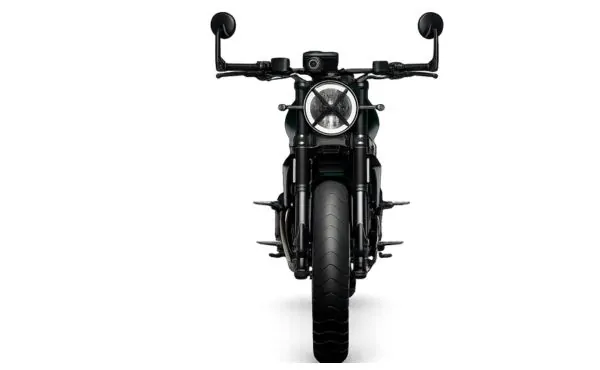
The Nightshift captures the café racer spirit with its teardrop fuel tank, glossy-matte Emerald Green finish, side number plates, compact LED turn indicators, and no rear mudguard for a clean, minimalist look. The flat handlebar with bar-end mirrors, stitched brown seat, short front mudguard, and blacked-out X-grille headlamp bring in 1970s motorsport style, mixing classic elegance with a modern touch.

The full-black spoked wheels (19-inch front, 17-inch rear) stand out against the bodywork, while the chrome-tipped exhaust and tan seat stitching add to its street style, fitting well in India’s lively cities. Users call it the “sharpest look in the city,” and the pinstripes and LED DRL add a touch of class without too much chrome.

Colour Options And Variants

The Scrambler Nightshift offers solely the

  1. Emerald Green livery

a 1970s-inspired hue defined by Ducati Style Centre, replacing the prior Nebula Blue for a more nostalgic, motorsport-derived appeal. This single colour scheme features alternating glossy and matte finishes on the tank, highlighting curves and badges for standout visibility in traffic.

The Nightshift is sold as a single Standard variant in India, different from the Icon and Full Throttle models in the Scrambler range. There are no sub-variants or special ABS versions; it comes with standard features like a TFT display, Cornering ABS, and DTC. As the premium café racer in the lineup, it focuses on style rather than power or mechanical changes.

Value For Money And Pricing

The Scrambler Nightshift Standard variant carries an ex-showroom price of ₹ 13,46,600 across major cities like Delhi, Mumbai, and Bangalore, positioning it as the top-end in the Scrambler lineup. EMI options start at ₹25,812/month for 60 months at 9.7% interest; prices rose ₹68,500-₹2.8 lakh recently due to BS6 Phase 2 updates. No sub-variants; single colour (Emerald Green) keeps it straightforward.

The Nightshift earns its price with the premium Ducati L-Twin engine (73 hp), unique café-racer style, and features like Cornering ABS, DTC, a TFT display, and a light 182 kg build. It’s great for riders who want an analogue feel. Resale value stays strong at 85-90% after a year through Ducati’s network, and low maintenance costs (₹15,000-20,000/year) plus 19 kmpl ARAI efficiency add to its appeal. However, some users question the value because of engine heat in traffic, a quieter exhaust due to emissions, and its price being close to the liquid-cooled Ducati Monster (₹15.5 lakh+), which has better tech. The base Scrambler Icon at ₹10.39-10.65 lakh gives you most of the experience for less. The Nightshift is best for weekend rides, not daily commuting.

Direct rivals include

  1. Triumph Bonneville T120
  2. Triumph Speed Twin
  3. Triumph Scrambler 1200
  4. Triumph Bonneville Bobber
  5. Kawasaki Z650RS
  6. Triumph Street Triple 765

The Nightshift stands out for its Italian style but falls behind in overall everyday usability.

Verdict

The Ducati Scrambler Nightshift is a top café racer in India’s premium motorcycle market, mixing classic 1970s style with modern features like Cornering ABS and a bright TFT display. Its light 182kg build, strong 803cc L-Twin engine with 73 hp, and nimble handling make it fun for city rides and weekend trips, especially on twisty roads. It also has good resale value and Ducati’s unique appeal for those who love analogue riding, while real-world mileage of 18-21 kmpl and features like DTC add practical benefits in its BS6-compliant version.

Despite its charm, the Nightshift’s air-cooled engine heat in humid traffic, quiet exhaust, and firm ride on rough roads limit its use as a daily commuter. Compared to rivals like the Triumph Bonneville T120 or Ducati’s own Icon, it offers more Italian style but less refinement and value for everyday use. It’s best for riders who care about style and fun over perfect practicality, and it comes with Ducati’s reliable support network.

Pros

  • Stunning Retro Styling: Emerald Green livery, stitched brown seat, side plates, bar-end mirrors, and black-spoked wheels deliver unmatched café-racer elegance, turning heads in Indian cities.
  • Punchy L-Twin Performance: 803cc air-cooled engine offers 73 hp and broad torque for thrilling acceleration and engaging analogue character in Road/Sport modes.
  • Nimble Handling: 182 kg dry weight, 1,449 mm wheelbase, Pirelli tyres, and 150 mm Kayaba suspension excel in traffic, potholes, and ghats with flickable agility.
  • Premium Features: Cornering ABS, DTC (4 levels), Ride-by-Wire, 4.3-inch TFT Bluetooth display, full LED lights, and USB socket enhance safety and usability.
  • Comfortable Ergonomics: 795 mm seat height, upright posture, wide handlebar support, 250-300 km rides with an approachable stance for average Indian riders.
  • Strong Resale and Badge Value: Ducati prestige holds 85-90% value after year 1, with low maintenance (₹15-20k/year) and exclusive ownership appeal.

Cons

  • Excessive Engine Heat: Air-cooled design bakes rider’s legs/tank in Mumbai/Delhi traffic and humidity, requiring cooling breaks after 30-45 mins—a major daily commuter flaw.
  • Muted Exhaust Note: BS6 emissions limit the thrilling L-Twin roar to a subdued growl, disappointing enthusiasts expecting a classic Ducati soundtrack.
  • Poor Rear Mudguard Protection: Minimal design splashes muck onto rider/pillion in rain or puddles, common in Indian monsoons.
  • No Standard Quickshifter: Absent at the ₹13.5 lakh price, unlike rivals; an accessory-only option, frustrating for frequent gear changes.
  • Questionable Value vs Rivals: At ₹13.47 lakh ex-showroom, overlaps Monster (better tech) or cheaper Icon; heat and features lag Triumph Bonneville T120.
  • Firm Ride on Bad Roads: Suspension handles potholes decently but jars on sharp breakers; pillion pegs are high for shorter riders on tours.​

Other Related Links From Bikeleague India

List Of All Ducati Bikes

About Ducati Bikes

Ducati started in India as a high-performance import brand, appealing to enthusiasts who appreciate engineering, Italian style, and track-ready bikes rather than everyday practicality. Over the past decade, Ducati has grown its range from superbikes to include adventure, naked, and lifestyle models, establishing itself across the premium motorcycle market. Today, Ducati India stands as a luxury performance brand with low sales volumes but high value, supported by a digital-first strategy and a focus on customer experience.
History And Growth

Ducati began in Bologna, Italy, in 1926 and is famous for its V-twin engines, Desmodromic valve system, and strong racing heritage in MotoGP and SBK. In 2012, the Volkswagen Group acquired Ducati, which helped the brand expand into new markets such as Asia and India.

Ducati first entered India through an official importer and distributor, Precision Motors India (later Ducati India Pvt. Ltd.), which handled sales, service, and marketing. Starting with a few grey-import superbikes in the early 2010s, Ducati formalised its business and built a premium-only lineup, capitalising on the growing demand for 500–1,200 cc performance bikes.

Key Milestones And Developments

Ducati’s progress in India has been shaped by key product launches and strategic choices:

  1. During the 2016–2020 :shift from BSV-I/II to BSVI, Ducati quickly updated and localized its lineup to meet India’s stricter emission rules. This allowed models like the Monster, Multistrada, and Panigale to continue, even as other brands faced challenges.
  2. With the BSVI rollout in 2020–2021:Ducati delivered on its promise to launch 15 new or updated models. This made its BSVI-compliant lineup one of the most complete among premium brands, both in power and variety.
  3. Ducati began with just a few showrooms in major cities, then steadily opened more authorized dealerships in places like Mumbai, Pune, Delhi-NCR, Bengaluru, Hyderabad, Chennai, and Kochi. This expansion improved both its reach and customer confidence in service.
  4. For 2026:Ducati India plans to launch 10 new and updated models, such as the Panigale V4 Lamborghini edition, Multistrada V4 Rally, Monster V2, and other performance-focused bikes. This shows Ducati’s intent to expand across several premium segments.

These steps have strengthened Ducati’s reputation as a performance brand that doesn’t compromise on BSVI standards, focusing on advanced technology and electronics in its motorcycles.

Manufacturing Supply And Chain

Ducati, unlike most Indian mass-market brands, does not have its own factory in India. Instead, it uses its global production network. Bikes sold in India are made or assembled at Ducati’s plants in Italy, Thailand, and Brazil, with most Indian models currently coming from Thailand.
Earlier reports suggested Ducati was interested in starting local production or CKD assembly in India, possibly in areas like Greater Noida. However, no large factory has opened yet. For now, Ducati continues as a premium importer, focusing on high-value bikes instead of increasing volume through local assembly.
Market Position And Achievements

Ducati India works in a small but profitable segment, selling low-volume, high-priced motorcycles that cost between ₹10 lakh and over ₹30 lakh on the road. While the superbike market is much smaller than the mass 100–150 cc segment, it has grown quickly, with demand rising from about 4,500 units per year in the mid-2010s to over 15,000 units today.
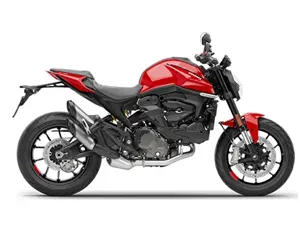
Ducati has regularly ranked among the top five high-performance brands in India by market share and brand appeal. Its leaders have also named India as a future top-five global market for Ducati. Some key achievements are:

  1. Ducati has seen strong double-digit sales growth in recent years, with about 6–7% growth in 2024 compared to 2023, even with tough market conditions.
  2. Almost all Ducati models are available in India, as the brand has promised to bring “every model” to the country at some point, showing its strong commitment to the market.
  3. Ducati has built a respected dealer and service network across India, with a strong focus on rider events and track days to enhance the ownership experience.

Future Plans And Road Ahead

Looking ahead to 2025–2027, Ducati India plans to expand its product range, explore electric options, and connect more closely with the riding community:

  1. Ducati’s 2026 plan to launch 10 new and updated models shows its aim to reach more niches, from track-focused superbikes to adventure and lifestyle bikes. The brand also plans to introduce motocross-inspired and off-road models soon, appealing to riders beyond just road and sport touring.
  2. Ducati plans to keep opening more dealerships and service centers in major and select smaller cities. It will also expand events like Ducati Riding Experience (DRE), track days, and owner club activities.
  3. Ducati is investing in advanced electronics, lightweight materials, and new powertrain ideas worldwide. While electric or hybrid models for India are not confirmed yet, Ducati is likely to consider them as the premium electric two-wheeler market grows.

For Indian enthusiasts, Ducati will likely remain a niche but noticeable brand, offering a mix of race-inspired bikes, advanced electronics, and a strong story rooted in Italian design and MotoGP roots.

User Reviews

0.0
0.0 out of 5 stars (based on 0 reviews)
Excellent0%
Very good0%
Average0%
Poor0%
Terrible0%

There are no reviews yet. Be the first one to write one.

Hiran Narayanan - Founder & CTO, Bikeleague India

Hiran Narayanan

Founder & CTO at Bikeleague India

Hiran Narayanan is the Founder and CTO of Bikeleague India, bringing over 15 years of experience in motorcycle technical writing. He develops detailed analyses, tools, model overviews, and blogs that contribute to bikeleague.in's improving rankings.

Core Expertise
Two-wheeler Technical & Blog Content Writing Petrol Motorcycle Analysis Electric Motorcycle Analysis Petrol Scooter Analysis Electric Scooter Analysis WordPress & SEO