Overview
Performance And Engine
The Multistrada V2 uses an 890cc 90-degree V-twin engine with four valves per cylinder, liquid cooling, and an intake variable-valve-timing system, as per Ducati India. Ducati claims this is their lightest twin-cylinder engine yet, weighing about 54.4 kg. It meets Euro-5+ standards and is compatible with India’s E20 fuel blend.
In India, the engine produces 85 kW (about 115.6 PS) at 10,750 rpm and 92.1 Nm of torque at 8,250 rpm. These figures are slightly updated from previous versions but are mostly unchanged. The engine features a 13.1:1 compression ratio, electronic fuel injection with a 52 mm throttle body, and ride-by-wire for adjustable power and throttle settings.
Like other Ducati V-twins, the 890 V2 offers strong low and mid-range torque, making overtaking and climbing hills easier. At higher revs, it remains lively, similar to a sport bike. The IVT system adjusts valve timing to keep the engine smooth and easy at low speeds, while still delivering power when needed. This makes it comfortable for city traffic and highway riding without sacrificing performance.
The Multistrada V2 features a 6-speed manual gearbox and comes standard with Ducati Quick Shift (DQS) up/down 2.0, according to Ducati India’s specs. Power is sent to the rear wheel by a chain drive with a 15-tooth front and 40-tooth rear sprocket. The clutch is a hydraulically controlled slipper and self-servo wet multi-plate unit, which smooths out engine braking during hard downshifts and makes the lever easier to use. This is especially useful on long rides and when braking from high speeds.
Indian sources report that the Multistrada V2 has an electronically limited top speed of about 182 km/h, which suits its power and adventure-touring design. It can comfortably cruise at 130–150 km/h on the highway, and the 6-speed gearbox with the 890cc V-twin allows for easy overtaking and high-speed riding without putting strain on the engine.
Mileage And Fuel Efficiency
Ducati states that the Multistrada V2 achieves 16.9 kmpl as per ARAI’s official Indian test cycle. Some sources round this up to 17 kmpl, but 16.9 kmpl is the standard figure. This rating is based on steady, light-throttle riding, so actual mileage is often lower in real-world conditions.
In real-world mixed touring, most riders see about 13–15 kmpl, according to Indian users. On highways at 90–110 km/h with cruise control, you might get 15–16 kmpl, though this is the best-case scenario for Indian roads. In city traffic or with spirited riding, mileage usually drops to 12–13 kmpl. The 19-litre tank provides a practical highway range of 250–300 km, depending on riding style and conditions.
Features And Technology
The standard Ducati Multistrada V2 comes with several features designed for adventure touring on Indian roads, including its E20-compliant engine and practical electronics.
- Riding Modes: Five selectable modes (Sport, Touring, Urban, Enduro, Wet) that adjust cornering ABS, Ducati Traction Control (DTC), Ducati Wheelie Control (DWC), and Engine Brake Control (EBC) to predefined levels, fully customisable by rider for Indian conditions like rain or city traffic.
- Power Modes: Independent power delivery adjustments paired with riding modes, allowing throttle mapping tweaks for low-speed urban riding or high-speed highway runs common in India.
- Bosch Cornering ABS: Dual-channel system with front dual 320mm semi-floating discs (Brembo M4.32 monobloc 4-piston callipers) and rear 265mm disc (Brembo 2-piston calliper), optimised for lean-angle braking on twisty ghat roads.
- Ducati Traction Control (DTC): Multi-level intervention using 6-axis IMU for wheelspin control, adjustable via riding modes, essential for wet or loose gravel surfaces in India.
- Ducati Wheelie Control (DWC): IMU-based system to manage front-wheel lift during aggressive acceleration, with levels tied to riding modes for safer launches.
- Engine Brake Control (EBC): Manages engine braking force to prevent rear-wheel lockup under deceleration, particularly useful on downhill descents.
- Ducati Brake Light EVO (DBL): Automatically flashes brake light during hard emergency braking, enhancing visibility in dense Indian traffic.
- 5-inch TFT Colour Display: 800×480 resolution full-colour screen with redesigned interface, three info modes, excellent sunlight readability, and intuitive navigation for Indian riders.
- Ducati Quick Shift (DQS) Up/Down 2.0: Bidirectional quickshifter for clutchless gear changes, standard on Indian-spec V2 for seamless highway overtakes.
- Cruise Control: Standard electronic cruise for relaxed long-distance highway cruising, vital for India’s NH stretches.
- USB Port: Integrated Type-A USB socket on dashboard for charging smartphones, a practical touch for navigation apps in India.
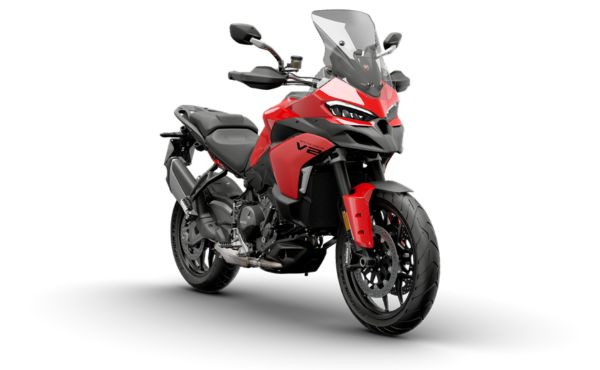
- Full LED Headlights with DRL: Adaptive full-LED unit with Daytime Running Light, auto-off indicators, and Coming Home function; redesigned beak-like front end inspired by Panigale for better night visibility on unlit roads.
- Adjustable Seat Height: Standard two-position seat at 830-850mm, optional low seat kit to 810-830mm or high seat to 850-870mm, suiting diverse Indian rider heights.
- Pirelli Scorpion Trail II Tyres: Front 120/70 ZR19, rear 170/60 ZR17 tubeless radials on cast alloy wheels, dual-purpose compound ideal for India’s mixed tarmac and light off-road.
- 19-Litre Fuel Tank: Slimmer design, contributing to a 199kg wet weight (no fuel), E20 fuel-compliant for Indian petrol, offering ~250-300km real-world range.
- Mechanical Suspension: Non-S spec gets fully adjustable 45mm Marzocchi fork (170mm travel) and rear monoshock (170mm travel, remote preload), tuned for Indian touring loads.
- Aluminium Monocoque Frame: Engine as stressed member with trellis subframe and double-sided swingarm, 18kg lighter than predecessor for agile handling on potholed roads.
- Ducati Multimedia System (DMS) Ready: Optional smartphone connectivity for music, calls, and Turn-by-Turn navigation via app, popular for Indian tourers.
- Anti-Theft System Ready: Optional immobiliser integration for security in urban India.
- Tyre Pressure Monitoring System (TPMS) Ready: Optional sensor kit to monitor pressures on long rides.
- Heated Grips Ready (Standard on S): Optional for colder Himalayan or monsoon-damp mornings.
- Vehicle Hold Control: Hill-hold assist to prevent rollback on steep inclines, handy for ghat sections.
Build Quality
Ducati’s aluminium monocoque frame uses the 890cc V2 engine as a stressed member, combined with a steel trellis subframe and double-sided aluminium swingarm. This setup reduces weight by 18kg, bringing it to 199kg dry (222kg kerb weight as per Indian listings). High-quality materials like forged aluminium wheels and premium finishes provide strong rigidity and durability for India’s rough roads.
The bike’s E20-compliant engine casing and parts are sealed to keep out dust and water. The tight panel gaps, LED lighting, and tidy cable routing all show Ducati’s premium build quality. Indian users appreciate the rust-resistant coatings and vibration-dampening mounts, which remain solid after monsoon rides and long tours, with no creaks or rattles on rough roads. Overall, the build quality inspires confidence in owning the bike for 10,000 km in India’s humid, dusty conditions.
Handling
The lighter chassis and updated geometry give the bike neutral, agile handling, even with 170mm of suspension travel. The 19-inch front and 17-inch rear Pirelli Scorpion Trail II tyres offer sharp turn-in on winding ghat roads. The fully adjustable Marzocchi mechanical suspension (45mm fork in front, preload-adjustable monoshock at the rear) absorbs bumps well and keeps the bike stable at highway speeds over 130 km/h. It feels much more nimble than the previous model.
IMU-assisted electronics such as DTC, DWC, and cornering ABS boost confidence in corners, keeping the bike stable under braking and predictable during mid-corner changes on India’s uneven roads. Users mention its “feather-light” feel for a middleweight ADV, making it great for quick moves around traffic or obstacles. However, the mechanical suspension needs manual adjustments for touring with luggage compared to solo sport riding.
Comfort
The bike’s ergonomics include a two-position adjustable seat (830-850mm standard, with low and high options), improved padding for long-distance comfort, and more legroom to reduce knee bend on long rides. The upright riding position, wide handlebars, and neutral footpegs suit taller Indian riders and help reduce fatigue on rides over 400 km. Cruise control and USB charging also make highway trips more practical.
The mechanical suspension is comfortable in softer settings for city potholes and touring, though it is firmer than electronic options. Pillion comfort has improved with the new seat and grab rails. Heat from the V-twin is manageable at low speeds in Urban or Wet modes, but it can build up in traffic, as Indian city tests show. Overall, the Multistrada V2 is among the most comfortable bikes for long rides on highways and state roads.
Styling
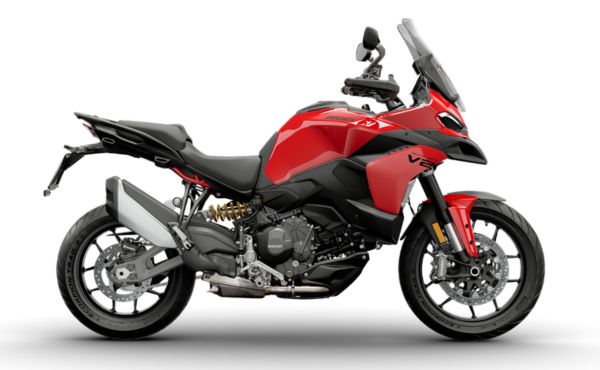
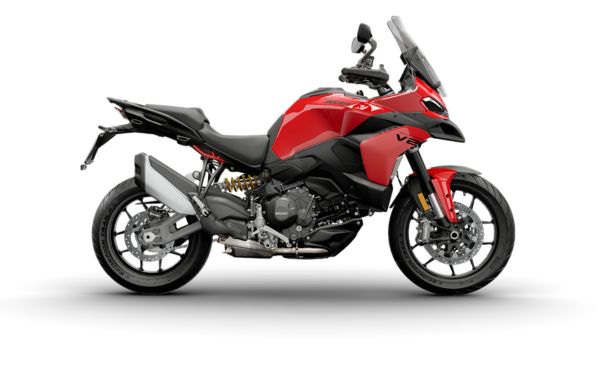
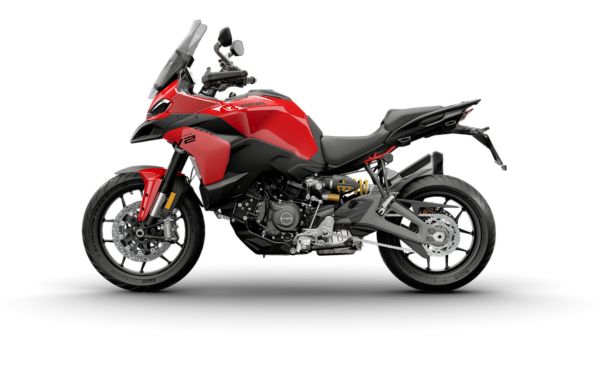
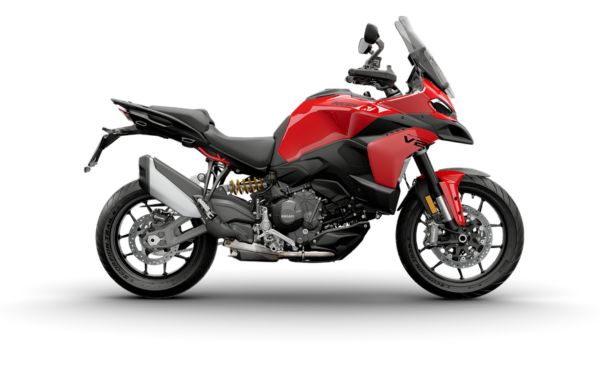
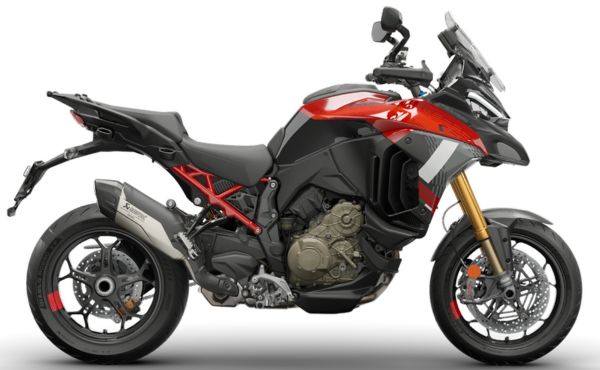
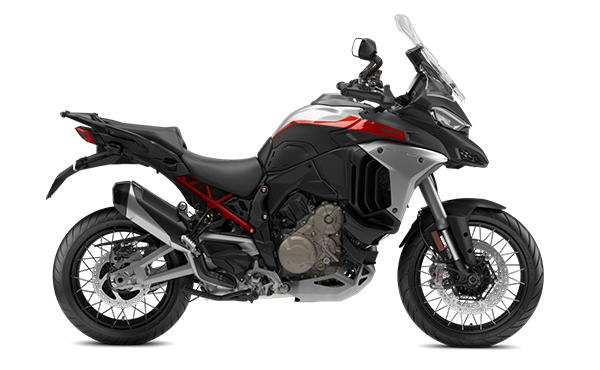
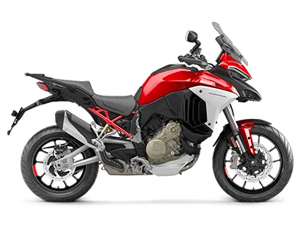
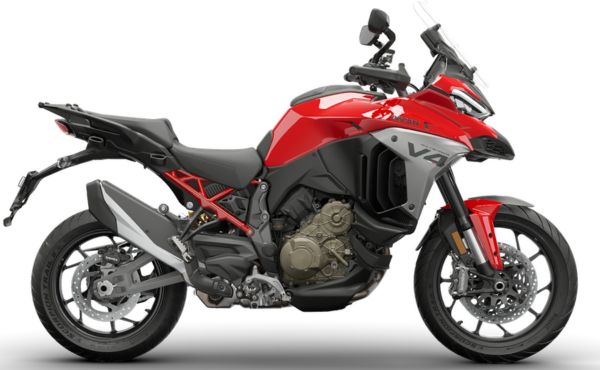
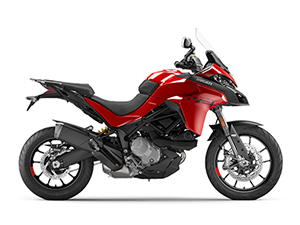
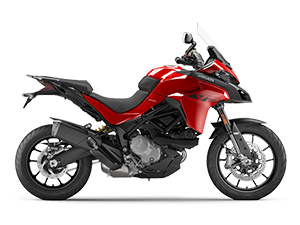
The Multistrada V2 has a more aggressive, modern look inspired by the Panigale and Multistrada V4. It features redesigned full-LED headlights with a sculpted beak fairing and integrated DRL for a bold front-end appearance. The side view keeps the classic Multistrada shape with smooth lines, a slimmer 19-litre fuel tank for easier leg reach, and a sharper, trapezoidal exhaust silencer that adds to the bike’s sporty rear.
The standard V2 features premium details such as blacked-out frame accents, cast aluminium wheels with machined finishes, and a compact LED taillight with the Ducati Brake Light EVO system for improved visibility. The mirrors, alloy wheels, and brake disc flanges are inspired by the V4. The 18kg lighter chassis gives the bike a more compact, agile look, while still maintaining its tall adventure-tourer stance (wheelbase: 1,592mm). Indian users highlight its “instantly recognisable” premium appearance, which stands out both in showrooms and on the road, combining sportiness with everyday practicality.
Colour Options And Variants
In India, the standard Multistrada V2 is offered exclusively in
- Ducati Red
This classic glossy red colour highlights the bike’s muscular lines and is the only option listed on Ducati’s Indian configurator. The bright red stands out against the blacked-out parts, giving the bike a bold, high-end look that aligns with Indian preferences for striking colours.
While other countries may offer more color choices, Indian sources confirm that the base V2 is only available in Ducati Red to keep costs down. The paint is known for its deep metallic finish and UV resistance, helping it withstand India’s harsh sun and dust. India gets just one version of the Multistrada V2: the standard model with mechanical suspension and no Skyhook electronics, making it different from the pricier V2 S. This base model includes key features like five riding modes, a quickshifter, and IMU electronics, but does not have the semi-active suspension, forged wheels, or heated grips found on the V2 S.
Value For Money And Pricing
The Ducati Multistrada V2 is price starts at ₹ 18,88,000 lakhs ex-showroom (Delhi) across all authorised Ducati dealerships in India, as confirmed by launch announcements and spec sheets. This single-spec V2 (Ducati Red only, mechanical suspension) undercuts the V2 S variants, making it the most affordable new Multistrada in the current lineup. Prices reflect BS6 Phase 2B compliance, E20 fuel tuning, and an 18kg weight saving over the prior model, with no introductory discounts noted. EMI options start at ~₹55,000/month over 3-5 years via partners like Shriram Finance.
The Multistrada V2 is a strong value in the luxury middleweight ADV segment thanks to its Italian V-twin character, advanced electronics (IMU, riding modes, quickshifter), and a chassis that is 18kg lighter with improved ergonomics. Buyers get a premium build, a powerful 890cc engine (115 PS/92 Nm), and touring features like cruise control and USB charging, all without paying extra for the V2 S’s electronic suspension (which costs about ₹2.1 lakh more). It’s ideal for riders who value style and performance over extra gadgets.
Indian owners point out its strong resale value (Ducatis keep 80-85% of their value after 2 years), reasonable maintenance costs (about ₹15,000 per service at 12,000 km intervals), and exclusivity (only about 100 units sold per year), which help balance the high initial price. Downsides include the lack of standard luggage or heated grips (which cost ₹50,000 or more), but for performance fans, it offers more excitement than Japanese competitors. Overall, it’s a great choice if you value the Ducati brand and V-twin sound over more common alternatives.
Direct rivals to the Multistrada V2 in India include the
- Triumph Tiger 900 GT Pro
- BMW F 900 GS
- KTM 1290 Super Adventure S
- Honda Africa Twin
Ducati stands out for its brand prestige and advanced electronics, while competitors have better service networks and more accessories.