Long story short: In short, we’ll help you find the best bike for new riders. This guide covers what to look for in a beginner bike, so your first ride is safe, comfortable, and fun. See our top picks to get started.
Starting your journey on two wheels in India is exciting, but choosing the right bike can feel overwhelming given the many good options.
Whether you love the classic look of Royal Enfield or prefer Honda‘s reliable performance, we’re here to help you find the best bikes for new riders. Let’s make sure your first ride is safe, fun, and memorable!
Key Takeaways
- Engine capacity matters: Choosing a bike with an engine between 100cc and 200cc gives you a good mix of power, easy handling, and fuel efficiency. This range is great for new riders in India.
- Safety features are crucial: Look for beginner bikes equipped with ABS, hazard lights, and good lighting to improve control and visibility on the road.
- Service network and maintenance: Popular brands like Hero, Honda, TVS, and Bajaj are recommended due to their widespread service centres and low maintenance costs, making ownership hassle-free for first-time buyers.
- Budget and fuel efficiency: Factor in not just the purchase price but also fuel economy, insurance, and gear costs. Models known for high mileage and affordable upkeep are best for new riders.
- Test ride and practicality: Always take a real test ride to check comfort, ergonomics, and if the bike suits your needs, like city commuting or highway trips. Choose fit and ease of use over flashy looks or high power.
Understanding The Indian Motorcycle Market
The Indian motorcycle market is shifting, with more focus on entry-level bikes for beginners. While some brands have seen global sales drop, small bikes are getting more popular in India.
This shift is happening because brands like Honda and Royal Enfield are launching new models, and even international names like Harley-Davidson are entering the entry-level market. Some of the most popular beginner brands in India are:
These brands are offering more beginner-friendly bikes because new riders want motorcycles that are easy to handle and affordable.
What Are The Key Factors To Consider When Choosing A Bike For New Riders In India?
1. Engine Capacity
- Recommended Range: 150cc to 250cc bike is widely recommended for new riders, balancing power and manageability.
- Bikes under 125cc are ideal for absolute new riders, offering lightweight and easy-to-maneuver options
- 135cc to 200cc for those wanting slightly more power while maintaining ease of control.
- Considerations: Lower cc bikes are generally lighter and easier to handle, especially in urban traffic.
2. Safety Features
- Anti-lock Braking System (ABS): This system is essential for preventing wheel lock-up during sudden braking, and it is beneficial on slippery roads.
- Immobilizer or Alarm System: Adds an extra layer of security against theft.
- Hazard Lights: Enhances visibility during emergencies or when stationary on the road.
- Kill Switch and Tip Over Sensor: This feature allows quick power cut-off in emergencies and automatically shuts off the engine if the bike tips over.
- Reflective Elements and Lighting: Crucial for visibility, especially at night or in poor weather conditions.
3. Maintenance Costs And Service Centre Availability
- Low Maintenance Models: Bikes like the Bajaj Pulsar 150 offer low maintenance costs.
- Service Centre Network: Indian brands like Bajaj, Hero, and TVS often have widespread service networks, ensuring easy access to maintenance.
- Reliability: Brands like Yamaha, Honda, and Suzuki are known for their reliability, potentially reducing the frequency of service centre visits.
4. Fuel Efficiency
- Importance: Fuel efficiency is crucial in the Indian market, driving sales and consumer preferences.
- Standards: Look for models that meet or exceed the new average CO2 target of 25 gCO2/km 2025.
- Technology: For optimal fuel efficiency, consider bikes with advanced combustion systems and electronic engine management.
5. Budget And Price Segments
- Entry-Level: Starting from around Rs 1,05,000 for basic models in the 150cc to 160cc segment.
- Mid-Range: Rs 1,16,755 to Rs 1,29,738 for models like Bajaj Pulsar 150 and Hero Xtreme 160R.
- Premium Segment: Up to Rs 1,93,400 for advanced models like the Yamaha R15 series.
- Financing Options: Consider manufacturers offering easy financing through their own NBFCs.
6. Market Trends And Popular Models
- Scooter Segment: This segment is proliferating, especially electric scooters, with sales increasing by 20.9%.
- Leading Manufacturers: Hero, Honda, and TVS are top performers in the Indian market.
- Electric Options: Consider electric scooters for their ease of use and cost-effectiveness, especially in urban areas.
7. Ease Of Use And Manoeuvrability
- Vehicle Design: Step-through frames offer easier mounting and dismounting.
- Weight and Balance: Lighter bikes are generally easier to handle for new riders.
- Ergonomics: Consider seat height, handlebar position, and footpeg placement for comfort and control.
- Technology: Features like ABS, traction control, and ride modes can aid in maintaining control.
8. Resale Value
- Popular Models: Hero Splendour, Hero Passion Plus, and Hero HF Deluxe have strong resale values.
- Factors Affecting Resale: Physical condition, consumer demand, and regular maintenance records influence resale value.
- Market Dynamics: India’s growing two-wheeler market could positively impact resale values.
What Are Some Of The Top Bike Models For New Riders In India?
Taking these factors and current trends into account, here are some of the best beginner motorcycles in India.
1. Hero Splendor Plus
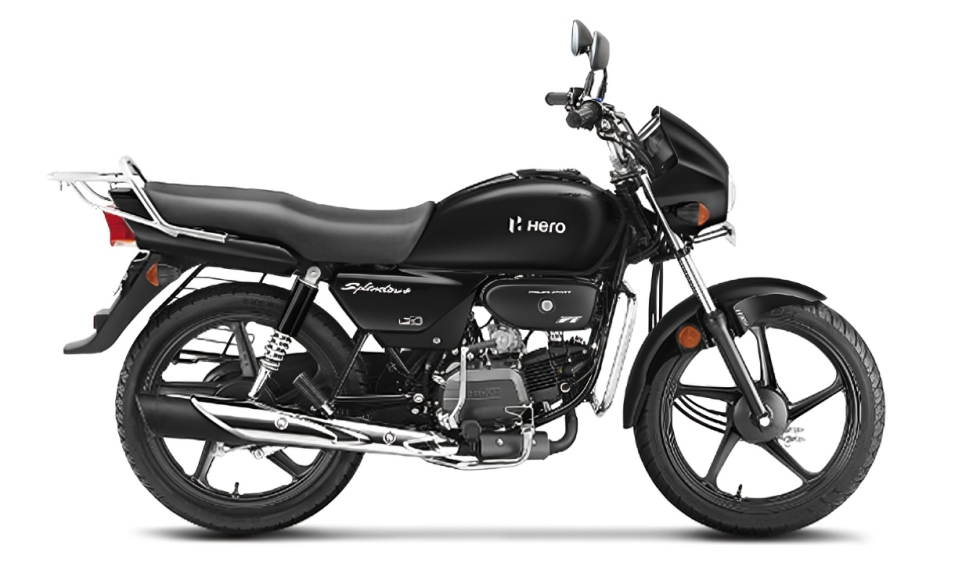
- Price:₹ 73,902 Onwards, Ex-showroom
- Engine: 97.2 cc
- Suitability:Highly recommended for beginners due to its ease of riding, lightweight design, and high fuel efficiency
- Features:Classic design, excellent mileage, low maintenance cost
- Availability & Support:Extensive dealer network, reliable after-sales service
The Hero Splendor Plus is a top choice for beginners. It’s light, comfortable, and easy to handle. It’s also affordable and fuel-efficient, making it ideal for daily use. Hero’s wide service network means you’ll get good support and easy service access.
2. Honda Activa 125
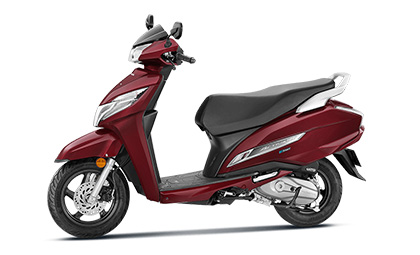
- Price: ₹ 82,257 Onwards, Ex-showroom
- Engine: 109.51 cc
- Suitability: Perfect for beginners who prefer scooters
- Features: Comfortable riding position, combined braking system, reliable performance
- Availability & Support: Excellent availability and renowned after-sales service
The Honda Activa 6G is a great scooter for beginners. It’s reliable, easy to handle, and comfortable. Honda’s strong after-sales service also makes it a safe choice for new riders.
3. TVS Raider 125
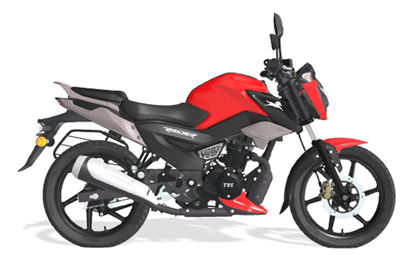
- Price: ₹ 80,500 Onwards, Ex-showroom
- Engine: 124.8 cc
- Suitability: Highly suitable for beginners looking for a stylish commuter
- Features: Digital speedometer, modern design, good performance
- Availability & Support: Good availability and satisfactory after-sales service
The TVS Raider 125 offers both style and performance, making it a good choice for beginners. It’s easy to handle and has modern features that new riders will like. TVS also gives good after-sales support.
4. Bajaj Pulsar NS 200
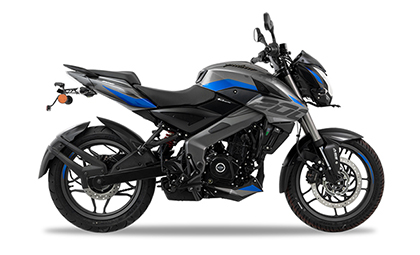
- Price: ₹ 1,32,024 Onwards, Ex-showroom
- Engine: 199.5 cc
- Suitability: Ideal for new riders interested in sports bikes
- Features: Sporty design, good mileage, lightweight for its class
- Availability & Support: Wide availability and good customer support
The Pulsar NS 200 is a good option for beginners who want a sporty bike that’s still easy to handle. It’s fun to ride, but not too much for new riders. Bajaj’s wide service network means you’ll get good support after buying.
5. Honda SP 125
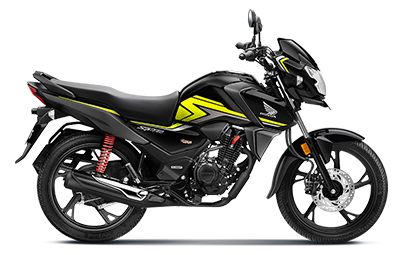
- Price: ₹ 89,468 Onwards, Ex-showroom
- Engine: 124 cc
- Suitability: Excellent for daily commuting and beginners
- Features: Good build quality, comfortable ride, fuel-efficient
- Availability & Support: Widely available with Honda’s reliable customer support
The Honda SP 125 is well-built and comfortable, making it a good pick for beginners and daily commuters. Honda’s strong service network and reliable support add to its appeal.
6. Royal Enfield Hunter 350
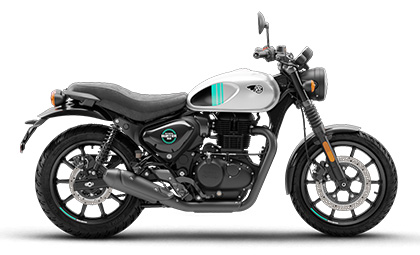
- Price: ₹ 1,37,648 Onwards, Ex-showroom
- Engine: 349 cc
- Suitability: Suitable for beginners interested in classic styling
- Features: Classic appeal, comfortable for moderately long rides
- Availability & Support: Good availability, improving after-sales service
The Royal Enfield Hunter 350 has a classic style and is reliable. It’s good for both city and highway rides, giving new riders a balance of power and control. Royal Enfield is also growing its service network to offer better support.
7. Yamaha MT 15 V2
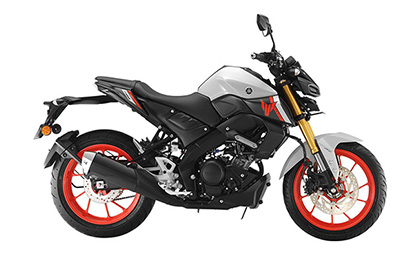
- Price: ₹ 1,55,469 Onwards, Ex-showroom
- Engine: 155 cc
- Suitability: Ideal for new riders looking for a sporty yet manageable bike
- Features: Light and agile handling, traction control, ABS
- Availability & Support: Good availability, reliable Yamaha support
The Yamaha MT 15 V2 is light and easy to handle, making it a good choice for beginners who want a sporty bike. It also comes with advanced safety features like traction control and ABS, which are helpful for new riders.
8. Suzuki Access 125
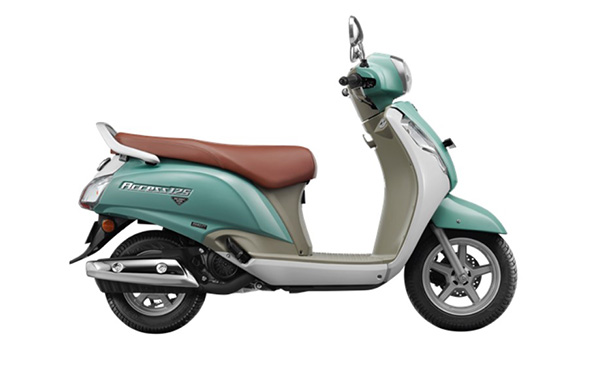
- Price: ₹ 77,284 Onwards, Ex-showroom
- Engine: 124 cc
- Suitability: Excellent for beginners preferring scooters
- Features: Powerful for its class, fuel-efficient, lightweight
- Availability & Support: Good availability and Suzuki’s reliable support
The Suzuki Access 125 is known for its power and fuel efficiency. It’s light and easy to handle, making it great for beginners. Suzuki’s reliable customer support is another advantage.
9. Bajaj Chetak 3001
- Price: ₹ 1,07,400 Onwards, Ex-showroom
- Battery: 3.0 kWh, 127 km range
- Suitability: Excellent for beginners preferring scooters, easy reverse mode and hill hold for confidence
- Features: Metal body, 35L boot, coloured LCD, 775mm seat height, lightweight at 108kg
- Availability & Support: Pan-India Bajaj service, 5-year/70,000km warranty
The Bajaj Chetak 3001 is a strong choice for beginners with its durable metal body, fast charging in 3 hours 50 minutes, and helpful features like guide-me-home lights. It’s a reliable electric scooter for daily commutes in India.
10. TVS Iqube
- Price: ₹ 1,11,422 Onwards, Ex-showroom
- Battery: 2.2kWh, 94km range
- Suitability: Excellent for beginners preferring scooters, low-speed stability ideal for city traffic
- Features: App connectivity, OTA updates, spacious storage, lightweight at 118kg with smooth regen braking
- Availability & Support: Wide TVS network across India, strong after-sales for EV maintenance
The TVS iQube is great for new riders with its easy-to-use electric power, roomy storage, and tech features like a Bluetooth cluster. It’s a solid urban electric scooter backed by TVS reliability.
| # | Model | Brand | Type | Engine / Battery | Key Role for New Riders |
|---|---|---|---|---|---|
| 1 | Hero Splendor Plus | Hero MotoCorp | Motorcycle | 97.2 cc | Ultra-easy commuter, high mileage, low upkeep |
| 2 | Honda Activa 125 | Honda | Scooter | 109.51 cc | Beginner-friendly scooter, comfy with CBS |
| 3 | TVS Raider 125 | TVS | Motorcycle | 124.8 cc | Stylish 125cc commuter with modern features |
| 4 | Bajaj Pulsar NS 200 | Bajaj | Motorcycle | 199.5 cc | Entry sporty bike that’s still manageable |
| 5 | Honda SP 125 | Honda | Motorcycle | 124 cc | Daily-use 125cc with good build and efficiency |
| 6 | Royal Enfield Hunter 350 | Royal Enfield | Motorcycle | 349 cc | Accessible RE with classic charm for newbies |
| 7 | Yamaha MT 15 V2 | Yamaha | Motorcycle | 155 cc | Light, sporty 155cc with ABS/TC |
| 8 | Suzuki Access 125 | Suzuki | Scooter | 124 cc | Powerful-for-class, efficient, light scooter |
| 9 | Bajaj Chetak 3001 | Bajaj | Electric scooter | 3.0 kWh | Urban EV starter with 127 km range |
| 10 | TVS iQube | TVS | Electric scooter | 2.2 kWh | Connected EV scooter with 94 km range |
When Or Why To Consider Upgrading From Their First Bike, Or How To Pick A First Bike With Future Needs In Mind In India?
Let’s be honest: your first bike is a rite of passage, but it probably won’t be your forever companion. Whether you’re cruising city streets or dreaming of Ladakh’s winding trails, most new riders outgrow their 100-125cc bike within a year or two.
It’s perfectly normal! As your confidence grows and the odometer ticks past 5,000 km, you’ll start noticing what your first bike can—and can’t—do. Maybe you want to ride further, carry a pillion more comfortably, or simply keep up on the highway. These moments are your clues that an upgrade might be around the corner.
What Real Riders Say About Knowing When To Upgrade
- Skill Mastery & Power Gap: You’ll know you’re ready for a bigger bike when city traffic feels second nature, you can shift gears and brake smoothly, and you’re starting to crave more power—especially on longer rides. Many riders notice their first bike feels strained on the highway, or it gets uncomfortable if you’re riding with a passenger for a few hours. That itch for more comfort and performance is a clear sign you’re levelling up as a motorcyclist.
- Touring-Specific Needs: Maybe you’ve started planning weekend trips, only to realise your bike doesn’t have enough wind protection, or your seat isn’t comfy for luggage or a pillion. Or perhaps you’d love to have GPS, Bluetooth, or a better suspension for rougher roads. These needs signal it might be time to look at 200-350cc bikes with more features and comfort.
- Off-Road Capacity: Dreaming of Spiti or Meghalaya? Off-roading dreams will quickly show the limits of your first commuter bike—like not enough ground clearance, less traction, or missing riding modes. If you’re itching to explore tougher terrain or ride safely in monsoon rains, it’s a sure sign you’re due for an upgrade.
- Economic Signals: On the practical side, many riders upgrade when their current bike still holds good resale value—sometimes after a year, sometimes longer. Trading in your trusty Splendor or Activa often makes that next big leap (like to an Xpulse or Himalayan) more affordable. Plus, changing fuel prices or new subsidies on electric/adventure bikes can tip the scales.
How To Pick A First Bike You Won’t Regret Later
1. Start Simple, Think Ahead: Entry-level Touring Picks (₹1.4-1.7l)
- Hero Xpulse 210 is a top first step for adventure seekers. It’s tall enough for rough roads but still beginner-friendly, gets great mileage, and won’t let you down on those first mountain trips. Best of all, it holds value well if you decide to trade up.
- Suzuki V-Strom SX is a solid all-rounder if you want a bike that’s comfortable in the city but also ready for the occasional trail or coastal road trip.
2. Levelling Up: Mid-tier Touring And Off-road Choices (₹2.1-2.4l)
- Yezdi Adventure (₹ 1,98,110) brings more power, tech, and trail-readiness—Bluetooth for navigation, a strong gearbox, and real off-road credibility. If you’re thinking long-term, it’s a fun way to grow your skills.
3. Premium: When You’re Ready To Go All-in (₹3.0l+)
- Royal Enfield Himalayan 450 is for those who know they’re committed—high ground clearance, all the comfort, and enough capability that you won’t need another upgrade for years.
- The KTM 390 Adventure is for tech lovers who want big performance and lighter weight. Just remember, premium bikes often mean higher service costs and fewer workshops outside big cities.
Your Upgrade Roadmap: What To Keep In Mind
| Milestone | Timeline/KM | Upgrade Trigger | Recommended Next Bike (₹ Ex-Showroom) | India Advantage |
|---|---|---|---|---|
| City + Short Trails | 6-12m/5-10k km | Weekend 150km, comfort limits | Hero Xpulse 210 (₹ 1,62,065) | Affordable ADV entry, 210mm clearance |
| Highway + Monsoon Touring | 12-18m/10-15k km | Highway vibration, ABS need | Royal Enfield Himalayan 450 (₹ 3,05,722) | Proven Ladakh heritage |
| Serious Adventure Touring | 18-24m/15-20k km | International trails, tech features | KTM 390 Adventure (₹ 3,94,699) | Cornering ABS, ride modes |
| EV Adventure Touring | Intercity focus | Zero fuel, 300km+ range | Bajaj Chetak 3501 (₹ 1,34,500) | Efficient city-to-hill base |
Pro Tips From Seasoned Indian Riders
- Start Versatile, Upgrade Assured: The more versatile your first bike, the happier you’ll be—Xpulse 210 or V-Strom SX are great for both daily rides and weekend escapes, and you won’t struggle to sell them when you want something bigger.
- Network Matters for Remote Touring: If you plan to tour remote places, consider service networks—brands like Hero, Bajaj, and TVS have workshops almost everywhere, while KTM and other premium brands are harder to find in far-off regions.
- Accessory-First Thinking: Love carrying luggage or riding with friends? Pick a bike that can handle accessories and storage add-ons—Xpulse and Himalayan do this well, simple commuters like Splendor or Activa less so.
- EV Scalability: Curious about electric? The Bajaj Chetak 3001 is a solid start for urban adventures, and charging while on road trips will only get easier as EV infrastructure grows across India.
What Are The Tips For New Riders To Build Their Confidence And Skills Before Hitting The Road In India?
Let’s face it: riding your first bike in India can be both exciting and a bit nerve-wracking. The good news is that everyone starts somewhere, and building confidence takes time. Many new riders avoid mistakes and accidents by getting some training before riding in busy streets. For example, FMSCI-licensed schools like TVS Racing Academy offer hands-on practice with clutch control, braking, and cornering. Even a few days of training or an online course can really help your safety and confidence.
Riding Schools In India: Where Real Riders Get Started
If you’re just starting out, you’ll find great support at places like TVS Racing Training Academy, which runs affordable, hands-on workshops in over 20 cities. Whether you want to master the basics or dream of track days, you’ll learn from real riders and passionate instructors. For women, FirstGear in Mumbai creates a welcoming space with urban riding drills. KTM’s Adventure Academy is perfect if you’re curious about off-roading, while Apex and Ten10 in South India offer in-depth, video-guided sessions to build your confidence step by step.
Online Learning Resources: Learn At Your Own Pace
Prefer to learn at home or brush up before your license test? Try SafetyIndia’s online modules, which mix interactive lessons with practical tips for both scooters and bikes. Want to see real-world riding in action? YouTube channels like M2C MotoVlogs break down tricky turns and slow-speed manoeuvres, while apps like LetsRyde let you practice skills virtually—before you hit the road for real.
Pre-road Skill-building Tips From Fellow Beginners
Most new riders swear by practising in quiet, empty lots—figure-8s for balance, sudden stops, and gentle clutch work on slopes. Make a habit of checking your mirrors, maintaining a safe following distance, and always riding with proper safety gear. Even after your training, logging a few hundred supervised kilometres on a friendly bike like the Splendor or Activa can work wonders for your skills and confidence.
Training Comparison Table: Pick What Fits Your Journey
| Option | Cost (₹) | Duration | Focus | Best For | Availability |
|---|---|---|---|---|---|
| TVS Racing Academy | 10k-20k | 1-3 days | Track, racing license | Apache/Raider riders | 20 cities, FMSCI cert |
| KTM Adventure Academy | 15k | 1 day | Off-road drills, certs | ADV beginners | Pan-India events |
| FirstGear (Women) | 5k+ | 1-2 days | Urban safety, confidence | Female novices | Mumbai-centric |
| Safety India Online | Free-2k | 4-6hrs | Theory, hazard sims | All, pre-road prep | Nationwide, app-based |
| Apex/Ten10 Racing | 20k+ | 2-3 days | Video analysis, pro tracks | Serious skill-build | Bangalore/Chennai/Coimbatore |
Many new riders say TVS Racing Academy is their top pick—it’s affordable, available in many cities, and run by people who love bikes as much as you do. No matter which path you choose, remember: every expert once started as a beginner, and your journey is uniquely yours.
What Are The Most Common Mistakes New Indian Motorcycle Riders Make—and How Can You Avoid Them?
Let’s be honest: buying your first bike is exciting, but it’s easy to make some common mistakes, especially with so many choices and advice from all sides. Most new riders struggle with buying a bike that’s too powerful, not checking service and resale options, or skipping a proper test ride. India’s rough roads, E20 fuel, rising costs, and many models make these mistakes even easier to make.
1. Chasing Power And Looks Instead Of Fit And Comfort
It’s tempting to go for a flashy, sporty machine (NS200, MT-15, Duke 200) right out of the gate. But these bikes can be tall, heavy, and much sharper than what a true beginner needs. In real-world Indian traffic, that means harder U-turns, more wobbles in slow traffic, and trickier emergency stops. Many new riders find themselves struggling for control or even dreading busy roads.
How To Avoid It:
- Start with something like a 100–125cc (Splendor, SP 125, Raider), or a forgiving 150–160cc bike that’s easy to manage and weighs under 120 kg. You’ll thank yourself later!
- Look for a bike where you can plant your feet flat on the ground, sit upright comfortably, and enjoy smooth power at low speeds—forget about chasing big bhp numbers for now.
2. Ignoring Service Network, Spares And Reliability
You might fall for a cool, lesser-known brand, but what happens if you need a spare part in a small town or on a road trip? Getting stuck waiting weeks for repairs is no fun. In India, brands like Hero, Honda, TVS, and Bajaj have service centres almost everywhere, which makes life much easier (and cheaper) if something goes wrong.
How To Avoid It:
- Before buying, check how many authorised service centres are nearby—not just in your city but also in smaller towns. The bigger the network, the less you’ll worry on long rides.
- Bikes that have been around for years and sell in big numbers usually mean easy spares and cheaper repairs—peace of mind for any new rider.
3. Underestimating Total Cost: Fuel, Emi, Insurance, Gear
It’s easy to focus only on the EMI or showroom price, but don’t forget about the other costs: fuel (especially with E20), regular servicing, better tyres, and good riding gear. Many new riders find their “dream bike” gets expensive fast—and that can take the fun out of riding.
How To Avoid It:
- If you’ll be riding a lot, pick something that delivers 45–60+ kmpl in real-world conditions. Your wallet will thank you!
- Set aside money for insurance, a few paid services every year, and at least ₹5,000–₹10,000 for a good helmet, gloves, and rain gear. Don’t skimp on safety—your future self will be grateful.
4. No Proper Test Ride In Real Conditions
A quick spin around the showroom doesn’t tell you what a bike is really like in traffic, over potholes, or on a hot day. You might miss things like uncomfortable seats, vibrations, or awkward controls—problems you’ll only notice after you’ve already bought it.
How To Avoid It:
- Ask for a real test ride—take the bike over bad roads, speed breakers, a flyover, and some stop-and-go traffic. You’ll get a much better feel for what daily riding will actually be like.
- If you’ll often have a pillion, bring someone along on your test ride. Notice how the bike brakes, accelerates, and how comfy the seat feels for both of you.
5. Ignoring Resale Value And Upgrade Path
You might think you’ll keep your first bike forever, but most new riders want to upgrade in a year or two. That’s when resale value really matters—bulky, niche, or high-cc bikes can lose value fast if not many people want them.
How To Avoid It:
- For your first bike, stick with popular models that lots of people want (Splendor, Activa, SP 125, FZ, Apache, Pulsar 150/160). They’ll be much easier to sell when you’re ready to move up.
- Think a couple of years ahead. If you want to try touring or adventure bikes down the road, start with something you’ll have no trouble reselling when the time comes.
6. Overlooking Comfort And Use Case (city Vs Touring)
It’s natural to get excited by reviews showing off high-speed rides, but think about your own day-to-day: will you mostly be commuting in the city, hitting highways on weekends, or doing a bit of both? A cramped or aggressive bike can make daily rides a pain, especially in traffic.
How To Avoid It:
- If 80–90% of your riding is in the city, go for a commuter or scooter with an upright seating position, a light clutch, and a tight turning radius. Your arms and back will thank you in rush hour.
- If you’ll be mixing city rides and weekend getaways, look for a 125–160cc model with a softer suspension and a seat that feels good after an hour or two (SP 125, Raider, FZ, Apache 160).
- Before buying, just sit on the bike for 5–10 minutes. If your wrists, knees, or back start to ache, it’s only going to get worse with daily use.
7. Not Considering Ev Vs Petrol Honestly
EVs are everywhere these days—some new riders jump in for the tech, others avoid them altogether. If you mostly ride in the city, an EV can be a great choice, but only if you really understand the range, charging access, and battery warranty.
How To Avoid It:
- If your daily commute is under 50–60 km and you have charging at home or work, check out EVs like the Chetak, iQube, or Ather. If you travel longer distances or can’t charge easily, stick to a reliable petrol bike in the 110–160cc range.
- Check the battery warranty (years/km), real-world range (not just what’s advertised), and whether you can get service nearby before committing.
8. Buying On Emotion Or Peer Pressure
You’ll hear lots of advice from friends, family, and influencers (“Royal Enfield hi lena”, “sports bike hi cool hai”), but their favourite bike may not be right for your height, experience, or budget. Many beginners end up feeling intimidated by their own bike—or worse, avoiding practice rides altogether.
How To Avoid It:
- Write down your own priorities—budget, comfort, mileage, maintenance—before you even step into a showroom.
- Shortlist 2–3 models and compare them using actual specs and owner reviews—not just flashy marketing videos or influencer reels.
Pick a bike that fits you well, is comfortable, has good service support, and won’t break the bank. That way, your first rides will build confidence, not anxiety. Models like the Hero Splendor Plus, Honda SP 125, TVS Raider, and Suzuki Access 125 often deliver what beginners really need—without the stress of an oversized, flashy bike.
Faq Related To Bike Models For New Riders In India
1. What Are The Best Beginner-friendly Bike Models In India?
Popular models include the Hero Splendor Plus, Honda Activa 6G, TVS Raider 125, Bajaj Pulsar NS200, and Honda SP 125.
2. What Is The Ideal Engine Capacity For A Beginner Bike In India?
The general consensus is that beginners should start with bikes in the 100cc to 200cc range, as these provide a good balance of power and manageability.
3. Which Beginner Bike Offers The Best Fuel Efficiency In India?
Fuel efficiency is a crucial factor for many Indian riders. Models like the Hero Splendor Plus and Honda SP 125 are often highlighted for their excellent mileage, making them popular choices for budget-conscious beginners.
4. What Are The Maintenance Costs For Popular Beginner Bikes In India?
New riders are concerned about the long-term costs of owning a bike. Brands like Hero and Honda are often mentioned for their low maintenance costs and widespread service networks.
5. Which Beginner Bike Is Best For City Commuting And Occasional Highway Rides?
Models like the TVS Raider 125 and Bajaj Pulsar NS200 are often recommended for their comfort in urban and highway conditions.
6. What Safety Features Should I Look For In A Beginner Bike?
Safety is a top priority for new riders. Features like ABS (Anti-lock Braking System), CBS (Combined Braking System), and good build quality are frequently mentioned. Models like the Yamaha MT 15 V2 are highlighted for their advanced safety features.
7. Is It Better To Buy A New Or Used Bike As A Beginner In India?
While new bikes offer warranties and the latest features, used bikes can be more cost-effective for those on a tight budget.
8. Which Beginner Bike Has The Best Resale Value In India?
Resale value is an essential consideration for many first-time buyers. Due to their popularity and reliability, Hero and Honda are often cited for their excellent resale value.
9. What Are The Best Electric Bikes For New Riders In India?
Models like the Hero Electric Optima LX are mentioned as good electric options for beginners, and they are supported by Hero’s robust network.
10. How Do I Choose Between A Motorcycle And A Scooter As A Beginner In India?
Scooters like the Honda Activa 6G are often recommended for their ease of use in city traffic. At the same time, motorcycles like the Hero Splendor Plus are praised for their versatility and fuel efficiency.
Here Are Some Related Articles From Our Team
- Motorcycle service – All things you need to know explained
- Motorcycle storage – Long term storage tips & precautions
- Motorcycle Fancy number – How to get your favorite one
- Electric scooter maintenance – Top tips for longevity
- Best mileage bikes in India right now
Conclusion
Choosing your first bike as a new rider in India is a big decision that sets the tone for your future on two wheels. By carefully considering factors like engine capacity, safety features, maintenance, budget, and practicality, you’ll ensure your first motorcycle is enjoyable, reliable, and confidence-inspiring.
Start with a beginner-friendly model that fits your needs, prioritise safety and comfort, and don’t hesitate to test-ride different options until you find the right fit. This approach will help you build skills, stay safe, and truly enjoy every ride.
If you have questions or need more information, email us at bikeleague2017@gmail.com or leave a comment below. We’re always here to help. Also, follow Bikeleague India on social media to stay connected!