Overview
Performance And Engine
The Tiger 1200 GT Explorer in India uses the same 1,160 cc liquid-cooled, 12-valve, DOHC, inline-three T-plane engine as the GT Pro, tuned for the highest performance in the Tiger 1200 range. Its bore and stroke are 90.0 mm by 60.7 mm, with a compression ratio of 13.2:1. This setup gives the engine a strong, high-revving feel and a flat-twin-like character at low to mid rpm thanks to the T-plane firing order. The GT Explorer produces up to 150 PS (148 bhp) at 9,000 rpm, but in Rain mode, power is limited to 100 PS for safer riding on wet roads. It delivers 130 Nm of torque at 7,000 rpm with a multipoint electronic fuel-injection system and electronic throttle. This combination gives strong acceleration from about 4,000 rpm, smooth cruising in the mid-range, and enough power for easy overtaking on highways, making it a good fit for long-distance touring in India.
In India, the Tiger 1200 GT Explorer is available only with a 6-speed manual transmission and shaft drive, which lowers maintenance and suits long-distance touring. The gearbox has a hydraulic, wet, multi-plate slip-and-assist clutch that makes the lever easier to use and helps prevent rear-wheel chatter during hard downshifts. This is useful on steep highways and city exit ramps. Triumph Shift Assist is included, so you can shift up or down without using the clutch, making long rides and city traffic less tiring. The tall gearing allows sixth gear to handle 100–110 km/h easily, with enough power for overtaking without downshifting.
Most Indian users report the Tiger 1200 GT Explorer’s top speed is about 220 km/h, the same as the GT Pro and Rally models since they all use the same 1,160 cc, 150 PS T-plane triple engine. In real-world Indian riding, owners say the GT Explorer can cruise comfortably at 140–160 km/h in sixth gear, with extra power for short bursts of higher speed on open highways.
Mileage And Fuel Efficiency
For the Indian Tiger 1200 GT Explorer, ARAI-certified fuel efficiency is between 18.0 and 19.6 km/L, depending on the version. Most sources use 18.0 km/L (5.5 L/100 km) as the official figure, though some mention 19.6 km/L. This is competitive for a 1,160 cc, 150 PS, shaft-drive adventure bike in India, especially compared to European rivals. The 5.5 L/100 km figure from Triumph’s spec sheet is the standard reference.
In everyday Indian riding, the Tiger 1200 GT Explorer gets about 14.0–16.5 km/L, depending on riding style and traffic. On highways at 100–120 km/h, owners report 15–16.5 km/L, and the 30-litre tank can cover 450–500 km between refuels. City and highway commutes usually give 14–15 km/L, while fast or aggressive riding lowers it to 12–14 km/L. Careful highway riding can reach 16–17 km/L, but most riders get a bit less.
Features And Technology
In India, the Triumph Tiger 1200 GT Explorer is promoted as the most feature-packed, road-focused touring model in the Tiger 1200 lineup. It has a 30-litre fuel tank and more electronics than the GT Pro. Here are the features that matter most for Indian riders.
- 30 litre aluminium fuel tank for long range touring in India: The GT Explorer gets a 30 litre aluminium tank, which is the largest in the Indian Tiger 1200 range and specifically aimed at cross country and multi day touring; this reduces the need for frequent fuel stops on long haul routes such as Mumbai–Goa, Bengaluru–Goa, or pan Karnataka–Kerala style trips.
- All LED lighting with adaptive cornering headlight and DRL: The GT Explorer is equipped with full LED headlight, tail lamp, and indicators, plus a distinctive DRL signature and adaptive cornering lighting that steers the beam according to lean angle, improving visibility on Indian state highway bends and night time mountain pass riding.
- LED auxiliary lights integrated into the main headlight cluster: Additional LED auxiliary lamps sit above the main headlight, enhancing low beam and high beam reach on unlit rural stretches and dark highway and village perimeter roads, which is especially useful for long distance touring in India.
- 7 inch full colour TFT with My Triumph Connectivity and navigation: The GT Explorer features a 7 inch TFT instrument cluster with Bluetooth based connectivity, phone notification alerts, call alerts, and turn by turn navigation on the screen, allowing Indian riders to follow Google-Maps-style routes without constantly checking a phone.
- Five rider modes (Rain, Road, Sport, Off Road, Rider configurable): The GT Explorer offers five on the fly riding modes that adjust throttle response, traction control aggressiveness, and ABS behaviour; the “Rider” mode can be custom configured via the TFT, letting Indian riders tailor the bike to mixed highway and city traffic conditions.
- Triumph Shift Assist (up and down clutch less shifting): The GT Explorer includes Triumph’s shift assist system, enabling clutch free upshifts and downshifts, which significantly reduces lever fatigue on long highway commute runs and frequent stop and go traffic near cities.
- Cruise control standard across Indian market GT Explorer: Cruise control hardware is fitted as standard on the GT Explorer, with switch gear on the left handlebar cluster, allowing riders to set a steady highway speed on long haul Indian roads without constant throttle adjustment.
- Hill hold function for traffic and gradient starts: The hill hold feature momentarily holds the bike when starting on inclines, which is helpful on Indian hill station ramps and in stop and go traffic where balancing clutch and brake only can be tiring for riders.
- Tyre Pressure Monitoring System (TPMS) as a factory fitted feature: The GT Explorer comes with TPMS as a standard integrated system, displaying front and rear tyre pressures on the TFT and alerting the rider to under inflation, which improves safety and tyre life on long distance touring across India.
- Blind Spot Radar (BSR) for lane change and overtaking safety: The GT Explorer is the only GT variant in India to come with Blind Spot Radar, a system that monitors the rear side zones and warns the rider of approaching vehicles, making lane changing and overtaking on Indian highways noticeably safer.
- Cornering ABS and traction control with multi mode support: The GT Explorer uses Cornering ABS and traction control, both adjustable across rider modes, which helps maintain stability on Indian mixed surface tarmac, rain soaked roads, and oil patch prone areas.
- Premium front braking hardware with Brembo type configuration: The GT Explorer is equipped with large diameter front discs, radial type callipers, and a high spec front brake setup consistent with the GT family, delivering strong, progressive stopping power suitable for high speed highway braking in India.
- Rear disc brake with same ABS integration as front: The single disc rear braking system works in harmony with the ABS to give predictable, non lock up rear stops, which is important on Indian style braking zone conditions that mix painted dividers, potholes, and loose gravel.
- Showa semi active suspension with 200 mm travel (front and rear): The GT Explorer uses 49 mm Showa semi active USD forks and a mono shock, both with 200 mm travel, that automatically adjust damping to road inputs and rider mode selections, smoothing Indian state highway quality tarmac and speed breakers.
- Active Preload Reduction feature for easier standing still use: When the GT Explorer comes to a standstill, the system can reduce rear suspension preload by up to 20 mm, lowering the seat height slightly and making it easier to put both feet flat on the ground in traffic and at temporary stops.
- Lightweight cast aluminium 19 inch front and 18 inch rear wheels:The GT Explorer uses 19×3.0 in front and 18×4.25 in rear cast alloy wheels, keeping unsprung mass lower and improving handling feel on mixed tarmac and occasional village perimeter type roads.
- Metzeler Tourance tubeless tyres as standard fitment: Metzeler Tourance 120/70R19 (front) and 150/70R18 (rear) tyres are specified, offering a good balance of grip, puncture resistance, and longevity on Indian highways and rural-road entry sections.
- Adjustable seat height (around 870 mm, with low seat options): The GT Explorer offers an adjustable seat height of about 870 mm, with accessory low seat options available in India that can bring the effective height closer to 850 mm, making it more city friendly for shorter stature riders.
- Large, one hand adjustable windscreen for Indian style cruising: The GT Explorer features a sizable windscreen that can be raised or lowered with a single hand mechanism, letting Indian riders tune wind and rain protection for different rider heights and varying highway speeds (100–130 km/h).
- 20. Hand guards and aluminium skid plate for road edge protection: Hand guards protect the rider’s hands and control hardware in low speed wobbles, while the aluminium skid plate shields the engine and under frame on rough Indian road edges, pothole prone entry ramps, and gravel type approach roads.
- Heated grips standard for early morning and cold route comfort: The GT Explorer includes heated grips as standard equipment, which is a practical comfort feature for overnight highway runs and early morning departures from Indian hill stations and North India style routes.
- Heated rider and pillion seats are available as optional accessories: Indian buyers can opt for electronically heated seats, adding another layer of comfort on long range, cold climate, and high altitude touring routes.
- Under seat storage with USB type charging point: Under seat storage is provided for small items such as rain gear or documents, along with a USB charging socket, enabling riders to keep phones, GPS units, and cameras topped up during multi day Indian touring loops.
- Lightweight tubular steel frame with aluminium swingarm and low CG: The GT Explorer uses a tubular steel main frame with a twin sided “Tri Link” aluminium swingarm, contributing to a relatively low centre of gravity and agile low speed feel despite the 30 litre tank and tall stature.
- Electronic throttle control and multipoint sequential fuel injection: An electronic throttle system paired with multipoint sequential fuel injection forms the backbone of the rider mode, traction control, and cruise control logic used by Indian riders during heavy-use highway riding.
- Hydraulic wet plate slip and assist clutch for easier shifting: The GT Explorer uses a hydraulic, wet plate, slip and assist clutch that lightens lever effort and reduces rear wheel chatter during aggressive downshifts, which is useful on Indian style downhill sections and city exit ramp braking.
- Rider configurable mode with adjustable settings via TFT: The Rider mode can be tuned for throttle response, traction control level, and ABS behaviour via the TFT, letting Indian riders synchronise the GT Explorer with their own highway and city use pattern.
Build Quality
Triumph presents the Tiger 1200 GT Explorer in India as a fully loaded GT tourer with a premium finish, and this shows in its materials, build quality, and solid feel. It uses a tubular-steel frame with forged aluminium supports and a bolt-on aluminium rear subframe, making it strong but still fairly light for a bike with a 30-litre tank. The kerb weight is about 255–260 kg, which is heavier than the GT Pro’s but still manageable thanks to the frame design.
The bodywork, tank, fairing, and side panels are made from high-quality plastics and painted parts, with tight panel gaps and neat welds and bolts. This gives the bike a feel more like a European tourer than a typical mass-market ADV. The 30-litre aluminium tank is strong and resists corrosion, which helps Indian riders who might bump it at fuel stops. The handlebar risers cut down on vibration at high speeds and make the mirrors clearer. Well-integrated wiring, quality switchgear, and a solid TFT display all add to the bike’s premium, long-lasting feel.
Indian market long ride style impressions indicate that the GT Explorer’s build quality holds up well over time, with minimal creaking or rattling reported from the fairing, under seat unit, or sub frame, even after several thousand kilometres on mixed Indian tarmac and highway and village style riding. The GT Explorer is perceived in India as a carefully assembled, “built to tour” machine rather than a budget oriented showcase bike, with the hardware and layout tuned for multi year, high mileage use.
Styling
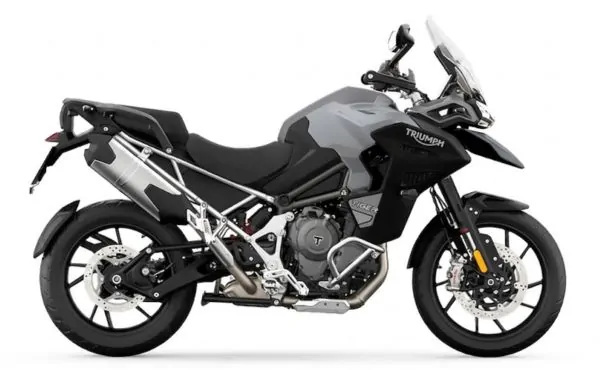
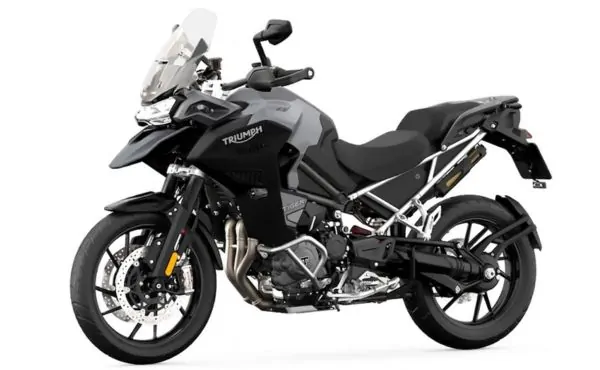
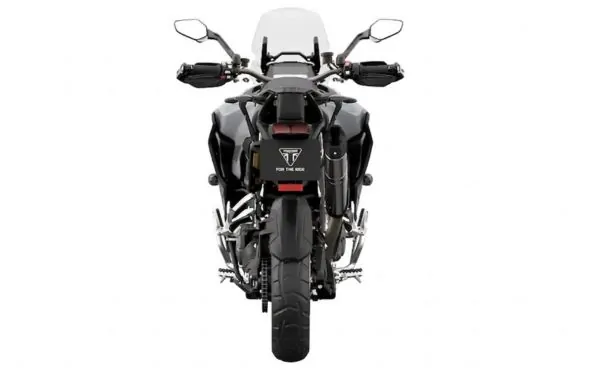
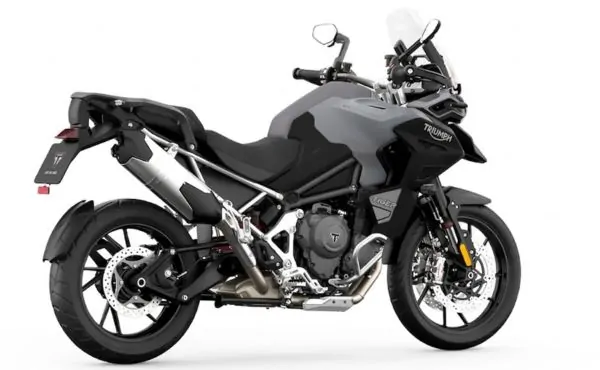
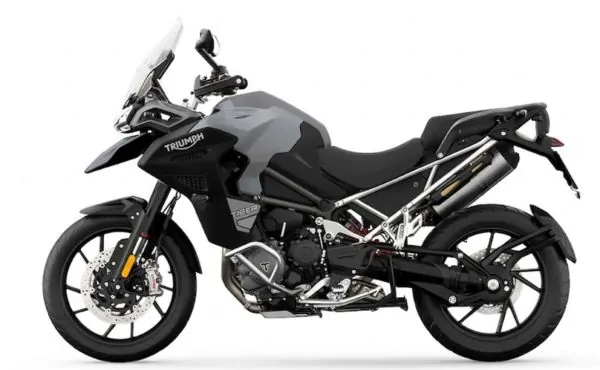
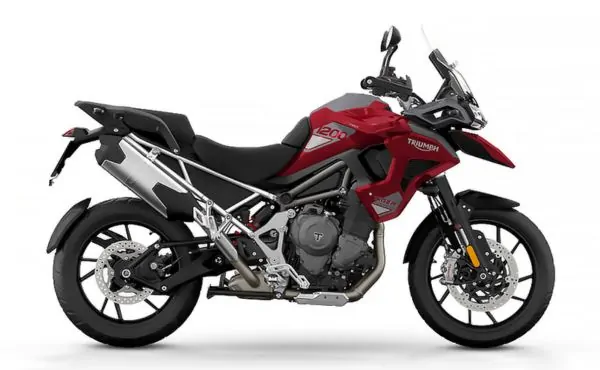
Triumph pitches the Tiger 1200 GT Explorer in India as the “long range GT tourer,” and its styling reflects this through a more elongated, touring heavy silhouette compared to the GT Pro. The GT Explorer retains the same core Tiger 1200 DNA—sharp LED headlights, aggressive front fairing, and a tall, upright adventure tourer stance—but visually stretches that character with the larger 30 litre fuel tank, which gives the side profile a more muscular, cross country ready look. The sculpted tank lines and smoother waistline make the bike look more planted and road oriented, with a focus on GT bagger style presence rather than off road prototype aggression.
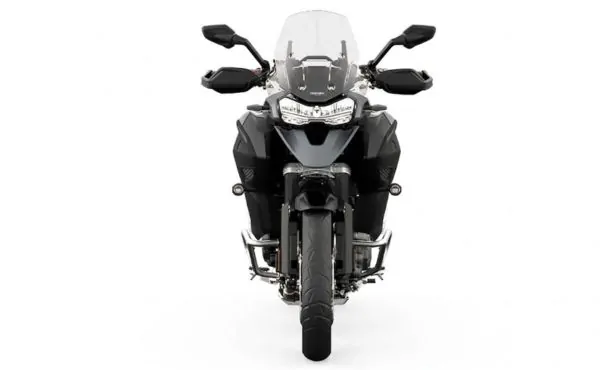
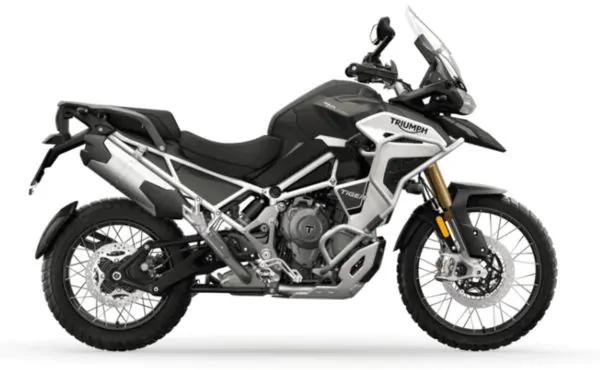
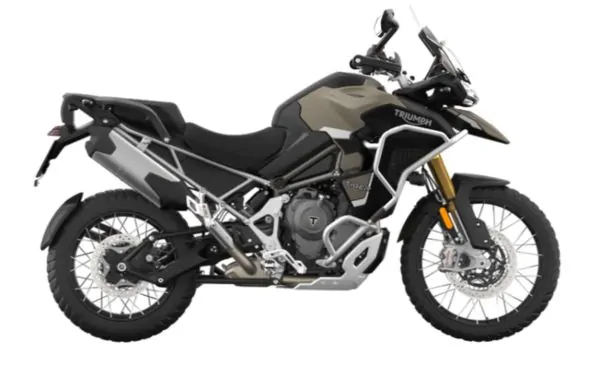
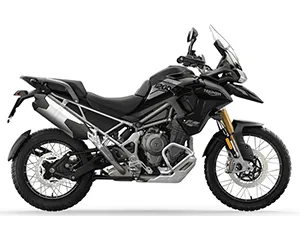
The GT Explorer uses dedicated 19 inch front and 18 inch rear lightweight cast aluminium wheels, shod with road biased tyres, which visually separate it from the Rally series’ spoke wheel heavy design. The large, adjustable windscreen and tall, upright LED headlight cluster give the front end a planted, premium tourer impression, while the neatly integrated bodywork, sculpted side panels, and clean cut tail section enhance the GT Explorer’s upscale, long distance touring image on Indian highways and showroom floors.
Triumph India highlights that the GT Pro and GT Explorer share the same GT style design language and wheel dimensions, with the GT-Explorer differentiated mainly by the 30 litre tank, badging, and Explorer style graphics that emphasise long-range touring intent. The GT Explorer is perceived in India as a “serious touring” machine with adventure bike attitude, but with a more refined, less rugged visual character than the Rally Explorer counterpart.
Handling
The GT Explorer is designed to be lighter and more agile than the previous model, with a kerb weight of about 255–260 kg and a 1560 mm wheelbase. This makes the bike stable but still easy to handle at low speeds. Triumph’s marketing in India highlights its strong capability and handling, and the low centre of gravity gives Indian riders a stable, confident ride on highways and gentle curves.
The GT Explorer uses 19 inch front and 18 inch rear lightweight cast aluminium wheels, shod with road biased Metzeler Tourance tyres, which sharpen turn in and reduce unsprung mass compared with a spoke wheel heavy Rally series setup. Indian users note that the bike feels well balanced at low speeds, with a neutral steering geometry that allows manageable U turns and city cornering despite its tall, wide fairing. The Showa semi active suspension with 200 mm of travel at both ends adapts to road inputs and payload, smoothing out broken state highway tarmac, potholes, and speed breakers without feeling overly soft or wallowy.
The “Tri Link” twin sided aluminium swingarm and the revised GT Explorer chassis contribute to a planted rear end feel, so the bike tracks well on uneven surfaces and during two up highway cruising. The Active Preload Reduction system can lower the rear suspension by up to 20 mm at stops, subtly improving ground clearance and giving a more planted stance at traffic lights and roadside pauses.
Indian riders generally report that the GT Explorer is happiest at highway speeds and on rolling-bend routes, where its low centre of gravity and stable chassis inspire confidence without feeling like a supersport sharp machine. It behaves more like a long range GT with a composed character on Indian style bad tarmac than a nimble cornering class leader, but the level of handling refinement is considered strong for a 30 litre tank laden adventurer.
Comfort
The GT Explorer in India is designed for comfort on long, multi-day highway and hill station rides, so both rider and passenger can stay comfortable for hours. Even with the 30-litre tank, the seat is shaped to keep the rider relaxed, with a flat, wide top for easy movement and shifting weight on long trips. The seat height can be set between about 850 mm and 870 mm, and low-seat options are available to help shorter riders handle city traffic and stop more easily.
The Active Preload Reduction system lowers the rear suspension by up to 20 mm when the bike comes to a standstill, making it easier to put both feet flat without the rider needing to crane to reach the ground. The standard aluminium footpegs are positioned higher and slightly more tucked in than on the older Tiger 1200, giving better cornering ground clearance as well as a slightly more relaxed knee bend, which reduces fatigue on long hill station or twisty mountain road style routes. The large, adjustable windscreen can be raised or lowered with one hand operation, allowing Indian riders to fine tune wind and rain protection for different rider heights and highway speeds (100–130 km/h), significantly reducing head rush and fatigue on long, straight, national highway style stretches.
Heated grips are standard on the GT Explorer, providing practical comfort for early morning rides and overnight highway runs when temperatures drop. The GT Explorer is noted for heated rider and pillion seats as standard, with multiple temperature settings, which is a rare plus for a premium touring oriented ADV in India and greatly improves all weather touring comfort on long distance trips. The pillion seat is genuinely usable for two up touring, with good grab rails and properly positioned footrests, making the GT Explorer a strong choice for Indian riders planning Bengaluru–Goa, Mumbai–Mahabaleshwar, or Delhi Shimla style long haul routes with a passenger.
The overall ergonomics, combined with the compliant semi active suspension and vibration damped handlebar layout, mean that the GT Explorer is perceived in India as a “usable” ultra long range tourer: tall and capable, but not punishing over full day on the road usage, and particularly rewarding for riders who intend to push the 30 litre tank on cross country Indian style touring loops.
Colour Options And Variants
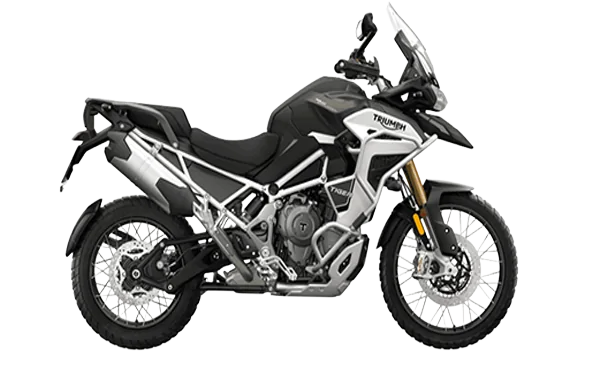
The Triumph Tiger 1200 GT Explorer in India is offered in a single colour option.
- Snowdonia White
In India, the Tiger 1200 family comprises four main variants built around the 1,160 cc platform, and the GT Explorer is positioned as the top end, GT oriented, long-range touring option within this range. The GT Explorer sits above the GT Pro and Rally Pro in pricing and equipment level, with the Rally Explorer capping the range as the most off road slanted top variant.
- Tiger 1200 GT Pro
- Tiger 1200 GT Explorer
- Tiger 1200 Rally Pro
- Tiger 1200 Rally Explorer
Triumph’s India stresses that the GT Pro and GT Explorer variants are “road focused,” with cast aluminium wheels, road biased tyres, and GT style colours, whereas the Rally series variants use off road oriented visuals and spoke wheel layouts. This clear visual and trim segregation makes the GT Explorer in India an easy to identify long range GT tourer on showroom floors and test ride day events, especially for riders who want the flagship long-range spec without the Rally series’ rugged style aesthetic.
Value For Money And Pricing
The Tiger 1200 GT Explorer is officially the most expensive GT series variant in the Indian Tiger 1200 range, with Triumph listing an ex showroom price starting at ₹ 20,89,000 on its India “Models” and “Tiger 1200” pages, placing it above the GT Pro and Rally Pro trims. This makes the GT Explorer the third most expensive variant in the lineup, sitting just below the Rally Explorer, which is positioned as the top end off road oriented long range variant. At the state level, on road pricing for the GT Explorer typically climbs into the ₹24–26 lakh band, depending on RTO and insurance costs; for example, Mumbai on road estimates place the GT Explorer around ₹24.1–24.2 lakh, while other major metro city based aggregators show figures in the ₹25.7–26 lakh range, reflecting varying road tax slabs and comprehensive insurance premiums.
From an Indian market perspective, the Tiger 1200 GT Explorer is often described as a “high initial cost, high long term value” proposition for a 1160 cc, shaft drive, semi active suspension equipped adventure tourer. Users note that the GT Explorer undercuts key rivals like the BMW R 1300 GS / R 1300 GS Rally and the Ducati Multistrada V4 while offering a similarly rich electronics package, shaft drive reliability, and a 30 litre tank enabled long range touring capability.
The GT Explorer brings a 1160 cc T plane triple, 6 speed gearbox with shift assist, semi active suspension, cornering ABS, traction control, cruise control, TPMS, Blind Spot Radar, and a 7 inch TFT with navigation support as standard, which, stacked against the competition, justifies the mid 24 to 26 lakh on road band for riders who prioritise comfort, electronics, and long range practicality over hardcore off road use. Indian long ride reports and owner style summaries emphasise that the GT Explorer feels “worth the money” for riders planning multi day national highway style runs, cross country loops (such as Mumbai–Goa–Karnataka Kerala style tours), and extended hill station and highway miles, where the combination of comfort, stability, and 30 litre tank range offsets the high upfront cost over time.
However, value for money perception in India is also sensitive to several factors: Tyres, premium grade spares, and labour for an imported 1160 cc ADV like the GT Explorer are significantly higher than for mass market 400–800 cc bikes, and the GT Explorer’s electronics and suspension add complexity, which can increase long term ownership burden for riders not doing high mileage touring. The GT Explorer is not a “budget” ADV; it is a premium touring oriented GT variant, so Indian buyers who compare it to 400–800 cc ADVs often find it “expensive,” while comparisons with BMW, Ducati, KTM, and Harley Davidson adventure tourers tilt the value story in Triumph’s favour. Due to its high ex showroom price and premium import status, the GT Explorer’s insurance premiums and loan EMIs are steep, and some users explicitly note that buyers should be prepared for a higher than average cost of ownership structure.
Overall, the Indian market consensus treats the GT Explorer as a high purchase price, high long range value proposition for riders who want a comfortable, highway oriented, electronics rich flagship tourer but cannot—or do not want—to stretch to the even pricier BMW R 1300 GS, Ducati Multistrada, or certain Harley Davidson Pan America style variants. Within the Indian premium adventure touring space, the Tiger 1200 GT Explorer sits head to head with several established rivals.
- BMW R 1300 GS
- BMW R 1300 GS Rally
- Ducati Multistrada V4
- KTM 1290 Super Adventure R
- Harley Davidson Pan America 1250
- Honda Africa Twin
For Indian riders evaluating the Tiger 1200 GT Explorer, the key question usually boils down to whether the mix of Triumph brand appeal, semi active suspension, 30 litre tank range, TPMS, and Blind Spot Radar justifies the investment compared to the BMW GS style rivals, Ducati Multistrada type options, or the GT Pro sibling and Rally Explorer siblings within the same Tiger 1200 family.