
Long story short: Learn about the top-selling electric two-wheelers in India in FY25, model-wise. See which models dominated EV sales with the reasons behind their popularity.
India’s electric two-wheeler market has changed significantly over the past few years, and FY25 stands out as a key year. Thanks to new technology, more informed buyers, and helpful government policies, electric scooters and motorcycles have moved from being a novelty to becoming a common way to get around.
In this article, we look at the top-selling electric two-wheelers in India for FY25. We’ll see which models sold the most, why they were popular, and what these trends might mean for the future of electric vehicles in India.
Key Takeaways
- Ola Electric’s S1 series remained the top-selling electric two-wheeler in FY25, though its market share declined significantly from 34.79% in FY24 to 29.93% in FY25 — a sign of growing competition.
- TVS iQube and Bajaj Chetak emerged as the strongest challengers, with Bajaj registering an extraordinary 115% growth and Chetak even topping monthly charts in December 2024, February and March 2025.
- Bajaj Chetak closed the gap with TVS iQube drastically — from 76,565 units behind in FY24 to just 6,768 units in FY25 — indicating the most competitive battle in the segment.
- Four OEMs — Ola Electric, TVS, Bajaj and Ather — each crossed 1 lakh units for the first time in a single fiscal year, a significant industry landmark.
- Hero MotoCorp’s Vida recorded the highest growth rate among major brands at 174.68% YoY, driven by the launch of the Vida V2 in December 2024.
- The overall market moderated from FY24’s 42% growth to 21% in FY25, signalling a transition from early-adopter demand to mainstream commuter adoption.
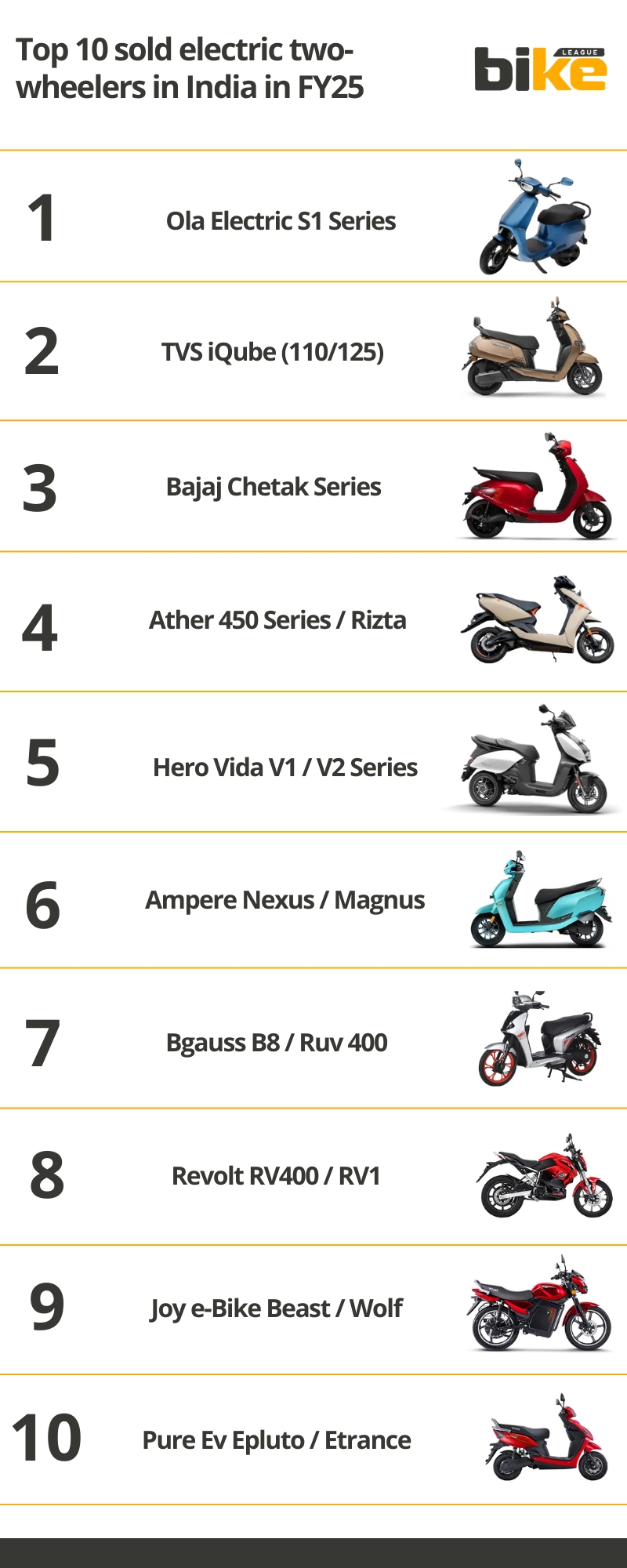
Top 10 Electric Two-wheelers In India In Fy25
| Rank | Model | FY25 Sales | FY24 Sales | Growth Rate | Volume Change |
|---|---|---|---|---|---|
| 1 | Ola Electric S1 Series | 3,44,009 | 3,29,947 | +4.26% | +14,062 |
| 2 | TVS iQube (110/125) | 2,37,576 | 1,83,220 | +29.68% | +54,356 |
| 3 | Bajaj Chetak Series | 2,30,806 | 1,07,100 | +115.32% | +1,23,706 |
| 4 | Ather 450 / Rizta | 1,30,944 | 1,09,161 | +19.95% | +21,783 |
| 5 | Hero Vida V1 / V2 | 48,674 | 17,720 | +174.68% | +30,954 |
| 6 | Ampere Nexus / Magnus | 40,162 | 31,278 | +28.41% | +8,884 |
| 7 | BGauss B8 / RUV 400 | 17,343 | 15,240 | +13.79% | +2,103 |
| 8 | Revolt RV400 / RV1 | 11,564 | 7,352 | +57.29% | +4,212 |
| 9 | Joy e-Bike Beast / Wolf | 9,394 | 9,120 | +3.00% | +274 |
| 10 | Pure EV Epluto / ETrance | 8,982 | 6,980 | +28.66% | +2,002 |
Source: VAHAN Portal / FADA FY 2025–26
Model-wise Information About The Top 10 Electric Two-wheelers In India In Fy25
1. Ola Electric’s S1 Series
- FY25 Sales: 3,44,009 units
- FY24 Sales: 3,29,947 units
- Growth: +4.26%
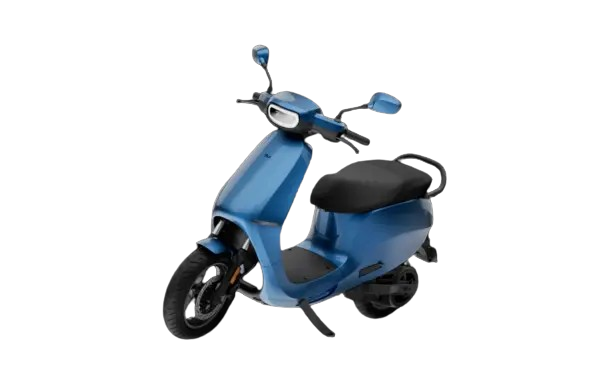
Ola Electric’s S1 series, which includes the S1 Air, S1 Pro, S1 X, and S1 X+, maintained its top position in FY25, but the lead narrowed significantly. Ola grew by 4.26%, but TVS and Bajaj challenged its dominance throughout the year. Ola lost the number-one monthly spot to Bajaj in December 2024, February 2025, and March 2025, but briefly took back the lead in January 2025.
Ola also faced challenges in FY25, including regulatory scrutiny, differences between reported sales and VAHAN portal data, and more after-sales service complaints. Even with these issues, Ola’s strong total sales and broad model lineup helped it remain at the top in FY25.
Key Models
- S1 Air
- S1 X
- S1 X+
- S1 Pro
- S1 Pro Gen 3
2. Tvs Iqube (110 / 125)
- FY25 Sales: 2,37,576 units
- FY24 Sales: 1,83,220 units
- Growth: +29.68%
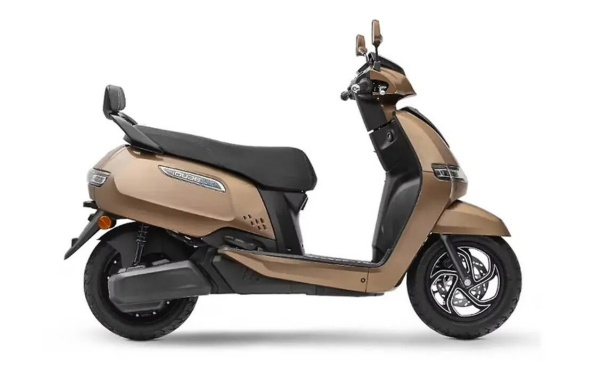
TVS iQube grew each quarter in FY25, with sales of 33,656 in Q1, 55,576 in Q2, 74,938 in Q3, and 73,406 in Q4, totalling over 2.37 lakh units. It was the top-selling EV in January 2025 by a small margin, but Ola’s late surge of 542 units pushed it to second place. By the end of the year, TVS iQube was the clear runner-up.
The iQube’s success comes from its family-friendly design, 30-litre underseat storage, and TVS’s large dealer network with about 750 EV outlets. The different variants—iQube, iQube S, and iQube ST—offer options for various budgets. TVS sold over 30,000 units in both October 2024 and March 2025, showing strong demand.
Key Models
3. Bajaj Chetak Series
- FY26 Sales: 2,30,806 units
- FY25 Sales: 1,07,100 units
- Growth: +115.32%
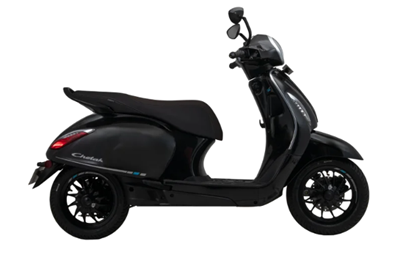
The Bajaj Chetak was the standout story in FY25’s EV market. Its sales more than doubled, growing by 115.32% year-on-year. Chetak moved from a distant third place to nearly catching up with TVS iQube, ending the year just 6,768 units behind. A year earlier, the gap was 76,565 units.
Bajaj’s strong comeback was driven by the launch of the new 35 Series Chetak (3501, 3502, 3503) in December 2024, which offers a real-world range of 153km and boosted Q4 sales. Bajaj topped the monthly EV sales charts for the first time in December 2024, and again in February and March 2025. Its network of 390 exclusive Chetak stores and 4,000 sales points in 800 cities gave Bajaj a major advantage.
Key Models
4. Ather 450 Series / Rizta
- FY25 Sales: 1,30,944 units
- FY24 Sales: 1,09,161 units
- Growth:+19.95%
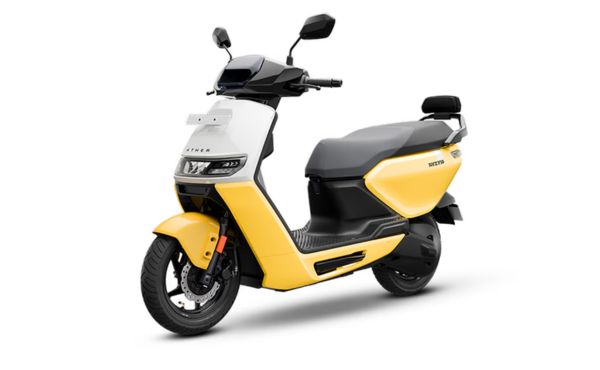
Ather Energy finished FY25 with its highest-ever annual sales, selling over 1.3 lakh units. The main reason for this growth was the Ather Rizta, a family electric scooter launched in April 2024 to compete with the iQube, Chetak, and Vida. The Rizta accounted for most of Ather’s FY25 sales, thanks to features like the largest two-wheeler seat in India, a large boot, and a 159 to 160km IDC range.
The Ather 450 series (450X, 450 Apex) remained popular with tech-focused performance buyers. Ather’s Battery As A Service (BaaS) model separates battery cost from the vehicle price, making the Rizta S available for about ₹76,000 and opening up the market to more buyers. The Ather Rizta also won Autocar India’s Electric Two-Wheeler of the Year 2025 award.
Key Models
5. Hero Vida V1 / V2
- FY25 Sales: 48,674 units
- FY24 Sales: 17,720 units
- Growth: +174.68%
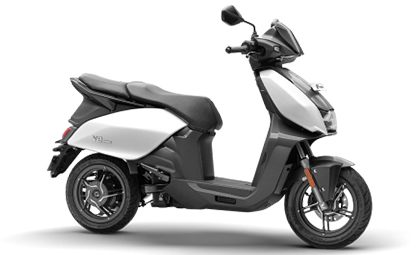
Hero MotoCorp’s Vida brand had the highest growth rate among major EV makers in FY25. The key moment was the launch of the Vida V2 in December 2024, which quickly boosted sales. March 2025 was the brand’s best month ever, with 7,977 units sold. Hero MotoCorp also benefits from its early investment in Ather Energy and has about 2,500 charging stations in partnership with Ather, giving Vida buyers more confidence about charging.
Vida’s sales are still lower than the top four brands, but they are growing steadily. Hero is starting to use its large petrol two-wheeler dealer network for EV sales, helping Vida reach smaller towns that competitors have not yet entered.
Model Links
- Vida V1
- Vida V2
6. Ampere Nexus / Magnus
- FY25 Sales:40,162 units
- FY24 Sales: 31,278 units
- Growth: +28.41%
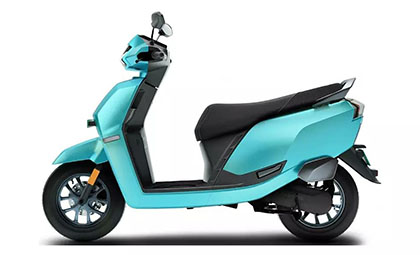
Greaves Electric Mobility, which sells the Ampere brand of electric scooters, stayed as the sixth-largest e2W maker in FY25. It grew steadily by 28.41%, reaching nearly 40,000 units sold. The Ampere series is aimed at budget and mid-range buyers and is popular in tier-2 and tier-3 cities. March 2025 was especially strong for Greaves, with 5,642 units sold, an 87.44% increase from the previous year.
Key Models
- Ampere Nexus
- Ampere Magnus Pro
- Ampere Primus
7. Bgauss B8 / Ruv 400
- FY25 Sales: 17,343 units
- FY24 Sales: 15,240 units
- Growth: +13.79%
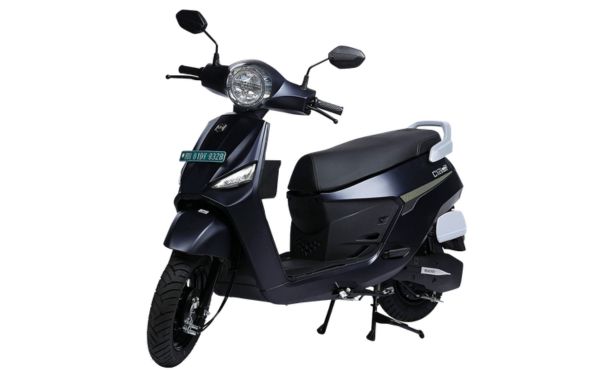
BGauss, part of RR Kabel, maintained steady growth in FY25 with a 13.79% increase. The B8 and RUV 400 target mid-range commuters and have gained loyal customers thanks to their quality and features. Although sales dropped by 16.79% in March 2025 compared to last year, the brand’s overall yearly performance was positive. To grow further in FY26, BGauss will need to expand its service network and keep prices competitive.
Key Models
- BGauss B8
- BGauss RUV 400
8. Revolt Rv400 / Rv1
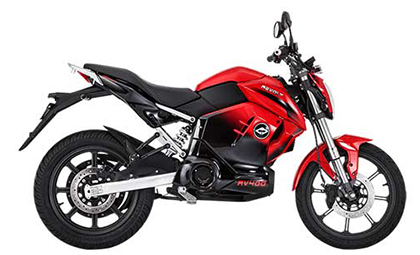
- FY25 Sales: 11,564 units
- FY24 Sales: 7,352 units
- Growth: +57.29%
Revolt Motors had the second-highest growth rate among the top 10, at 57.29%, and is the only electric motorcycle brand on the list. The RV400 is India’s most popular electric motorcycle, attracting commuters who want performance and prefer motorcycles over scooters. The more affordable RV1 helped Revolt reach more buyers in FY25. Revolt’s My Revolt Plan, a subscription-based ownership model, also makes it easier for people to buy.
Key Models
9. Joy E-bike Beast / Wolf
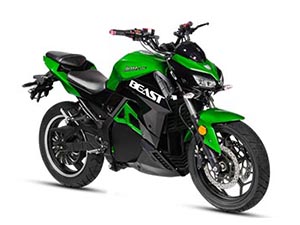
- FY25 Sales: 9,394 units
- FY24 Sales: 9,120 units
- Growth:+3.00%
Wardwizard Innovations & Mobility, which sells Joy e-Bike, saw a small 3% growth in FY25. Although the numbers are modest, the brand has kept steady sales and focuses on tier-2 and tier-3 markets where price matters most. The Joy e-Bike lineup includes both low- and high-speed electric scooters, giving budget-conscious urban and semi-urban buyers more choices.
Key Models
- Joy e-Bike Wolf
- Joy e-Bike Beast
- Joy e-Bike Air
10. Pure Ev Epluto / Etrance
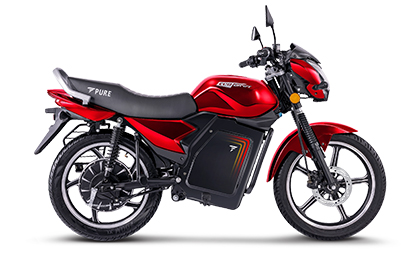
- FY25 Sales: 8,982 units
- FY24 Sales: 6,980 units
- Growth: +28.66%
Pure EV, also known as PUR Energy in some markets, finished FY25 strongly with a 291.54% year-on-year jump in March 2025—the highest monthly growth among the top 10 brands that month. The EPluto and ETrance series are aimed at value-focused urban commuters. With an overall 28.66% growth in FY25, PUR Energy is making progress in the competitive electric scooter market under ₹1 lakh.
Key Models
- Pure EV EPluto 7G
- Pure EV ETrance Neo
What Factors Drove The Growth Of Electric Two-wheelers In India In Fy25?
Several important factors contributed to the strong performance of the electric two-wheeler segment in FY25:
- Milestone Industry Volume: The segment crossed 1 million units for the first time in a single fiscal year, marking a structural shift from a niche market to a mainstream one.
- Legacy OEM Dominance: Traditional manufacturers like TVS, Bajaj, and Hero MotoCorp demonstrated that brand trust, dealer reach, and after-sales service matter as much as technology. Their growing share came at the cost of pure-play EV startups.
- Product Expansion: Several new models launched, including the Bajaj Chetak 35 Series, Ather Rizta, Hero Vida V2, and Ola S1 Z series. These kept buyers interested and offered more choices at different price points.
- PM E-DRIVE Subsidy: Even as FAME-II subsidies tapered, the government’s PM E-DRIVE scheme provided up to ₹10,000 per vehicle in FY25, keeping EVs price-competitive with petrol scooters for entry-level buyers.
- Rising Petrol Prices: With petrol costing over ₹100 per litre in most cities, the much lower running cost of electric scooters (about ₹0.15 to ₹0.25 per km compared to ₹3 to ₹4 per km) gave people a strong reason to switch.
- Expanding Charging Infrastructure: Ather, Hero, and Tata Power worked together to expand public charging networks, which helped reduce range anxiety, especially in cities.
- Gig Economy Demand: Delivery platforms and last-mile logistics firms increasingly adopted electric scooters for their fleets, adding a commercial demand layer on top of personal commuter sales.
- Battery-as-a-Service plans (notably by Ather and Ampere) and subscription models (Revolt) reduced upfront costs, making EVs accessible to first-time buyers.
How Did Market Trends In Fy25 Impact The Electric Two-wheeler Segment?
- TVS Becomes Undisputed Leader: For the first time, TVS Motor Company led both the monthly and full-year EV charts, a position it had never held before. Its BaaS strategy, Orbiter launch, and strong network gave it a lasting advantage.
- Consolidation at the Top: Four OEMs — Ola, TVS, Bajaj, and Ather — together controlled 82% of the market, showing that scale, brand, and distribution are decisive in a maturing market.
- Ola’s Declining Dominance: Ola Electric’s market share fell from 34.79% in FY24 to 29.93% in FY25. Service quality issues, regulatory scrutiny on sales data discrepancies, and rising competition eroded its lead.
- Bajaj’s Rapid Ascent:Bajaj Chetak’s 115% growth is the standout story. The Chetak 35 Series and a rapidly expanding dealer network drove Q3 and Q4 surges, making it the monthly leader three times in FY25.
- Family Scooter as the New Battleground: The launch of the Ather Rizta, a family-focused e-scooter, and strong growth of the iQube showed that the “family scooter” approach—focusing on comfort, storage, and range—was very popular with mainstream buyers.
- Hero MotoCorp’s EV Comeback: A 175% growth rate for Vida is a clear signal that Hero’s distribution network, combined with the right product (Vida V2), can translate into rapid volume growth.
- Growth Moderation: FY25’s 21% growth, while healthy, was significantly lower than FY24’s 42%. This reflects the end of the early-adopter cycle and the beginning of a more competitive, price-sensitive mainstream phase.
- Electric Motorcycles Remain Niche: Revolt’s RV400 is the only electric motorcycle in the top 10, highlighting that the e2W market is almost entirely dominated by electric scooters, which account for over 95% of EV two-wheeler sales.
Why Did Bajaj Chetak Sell So Well In Fy25?
The Bajaj Chetak became a huge success in FY25, selling 2,30,806 units and growing by 115% year-on-year. Here’s why so many people chose the Chetak:
1. Exciting New Models
The launch of the Chetak 35 Series (models 3501, 3502, and 3503) in December 2024 was a game-changer. With a practical range of 153 km on a single charge, these new models made up 60% of Bajaj’s Q4 sales and pushed total sales past 2 lakh units in 2024 alone.
2. Widespread Dealer & Service Network
Bajaj’s long-standing reputation helped a lot. With 390 exclusive Chetak stores in 800 locations and over 4,000 sales points across India, buyers felt confident about after-sales support and service—something newer EV brands still struggle with.
3. Record-breaking Months
Chetak had its best-ever month in March 2025, selling 34,863 units (about 1,124 scooters per day!). It also topped monthly EV sales in December 2024, February 2025, and March 2025, showing consistent demand.
4. Strong Build & Smart Design
Owners and reviewers appreciated the sturdy metal body, premium finish, retro look, and practical features like a large 35L boot (big enough for a full-face helmet)
5. Perfect For Families
The Chetak was marketed as a family scooter, focusing on comfort, storage (35L boot and 5L glovebox), reliable 153 km range, and the trusted Bajaj name.
6. Parent Company Advantages
Bajaj’s experience as a manufacturer and support from government incentive schemes helped it nearly break even in its electric vehicle business. The segment generated more than ₹5,500 crore in revenue—almost one-fifth of Bajaj’s domestic business.
7. Catching Up With Rivals
Bajaj nearly closed the sales gap with the TVS iQube, reducing the difference from 76,565 units in FY24 to just 6,768 units in FY25. This shows Bajaj caught up not just in numbers, but also in technology and customer trust.
In short, Bajaj Chetak’s mix of new models, strong service network, solid design, and brand trust made it the top choice for many Indian EV buyers in FY25.
Other Related Links From Bikeleague India
- EV Two-Wheeler Brand Preferences in India in FY25
- TVS IQUBE
- Top 10 sold petrol two-wheelers in India in FY25
- Top 10 sold petrol two-wheelers in India in FY24
- Bajaj Chetak 2903
Conclusion
India’s electric two-wheeler market is now firmly established. With a record 1.14 million units sold in FY25, electric two-wheelers have become a mainstream choice for commuters. Buyers are now looking for trusted brands, strong dealer support, reliable service, and practical features such as range, storage, connectivity, and affordability.
Bajaj’s big 115% growth and TVS’s steady progress highlight a key point: established brands have caught up in technology and now rely on their strengths in trust and reach. Ola needs to improve its service to stay ahead. Ather stands out with its premium, tech-focused scooters. Hero MotoCorp also proves that a slow start doesn’t mean you can’t catch up.
As we move into FY26, subsidies are likely to decline further, and new companies like Yamaha, Honda, and Suzuki are set to enter the EV market. Competition will get even tougher. The brands that focus on quality, strong after-sales support, and fair prices will lead the next phase of growth for electric two-wheelers in India.
We hope this overview gave you a clear picture of the top 10 electric two-wheelers sold in India in FY25. If you have any questions or want more information, feel free to comment or reach out. Stay tuned to Bikeleague India for the latest news on the two-wheeler market.